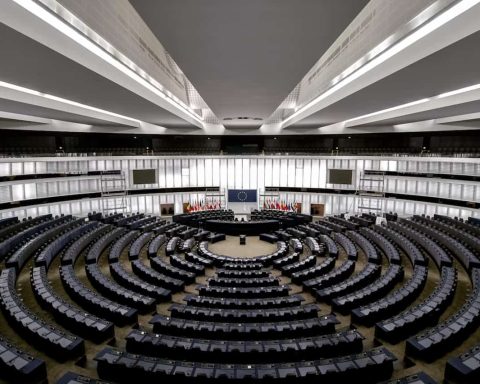
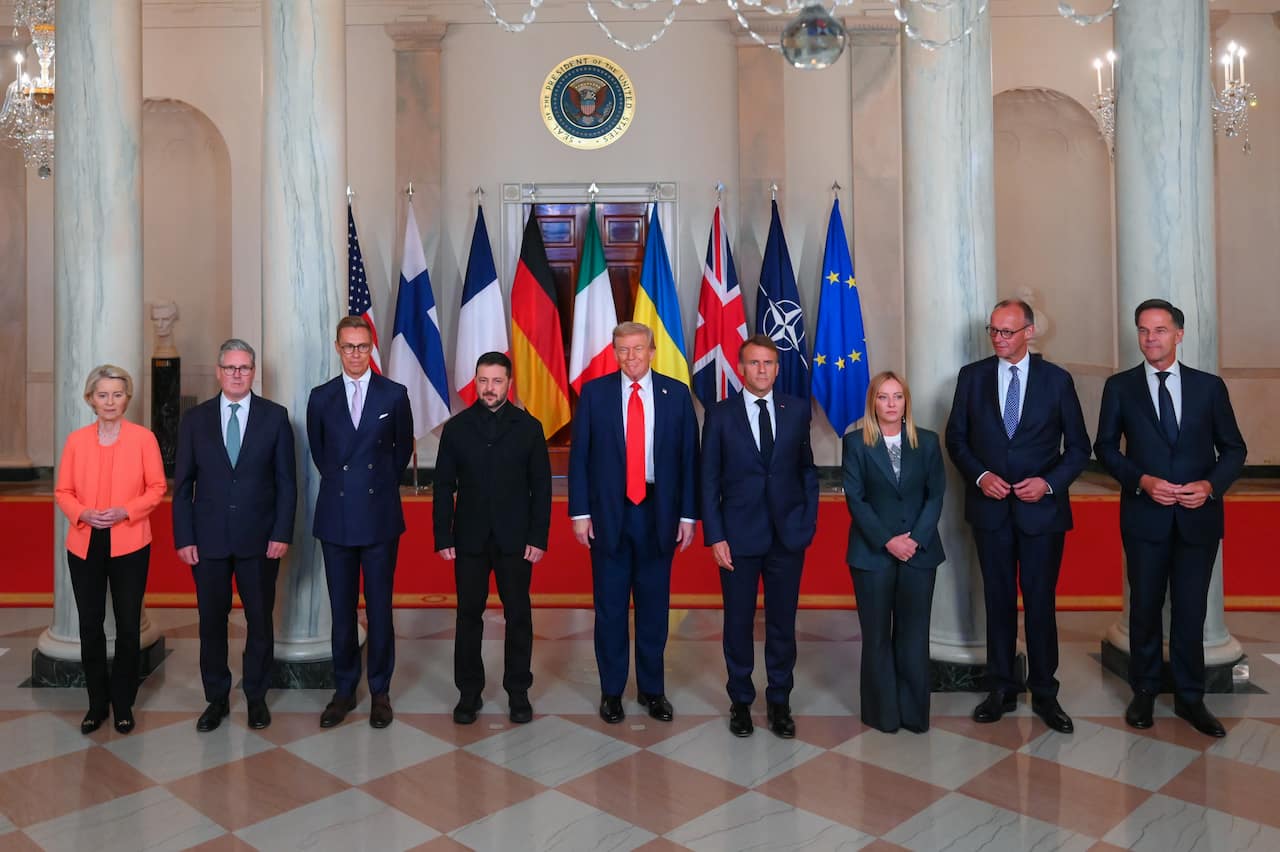
BRUSSELS, June 19 (Parliament Politics Magazine) – European Union leaders gathered in the Belgian capital on Friday to begin a contentious debate over the bloc’s financial framework for the 2028-2034 period. The proposed 2 trillion euro budget faces immediate opposition from both net contributors and beneficiary nations, sparking a high-stakes negotiation regarding the union’s economic priorities and revenue sources.
The European Commission’s initial proposal aims to secure funding for essential policies ranging from agricultural support and cohesion funding to technological innovation and student exchange programs. However, the first compromise draft, prepared by the Cypriot presidency, suggested a 2 percent reduction to the total package. This figure failed to satisfy any of the primary factions, leaving the path toward a unanimous agreement uncertain.
Divergent views on budget priorities
Wealthier nations that serve as net contributors argue that the current focus on traditional spending categories is outdated. Countries including the Netherlands emphasize that the budget must prioritize modern challenges, such as defense and industrial competitiveness, rather than historical commitments.
“The proposal currently on the table is really not good enough for the Netherlands,” Dutch Prime Minister Rob Jetten said on Thursday.
Conversely, net beneficiary nations argue that any reduction in funding would be detrimental to their development. Spain has been among the most vocal opponents of the current draft, contending that the proposed budget is already insufficient to meet existing needs, especially when accounting for inflation.
“The proposal is even more inadequate than the one initially proposed by the European Commission, and we therefore certainly do not agree with it at all,” Spanish Prime Minister Pedro Sanchez said.
Searching for new revenue streams
To bridge the divide between national contributions and ambitious spending, leaders are examining alternative revenue models. These options aim to generate funds independently of national coffers. One primary focus is the implementation of a share of revenues collected from the sale of CO2 emissions permits. Other potential levies include taxes on imported goods from countries with lower climate standards, duties on tobacco, and fees related to non-collected electronic waste.
Additional proposals currently under consideration by member states involve taxes on digital services, online gambling, and capital gains from crypto assets. The European Union also currently utilizes fines levied against companies for antitrust violations as a form of “other revenue” that effectively offsets the amount national governments must pay into the system. While no final decisions were expected during this Friday summit, the discussions serve to signal national preferences to the incoming Irish presidency.
Pressure to reach early agreement
Although the legal deadline for the 2028-2034 budget is the end of 2027, political pressure is mounting to reach a consensus much sooner. Many member states are advocating for a final deal to be struck by the end of 2026. This accelerated timeline is intended to prevent the budget negotiations from becoming embroiled in national election campaigns scheduled for 2027 in countries including France, Italy, Poland, Spain, Greece, Estonia, Finland, and Slovakia.
Following the current session in Brussels, the Irish delegation is tasked with synthesizing the varying national stances into a new compromise proposal. This updated framework is expected to be ready for review by October, marking the next phase in the complex effort to align the fiscal objectives of all 27 member states.