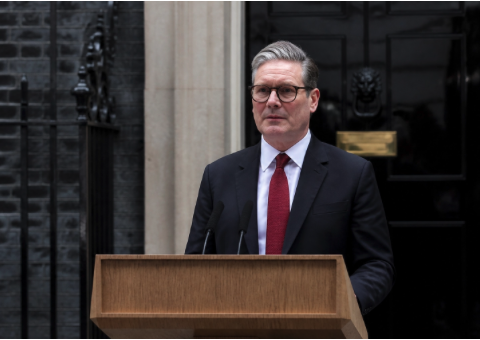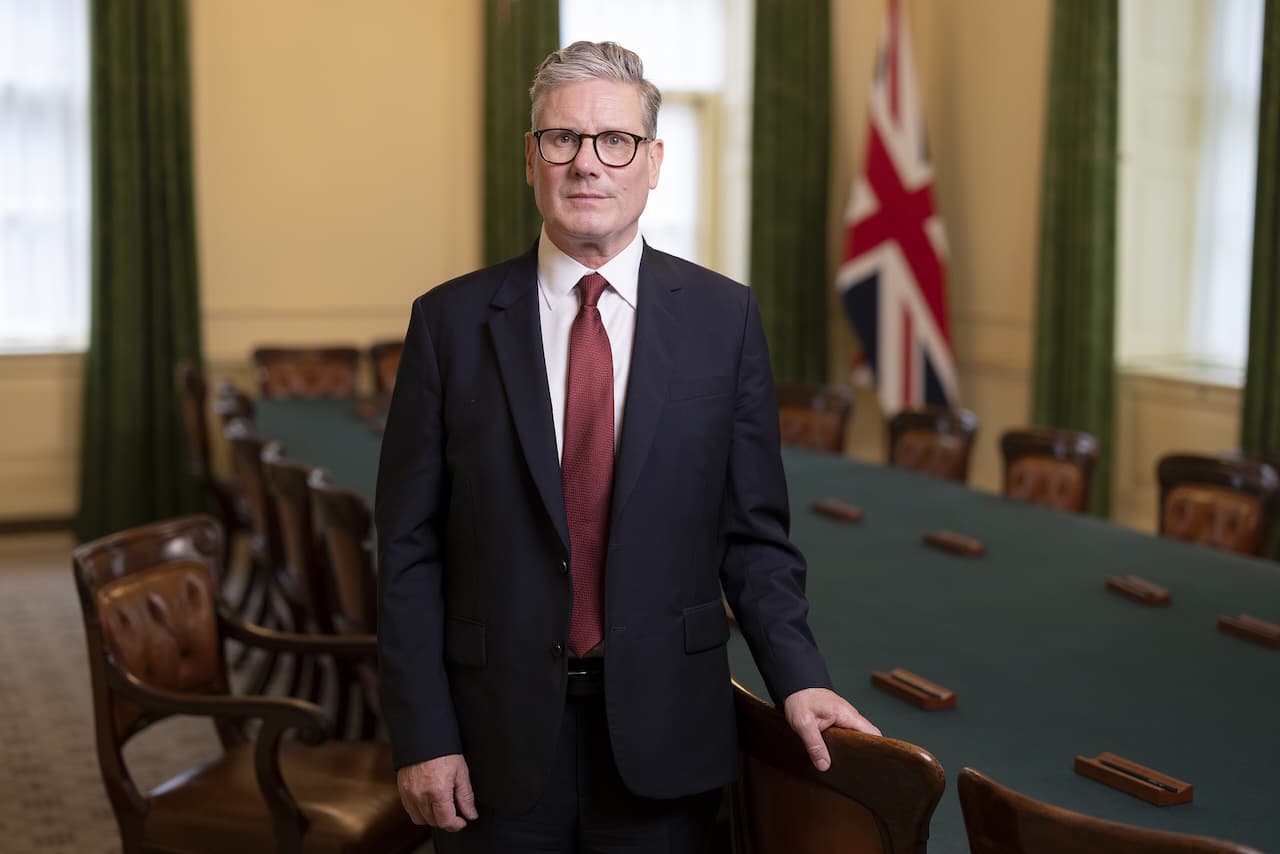
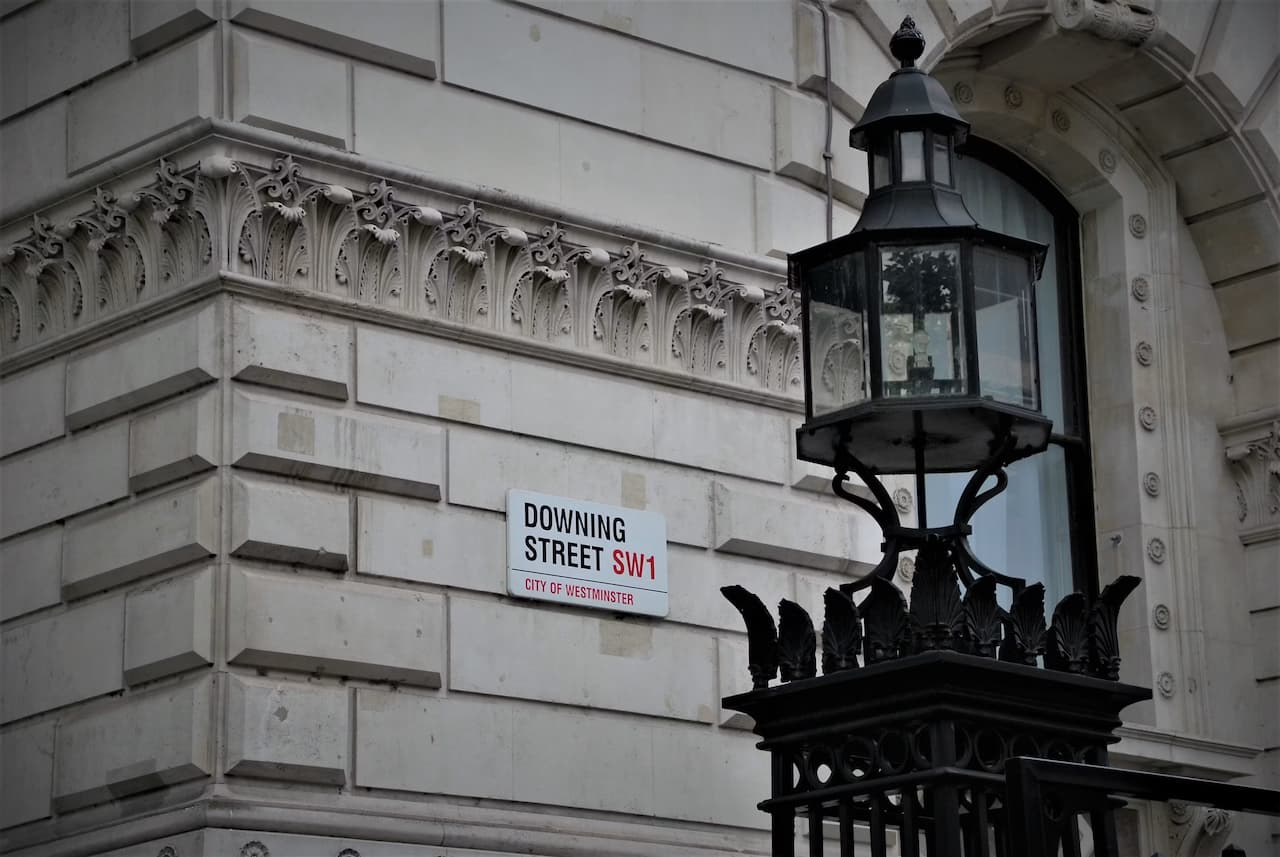
LONDON, June 22 (Parliament Politics Magazine) – Prime Minister Sir Keir Starmer officially announced his resignation as both the head of the British government and the leader of the Labour Party during a statement delivered outside 10 Downing Street.
Standing before the press, Starmer confirmed that he had informed the King of his decision earlier today, initiating a leadership transition process that is expected to conclude before Parliament returns from its summer recess in September.
A Career Defined by Challenges
Starmer reflected on his time in office, describing his arrival at Downing Street two years ago as the proudest moment of his life. He emphasized that his tenure was marked by a commitment to serving the country, even when facing significant political headwinds. During his address, he noted the state of the Labour Party at the time he assumed leadership, characterizing it as having been politically, financially, and morally bankrupt.
He credited his administration with restoring trust in the national economy, defense, and security sectors. According to his statement, he successfully navigated the internal challenges of his party by addressing issues of antisemitism and repositioning Labour on the national stage. Despite these efforts, he acknowledged that the party had been asking whether he remained the best person to lead it into the next general election.
“I have heard the answer of my party to that question and I accept that answer with good grace,” Starmer said.
Timeline for Leadership Succession
The resignation triggers a formal process to select a new leader for the Labour Party and, by extension, the next Prime Minister of the United Kingdom. Starmer has requested that the party’s National Executive Committee establish a clear timetable for the upcoming contest to ensure stability.
According to the official plans, the nomination period for the leadership is scheduled to open on 9 July. The process is set to conclude by the start of the parliamentary summer recess, which falls on 16 July. This timeline is intended to allow for a new leader to be firmly in place before the legislative session resumes in September.
The Prime Minister pledged his commitment to an orderly transfer of power. He confirmed that he would continue to perform his duties as Prime Minister until his successor is officially chosen, ensuring that the government continues to function during the interim period.
The Path to Resignation
The decision to step down follows a period of intense scrutiny and pressure from within the Labour Party. Recent local election results and polling data have contributed to internal debates regarding the party’s electoral prospects under his leadership. Reports indicate that Labour MPs grew increasingly concerned about the party’s ability to maintain its position against emerging political challengers, including Reform UK.
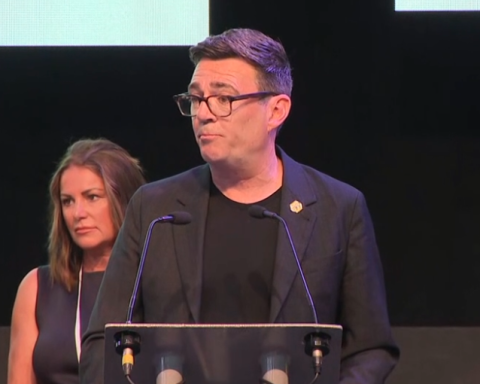
The political atmosphere in Westminster shifted recently following the success of Andy Burnham. The former mayor of Greater Manchester participated in a by-election in Makerfield, securing a seat in Parliament. His return to the House of Commons has widely been interpreted by political observers as a significant move, with many identifying him as a prominent figure in the upcoming leadership contest.
Personal Reflections
In the final moments of his speech, the Prime Minister turned to personal matters, visibly moved as he spoke about his family. He expressed his intention to transition from the responsibilities of his government role to focus on his domestic life.
“Being the best husband I can, to my fantastic wife Vic, who has been a rock by my side through good times and bad, and being the best dad that I can to my beautiful children, who are my pride and joy,” he said.
Following these remarks, he embraced his wife, Victoria, before walking back into 10 Downing Street. Earlier in the day, he spoke with the King, who was at his Highgrove estate, to provide formal notice of his intent to vacate the premiership.
Internal and External Pressures
The lead-up to the resignation was marked by various reports of internal friction. While some cabinet ministers and party donors were consulted during the weekend, insiders suggest that the final decision was reached after private discussions with his family at the Chequers retreat.
External commentary also played a role in the broader political discourse surrounding his premiership. Various international figures and political opponents commented on his tenure, citing issues ranging from energy policy to immigration. Despite these distractions, the Prime Minister maintained that his primary focus throughout his time in office remained on prioritizing the country.
Next Steps for Labour
As the party looks toward the upcoming leadership contest, several names have emerged as potential successors. While the formal nomination period is set to begin in July, some figures within the party have already begun preparing for a campaign.
The transition is expected to be closely watched by the public and international stakeholders alike, as the UK moves toward a change in leadership. Starmer stated that he will provide his full support to whoever succeeds him, emphasizing the progress he believes has been made regarding the strength and fairness of Britain over the past two years.