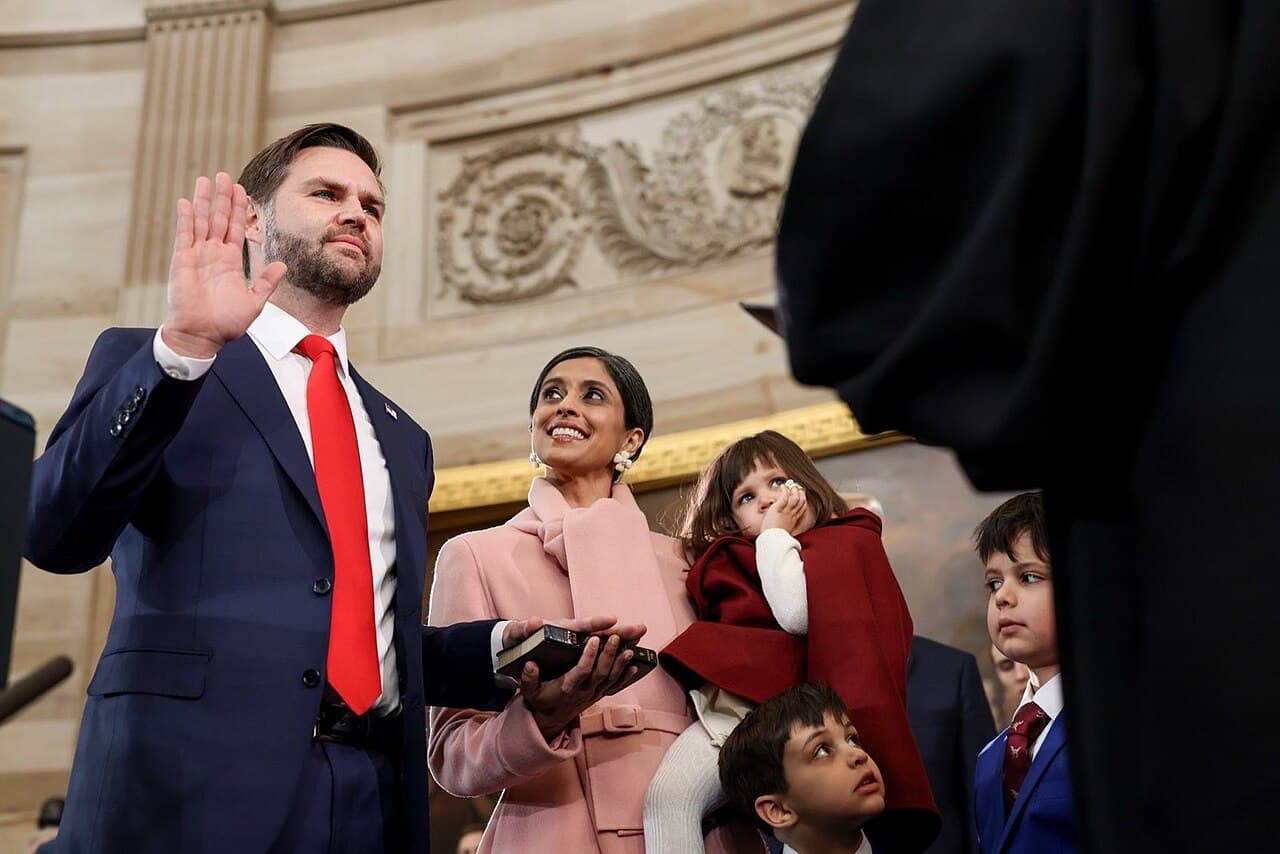
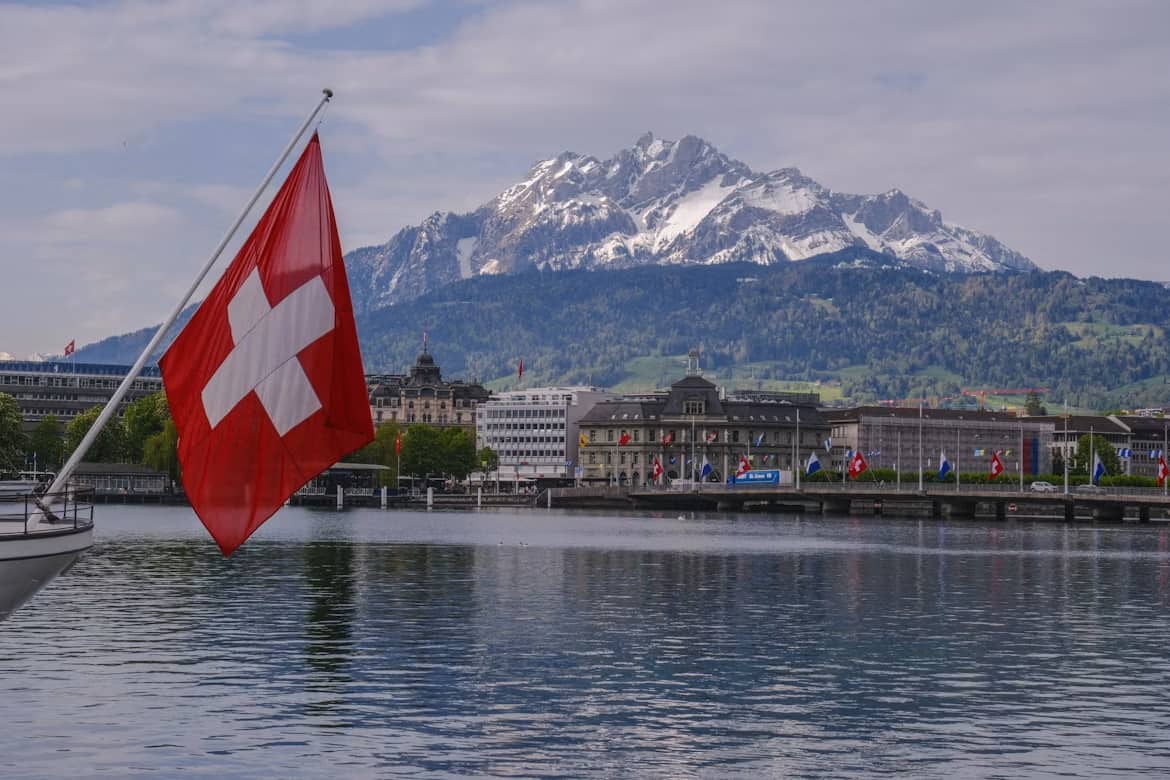
BUERGENSTOCK, Switzerland, June 22 (Parliament Politics Magazine) – United States Vice President JD Vance announced on Monday that diplomatic discussions with Iranian officials in Switzerland have established a strong foundation for a final peace deal.
The talks, held in the Qatari-owned mountain resort of Buergenstock, aimed to build upon an interim agreement reached last week despite ongoing regional tensions.
Mediators from Pakistan and Qatar confirmed that the two sides agreed to a roadmap intended to lead to a permanent agreement within 60 days. The negotiations specifically addressed methods to conclude hostilities in Lebanon between Israel and the Iran-aligned group Hezbollah. Additionally, the parties opened a communications line designed to ensure the safe passage of commercial vessels through the Strait of Hormuz, a critical global artery for oil supplies.
Assessing Diplomatic Progress
Vance provided an upbeat assessment following his participation in the sessions. He stated that Tehran had agreed to permit the return of nuclear inspectors and establish protocols for managing ceasefires and assets currently frozen abroad.
“We laid a very good foundation for a successful final deal,” Vance told reporters after the conclusion of the talks.
The progress follows a period of heightened conflict. The International Atomic Energy Agency had suspended inspections in Iran following the commencement of the war on February 28. Prior to this, Iran had limited inspections only to facilities that had not been targeted during previous U.S. strikes.
Addressing Regional Tensions
The atmosphere during the summit remained strained at times. U.S. President Donald Trump issued a warning on Sunday threatening to restart the war if Iran continued to close the Strait of Hormuz, citing concerns over the ongoing conflict in Lebanon.
Vance addressed the friction during his briefing.
“There was a little bit of threatening, there was a little bit of whining, but at the end of the day the talks continued and we made great progress,” he said.
Reports from the semi-official Tasnim news agency indicated that the Iranian delegation briefly refused to enter the main negotiating room following the president’s public threats. Communication between the parties was reportedly maintained through mediators during that interval.
Humanitarian Frameworks
Iranian Foreign Minister Abbas Araqchi stated on social media that Tehran secured waivers for oil and petrochemical exports. The agreement also includes the release of certain frozen assets and the initiation of a reconstruction and development plan for the country.
White House envoy Jared Kushner proposed a process to manage these unfrozen funds. Under this arrangement, the U.S. and Qatar would maintain oversight of the assets to ensure they are utilized for the purchase of American agricultural products, specifically corn, soy, and wheat.
The U.S. Treasury Department confirmed the issuance of a general license on Monday. This license authorizes the production, delivery, and sale of Iranian-origin crude oil and petrochemical products through August 21.
Operational Developments
Technical discussions are scheduled to continue throughout the week. Pakistani Prime Minister Shehbaz Sharif noted on social media that the initial round of negotiations concluded successfully.
The status of the Strait of Hormuz remains a primary focus of the memorandum of understanding. While Iran had previously blocked traffic in response to perceived U.S. inaction regarding the fighting in Lebanon, ship tracking data from Monday indicated that transit has begun to resume. Two crude tankers carrying nearly 2 million barrels of oil successfully navigated the waterway.
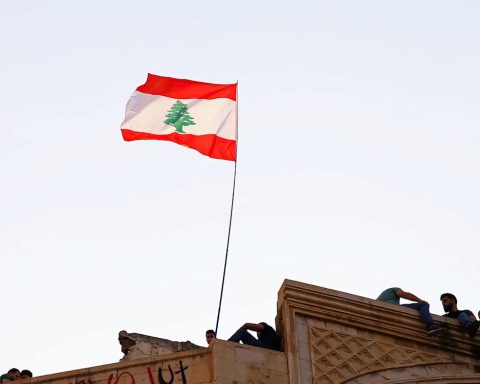
Violence in Lebanon has notably abated since late Saturday. Security sources reported that the last Israeli airstrike occurred on Saturday evening, and the Israeli military has subsequently lifted safety restrictions in eight border communities. Lebanese President Joseph Aoun consulted with Vance, the Qatari prime minister, and Kushner to discuss maintaining the ceasefire and preventing further military escalation.