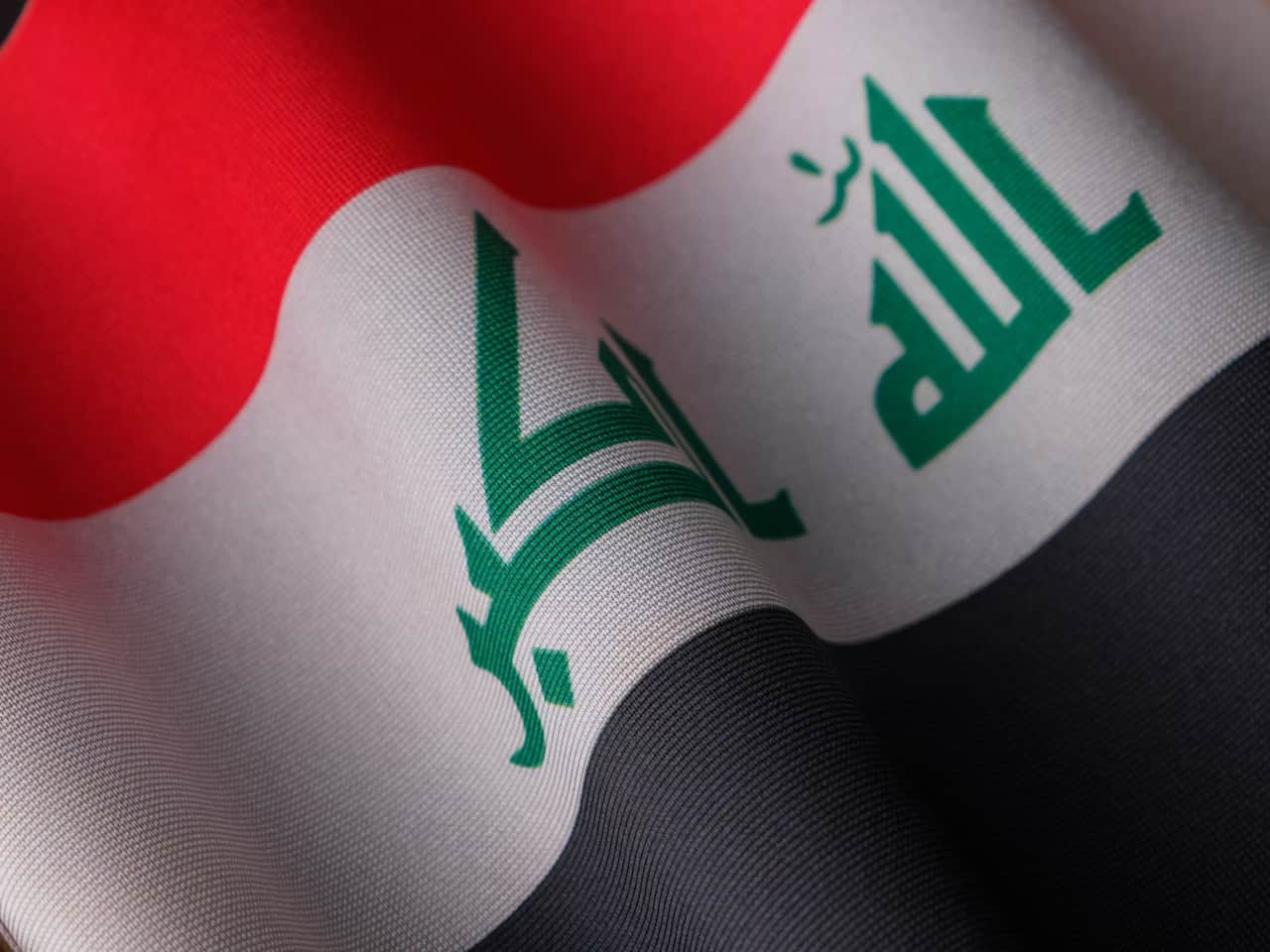
BAGHDAD, June 25 (Parliament Politics Magazine) – Iraq has warned it may ultimately consider leaving OPEC unless the organization accommodates its needs with a higher oil production quota. While the Iraqi Oil Ministry officially stated that Baghdad currently has no intention of withdrawing and remains committed to the cartel, ministry spokesperson Salim Al-Rikabi confirmed that OPEC must raise the country’s production level to match its capabilities.
If the group fails to accommodate this request, Al-Rikabi warned that a decision will have to be made regarding whether to remain in or withdraw from OPEC. The country is the group’s second-largest producer after Saudi Arabia and is one of its five founding members, having hosted the formation of the organization in the capital in 1960.
Financial Pressures and Economic Strain
The nation relies on oil for the bulk of its income, which has been slashed since the ongoing regional war effectively blocked export channels via the Strait of Hormuz. State petroleum sales account for roughly 90 percent of the government’s budget, and the recent shipping disruptions forced Iraq to drastically slash actual output well below its July quota of 4.378 million barrels per day.
Iraqi Prime Minister Ali al-Zaidi, who assumed office in May 2026, is pushing to aggressively rebuild the national economy. The administration targets expanding production capacity to 7 million barrels per day in the coming years. On Wednesday, the Prime Minister stated that Iraq wanted OPEC to raise the oil output quota in line with its production capacity and population.
Potential Impacts on the Cartel
The prospect of Iraq leaving would be a significant blow to the organization, which saw the United Arab Emirates walk away less than two months ago on May 1, 2026. Global benchmark oil prices extended their decline following reports of internal friction, briefly trading below 73 dollars a barrel.
A senior Iraqi oil ministry official told Reuters that the government is grappling with a financial crisis as a result of the war and that a significant rise in its OPEC quota should be treated seriously. The official noted that while Iraq had considered the move, the current plan remains to stay a member and continue seeking a higher quota.
Review of Production Baselines
OPEC and allied non-member producers, known as OPEC+, are currently undergoing an independent technical review of member capacities. These assessments will be used to set baseline production quotas for 2027. Iraq pumped 1.48 million barrels per day in May, according to OPEC data, which is down from almost 4.2 million in February before the closure of the Hormuz route.
A government spokesperson said that while Iraq is working to return to full export capacity, the nation has struggled to meet its quotas in the past as it expanded infrastructure with the help of Western oil companies. Russian oil sources indicated that they do not view these latest comments as a major challenge for the current OPEC+ deal, suggesting that a slight increase in the Iraqi quota may be offered later this year to defuse the situation and preserve the alliance.
“Saudi Arabia and other OPEC allies should treat this matter with the utmost seriousness. Failing that, Iraq will be compelled to consider all available options,” the official said.