WASHINGTON, June 27 (Parliament Politics Magazine) – Apple is lobbying the Trump administration for clearance to purchase memory chips from ChangXin Memory Technologies (CXMT), a move aimed at easing severe financial pressure caused by rising component costs.
According to reports from Washington, the iPhone maker has engaged with the Commerce Department and other administration officials to navigate complex national security restrictions currently surrounding the Chinese manufacturer.
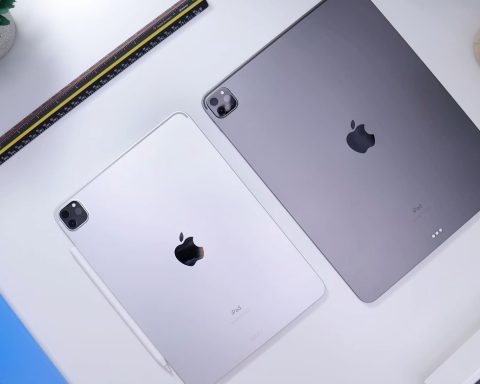
The push for approval follows significant financial strain on the technology giant. Apple recently increased retail prices for its iPads and MacBooks, stating that the company can no longer absorb the escalating costs of memory and storage components. These price surges are primarily driven by the global artificial intelligence infrastructure boom, which has redirected the production focus of major suppliers like Samsung, SK Hynix, and Micron toward high-bandwidth memory for AI data centers.
This shift has created a notable shortage of traditional consumer memory, impacting production costs for devices across the industry. By seeking to source chips from CXMT, Apple aims to diversify its supply chain and gain leverage against established memory suppliers to stabilize its long-term manufacturing costs. The company’s search for alternative supply routes highlights the intense pressure major U.S. technology firms face as they attempt to balance corporate financial stability with shifting geopolitical regulations.
The potential deal faces substantial hurdles due to the status of the Chinese firm. The Department of Defense previously designated CXMT as a Chinese military company, and the organization was approved for inclusion on the Commerce Department’s Entity List. Under these regulations, U.S. companies are largely restricted from exporting technology or goods to entities on the list without a specific license, which is rarely granted.
While the current designation carries severe reputational and regulatory risks, it does not explicitly ban all commercial purchasing transactions in every context. Apple is seeking formal assurances and clearance from Washington to ensure its supply stability remains protected from future regulatory actions. The complexity of the situation is compounded by the fact that the U.S. government has previously used the threat of the Entity List as a geopolitical bargaining chip during wider trade negotiations.
Apple is not the only company exploring options with the Chinese chipmaker. Industry insiders report that Google has also been quietly investigating the possibility of sourcing memory components from CXMT for its line of Pixel devices. Both companies appear to be responding to the same underlying market forces that have already led to a broader decline in market confidence.
Following news regarding the severe memory shortages and the subsequent supply chain struggles, the technology sector experienced a significant downturn. Reports indicate that over $260 billion in market value was erased from the sector in a single week.
“The lobbying push underscores the bind facing major U.S. technology companies as soaring memory chip costs collide with Washington’s national security restrictions on Chinese chipmakers,” the report stated.
It remains unclear whether the White House will grant the necessary clearances for these transactions. The proposal faces strong bipartisan opposition in Congress, where expanding ties with strategic Chinese semiconductor firms remains a highly sensitive political issue. Neither the White House, Apple, nor CXMT provided comments regarding the ongoing discussions.