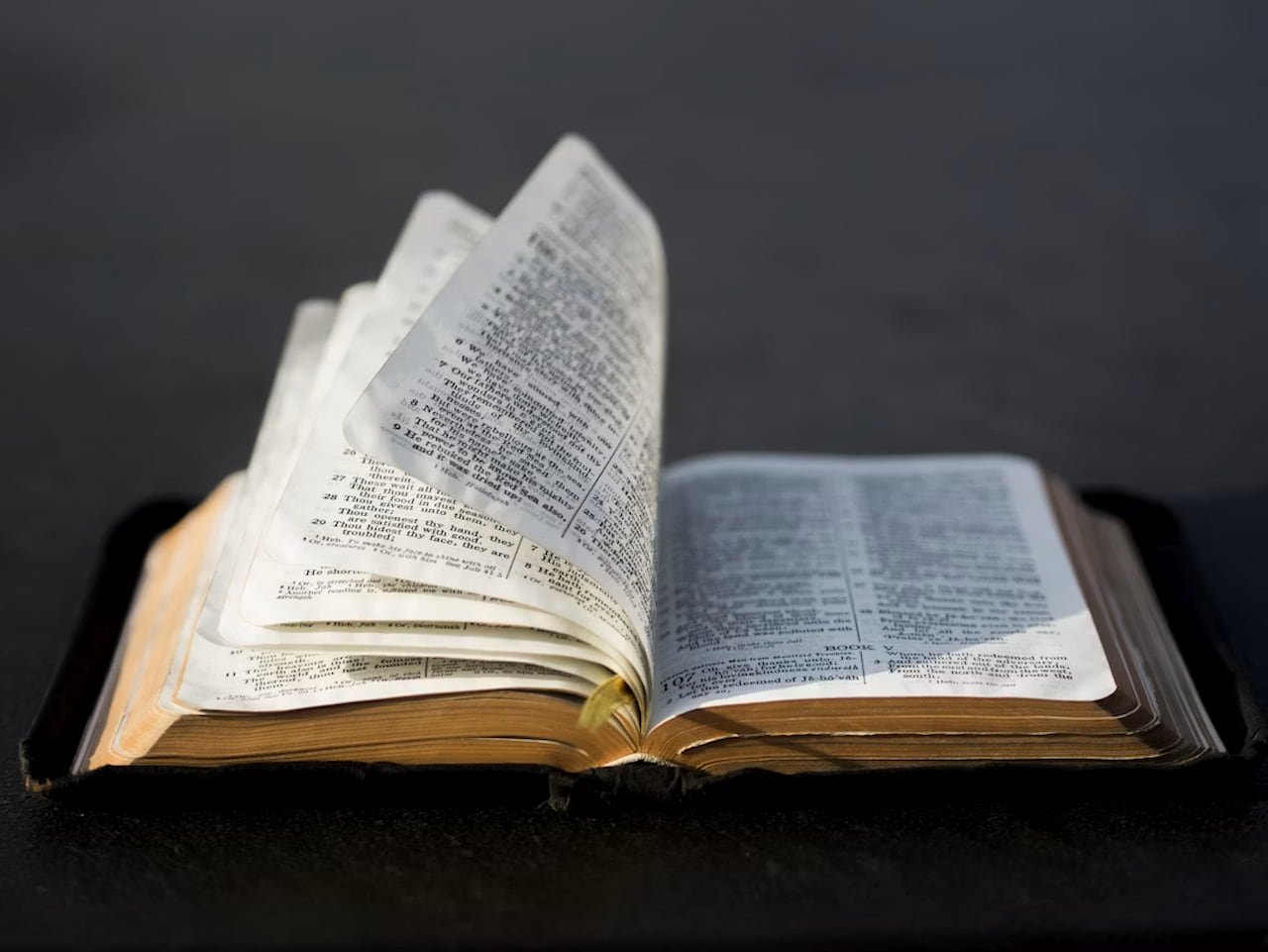
AUSTIN, June 27 (Parliament Politics Magazine) – The Republican-controlled Texas State Board of Education granted final approval to a sweeping, mandatory public school reading list that requires students to engage with passages from the Bible.
The vote, which passed 9–5 along party lines, establishes Texas as the first state in the nation to mandate specific religious texts as part of its statewide academic English and literature standards.
The new policy affects roughly 5.5 million students from kindergarten through 12th grade. The implementation of the mandate will be staggered, officially taking effect in the 2030–2031 school year. This decision marks a significant shift in public education policy, integrating theological texts into the standard curriculum for students across the state.
Curriculum Requirements
The approved list contains approximately 200 mandatory texts. It pairs biblical readings with established secular classics, including Charlotte’s Web, Hamlet, and Great Expectations. The religious material draws primarily from the King James Bible and various modern evangelical translations.
Instructional requirements vary by grade level. Younger students, starting at age six, will read illustrated book versions of Old Testament stories such as Noah’s Ark, David and Goliath, and Daniel and the Lion’s Den. By fourth grade, the curriculum introduces New Testament texts that cover the life of Jesus.
Middle school requirements include reading portions of the Sermon on the Mount. High school students are expected to analyze more complex texts, such as the Book of Job, Genesis, and 1 Corinthians, serving as foundational context for Western literature like Jane Austen’s Pride and Prejudice and Nathaniel Hawthorne’s The Scarlet Letter.
National Education Debate
The board’s decision has intensified a national conversation regarding the intersection of religion and public education. Supporters and conservative advocates argue that Judeo-Christian traditions are fundamental to America’s founding and are essential for cultural literacy. They maintain that the Bible is taught within a historical and literary framework rather than as religious proselytizing.
Conversely, civil liberties groups and secular advocates argue the mandate violates the First Amendment’s Establishment Clause. Critics also highlight the lack of diversity on the list, noting it excludes the holy texts of other major world religions and centers on works by white, male authors in a state with a majority-minority student population.
Rachel Laser, the head of the advocacy group Americans United for Separation of Church and State, said in a written statement that the Texas board of education’s decision sought to “misuse public schools to impose one narrow set of religious beliefs and indoctrinate a new generation of Americans in the lie that America is a Christian country.”
This mandate follows a 2023 law that established a requirement for a mandatory literary list in schools. It aligns with broader efforts by Texas conservatives to increase the presence of religious ideals in the classroom. Previously, the state authorized public schools to hire religious chaplains for student counseling and required the display of the Ten Commandments in every classroom, a policy recently upheld by a federal appeals court.
The selection process for the books was fluid until the final vote. In one instance, officials replaced a first-grade picture book on Noah’s Ark with a reading from the Book of Jonah. Furthermore, the state is offering financial incentives for schools to adopt an optional, Bible-infused curriculum known as Bluebonnet Learning ahead of the 2030 deadline. Some districts have adopted this program to access state funding boosts.
The board’s approach emphasizes a classical education model, with advisors noting that texts were chosen based on the idea that a work’s status as a classic is solidified only decades after the author’s death. This philosophy excludes much modern literature from the required reading.