Tokyo, Japan, April 03, 2026 (Parliament Politics Magazine) AI economy growth is accelerating globally as Microsoft announced a $10 billion investment in Japan to expand artificial intelligence capabilities and strengthen cyber defence systems. The initiative marks one of the largest technology investments in the region and underscores the growing importance of AI in economic development.
The announcement reflects a broader shift toward AI-driven economies, where nations are competing to secure technological leadership. By choosing Japan, Microsoft is reinforcing its presence in a key market known for innovation, stability, and advanced infrastructure.
said a global tech analyst.
“AI is now at the center of both growth and security.”
Cyber Defence Expansion Becomes a National Priority
As AI economy growth accelerates, cybersecurity has emerged as a critical concern for governments worldwide. The rise in cyber threats, including ransomware attacks and data breaches, has forced nations to rethink their defence strategies.
Microsoft’s investment will fund the development of AI-powered cybersecurity tools capable of detecting and responding to threats in real time. These systems will leverage machine learning to identify patterns and anomalies, significantly improving threat response efficiency.
Japan has already taken steps to strengthen its cyber defence infrastructure, and this partnership is expected to enhance those efforts. Experts believe that integrating AI into cybersecurity frameworks will set new standards for digital protection.
Economic Impact: Jobs, Innovation, and Digital Transformation
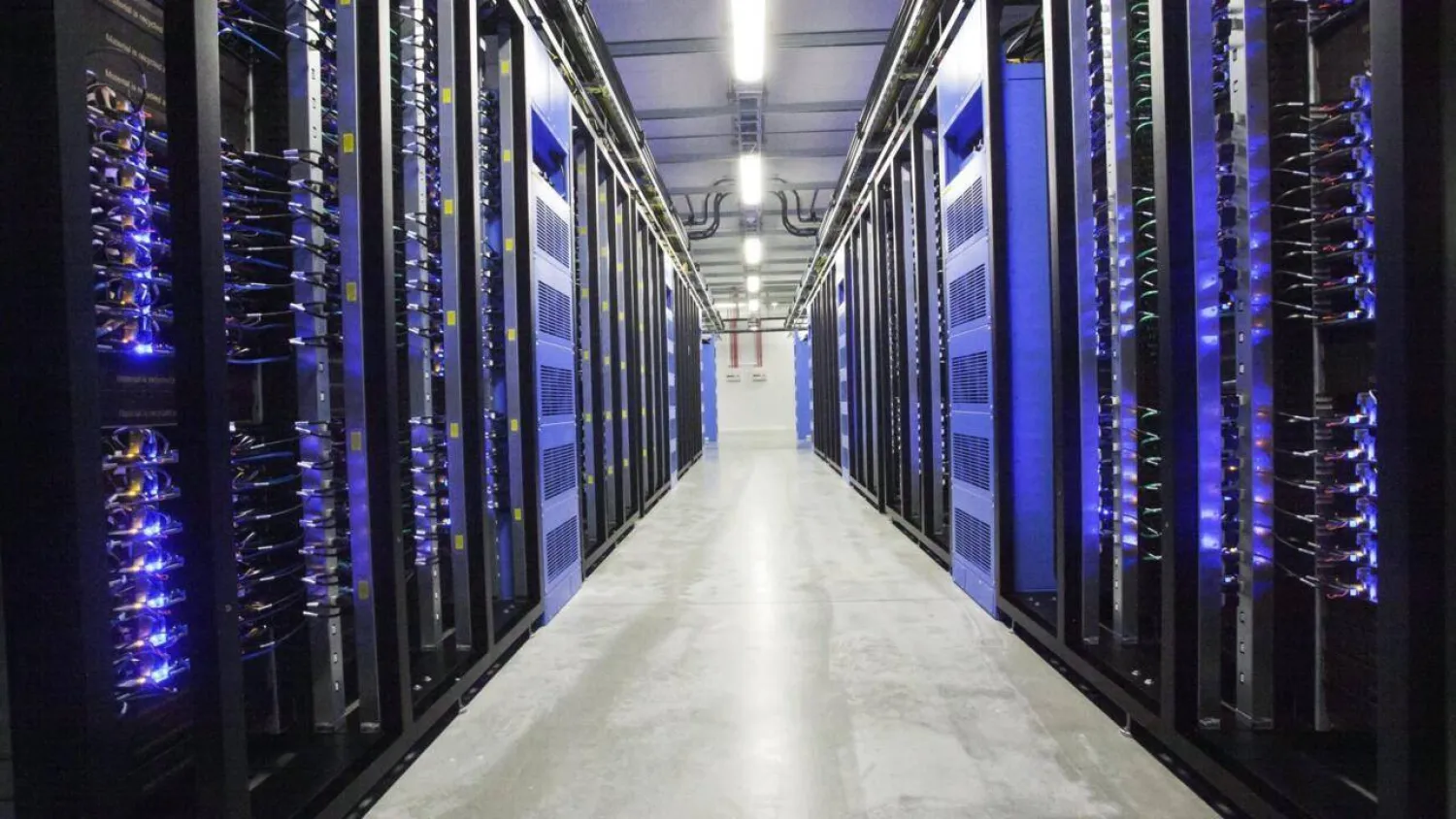
The AI economy growth strategy behind this investment extends beyond security. Microsoft plans to build new data centers, expand cloud infrastructure, and support AI research initiatives across Japan.
These developments are expected to create thousands of jobs, particularly in high-demand fields such as data science, software engineering, and cybersecurity. Local businesses will also benefit from access to advanced AI tools, enabling them to innovate and compete on a global scale.
Industries including healthcare, finance, and manufacturing are likely to see significant transformation as AI technologies are integrated into their operations.
“AI economy growth is not just about technology—it’s about empowering industries and creating new opportunities,”
said an economic strategist.
Strategic Positioning in Global Tech Competition
The AI economy growth narrative is closely tied to global competition among technology leaders. Countries and corporations are investing heavily in AI to gain a competitive edge in innovation, defence, and economic influence.
Microsoft’s decision to invest in Japan highlights the strategic importance of the Asia-Pacific region. The move also reflects efforts to diversify technological ecosystems and reduce dependence on any single market.
Japan’s strong regulatory environment and commitment to innovation make it an ideal partner for large-scale AI initiatives.
Collaboration Between Public and Private Sectors
A major component of Microsoft’s plan involves collaboration with Japanese government agencies and private sector organizations. This partnership will focus on research, workforce development, and policy frameworks that support responsible AI use.
Educational programs will play a key role, with initiatives designed to train the next generation of AI professionals. These efforts aim to ensure that Japan remains competitive in the rapidly evolving global tech landscape.
By fostering collaboration, the investment is expected to create a sustainable ecosystem that supports long-term AI economy growth.

Global Implications of AI-Driven Investment
The impact of AI economy growth extends far beyond Japan. As countries increasingly rely on digital infrastructure, the need for robust cybersecurity and advanced AI capabilities becomes more urgent.
Microsoft’s investment could serve as a model for other nations looking to balance innovation with security. The integration of AI into national strategies is likely to become a defining trend in the coming years.
Private companies are playing an increasingly important role in shaping global security and economic policies, highlighting the intersection of technology and governance.
AI Economy Growth Will Define Global Power
“AI economy growth will define the next generation of global power, and investments like this are setting the pace for the future.”
Challenges and Ethical Considerations
While the benefits of AI economy growth are significant, challenges remain. Concerns about data privacy, ethical AI use, and regulatory oversight continue to be topics of debate.
Rapid deployment of AI technologies can introduce risks if not properly managed. Ensuring transparency and accountability will be critical to maintaining public trust.
Governments and corporations must work together to establish guidelines that promote innovation while protecting individual rights and data security.
Future Outlook: AI Economy Growth Accelerates Worldwide
Looking ahead, AI economy growth is expected to reshape industries and redefine global competition. Microsoft’s investment in Japan positions both the company and the country at the forefront of this transformation.
As AI technologies continue to evolve, their integration into cybersecurity, infrastructure, and business operations will become increasingly sophisticated. This trend is likely to drive further investments and partnerships across the globe.
Japan’s role as a hub for AI innovation is set to expand, attracting talent and resources from around the world.

Key Takeaways
AI economy growth is accelerating as Microsoft commits $10 billion to Japan’s AI and cyber defence sectors.
The investment will drive innovation, create jobs, and strengthen global digital security.
This move positions Microsoft and Japan as leaders in the rapidly evolving AI-driven economy.