

London, United Kingdom, January 2026 – Ai is increasingly being viewed as a turning point in how technology investment is structured. Rather than prioritizing experimental software initiatives organizations are committing long term resources to physical infrastructure capable of supporting large scale artificial intelligence systems. Analysts tracking AI hardware demand describe the current cycle as infrastructure led durable and deeply embedded across industries.
This evolution distinguishes the present moment from earlier technology booms that were driven largely by consumer adoption or speculative enthusiasm.
London as a Strategic Lens on Global Capital Flows
London’s role as a financial hub has positioned it at the center of interpreting global capital movements. Asset managers operating in the city report that infrastructure related to artificial intelligence has become a core theme in portfolio strategy. Within this context AI hardware demand is treated as a long horizon driver comparable to energy transport or telecommunications investment cycles.
The city’s concentration of institutional capital has made it a focal point for evaluating how technology spending reshapes broader market dynamics.
From Innovation to Necessity
Artificial intelligence has crossed a threshold from optional innovation to operational necessity. Enterprises in finance logistics healthcare and manufacturing now rely on machine learning systems for efficiency risk management and decision support. As these applications scale AI hardware demand has expanded beyond pilot projects into mission critical deployment.
This transition has brought greater predictability to investment timelines as infrastructure upgrades are planned years in advance.
Data Centers Anchor the Expansion
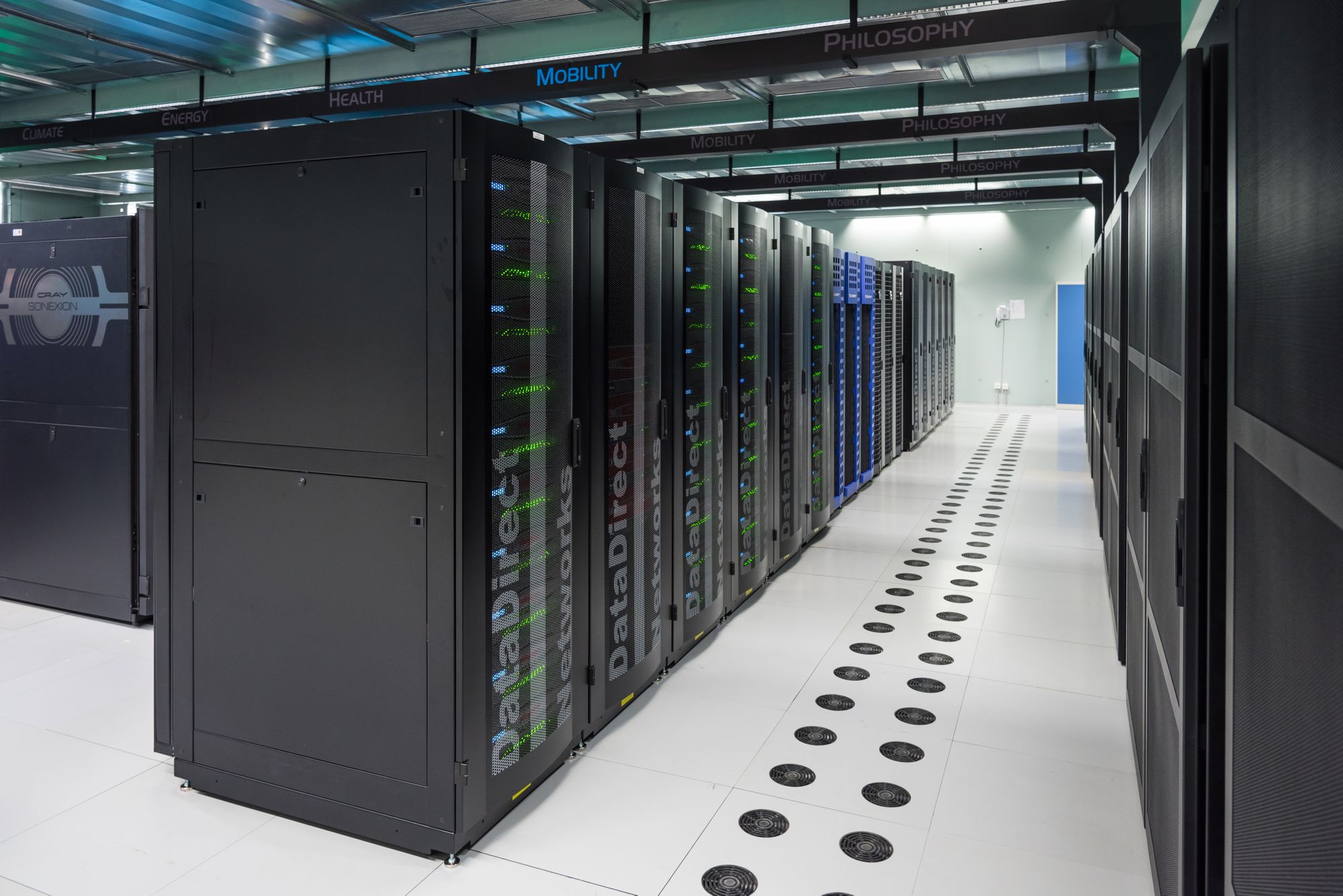
At the heart of the current transformation lies the rapid expansion of data center capacity. Facilities designed to support high intensity computation are being built or upgraded across regions. Industry specialists emphasize that AI hardware demand is driving not only the number of data centers but also their design power requirements and geographic distribution.
These sites represent long lived assets with implications for local economies energy grids and environmental policy.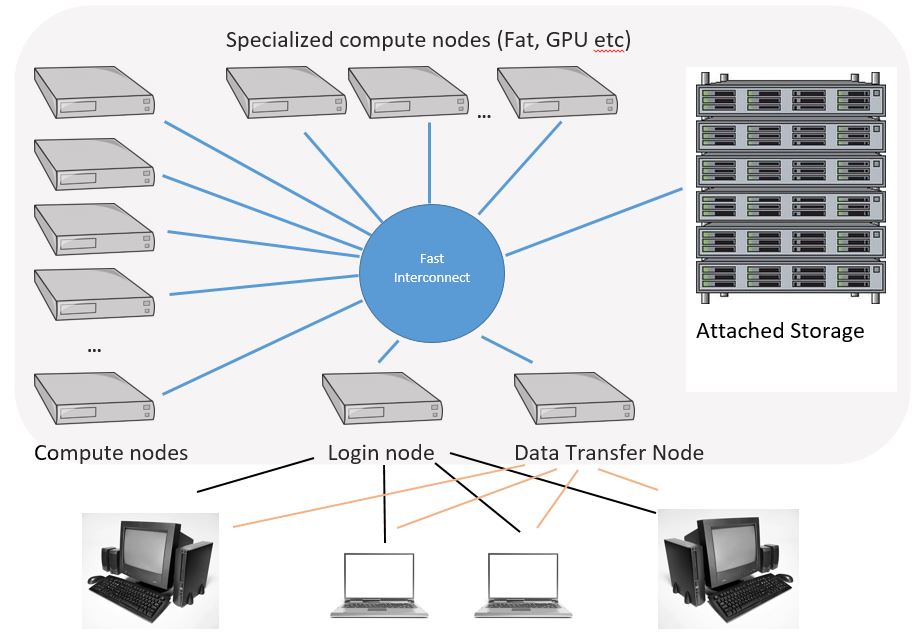
Semiconductor Manufacturing Enters a New Phase
The semiconductor sector has responded by prioritizing advanced manufacturing nodes and specialized architectures. Suppliers report that AI hardware demand favors high performance chips optimized for parallel processing and energy efficiency. This has altered investment priorities within fabrication facilities increasing capital intensity and extending production timelines.
Manufacturing strategies are now aligned more closely with long term deployment plans rather than short term market cycles.
Supply Chains Become More Strategic
As production scales supply chain resilience has become a central concern. Companies sourcing critical components are reassessing geographic concentration and logistics risk. Within boardrooms AI hardware demand is now discussed alongside supply security and geopolitical exposure.
This has encouraged diversification of suppliers and closer coordination between manufacturers and infrastructure operators.
Corporate Strategy Reorients Around Infrastructure
Corporate planning has adjusted accordingly. Technology leaders and traditional enterprises alike are redirecting capital expenditure toward computing capacity and supporting systems. Executives note that AI hardware demand influences decisions on mergers partnerships and facility expansion.
The emphasis has shifted from rapid experimentation to building reliable scalable foundations.
Financial Markets Price Long Term Visibility
Equity and credit markets have responded to clearer demand signals. Investors increasingly value companies with exposure to infrastructure spending rather than consumer volatility. Analysts explain that AI hardware demand has improved revenue visibility allowing for more stable valuation frameworks.
This shift has reduced speculative trading and encouraged longer holding periods.

Public Policy Aligns With Industrial Strategy
Governments are integrating artificial intelligence infrastructure into industrial policy. Policymakers meeting in London have highlighted the need to support domestic manufacturing workforce development and energy capacity. In this context AI hardware demand is viewed as a matter of national competitiveness rather than purely private investment.
Public incentives and regulatory frameworks are being adjusted to reflect this priority.
Energy Systems Face New Pressures
The expansion of computing capacity brings significant energy implications. Data centers consume large amounts of electricity and require reliable cooling solutions. As AI hardware demand grows utilities and regulators are under pressure to balance infrastructure expansion with sustainability goals.
This challenge has accelerated investment in renewable energy grid upgrades and efficiency technologies.
Sustainability Shapes Infrastructure Design
Environmental considerations are increasingly influencing design choices. Operators are adopting advanced cooling systems waste heat reuse and energy monitoring tools. Experts say AI hardware demand is pushing sustainability from a compliance issue to a competitive differentiator.
Facilities that minimize environmental impact are more likely to secure regulatory approval and community support.
Labor Markets Adjust to Technical Complexity
The infrastructure buildout is reshaping labor demand. Engineers technicians and specialists in power management networking and systems integration are in high demand. As AI hardware demand grows education providers are expanding programs focused on these skills.
This has implications for wages training and long term workforce planning.
Global Trade Patterns Realign
International trade flows are adjusting to reflect new production priorities. Countries with established semiconductor ecosystems are reinforcing their positions while others invest to enter the value chain. Analysts observe that AI hardware demand is influencing trade policy negotiations and investment treaties.
The result is a more strategic approach to technology trade.
Risk Management Takes Center Stage
Despite optimism the scale of investment introduces execution risk. Delays shortages or regulatory hurdles could disrupt deployment schedules. Investors monitoring AI hardware demand emphasize the importance of risk management diversification and contingency planning.
This cautious approach has contributed to steadier market behavior.
Market Insight
One senior technology strategist said,
“This cycle is defined by permanence rather than pace with infrastructure decisions shaping productivity for decades rather than quarters.”
Regional Differences Emerge
While the trend is global regional approaches differ. North America emphasizes private sector investment Europe focuses on regulation and sustainability while Asia balances scale with state support. Across all regions AI hardware demand remains the common denominator guiding strategy.
These differences influence where capital flows and how quickly projects advance.
Financial Institutions Adapt Their Models
Banks insurers and asset managers are adjusting risk models to account for infrastructure heavy investment profiles. Analysts note that AI hardware demand introduces longer asset lives and different depreciation patterns compared with software investments.
This has implications for lending structures and capital allocation.
Technology Vendors Strengthen Partnerships
Collaboration across the ecosystem has intensified. Hardware providers software developers energy companies and governments are forming partnerships to coordinate deployment. Participants say AI hardware demand requires ecosystem thinking rather than isolated execution.
Such cooperation reduces bottlenecks and improves efficiency.
The Second Half of 2026 in Focus
As the year progresses attention turns to execution. Projects announced earlier are moving into construction and deployment phases. Observers tracking AI hardware demand expect continued momentum provided energy availability and supply chains remain stable.
Markets are watching implementation closely.
Long Term Economic Implications
Beyond immediate investment the infrastructure buildout has broader economic consequences. Productivity gains automation and new services are expected to emerge over time. Economists argue that AI hardware demand represents an investment in future growth capacity rather than short term output.
This perspective supports patient capital allocation.
A Shift in How Innovation Is Measured
Innovation metrics are evolving. Success is increasingly measured by reliability scalability and integration rather than novelty alone. In this framework AI hardware demand reflects maturity rather than hype.
This recalibration may lead to more sustainable innovation cycles.
Why This Phase Matters Historically
Looking back future analysts may view 2026 as the year artificial intelligence infrastructure became as fundamental as electricity or telecommunications. The scale and coordination associated with AI hardware demand suggest a structural change in how economies invest.
Such moments are rare and consequential.