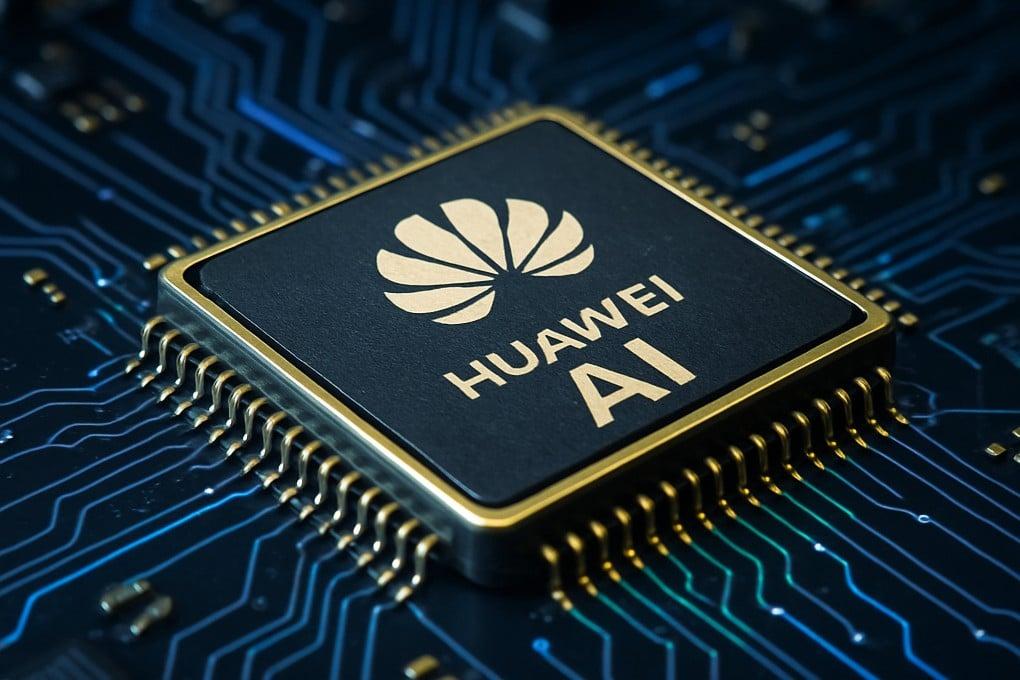
BEIJING, May 1, 2026 (Parliament Politics Magazine) AI processor innovation is rapidly transforming the global semiconductor landscape as Huawei expects its AI chip revenue to increase by at least 60% this year. The forecast reflects surging demand for advanced computing solutions required to power artificial intelligence systems across industries.
The expansion signals a structural shift in how computing resources are developed and deployed. Companies worldwide are investing heavily in next-generation processors capable of handling complex AI workloads, from machine learning models to real-time analytics platforms.
This surge in AI processor innovation highlights the growing importance of specialized chips designed specifically for artificial intelligence applications, positioning Huawei as a rising force in the global semiconductor race.
Key Metrics Behind Huawei’s AI Expansion
- Revenue Growth Forecast: At least 60% increase in AI chip segment
- Market Driver: Global demand for AI computing power
- Strategic Focus: Expansion of AI processor capabilities
- Industry Trend: Rapid growth in data center infrastructure
- Investment Outlook: Increased R&D spending on AI technologies
- Competitive Pressure: Intensifying global semiconductor competition
Strong demand for AI chips reshapes the semiconductor industry
The rise of AI processor innovation is closely tied to the growing adoption of artificial intelligence technologies across sectors such as healthcare, finance, manufacturing, and autonomous systems.
AI processors are essential for:
- Accelerating machine learning training
- Processing large-scale datasets
- Enabling real-time decision-making
- Supporting cloud-based AI services
A semiconductor analyst stated:
“AI processor innovation is becoming the defining force in the chip industry. The companies that lead this transformation will shape the future of global technology.”
As organizations scale their AI operations, demand for high-performance chips continues to increase, driving significant growth opportunities for companies like Huawei.
Global competition intensifies in AI processor development
The rapid advancement of AI processor innovation has intensified competition among global technology leaders. Huawei is positioning itself as a key contender by investing heavily in chip design and development.
The competitive landscape includes:
- Established semiconductor manufacturers
- Emerging AI-focused chip developers
- Government-backed technology initiatives
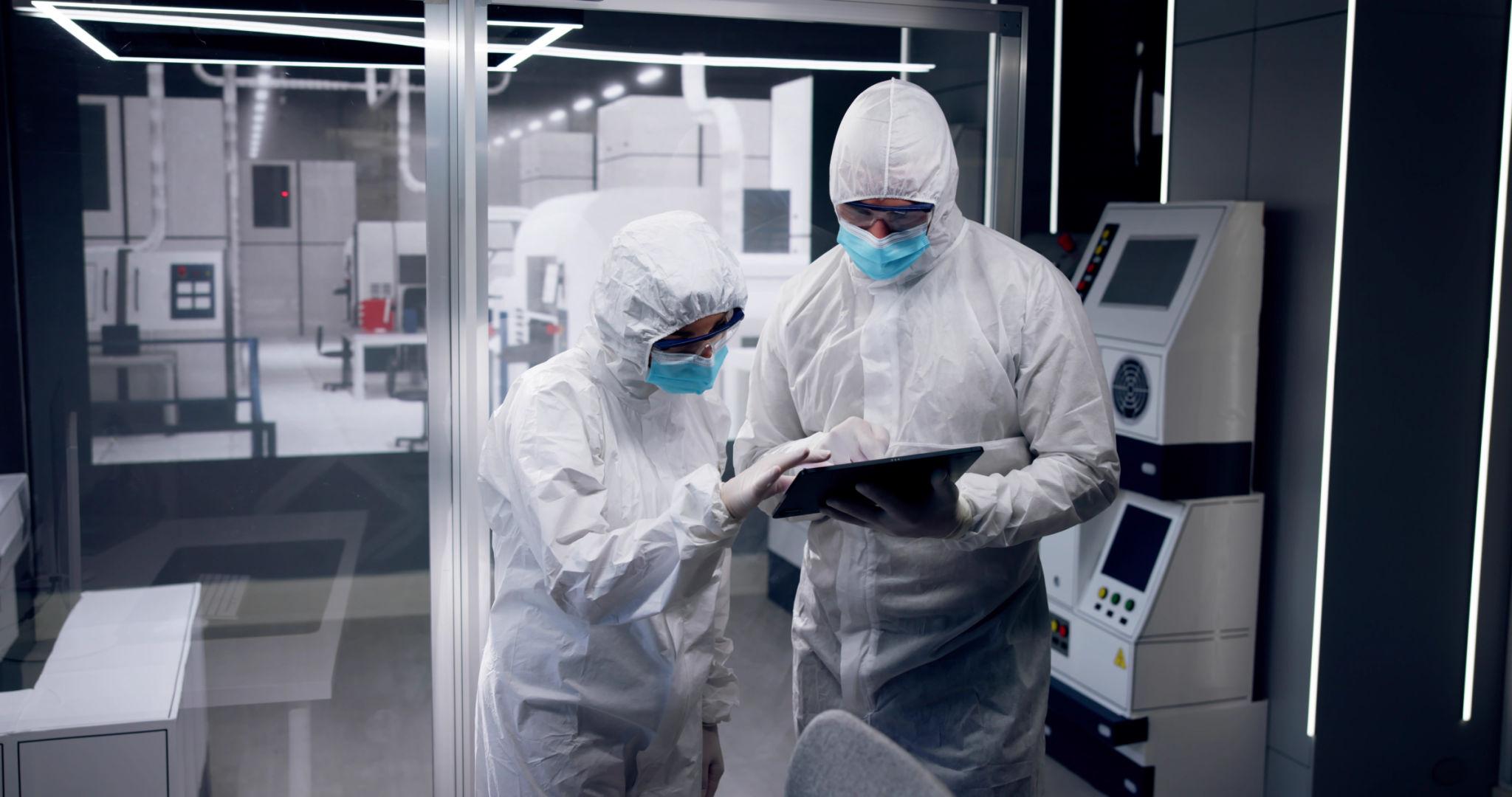
Huawei’s strategy focuses on strengthening its domestic capabilities while expanding its presence in international markets. This approach is designed to reduce reliance on external suppliers and improve resilience in a complex global supply chain environment.
Strategic investments fuel long-term innovation
Huawei’s commitment to AI processor innovation is supported by significant investment in research and development. The company is focusing on building advanced processors capable of meeting the growing demands of AI-driven applications.
Key investment areas include:
- AI chip architecture design
- Semiconductor manufacturing technologies
- Integration with cloud computing platforms
A technology strategist noted:
“The next decade will be defined by AI processor innovation. Companies that control both hardware and software ecosystems will dominate the digital economy.”
These investments are expected to play a critical role in sustaining Huawei’s growth trajectory.
Historical evolution of AI processor innovation
From general-purpose chips to AI-specific architectures
To understand the current surge in AI processor innovation, it is important to examine the evolution of semiconductor technology.
Initially, processors were designed for general-purpose computing tasks. As computing demands increased, specialized chips were developed to handle graphics processing and parallel computing.
The emergence of artificial intelligence has accelerated this trend, leading to the creation of processors specifically optimized for machine learning and data-intensive workloads.
This evolution has driven significant investment in semiconductor technology, transforming the industry and creating new opportunities for growth.
AI infrastructure expansion drives processor demand
The surge in AI processor innovation is directly linked to the expansion of global AI infrastructure. Companies and governments are investing heavily in data centers, cloud platforms, and high-performance computing systems.
These investments are driving demand for:
- Advanced AI processors
- High-speed data storage solutions
- Scalable computing infrastructure
Huawei’s ability to meet this demand will be critical in determining its position in the global AI ecosystem.
Risks and challenges facing the AI chip market
Despite strong growth prospects, several challenges could impact the future of AI processor innovation:
Supply chain complexities
Global semiconductor supply chains remain vulnerable to disruptions and logistical challenges.
Geopolitical tensions
Trade restrictions and regulatory policies could affect market access and collaboration.
Competitive pressure
Intense competition among global players may impact pricing and market share.
While these risks are significant, the long-term outlook for AI processor demand remains positive.
Market response and investor sentiment
The projected growth in Huawei’s AI chip business has attracted significant attention from investors and analysts. The rise of AI processor innovation is seen as a key driver of future growth in the technology sector.
Investors are focusing on:
- Revenue growth potential
- Long-term market positioning
- Strategic investments in innovation
The overall sentiment remains optimistic, driven by the continued expansion of AI technologies.
Future outlook: sustained momentum expected
Looking ahead, the momentum behind AI processor innovation is expected to continue as artificial intelligence becomes more deeply integrated into global industries.
Huawei is expected to:
- Expand its AI processor portfolio
- Increase investment in next-generation technologies
- Strengthen partnerships with enterprise clients
A senior industry observer commented:
“We are only at the beginning of the AI revolution. Processor innovation will remain at the center of this transformation.”
AI Processor Innovation Summary: What Huawei’s Growth Means for 2026
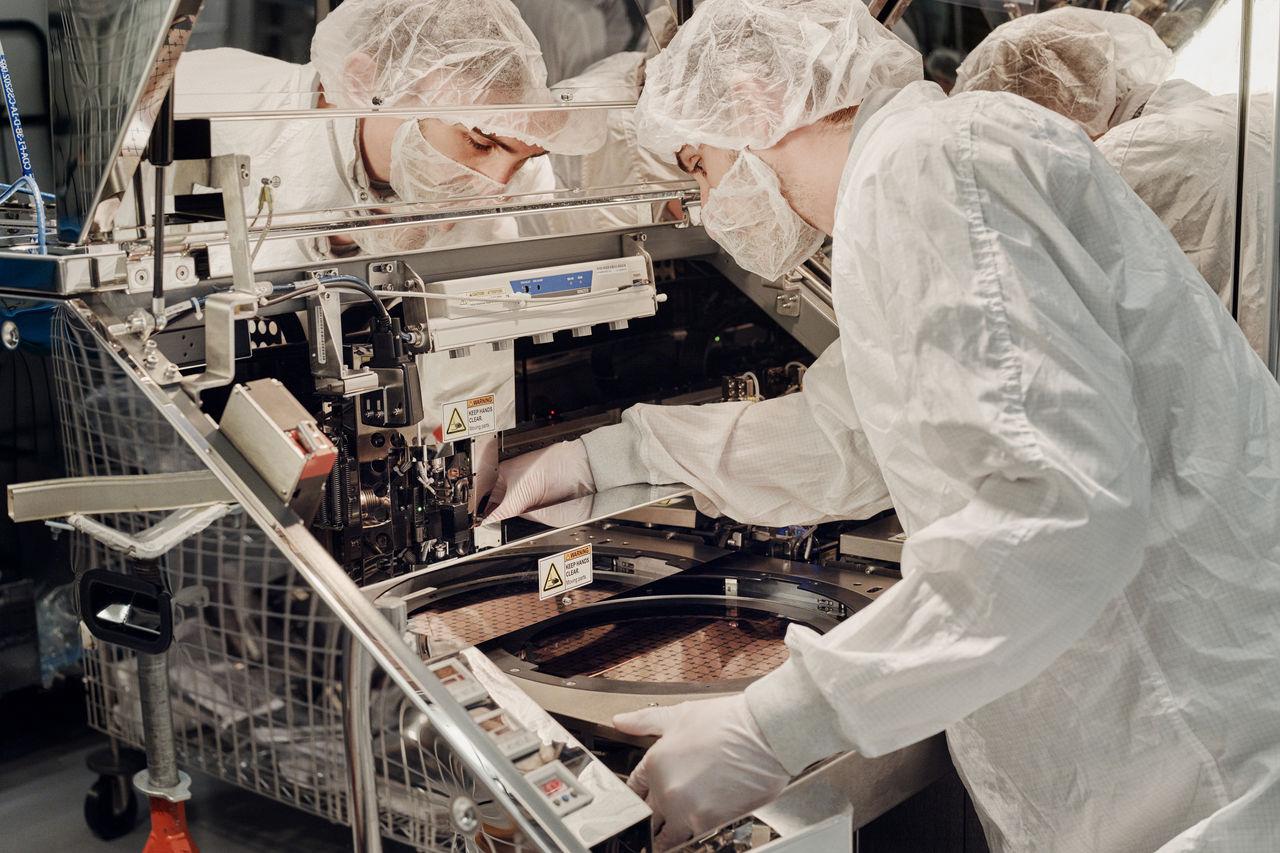
The rapid rise of AI processor innovation is reshaping the semiconductor industry and driving significant growth for companies like Huawei. With a projected 60% increase in AI chip revenue, the company is positioning itself as a key player in the evolving global technology landscape.
As demand for AI infrastructure continues to grow, processor innovation will remain a critical factor in determining market leadership. While challenges persist, the long-term outlook suggests sustained expansion fueled by technological advancement and global investment.