

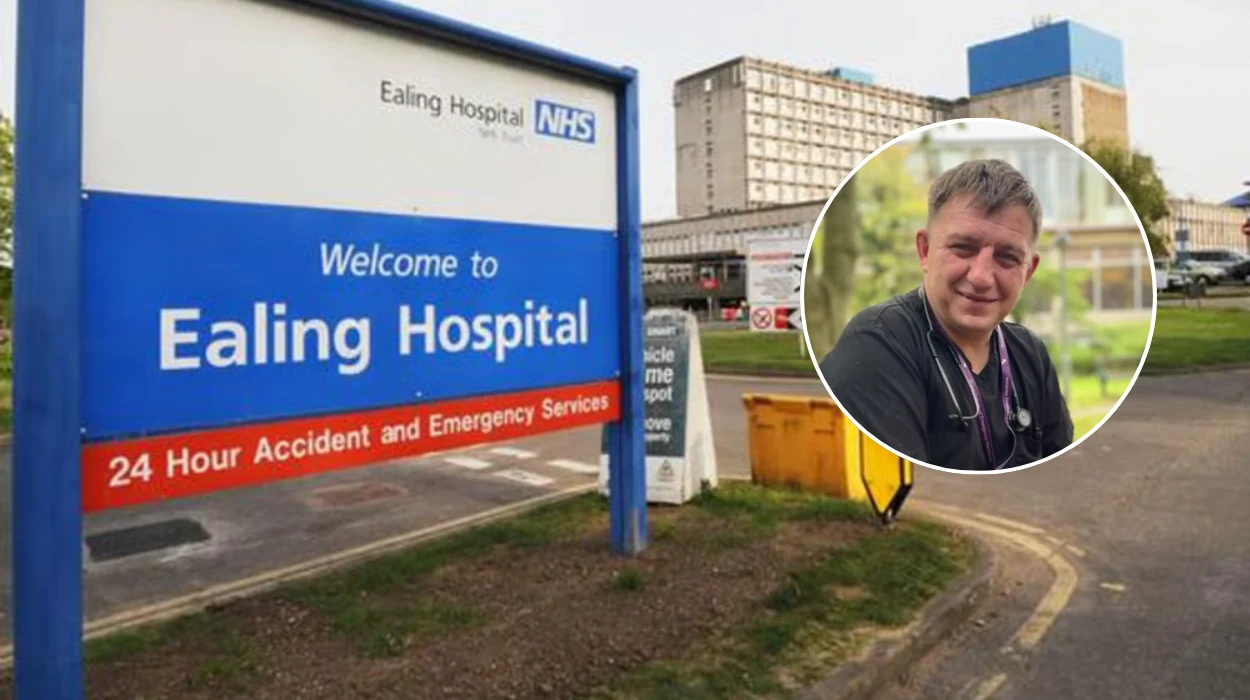
Ealing (Parliament Politics Magazine) – Army veteran James Spink launches a new support initiative at Ealing A&E, aiming to strengthen patient care, streamline assistance, and enhance frontline resilience.
Plans are being developed to enhance the way exigency services identify and help former service labor force, since they will be moving to Ealing Hospital starting the coming month (December 2025).
James Spink, a 37- year-old advanced care practitioner with London North West University Healthcare NHS Trust (LNWH), expects that his master’s- position quality enhancement design will affect an A&E clinic specifically for veterans.
He said:
“The idea is to set up a clinic where we can focus solely on veterans. There are a lot of us out there.”
Prior to doing two tours of Afghanistan, Mr. Spink served in Kosovo. He was responsible for protecting vital infrastructure, searching for homemade explosives, and providing battlefield medical assistance to soldiers.
An IED detonated beneath his automobile, severely injuring his spine and ending his military career. After being flown to the UK, he was informed that he was paralyzed below the waist.
Mr. Spink eventually regained the ability to walk following 17 months of rehabilitation and the use of a computerized leg brace.
Later on, he worked as a paramedic, flew critically ill patients with a medical evacuation team, and spent time at a rehabilitation facility where he had previously received treatment. After joining LNWH two years ago, Mr. Spink expressed his desire for “other veterans to get the same sort of help” that he was given.
How will the clinic identify and refer veterans with mental health needs?
Staff will use screening questions and patient history to flag individualities with military service as soon as they arrive in the A&E department. Veterans linked will be assessed by trained clinical staff familiar with stager-specific issues, including PTSD, depression, anxiety, and substance abuse.
The clinic will have established links with original internal health services specializing in stagers’ watch, icing nippy referrals for comforting, remedy, or psychiatric support as demanded. The approach involves coordinating with social workers, internal health clinicians, and expert support associations to give holistic care beyond immediate exigency treatment.
This acclimatized approach aims to bridge gaps in feting and addressing stagers’ internal health heads instantly in exigency settings, perfecting issues and reducing repeated crisis.