

British manufacturing investment is gaining real momentum in London as aerospace and advanced engineering attract fresh global capital in 2026.
Industry leaders say the renewed funding reflects growing confidence in the UK’s long term industrial strength.
For workers and investors alike, this surge signals a hopeful shift toward stability, innovation, and sustained growth.
London, United Kingdom, March 3, 2026 — According to Parliament News, that British manufacturing investment is gaining fresh momentum this year, signaling what many analysts describe as a defining chapter for the country’s industrial future. After years of economic turbulence, supply chain disruption, and cautious capital flows, investors are once again looking closely at Britain’s aerospace and advanced engineering sectors.
This renewed attention is not happening in isolation. Global demand for aircraft, defense systems, and high precision components is rising steadily. Airlines are modernizing fleets, governments are updating defense capabilities, and manufacturers are under pressure to produce lighter, more efficient systems. Within that environment, British manufacturing investment is emerging as a central theme in financial and industrial circles alike.
London remains the financial gateway through which much of this capital flows. From private equity firms to institutional investors and multinational corporations, the appetite for strategic industrial assets has clearly strengthened in 2026.
Aerospace at the Heart of Growth
The aerospace sector sits at the center of this surge. Britain has long been recognized for its engineering expertise, particularly in aircraft components, advanced materials, and high performance systems. That reputation continues to attract British manufacturing investment from both domestic and overseas sources.
Suppliers that once faced uncertainty are now expanding production lines, upgrading equipment, and hiring skilled engineers. Backlogs from major aircraft manufacturers are providing visibility that investors find reassuring. When companies can demonstrate steady demand for years ahead, capital tends to follow.
In practical terms, new funding is supporting automation, digital manufacturing systems, and research into environmentally sustainable technologies. This is not just about increasing output. It is about improving efficiency, reducing emissions, and staying competitive in a rapidly evolving industry.
Why Investors Are Returning
Several factors are driving the renewed wave of British manufacturing investment. First, global supply chains have been reassessed in recent years. Companies and governments now value resilience as much as cost efficiency. Localized production capacity is increasingly viewed as a strategic advantage.
Second, the UK continues to offer a stable regulatory framework and strong intellectual property protections. For investors seeking long term returns, predictability matters.
Third, valuations in parts of the manufacturing sector have become attractive relative to international peers. When combined with established engineering expertise, these conditions create compelling opportunities.
Importantly, investors are not simply chasing short term gains. Many see British manufacturing investment as a way to secure long horizon growth tied to structural demand in aerospace and advanced engineering.
Jobs, Skills, and Human Impact
Behind every announcement about capital flows are people whose livelihoods depend on industrial stability. British manufacturing investment has real world consequences for engineers, technicians, apprentices, and entire communities built around industrial clusters.
Factories expanding operations often invest in workforce development programs. Apprenticeships are revived. Training initiatives are funded. Partnerships with universities and technical colleges strengthen.
For younger workers, this resurgence offers renewed confidence in pursuing careers in engineering and advanced manufacturing. For experienced professionals, it provides stability in sectors that once faced uncertainty.
While deal headlines focus on numbers and valuations, the human element remains central. Sustainable industrial growth requires skilled workers who feel valued and supported.
Financial Markets Respond
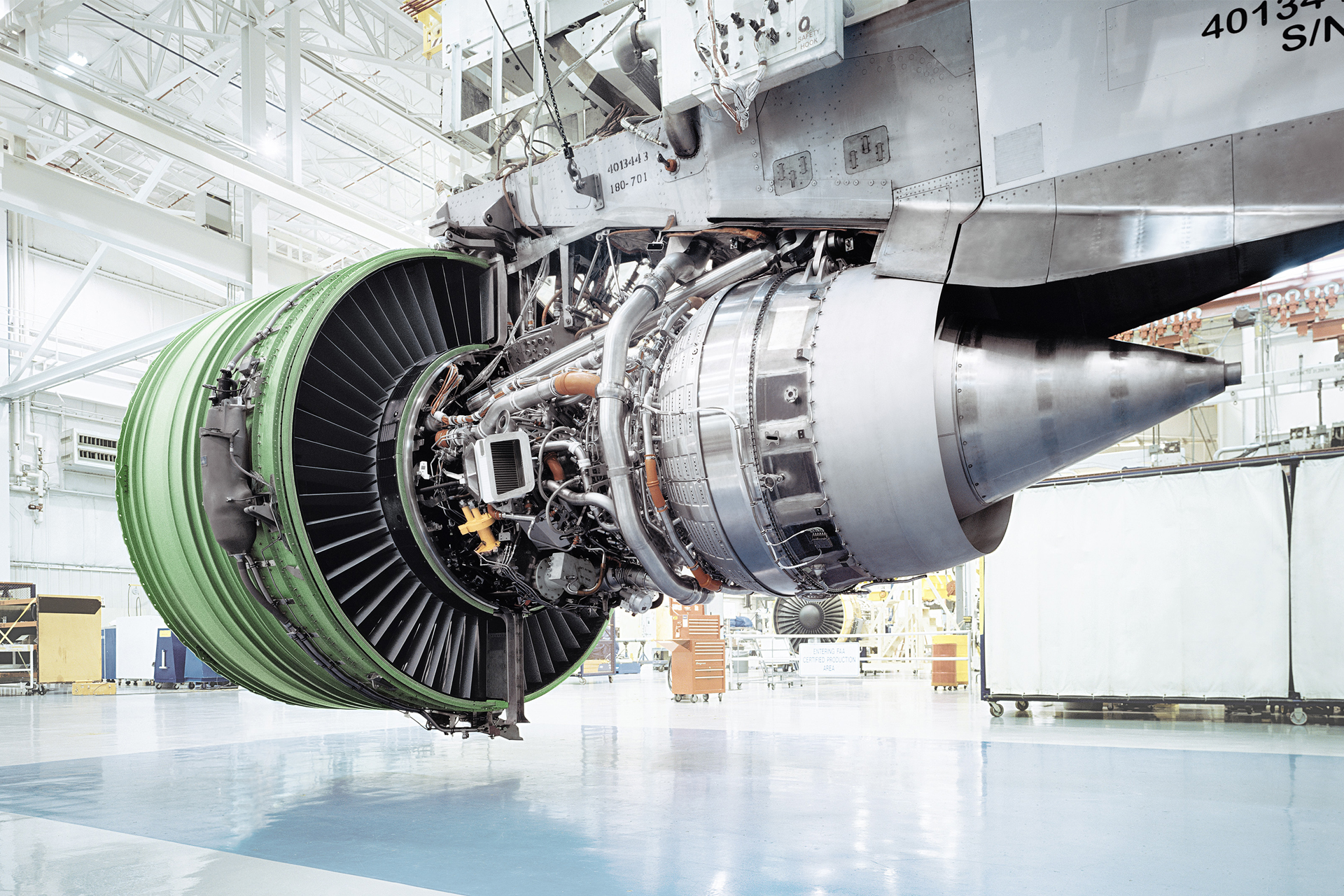
Equity markets have reacted positively to signs of increased British manufacturing investment. Shares of aerospace and engineering firms have experienced renewed interest as investors anticipate improved earnings potential.
Institutional investors are studying order books, production forecasts, and margin expansion opportunities. Analysts emphasize that long term value creation will depend on execution rather than speculation.
Still, the broader message from markets is clear. Confidence in Britain’s industrial base appears to be strengthening in 2026.
Balancing Opportunity and Oversight
As British manufacturing investment grows, regulatory oversight remains a key consideration. Aerospace and defense technologies are often tied to national security interests. The UK government maintains mechanisms to review acquisitions that may affect strategic assets.
These processes aim to balance openness to foreign capital with protection of critical capabilities. Clear guidelines can reduce uncertainty and encourage responsible investment.
Observers note that effective communication between regulators and investors will be essential to sustaining momentum. Stability in policy decisions can reinforce confidence at a time when global markets remain sensitive to geopolitical shifts.
Innovation Drives the Next Phase
Innovation lies at the core of sustained industrial growth. British manufacturing investment is increasingly directed toward companies pioneering lightweight materials, advanced propulsion systems, and digital production platforms.
Environmental standards are becoming stricter across aviation markets. Manufacturers must meet new efficiency targets while maintaining safety and performance. Capital allocation toward research and development enables firms to adapt and compete.
Automation and data analytics are also transforming factory floors. Smart manufacturing systems improve precision and reduce waste. Over time, these upgrades enhance productivity and profitability.
In many ways, the quality of investment matters as much as the quantity. Strategic funding that strengthens innovation capacity can generate benefits long after headlines fade.
A Historical Comparison of Industrial Renewal
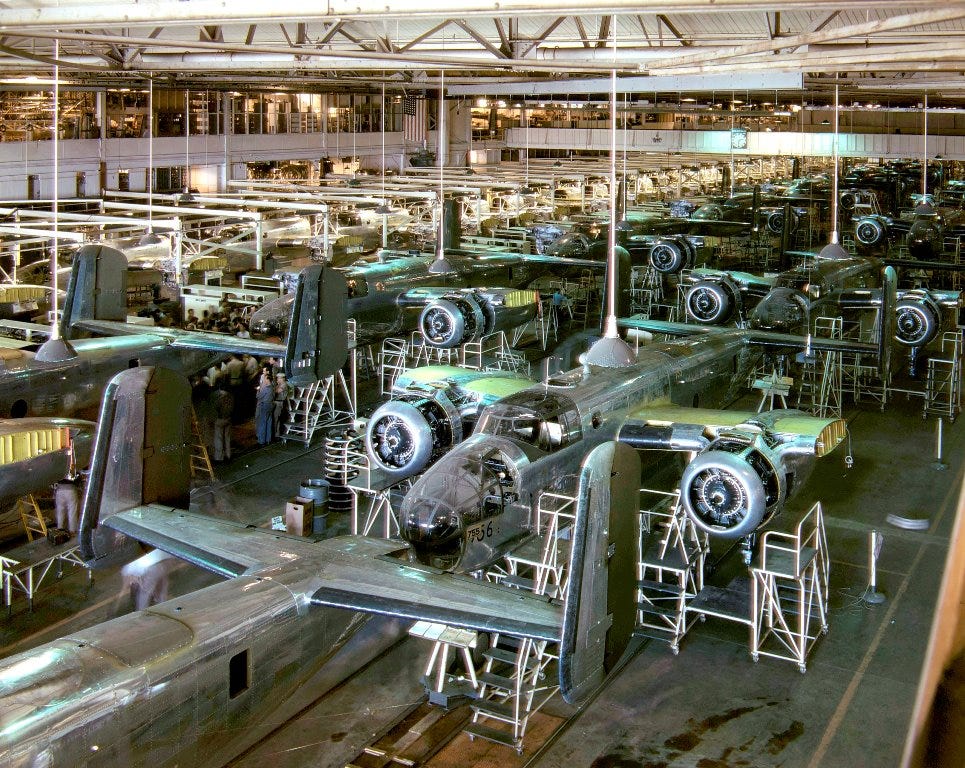
To understand the significance of the current moment, it helps to look back. Britain has experienced multiple waves of industrial transformation, from the Industrial Revolution to post war manufacturing expansion. Each period of renewal required adaptation, resilience, and capital commitment.
During the late twentieth century, parts of the manufacturing sector faced decline as globalization shifted production patterns. Industrial regions struggled with job losses and underinvestment. Yet history shows that reinvention is possible when expertise and funding converge.
Today’s wave of British manufacturing investment echoes earlier eras when strategic industries were rebuilt through innovation and determination. The difference now lies in technology driven production, environmental considerations, and globalized supply chains. The historical lesson remains consistent. Sustainable growth depends on forward looking leadership and consistent support.
One Industry Voice Speaks
Industry leaders are cautiously optimistic. One senior aerospace executive recently noted,
“The renewed confidence we are seeing through British manufacturing investment reflects belief in our engineers, our technology, and our ability to compete globally.”
That sentiment captures the broader mood. Investors are not merely acquiring assets. They are expressing faith in Britain’s industrial capabilities and workforce.
Such confidence, however, must be maintained through responsible management and long term planning. Quick gains rarely translate into enduring success without disciplined execution.
Regional Growth Beyond the Capital
While London serves as the financial hub, manufacturing activity stretches far beyond the capital. Industrial clusters in the Midlands, northern England, Scotland, and Wales play essential roles in aerospace and engineering supply chains.
British manufacturing investment often flows into these regions through facility upgrades, new production lines, and expanded research centers. Local economies benefit when global capital supports domestic expertise.
Regional leaders are advocating for infrastructure improvements and targeted incentives to ensure that growth remains balanced across the country. When investment reaches diverse communities, economic resilience strengthens nationwide.
Challenges That Remain
Despite encouraging signs, challenges persist. Global economic uncertainty can influence demand for aircraft and industrial equipment. Interest rate fluctuations may affect financing conditions.
Integration risks also accompany acquisitions. Aligning corporate cultures, managing supply chains, and meeting regulatory standards require careful planning.
Analysts caution that British manufacturing investment must remain disciplined. Sustainable returns depend on operational excellence, not just headline announcements.
The Broader Economic Picture in 2026
In 2026, the global economy continues to navigate shifting trade relationships and evolving geopolitical dynamics. Within that landscape, industrial stability carries strategic importance.
British manufacturing investment contributes to export capacity, technological advancement, and economic diversification. Strong industrial sectors can cushion broader economic fluctuations.
Moreover, advanced manufacturing supports innovation ecosystems that extend into research institutions and startup communities. The ripple effects of sustained investment often spread far beyond factory walls.
Long Term Outlook
Looking ahead, forecasts suggest that British manufacturing investment could remain steady if production backlogs hold and policy environments stay predictable. Aerospace demand is expected to continue expanding, particularly in emerging markets.
The key question is whether current momentum can translate into durable competitiveness. Investment must be paired with workforce development, infrastructure upgrades, and continuous innovation.
If these elements align, Britain may solidify its position as a leader in advanced aerospace and engineering manufacturing.
The Quiet Confidence Behind the Numbers
Beyond statistics and financial metrics lies a quieter story. Engineers returning to upgraded workshops. Apprentices learning advanced machining techniques. Communities seeing renewed activity in long standing industrial sites.
British manufacturing investment in 2026 is not simply about capital allocation. It represents a renewed belief in the country’s ability to design, build, and compete at the highest levels of global industry.
The coming years will test whether that belief translates into sustained growth. For now, the signs point toward cautious optimism.
In an era defined by rapid technological change and economic uncertainty, the steady rise of British manufacturing investment offers something tangible. It signals that even in a complex global landscape, industrial renewal remains possible when expertise, capital, and long term vision converge.