
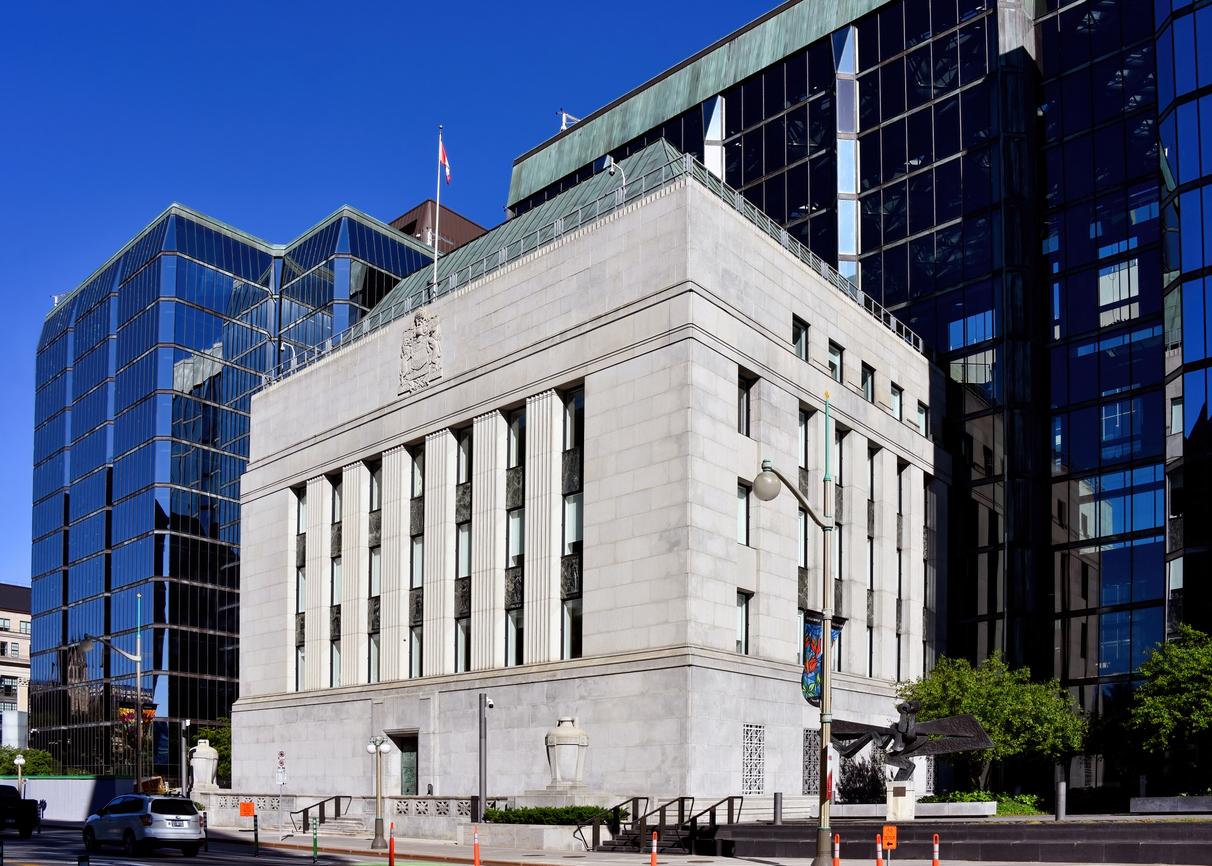
OTTAWA, Canada, June 18 (Parliament Politics Magazine) – Canadian dollar slipped to a 14-month low after widening bond yield spreads increased demand for U.S. dollar assets. The Canadian dollar weakened as investors responded to higher U.S. Treasury yields and expectations that interest rate differences could remain elevated. Market participants also continued monitoring global economic conditions and commodity prices for additional direction.
“Yield spreads remain one of the most influential drivers of currency markets,”
a foreign exchange strategist said.
Bond Yield Gap Pressures the Canadian Dollar
The latest decline in the Canadian dollar reflects the widening difference between Canadian and U.S. government bond yields. Higher returns on U.S. bonds have encouraged investors to move capital into American assets, placing additional pressure on the Canadian dollar.
“Interest-rate expectations continue to shape investor decisions across global currency markets,” an economist noted.
Market Focus Turns to Economic Data
Upcoming inflation, employment and economic growth reports are expected to influence the next move in the Canadian dollar. Investors are watching closely for signals that could affect future monetary policy decisions by the Bank of Canada and the U.S. Federal Reserve.
“Economic data over the coming weeks will likely determine the direction of major currencies,”
another market analyst said.
History of the Canadian Dollar
The Canadian dollar has historically been influenced by commodity prices, particularly crude oil, and by changes in interest-rate expectations. Previous periods of widening yield spreads have also contributed to weakness in the Canadian dollar, demonstrating how closely Canada’s currency is linked to monetary policy and international capital flows.
What Investors Are Watching Next
The Canadian dollar is expected to remain sensitive to bond market movements, inflation reports and central bank guidance. Analysts say the Canadian dollar could continue experiencing volatility if yield spreads remain wide, while stronger domestic economic data could provide support in the months ahead.