China regional influence is expanding rapidly in 2026 as Beijing strengthens economic, diplomatic, and military partnerships across Asia and beyond.
Governments worldwide are closely monitoring China’s growing role in trade routes, infrastructure investment, and regional security strategies.
Analysts say China’s influence could reshape global alliances, economic systems, and geopolitical competition during the coming decade.
BEIJING, China (Parliament Politics Magazine) China regional influence continues expanding throughout Asia and global markets as Beijing strengthens diplomatic ties, economic partnerships, and strategic investments during a period of rising geopolitical competition.
China’s growing presence across infrastructure development, trade agreements, technology investment, and regional security initiatives is reshaping the balance of power throughout the Indo-Pacific region.
Governments worldwide are increasingly evaluating how China’s long-term strategy may affect global commerce, defense cooperation, energy security, and international alliances.
“China’s influence is no longer limited to trade alone. It now impacts diplomacy, technology, infrastructure, and regional security across multiple continents,”
geopolitical analyst Michael Tan said.
The expansion comes as several nations attempt to balance economic cooperation with growing strategic concerns surrounding regional stability.
Economic Partnerships Strengthen China’s Position
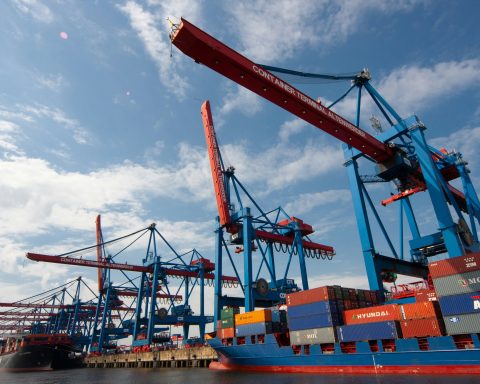
The rapid growth of China regional influence is closely tied to Beijing’s expanding economic relationships across Asia, Africa, the Middle East, and parts of Europe.
China continues investing heavily in:
- Infrastructure development
- Transportation networks
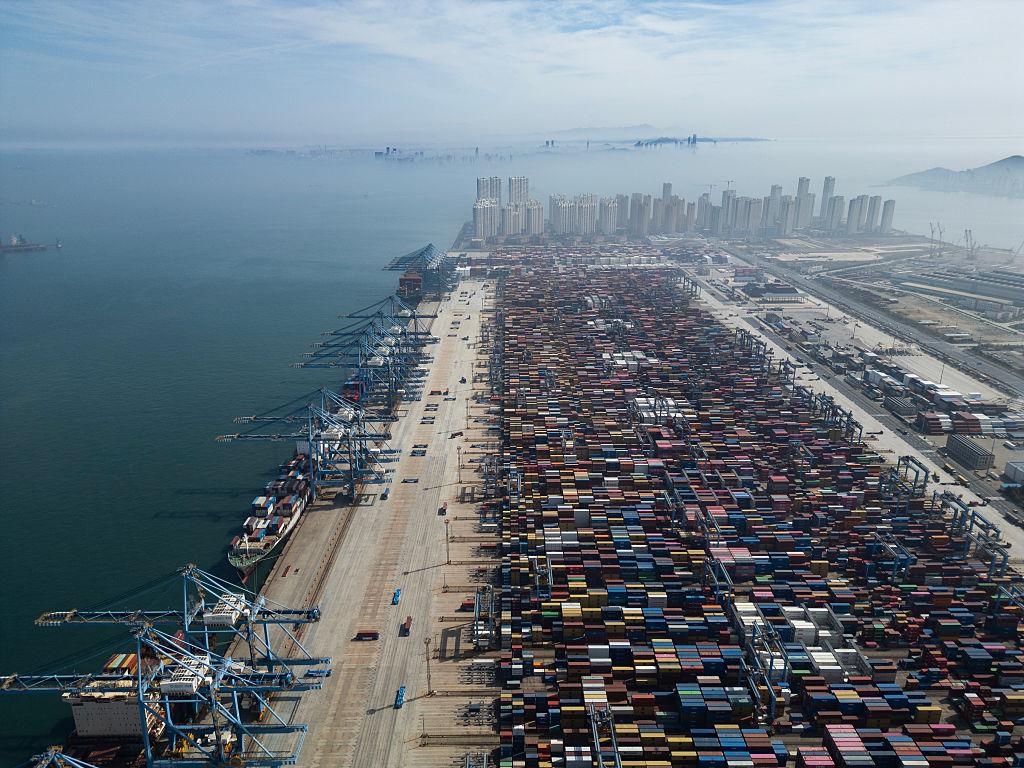
- Port construction
- Energy projects
- Manufacturing partnerships
- Technology expansion
Many developing nations increasingly rely on Chinese investment and financing to support long-term economic growth initiatives.
China’s role as a major manufacturing and export power also continues strengthening its position within global supply chains.
Several analysts believe economic dependence remains one of Beijing’s strongest geopolitical tools.
Indo-Pacific Strategy Intensifies Global Competition
The expansion of China regional influence remains central to growing geopolitical competition across the Indo-Pacific region.
Regional concerns continue involving:
- Maritime disputes
- Military modernization
- Trade route security
- Taiwan tensions
- Strategic naval operations
The United States and several regional allies have responded by increasing military cooperation, defense partnerships, and diplomatic engagement throughout Asia.
At the same time, many countries continue maintaining strong economic ties with China despite rising security concerns.
That balance continues shaping diplomatic strategy across the region.
A regional security advisor stated:
“Nations across Asia are trying to manage economic dependence on China while protecting strategic independence.”
That challenge remains one of the defining geopolitical issues of 2026.
Belt and Road Initiative Continues Expanding
One of the largest drivers of China regional influence remains the Belt and Road Initiative, which continues funding infrastructure projects worldwide.
The initiative focuses on:
- Rail systems
- Highways
- Ports
- Energy pipelines
- Telecommunications networks
- Industrial development projects
Supporters argue these investments improve connectivity and economic growth for participating nations.
Critics, however, warn that some countries may face long-term debt risks and increased dependence on Beijing.
Despite criticism, China continues expanding its infrastructure footprint globally.
Historical Evolution of China Regional Influence
Historical Cycles of China’s Regional Expansion
| Year | Major Development | Strategic Impact | Long-Term Effect |
|---|---|---|---|
| 1978 | Economic reform era begins | Rapid industrial growth | Global trade expansion |
| 2001 | China joins WTO | Export dominance accelerates | Manufacturing leadership rises |
| 2013 | Belt and Road Initiative launches | Infrastructure diplomacy expands | Global influence increases |
| 2020 | Technology and trade tensions intensify | Geopolitical competition grows | Strategic alliances shift |
| 2024 | Indo-Pacific rivalry deepens | Regional military coordination rises | Security concerns increase |
| 2026 | China regional influence expands | Economic and diplomatic reach grows | Global power balance evolves |
China’s rise over recent decades has transformed the country into one of the world’s most influential economic and geopolitical powers.
Technology Competition Drives Strategic Rivalries
Technology leadership has become a major factor behind the expansion of China regional influence.
China continues increasing investment in:
- Artificial intelligence
- Semiconductor manufacturing
- Telecommunications systems
- Electric vehicle production
- Renewable energy technology
Competition over advanced technologies is increasingly shaping trade policy, national security planning, and international investment decisions.
Several governments remain concerned about technology dependence and cybersecurity vulnerabilities linked to global supply chains.
China Regional Influence
| Category | Key Detail |
|---|---|
| Strategic Focus | Economic and Diplomatic Expansion |
| Key Regions | Asia, Africa, Middle East |
| Main Investment Areas | Infrastructure and Technology |
| Geopolitical Concern | Indo-Pacific Security |
| Location | Beijing, China |
| Year | 2026 |
| Economic Strategy | Trade and Manufacturing Growth |
| Security Focus | Maritime and Military Presence |
| Global Impact | Expanding International Influence |
Military Modernization Continues Expanding
The rise of China regional influence is also connected to the country’s military modernization efforts.
China continues investing in:
- Naval expansion
- Missile systems
- Cybersecurity operations
- Space technologies
- Artificial intelligence defense systems
Regional governments and international defense analysts closely monitor these developments as security dynamics evolve across Asia.
Military growth remains a major factor influencing strategic alliances involving the United States, Japan, India, Australia, and other regional powers.
Trade Routes and Energy Security Remain Critical
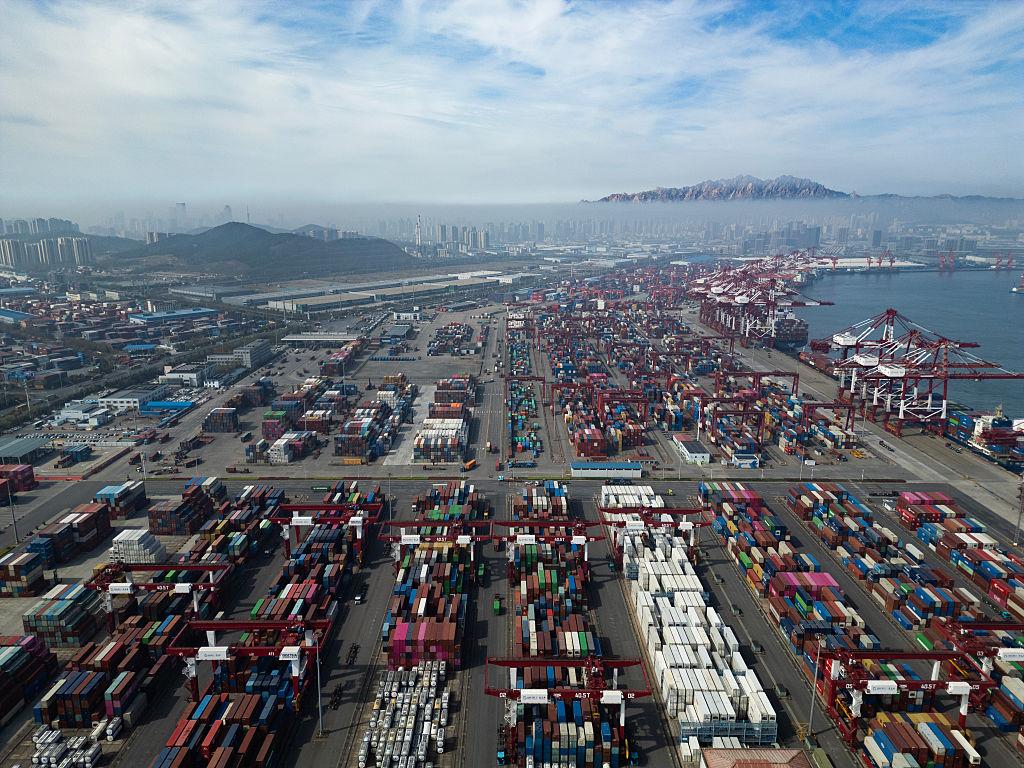
Trade routes and energy transportation systems are becoming increasingly important within discussions surrounding China regional influence.
China remains heavily focused on securing:
- Shipping lanes
- Energy imports
- Industrial supply chains
- Strategic mineral access
The country’s expanding maritime presence reflects broader efforts to protect long-term economic interests and reduce vulnerability to global disruptions.
Analysts say future geopolitical competition may increasingly center around trade infrastructure and resource access.
A global trade strategist commented:
“Economic influence and geopolitical influence are becoming nearly impossible to separate in modern international relations.”
That reality continues shaping global policy decisions.
Diplomatic Strategy Balances Competition and Cooperation
Despite growing competition with Western nations, China continues promoting diplomatic partnerships and economic cooperation with countries worldwide.
The expansion of China regional influence includes:
- Trade agreements
- Bilateral investment partnerships
- Educational exchanges
- Energy cooperation
- Infrastructure financing
Several nations continue pursuing balanced relationships with both China and Western powers to maximize economic opportunities.
This strategy reflects the increasingly complex nature of modern global diplomacy.
Challenges Facing China’s Global Expansion
While China’s international influence continues growing, several challenges remain.
Potential concerns include:
- Economic slowdown risks
- Debt concerns in partner nations
- Regional security tensions
- Trade disputes
- Demographic pressures
- Technology restrictions
International analysts say China’s long-term success may depend on balancing economic growth with geopolitical stability.
The ability to maintain strong trade partnerships while reducing international tensions remains critical.