Global recession fears are rising sharply in 2026 as slowing economic growth, inflation pressures, and debt concerns impact financial markets worldwide.
Governments and central banks are closely monitoring trade weakness, energy costs, and declining consumer confidence across major economies.
Analysts warn that continued instability could increase risks for businesses, investors, and emerging markets during the coming months.
WASHINGTON, United States (Parliament Politics Magazine) global recession fears are intensifying throughout international financial markets as investors, economists, and policymakers respond to slowing growth, inflation pressures, debt concerns, and weakening trade activity across several major economies.
Recent economic data from multiple regions has increased concerns that the world economy may be entering a prolonged period of instability following years of inflation shocks, aggressive interest rate increases, supply chain disruptions, and geopolitical uncertainty.
Analysts say governments and central banks are now attempting to balance economic stabilization efforts while avoiding policies that could deepen financial weakness.
“The global economy is facing simultaneous pressures from inflation, debt, and slowing growth, creating one of the most difficult financial environments in years,”
economist Laura Mitchell said.
The growing concern surrounding economic conditions is also increasing volatility across stock markets, currency markets, and international trade sectors.
Slowing Growth Raises Economic Concerns Worldwide
The expansion of global recession fears reflects growing evidence that several economies are experiencing slower growth momentum than expected.
Economic concerns continue involving:
- Weak manufacturing activity
- Declining exports
- Slower consumer spending
- Reduced business investment
- Housing market weakness
- Lower industrial output
Several international financial institutions have already revised growth forecasts downward amid concerns that prolonged high interest rates may continue limiting economic activity.
Analysts warn that slowing global demand could place additional pressure on emerging markets dependent on exports and international investment flows.
Inflation and Interest Rates Remain Major Risks
Persistent inflation remains one of the largest drivers behind rising global recession fears.
Although inflation has cooled in some regions compared to previous highs, many economies continue struggling with elevated costs involving:
- Housing
- Food prices
- Energy expenses
- Transportation
- Healthcare services
Central banks have maintained tighter monetary policies in an effort to stabilize inflation, but higher borrowing costs are increasingly affecting consumers and businesses.
Several economists worry that prolonged high interest rates could weaken labor markets and reduce economic growth further.
A global investment strategist stated:
“The challenge for central banks is controlling inflation without pushing fragile economies into recession.”
That balance continues shaping global monetary policy decisions.
Financial Markets Respond to Economic Uncertainty
The increase in global recession fears is contributing to heightened volatility across international financial markets.
Investors continue monitoring:
- Stock market declines
- Bond market movements
- Currency fluctuations
- Commodity price instability
- Corporate earnings reports
Concerns surrounding economic slowdown risks have also increased demand for defensive investments and safer financial assets.
Some market analysts believe investors may remain cautious until there is clearer evidence that inflation and interest rate pressures are stabilizing.
Historical Evolution of Global Recession Cycles
Historical Cycles of Global Economic Recessions
| Year | Major Economic Event | Global Impact | Long-Term Effect |
|---|---|---|---|
| 1997 | Asian financial crisis | Currency instability spreads | Regional economic reforms |
| 2001 | Dot-com market collapse | Global investment slowdown | Technology sector restructuring |
| 2008 | Global financial crisis | Banking system collapse | Regulatory expansion |
| 2020 | Pandemic economic shutdown | Historic global contraction | Massive stimulus programs |
| 2022 | Inflation and energy shock | Central bank tightening | Borrowing costs surge |
| 2026 | Global recession fears rise | Growth concerns intensify | Financial stability risks increase |
Economic downturn cycles often emerge when multiple financial pressures converge simultaneously across major economies.
Energy Prices Continue Impacting Global Economies
The rise of global recession fears is also linked to ongoing volatility within energy markets.
Several economies continue facing pressure from:
- Oil price fluctuations
- Natural gas supply concerns
- Electricity costs
- Industrial energy expenses
Energy instability remains particularly important for manufacturing-heavy economies and countries dependent on imported fuel supplies.
Analysts say geopolitical tensions and supply disruptions could quickly intensify inflationary pressure if energy markets become more unstable during the second half of 2026.
Global Recession Fears
| Category | Key Detail |
|---|---|
| Main Concern | Economic Slowdown |
| Key Drivers | Inflation, Debt, High Interest Rates |
| Affected Areas | Global Financial Markets |
| Major Risk | Weak Consumer Demand |
| Location Focus | Worldwide |
| Year | 2026 |
| Market Impact | Increased Volatility |
| Central Bank Concern | Balancing Growth and Inflation |
| Investor Focus | Recession Risk Management |
Global Trade Activity Shows Signs of Weakness
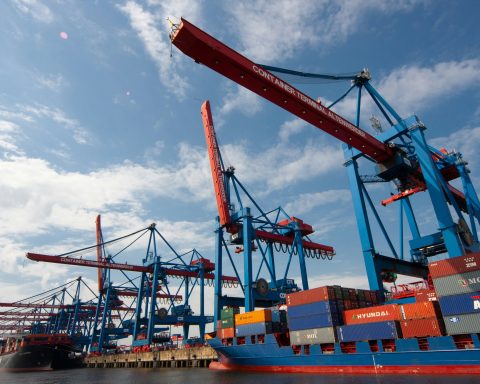
International trade activity is another major factor fueling global recession fears.
Several sectors continue experiencing:
- Lower shipping demand
- Reduced manufacturing orders
- Slower export activity
- Supply chain disruptions
Weakening trade volumes may signal declining business activity and softer consumer demand globally.
Countries dependent on exports and industrial manufacturing remain particularly vulnerable if global demand continues slowing.
Analysts believe trade performance during the remainder of 2026 may become a key indicator of future economic direction.
Debt Levels Continue Increasing Worldwide
Rising global debt levels are adding further pressure to economic stability.
The expansion of global recession fears is partly connected to concerns surrounding:
- Government borrowing
- Corporate debt exposure
- Household financial strain
Higher interest rates have increased repayment costs for both governments and private borrowers.
Several developing economies remain especially vulnerable because of weaker currencies and rising debt servicing obligations.
A sovereign debt expert commented:
“High debt combined with slower growth creates dangerous financial conditions for many economies.”
That risk continues influencing global financial policy discussions.
Labor Markets and Consumer Confidence Face Pressure
Consumer spending and labor market performance remain critical economic indicators tied to global recession fears.
Some regions are beginning to show signs involving:
- Slower hiring activity
- Reduced job openings
- Lower retail spending
- Weak consumer confidence
Economists say sustained declines in employment or spending could significantly accelerate broader recession risks.
Businesses are also becoming more cautious about expansion plans amid uncertainty surrounding future economic conditions.

Governments and Central Banks Monitor Conditions Closely
Governments worldwide continue monitoring the expansion of global recession fears while attempting to maintain financial stability.
Key policy discussions involve:
- Interest rate adjustments
- Infrastructure spending
- Trade policy changes
- Financial market support measures
Several analysts believe coordinated global action may become increasingly important if economic conditions worsen during 2026.
The challenge for policymakers remains balancing inflation control with economic growth protection.