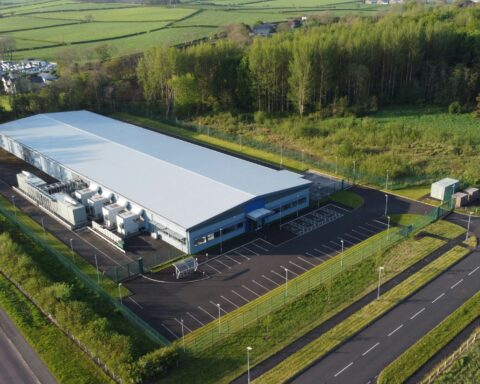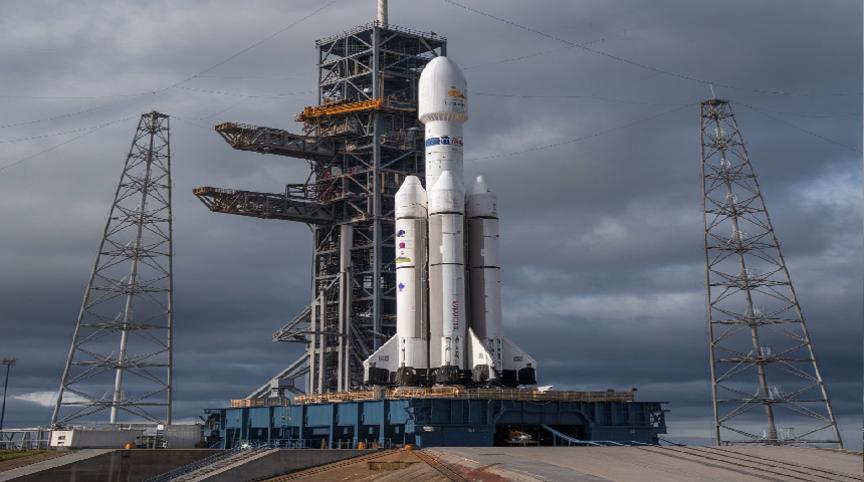
CAPE CANAVERAL, Florida (Parliament Politics Magazine) commercial space industry leaders are closely monitoring recent developments following launch infrastructure damage at Blue Origin’s Florida facility, a situation that highlights both the opportunities and challenges facing private space companies. While demand for launches, satellite deployments, and lunar exploration missions continues to increase, the latest incident serves as a reminder that spaceflight remains one of the world’s most complex industries.
The rapid expansion of private aerospace companies has transformed how governments, businesses, and consumers access space-based technologies. Today, the commercial space industry plays a critical role in communications, navigation, weather forecasting, defense operations, scientific research, and emerging space exploration initiatives.
“The future of space exploration increasingly depends on the resilience and innovation of private industry.”
Private Launch Providers Continue Expanding Operations
Over the past decade, the commercial space industry has evolved from a niche sector into a major component of the global economy. Companies such as Blue Origin, SpaceX, Rocket Lab, and others have increased launch frequency while developing new technologies designed to reduce costs and improve reliability.
Private launch providers are now supporting missions that were once handled exclusively by government agencies. These companies transport satellites into orbit, deliver cargo to space destinations, and contribute to long-term exploration goals.
As market demand continues growing, the commercial space industry remains focused on expanding launch capabilities and strengthening operational infrastructure.
Infrastructure Reliability Remains a Key Concern
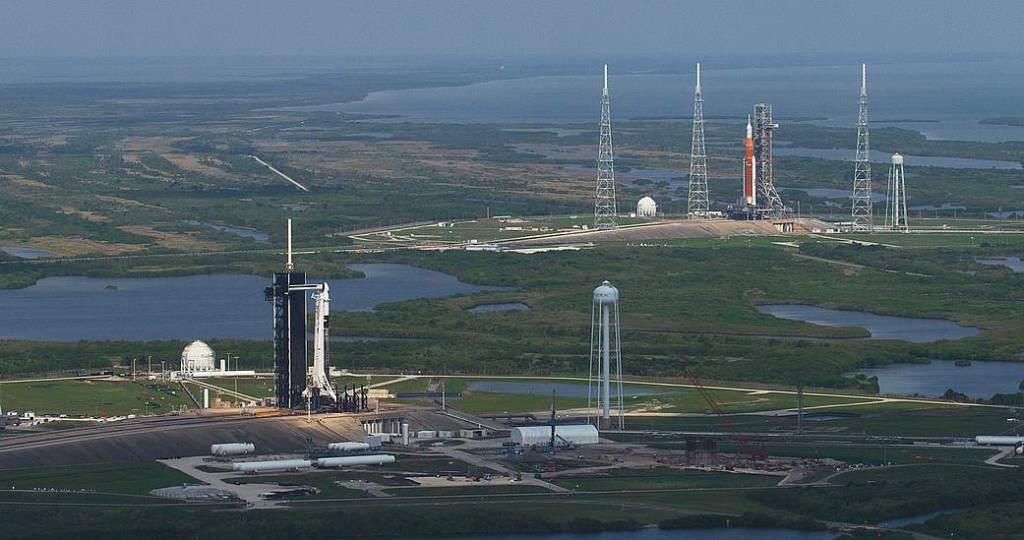
Recent events in Florida demonstrate the importance of maintaining robust launch facilities. Modern spaceports represent highly sophisticated engineering environments that require extensive maintenance, testing, and safety oversight.
The latest challenges facing Blue Origin highlight how infrastructure disruptions can affect launch schedules and customer planning. Despite these setbacks, analysts note that infrastructure investments remain a central priority throughout the commercial space industry.
Companies are increasingly investing in upgraded launch complexes, advanced safety systems, and expanded operational capacity to support future growth.
Satellite Deployment Drives Market Expansion
One of the strongest growth drivers within the commercial space industry remains satellite deployment. Organizations around the world continue launching satellites to improve broadband connectivity, communications networks, Earth observation capabilities, and navigation systems.
The expansion of satellite constellations has created significant demand for reliable launch services. Private aerospace companies are responding by increasing launch frequency and developing new vehicle technologies capable of supporting larger deployment schedules.
Industry experts expect satellite demand to remain a major contributor to long-term market growth throughout the remainder of the decade.
“Space-based infrastructure is becoming as important to modern economies as roads, airports, and power grids.”
Government Partnerships Strengthen Industry Growth
Government agencies continue playing an important role in supporting the commercial space industry through contracts, partnerships, and research initiatives.
NASA’s collaboration with private companies has accelerated innovation while helping reduce mission costs. Similar partnerships are emerging internationally as governments seek to leverage private-sector expertise.
These relationships create opportunities for aerospace companies while supporting broader exploration objectives. Many analysts believe public-private cooperation will remain essential for future lunar missions, deep-space exploration projects, and advanced satellite programs.
Lunar Exploration Creates New Opportunities
Interest in lunar exploration has increased significantly during recent years. Multiple organizations are developing technologies designed to support future missions involving cargo transport, scientific research, and long-term habitation.
The growing focus on lunar activities has created additional momentum throughout the commercial space industry. Companies are investing in spacecraft, landing systems, propulsion technologies, and supporting infrastructure intended for future moon missions.
As governments and private organizations expand exploration efforts, industry participants anticipate new business opportunities emerging throughout the space economy.
Historical Development of Private Spaceflight
The history of the commercial space industry reflects decades of technological advancement and entrepreneurial ambition. During the early years of space exploration, government agencies dominated launch activities and mission planning.
The emergence of private aerospace firms during the late twentieth century gradually transformed the sector. By the early 2000s, commercial companies began demonstrating the ability to develop launch systems capable of competing in the global marketplace.
Over time, declining launch costs and technological innovation expanded access to space. Today’s industry supports a wide range of activities, from satellite deployment to human spaceflight and lunar exploration initiatives.
Investment Activity Remains Strong
Despite occasional setbacks, investors continue showing confidence in the long-term potential of the commercial space industry. Venture capital firms, institutional investors, and major corporations have committed billions of dollars toward aerospace development.
Funding is supporting advancements in launch systems, satellite technologies, propulsion research, robotics, and space infrastructure. Industry leaders argue that these investments are necessary to meet growing demand for space-based services.
The continued flow of capital suggests investors remain optimistic about future growth opportunities across the sector.
Competitive Landscape Continues to Evolve
Competition remains intense as companies seek to establish leadership positions within the commercial space industry. Launch reliability, operational efficiency, pricing strategies, and technological innovation have become major differentiators.
Organizations are continuously developing new solutions designed to improve performance while reducing costs. This competitive environment benefits customers by encouraging innovation and expanding service availability.
Industry observers expect competition to intensify further as new entrants pursue opportunities within the expanding global space economy.
Future Outlook for the Space Economy
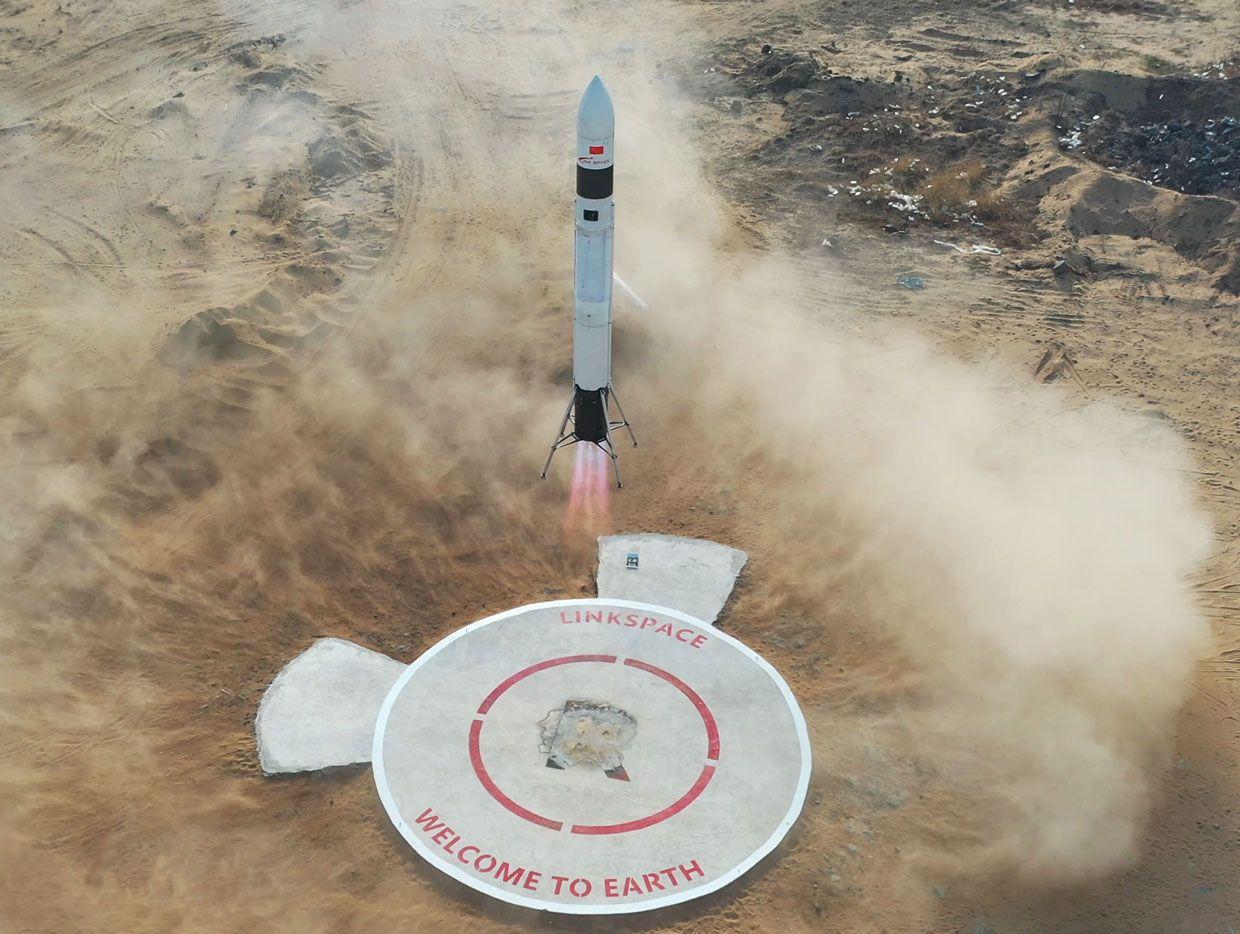
Analysts expect the commercial space industry to continue growing throughout 2026 and beyond. Increasing demand for satellite services, communications infrastructure, scientific research, and exploration missions is expected to support ongoing expansion.
Although challenges such as launch delays, infrastructure repairs, and regulatory requirements remain important considerations, long-term growth prospects remain positive. Companies continue investing in technologies that could redefine access to space during the coming decades.
The next phase of industry development will likely be shaped by innovation, competition, and expanding collaboration between governments and private organizations.