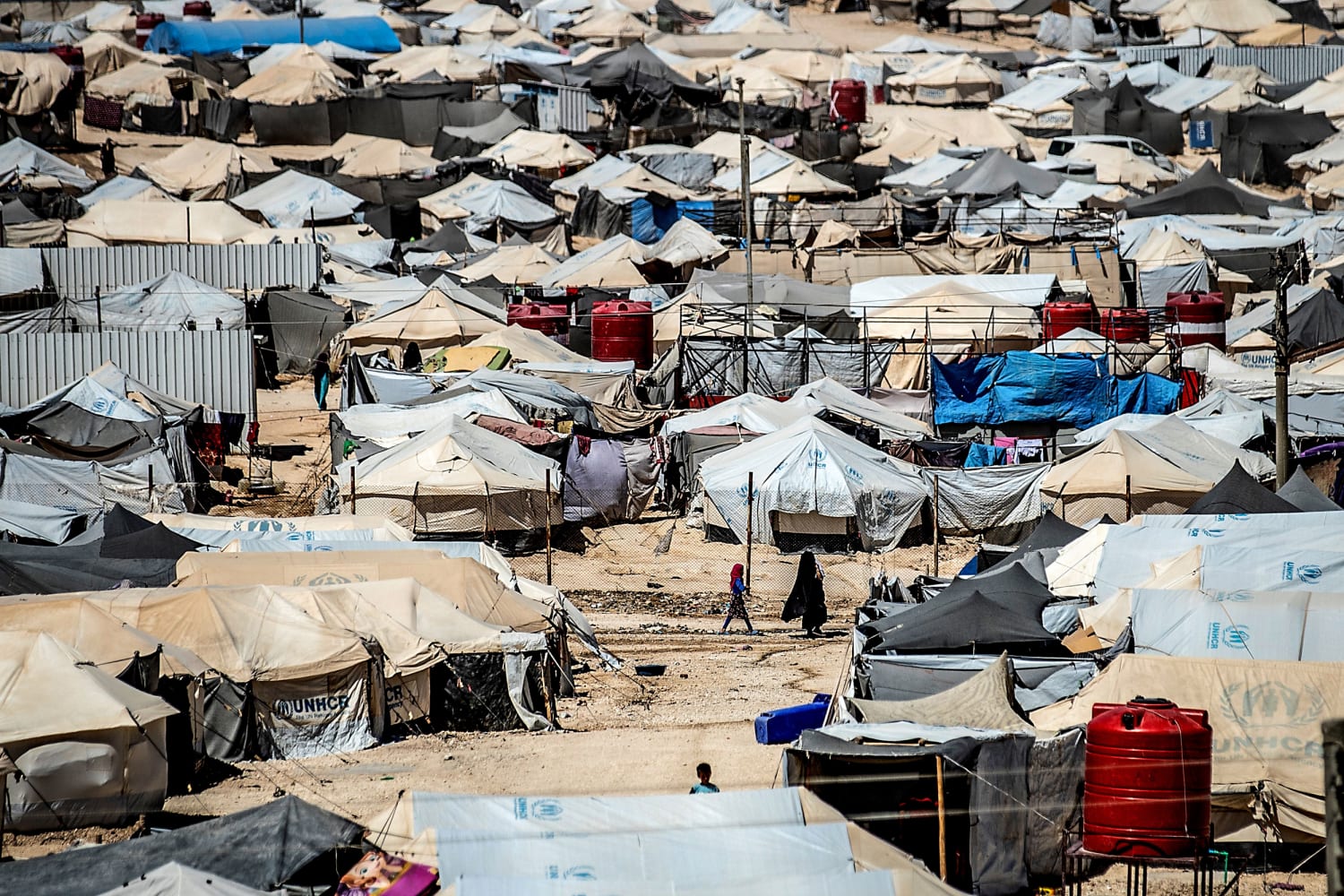
Syria — January 2026. According to parliament news that international attention has once again turned toward the sprawling detention and humanitarian site after a displacement camp incident resulted in one death, underscoring the fragile balance between security enforcement and civilian protection inside one of the world’s most complex camps.
The fatal shooting occurred during a security operation inside the camp, according to local sources and aid workers. While access remains restricted and official statements limited, the incident has amplified long-standing concerns about safety, accountability, and the absence of long-term solutions for tens of thousands of residents.
A Camp That Defies Conventional Labels
Al Hol was originally established as an emergency shelter for civilians fleeing violence. Over time, however, it has evolved into something far more complicated. Today, the camp functions simultaneously as a displacement site, a detention environment, and a containment zone for individuals suspected of extremist affiliation.
This hybrid status has created structural tensions that surface whenever a displacement camp incident occurs. Humanitarian actors operate alongside armed security forces, each with fundamentally different mandates, yet both working within the same overcrowded and under-resourced space.
What Is Known About the Latest Shooting
Witnesses inside the camp said the shooting happened during a late-evening operation aimed at detaining individuals suspected of enforcing underground rules tied to extremist ideology. Gunfire erupted in a densely populated section, triggering panic among nearby families.
Aid workers stress that transparency is crucial following any displacement camp incident, warning that confusion and rumor can quickly destabilize an already tense environment where fear spreads faster than verified information.
Security Enforcement Under Pressure
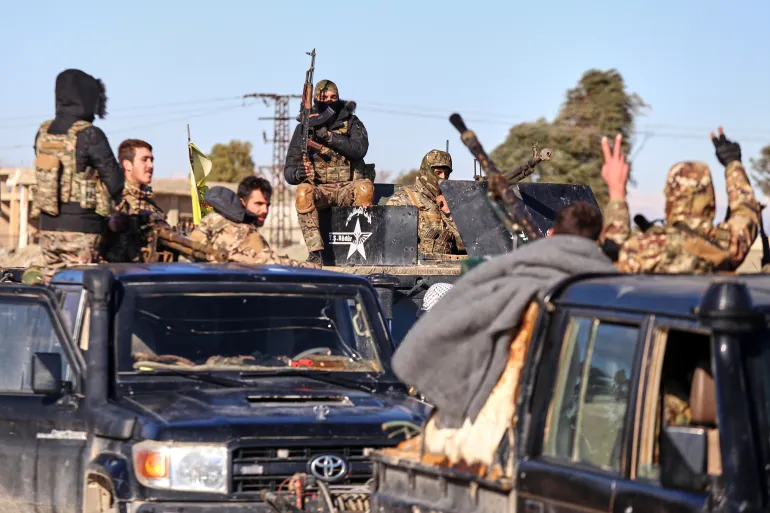
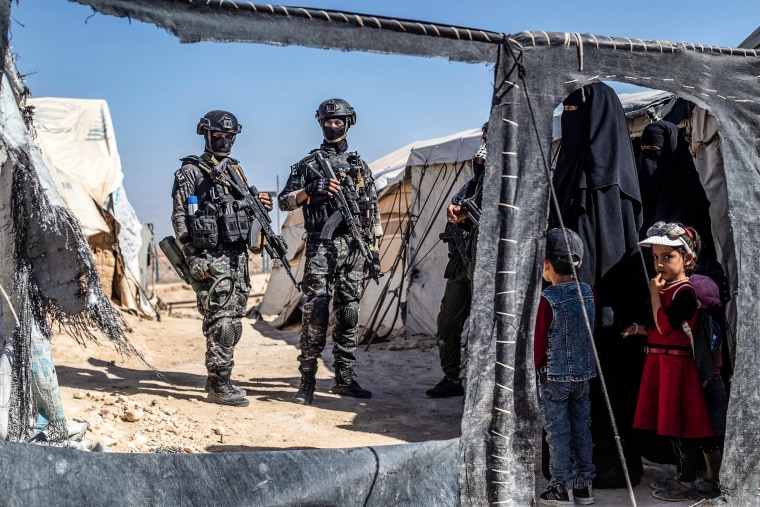
Security within Al Hol is overseen by the Syrian Democratic Forces, who maintain that robust enforcement is necessary to counter ongoing threats. Patrols, checkpoints, and targeted raids are routine features of camp life.
Yet rights advocates argue that repeated displacement camp incident cases suggest current security approaches may be reaching their limits, particularly in civilian-dense settings where escalation risks are high.
Extremist Networks Still Shape the Camp’s Reality
Despite the territorial defeat of extremist groups, ideological influence persists inside Al Hol. Individuals linked to Islamic State are believed to operate covertly, enforcing strict rules and intimidating residents.
Analysts say this hidden presence creates conditions where even routine security actions can trigger a displacement camp incident, as confrontations unfold in confined spaces filled with vulnerable civilians.
Daily Life Under Constant Tension
For residents, daily life is defined by uncertainty. While basic services function, movement is restricted and security operations are unpredictable. Children grow up surrounded by fences, guards, and the constant hum of surveillance.
Community leaders warn that each displacement camp incident deepens psychological strain and reinforces a sense of abandonment among residents who see no clear path toward resolution.
Humanitarian Groups Warn of Deepening Crisis
Aid organizations operating in and around Al Hol have repeatedly raised alarms about deteriorating conditions. Overcrowding, inadequate healthcare, and chronic underfunding leave the population vulnerable even without violence.
Humanitarian officials say every displacement camp incident highlights the consequences of prolonged international inaction and the failure to transition from emergency containment to durable solutions.
Global Attention Returns to an Unresolved Problem
Al Hol houses foreign nationals from dozens of countries, making it a global issue rather than a purely local one. Fatal incidents rapidly draw attention from governments, rights groups, and international organizations.
Diplomats note that another displacement camp incident complicates sensitive negotiations over repatriation, prosecution, and responsibility for camp residents.
A Pattern of Violence, Not an Isolated Event
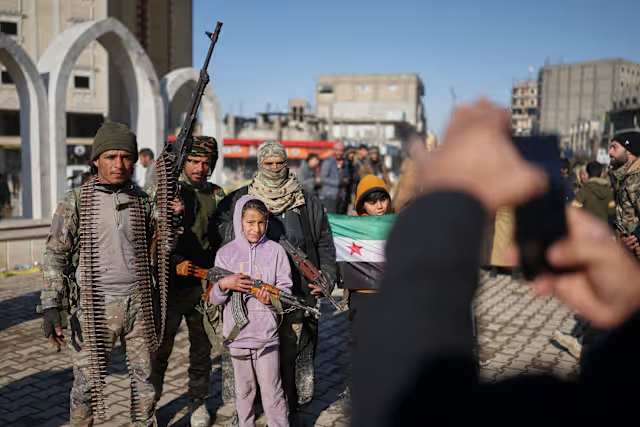
The latest shooting follows years of documented violence inside the camp, including stabbings, arson attacks, and targeted killings. These incidents have often been linked to internal enforcement by extremist sympathizers.
Experts argue that the recurrence of a displacement camp incident reflects systemic failures rather than individual misconduct, rooted in indefinite detention and legal uncertainty.
Security Versus Humanitarian Identity
At the heart of Al Hol’s crisis lies a fundamental contradiction. The camp is treated as both a humanitarian space and a security threat, forcing authorities to navigate incompatible priorities.
Analysts say this contradiction explains why each displacement camp incident reignites debate over whether Al Hol can continue operating in its current form.
The Psychological Toll on a Confined Population
Mental-health professionals working near the camp report widespread trauma, particularly among children who have known nothing but confinement. Nighttime raids and sudden gunfire exacerbate anxiety and long-term stress.
Experts warn that repeated displacement camp incident episodes may have generational consequences if psychological harm remains unaddressed.
Legal Limbo Fuels Instability
Thousands of residents remain in legal limbo, neither charged with crimes nor cleared for release. This prolonged uncertainty fosters resentment, desperation, and susceptibility to radical influence.
Legal analysts argue that without judicial clarity, the likelihood of another displacement camp incident remains high regardless of security intensity.
One Voice From the Security Community
One regional security analyst said,
“Al Hol exists in a permanent state of suspension, and without political decisions to resolve that status, violence will continue to surface no matter how many patrols are deployed.”
Regional Security Implications
Instability inside Al Hol does not stay contained. Nearby communities fear spillover violence, while security officials warn that unrest could undermine broader stabilization efforts in northeast Syria.
Each displacement camp incident is therefore seen not only as a humanitarian failure but as a regional security risk.
Calls for Structural Solutions Grow Louder
Humanitarian agencies, policy experts, and some officials agree that security operations alone cannot resolve the crisis. Accelerated repatriation, improved living conditions, and legal pathways are widely cited as essential reforms.
Without such measures, observers warn that another displacement camp incident is only a matter of time.
Authorities Face Mounting Pressure
Regional authorities acknowledge the challenges but emphasize the limits of their capacity without international cooperation. They argue that foreign governments must take responsibility for their nationals.
Critics counter that repeated displacement camp incident cases demand immediate reforms rather than deferred solutions.
A Camp Frozen Between Emergency and Permanence
Years after its creation, Al Hol remains suspended between being an emergency response and a permanent fixture. Life continues, but under constant tension and uncertainty.
For residents, each displacement camp incident reinforces the sense that the world has accepted their confinement as normal.