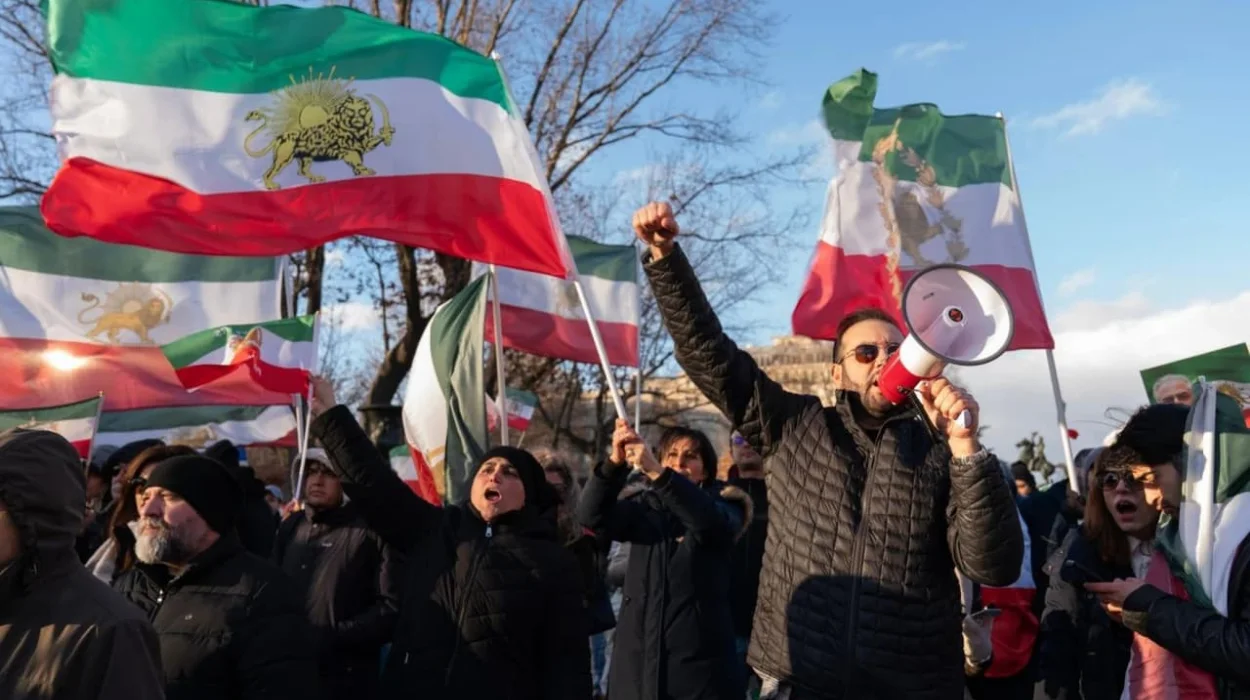
Tehran (Parliament Politics Magazine) January 13, 2026 – Iranian authorities have scheduled the execution of Erfan Soltani, a protester convicted in connection with anti-government demonstrations. The case highlights Iran’s intensified judicial measures against individuals linked to protests. Official statements confirm the execution date, amid reports of broader suppression efforts targeting dissenters.
Iranian judicial authorities announced that Erfan Soltani, identified as a key figure in recent anti-government protests, faces execution following a conviction for charges related to national security violations. The announcement came from Iran’s judiciary spokesman, who confirmed the Supreme Court’s approval of the death sentence. Soltani’s case forms part of a wider pattern of executions linked to protest activities since the 2022 unrest sparked by Mahsa Amini’s death.
The execution order for Soltani was publicised through state media channels, with the judiciary stating that the verdict stands after all appeals were exhausted. Reports indicate Soltani was arrested during demonstrations in Tehran, where he allegedly participated in acts deemed subversive by officials. This development underscores the Iranian government’s ongoing campaign against protesters, with at least several dozen executions reported in similar cases over the past year.
Judicial Proceedings and Conviction Details
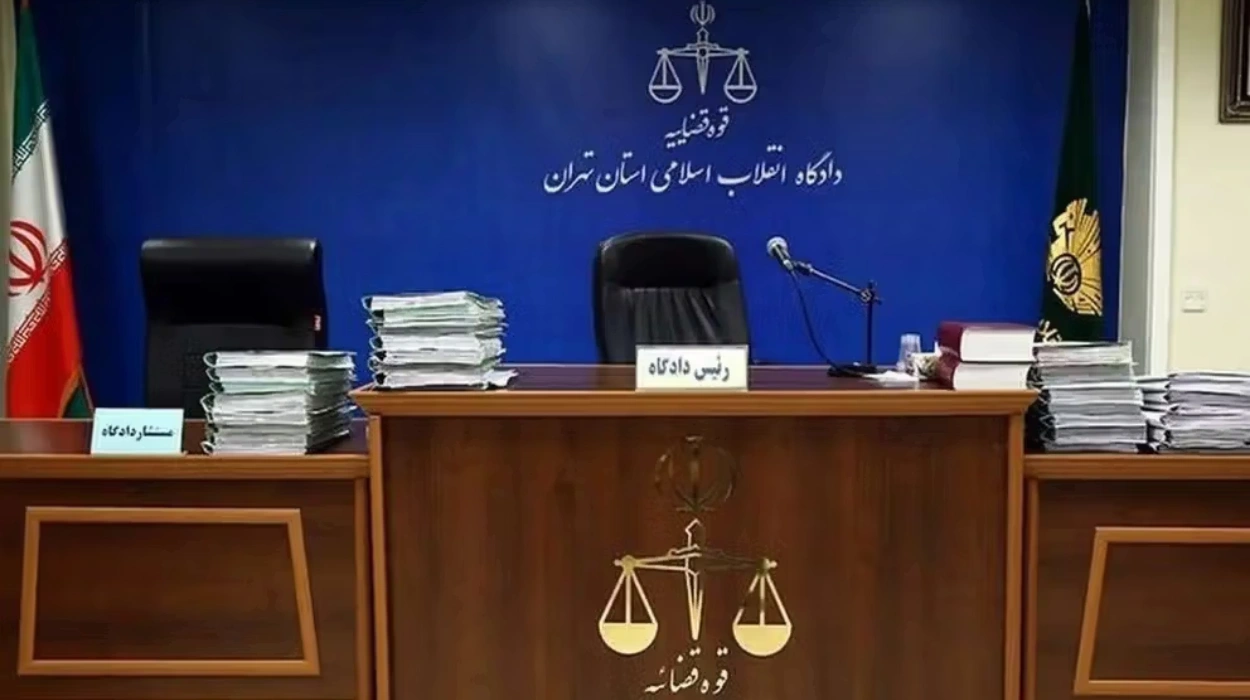
Iran’s judiciary detailed the legal process leading to Soltani’s conviction during a press briefing. As reported by Jason Rezaian of The Washington Post, the spokesman outlined charges including “enmity against God” and “corruption on earth,” commonly applied in protest-related trials. The trial occurred in Tehran’s Revolutionary Court, where Soltani was represented by a court-appointed lawyer.
Court documents, as cited by Farnaz Fassihi of The New York Times, reveal that prosecutors presented evidence of Soltani’s involvement in chanting anti-regime slogans and distributing protest materials. The Supreme Court upheld the lower court’s ruling in late December 2025, rejecting defence arguments that the trial lacked due process. Soltani reportedly confessed under interrogation, though rights groups question the conditions of those statements.
The execution is slated for implementation within days, pending final administrative approvals. State television broadcast footage of the judiciary’s announcement, emphasising the sentence as a deterrent against future unrest. No official reprieve or pardon process has been mentioned in verified reports.
Context of Iran’s Protest Crackdown
Iran’s response to protests has involved hundreds of executions since the 2022 nationwide uprising, according to human rights monitors cited in credible outlets. As documented by Mehdi Fekrat of BBC Persian, Soltani’s case aligns with a surge in death penalties for protesters, particularly those accused of violence against security forces. In 2025 alone, Iranian courts handed down over 900 death sentences across various categories, with a notable portion tied to dissent.
Protests erupted following the death of Mahsa Amini in custody, leading to sustained demonstrations challenging the Islamic Republic’s authority. Government responses included mass arrests, internet blackouts, and lethal force, resulting in over 500 protester deaths by official counts, though independent estimates exceed 1,000. Soltani emerged as a vocal participant in Tehran rallies, captured in videos verified by multiple news agencies.
Recent weeks have seen renewed protest activity amid economic woes and subsidy cuts, prompting authorities to accelerate judicial proceedings. Amid these developments, activists have issued urgent online appeals for international intervention to halt the execution.
Elica Le Bon الیکا ل بن (@elicalebon) said in X post,
“Urgent: how to help save a young protester’s life. I cannot believe how many years we’ve had to recycle this dystopian practice. God, when will it end? #ErfanSoltani”
Urgent: how to help save a young protester’s life.
I cannot believe how many years we’ve had to recycle this dystopian practice. God, when will it end? #ErfanSoltani pic.twitter.com/d0zKXNNJee
— Elica Le Bon الیکا ل بن (@elicalebon) January 13, 2026
As calls for action intensify from the Iranian diaspora, further pleas target global leaders and organisations.
Mitra (@Mitr4sa) said in X post,
“Urgent: Stop the Execution Erfan Soltani faces imminent execution in Iran after an unjust and rushed process. We urge the international community, governments, and human rights organizations to act NOW. #StopExecution #SaveErfanSoltani #HumanRights #Iran #DonaldTrump #USSenate”
Urgent: Stop the Execution
Erfan Soltani faces imminent execution in Iran after an unjust and rushed process.
We urge the international community, governments, and human rights organizations to act NOW.#StopExecution #SaveErfanSoltani #HumanRights #Iran #DonaldTrump #USSenate pic.twitter.com/On3ejKzr8a— Mitra (@Mitr4sa) January 13, 2026
IHR Condemns Iran’s Protest Crackdown
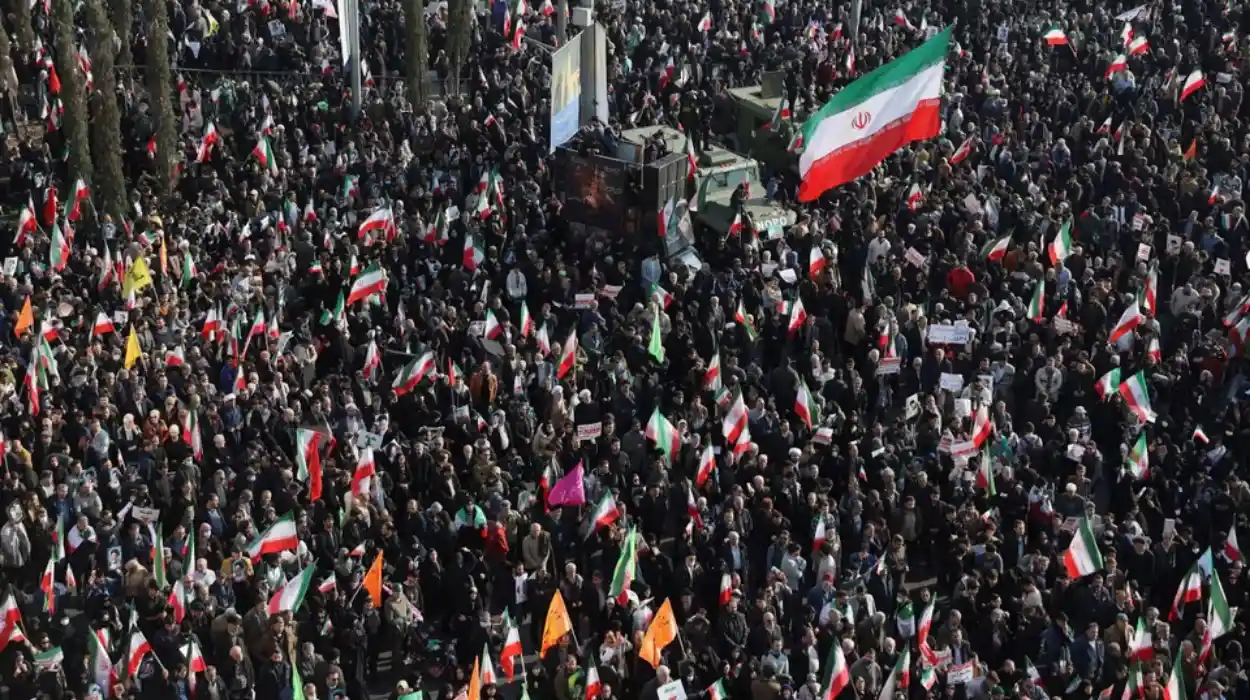
Iran Human Rights (IHR), an independent Oslo-based organisation, said authorities are targeting protesters “swiftly” and “severely” through the Revolutionary Courts. Sources close to Erfan Soltani’s family reported he has been denied access to a lawyer, and, according to them, no trial has been scheduled. The specific charges against him remain unclear.
“The widespread killing of civilian protesters in recent days by the Islamic Republic is reminiscent of the regime’s crimes in the 1980s, which have been recognised as crimes against humanity,”
IHR director Mahmood Amiry-Moghaddam said.
He added,
“The international community has a duty to protect civilian protesters against mass killing.”
International Reactions to the Execution Order
Global responses to Soltani’s scheduled execution have been swift and condemnatory. The United Nations Human Rights Office issued a statement urging Iran to halt the execution, calling it a violation of international law. As per Stuart Smith of Amnesty International’s media team, the organisation labelled the sentence “arbitrary and unfair,” citing a lack of fair trial standards.
European Union foreign ministers discussed the case during a January 2026 meeting, with High Representative Kaja Kallas stating that the bloc considers the execution politically motivated.
German Chancellor Friedrich Merz said the country is now witnessing the “final days and weeks” of the current government.
He added,
“When a regime can only maintain power through violence, then it is effectively at its end. The population is now rising up against this regime.”
President Donald Trump has voiced strong support for Iranian protesters facing a violent crackdown, urging them via Truth Social to “keep protesting” and seize institutions while assuring “help is on its way.” He cancelled all meetings with Iranian officials until the killings cease and imposed 25% tariffs on nations trading with Tehran.
The administration weighs military options like air strikes alongside sanctions, as White House spokesperson Karoline Leavitt confirmed, amid escalating protests over economic woes.
UK Foreign Secretary Yvette Cooper condemned the killing of protesters in Iran, describing it as
“unacceptable in the strongest terms.”
She said Prime Minister Keir Starmer had coordinated with leaders in France and Germany to denounce the violence.
Cooper added that she raised the issue during a phone call with Iran’s foreign minister. The UK government also summoned the Iranian ambassador to stress the seriousness of the situation and demand answers regarding the reported atrocities.
Rights groups like Human Rights Watch, through researcher Nazanin Bahadorani, highlighted Soltani’s execution as emblematic of Iran’s use of the death penalty to silence dissent. No diplomatic interventions have yielded a stay, and Iranian officials dismissed foreign criticism as interference.
Historical Pattern of Executions in Protest Cases
Iran has executed numerous protesters in the wake of major unrest episodes. Following the 2019 fuel price protests, at least 12 individuals faced the death penalty, as chronicled by Esfandiar Barahoui of Iran International. The 2022 “Woman, Life, Freedom” movement saw similar outcomes, with high-profile cases like Mohsen Shekari and Majidreza Rahnavard preceding Soltani’s.
Judicial authorities maintain that such sentences target those who “wage war against God,” a charge carrying mandatory death under Iran’s penal code. Defence lawyers often report restricted access to clients and evidence, patterns noted in reports by Ronak Dhiman of Al Jazeera. Soltani’s lawyer attempted to appeal on procedural grounds, but the judiciary rejected it outright.
State media frames these executions as justice for security personnel killed during clashes. Official figures claim over 100 security members died in 2022 protests, justifying the crackdown’s severity.
Broader Implications for Dissent in Iran
Soltani’s case occurs against a backdrop of tightened controls, including expanded surveillance and morality police patrols. Economic protests have persisted into 2026, fuelled by inflation exceeding 40 percent and currency devaluation. As covered by Kasra Aarabi of the Tony Blair Institute for Global Change in a recent analysis republished by The Guardian, the regime views judicial severity as essential to regime stability.
Family members of executed protesters, including Soltani’s, have been barred from public statements, per reports from local journalists embedded with state media. Underground networks continue organising, though under severe repression.
Iran’s judiciary has signalled no let-up, with spokesman Asghar Jahangir stating additional verdicts are forthcoming. International observers anticipate further escalation if protests intensify.
Who is Erfan Soltani?
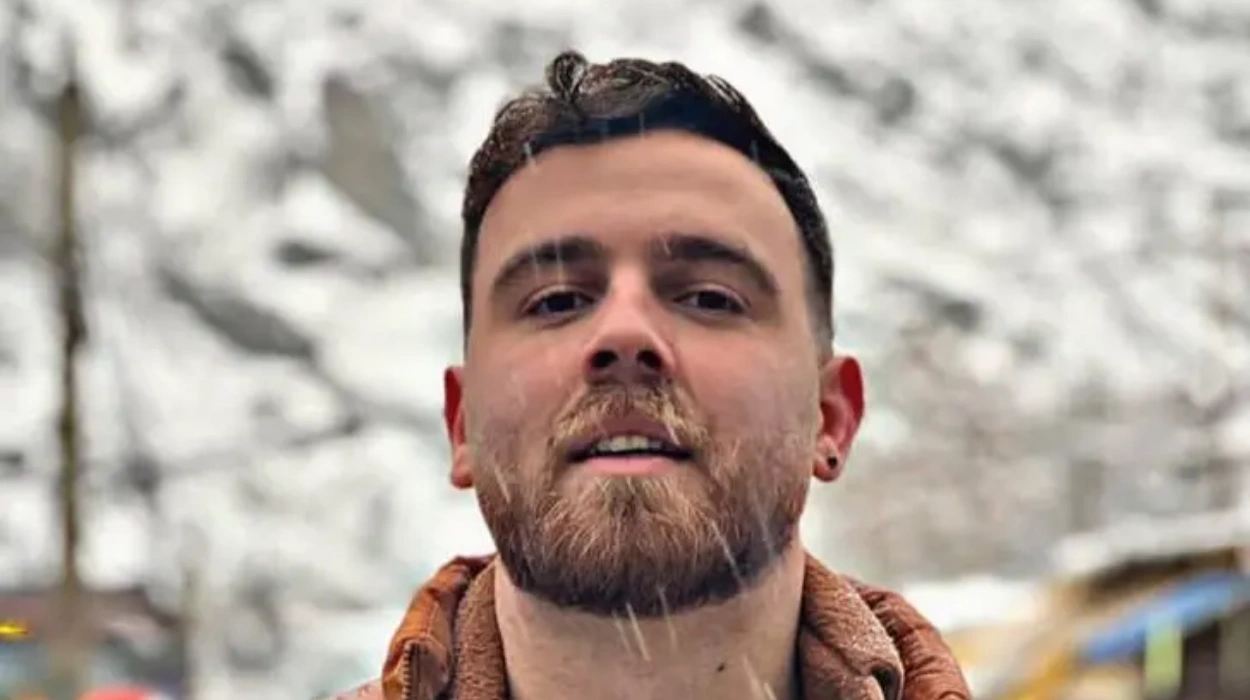
As reported by James C. Reynolds & Maira Butt of the Independent, Erfan Soltani, a 26-year-old shop owner from Fardis, just west of Tehran, is set to be executed by the Iranian regime over his alleged involvement in the recent nationwide protests. Arrested six days ago, Soltani has been denied access to a lawyer, and his family has not been allowed to see the case file.
Rights groups, including the Hengaw Organisation for Human Rights, say he could become the first person sentenced to death for participating in the demonstrations that have swept across Iran. Soltani’s family, who were only recently informed of the decision, expressed shock and despair at the situation. The case has drawn international criticism due to concerns over the lack of due process and the swift, severe measures taken by the Iranian authorities against protesters.