

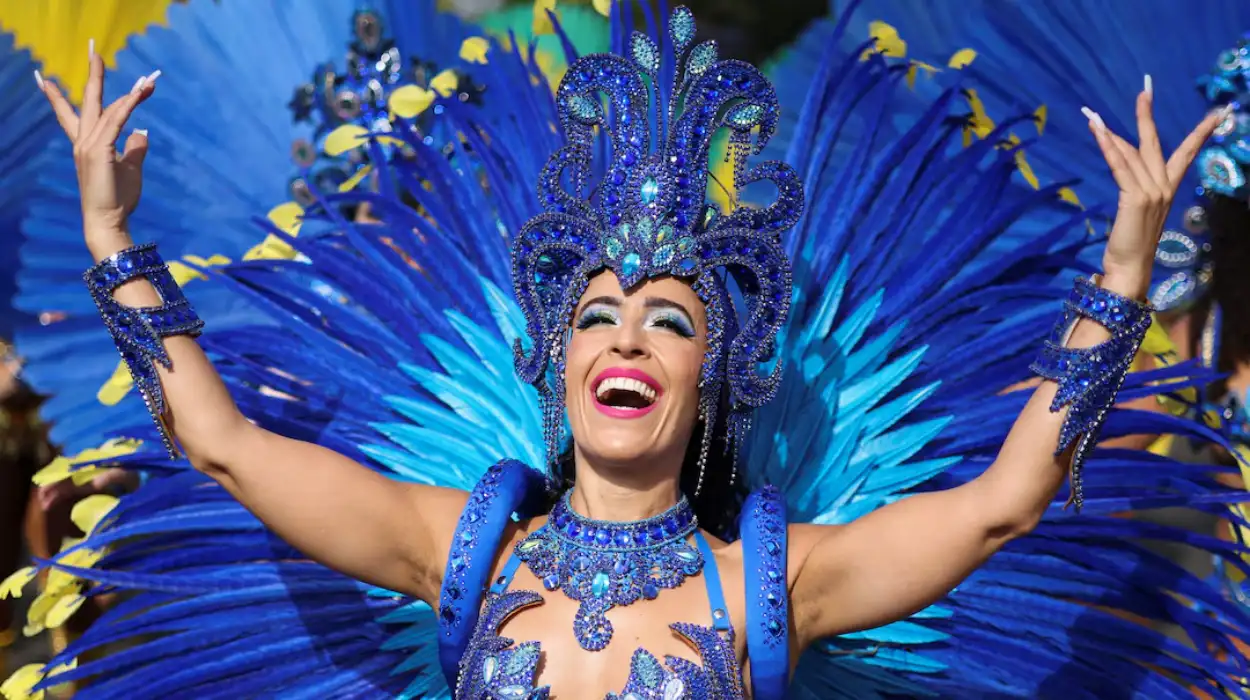
The Notting Hill Carnival is an iconic annual event held in the streets of Notting Hill, London, and stands as one of the largest street festivals in Europe. Celebrated with vibrant music, colourful costumes, and mouth-watering Caribbean cuisine, the carnival is more than just a lively street party; it is a powerful cultural celebration rooted in history, identity, and community resilience.
Drawing over a million attendees each year, the Festival’s origins and significance embody the rich legacy of Caribbean culture in the UK and the spirit of multiculturalism that defines contemporary British society.
The inception of Notting Hill Carnival traces back to the post-war migration of Caribbean peoples to the UK, popularly known as the Windrush generation. Drawn from the carnival traditions of the Caribbean, Notting Hill Carnival emerged as a vibrant response to the racial tensions and hardships faced by black communities in London, especially highlighted by events such as the 1958 Notting Hill race riots. Activist Claudia Jones, often referred to as the
“mother of the Notting Hill Carnival,”
organised the first indoor Caribbean carnival in 1959 to foster community cohesion and celebrate Caribbean heritage.
By the mid-1960s, the carnival took a more public and outdoor form inspired by traditional Trinidadian festivities, combining elements of masquerade, calypso, and steelpan music.
A children’s street fete in 1966 evolved into a full-fledged street carnival, with early involvement from pioneering figures like Russell Henderson and the appearance of steel bands and sound systems, distinguishing Notting Hill Carnival as a unique cultural event with strong roots in Caribbean traditions.
The Evolution into a Multicultural London Institution
During the 1970s, the carnival expanded significantly under organisers like Leslie Palmer, who introduced new elements such as costume bands, extended parade routes, and stationary sound systems, connecting carnival music styles like reggae and calypso.
The event matured not only as a celebration of Caribbean culture but also as a wider embrace of London’s multiculturalism, reflecting the city’s diversity and fostering intercultural understanding.
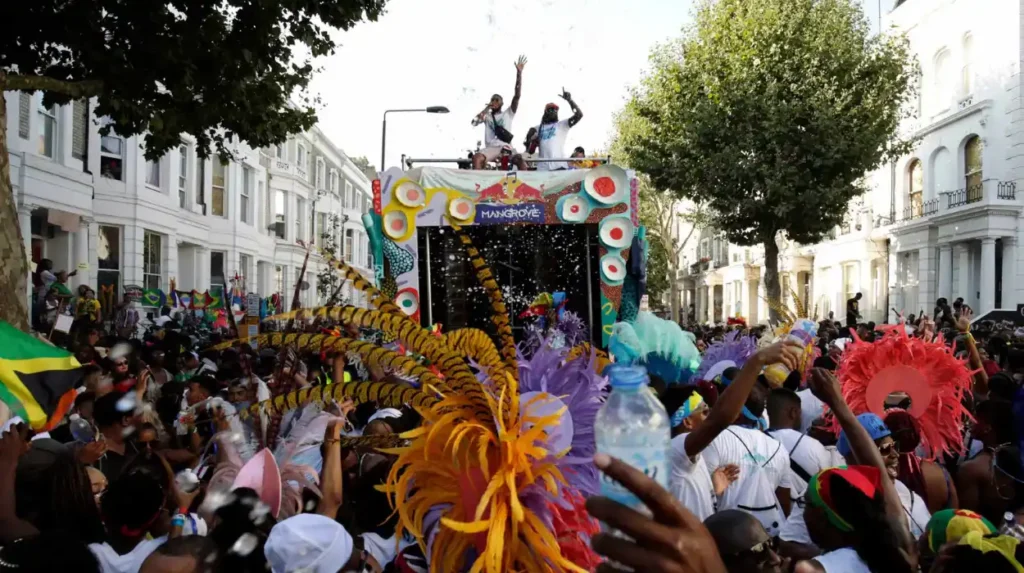
The two-day event, held annually during the August bank holiday weekend, now involves thousands of dancers, musicians, and performers in elaborate costumes, winding through the streets with towering floats and booming sound systems pumping a variety of music genres including soca, dancehall, reggae, and drum and bass.
The carnival’s scale also attracts international visitors and dignitaries, enhancing its status as a global cultural phenomenon.
Carnival Traditions: Music, Dance, and Costume
Central to the Notting Hill Carnival experience are the vibrant musical performances featuring steel bands, calypso singers, DJs, and sound systems that animate every corner of the festival grounds. The music creates an immersive sensory landscape where visitors experience the joyous rhythms and infectious beats that have deep roots in Caribbean history.
Dancers adorned in strikingly colourful costumes with feathers, jewels, and glitter parade through the streets, echoing the masquerade traditions of Caribbean carnivals that blend spirituality, resistance, and celebration.
The opening event, J’ouvert, signifies “daybreak” and sets the tone with painted faces and body decoration, marking the spiritual and festive start of carnival day.
Food stalls offering signature Caribbean dishes like jerk chicken, curry goat, and rum punches fill the streets, allowing attendees to engage through taste and aroma in addition to sound and sight.
Social and Cultural Significance
Notting Hill Carnival remains a powerful symbol of black British identity, resilience, and cultural pride. It commemorates struggles against racial discrimination while affirming the ongoing contributions of Caribbean communities to British society.
The event promotes family-friendly inclusivity, community solidarity, and joy, providing a safe space for all ages to celebrate heritage and diversity.
The carnival also serves as a platform for educating broader audiences about Caribbean history and culture, fostering cross-cultural dialogue through music, art, and performance. Local authorities and carnival organisers emphasize community involvement and peaceful celebrations, with moments of remembrance for those lost in past tragedies associated with racial violence and prior carnival-related incidents.
Planning and Participating in the Carnival
Notting Hill Carnival is a massive logistical undertaking, involving coordination among community groups, cultural organisations, local government, and law enforcement. Safety measures, crowd control, and environmental management are key priorities to ensure smooth festivities.
The carnival route passes through key locations in West London, including Ladbroke Grove and Portobello Road, drawing both local residents and visitors from across the UK and worldwide.
Participants include professional performers, sound system operators, costume designers, and volunteers who invest extensive time and creativity into their presentations. Audiences range from families attending the children’s parade to dance enthusiasts enjoying the late-night music sessions.
The Musical Landscape: The Heartbeat of the Carnival
Focusing on the essential role of music genres such as soca, calypso, reggae, and steelpan bands, this heading explains how sound systems and live performances shape the immersive and energetic atmosphere of the festival. It describes the unique fusion of Caribbean and British musical influences that define the carnival’s distinct auditory experience.
Highlights of Notting Hill Carnival
The Notting Hill Carnival Festival stands as a landmark celebration characterised by its rich cultural heritage, dynamic artistic expression, and deep-rooted social importance. It continues to uplift Caribbean culture in the UK while fostering greater multicultural engagement in the heart of London. As the carnival evolves with the times, it remains a vibrant testament to community strength, diversity, and the enduring power of festivity as a form of cultural affirmation.
- The carnival originated from Caribbean carnival traditions and post-war Caribbean migration to London.
- It was initially an indoor event in 1959, founded by activist Claudia Jones, evolving into a major outdoor festival by 1966.
- The festival features colourful costumes, steel bands, calypso music, and vibrant parades held over the August bank holiday weekend.
- Notting Hill Carnival is a celebration of black British identity, cultural resilience, and community pride.
- Over one million people attend annually, enjoying performances, food, and the inclusive cultural atmosphere.
