
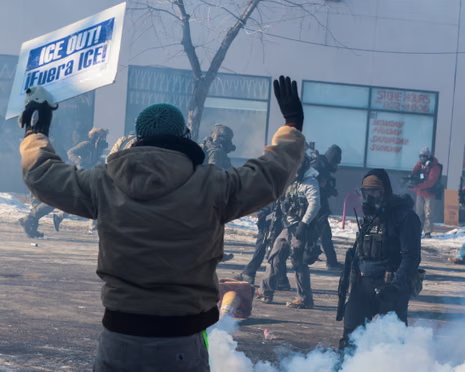
Minneapolis, Minnesota, January 2026 — According to parliament news, The fatal shooting of a civilian during a federal law enforcement operation has sent shockwaves through Minneapolis, igniting protests, political condemnation, and renewed debate over the use of force by federal authorities. The federal agent shooting occurred in the early hours of a winter morning in a residential neighborhood, leaving one man dead and raising urgent questions about accountability, transparency, and the expanding role of federal officers in American cities.
The incident unfolded rapidly but its consequences have been enduring. Within hours, the shooting dominated national headlines, drawing responses from elected officials, civil rights organizations, and community leaders who say the event reflects deeper structural problems in how federal enforcement operations are conducted on local streets.
A neighborhood turned into a crime scene
Residents of south Minneapolis described being jolted awake by sirens and shouting as federal agents converged on the area. What began as a routine enforcement action quickly escalated into a deadly confrontation. By the time local police arrived, the scene had already been secured by federal officers, and the victim was pronounced dead.
The sudden transformation of a quiet neighborhood into a crime scene left residents stunned. Many said they had no prior knowledge that federal agents were operating in the area, intensifying feelings of fear and confusion in the aftermath.
The man at the center of the tragedy
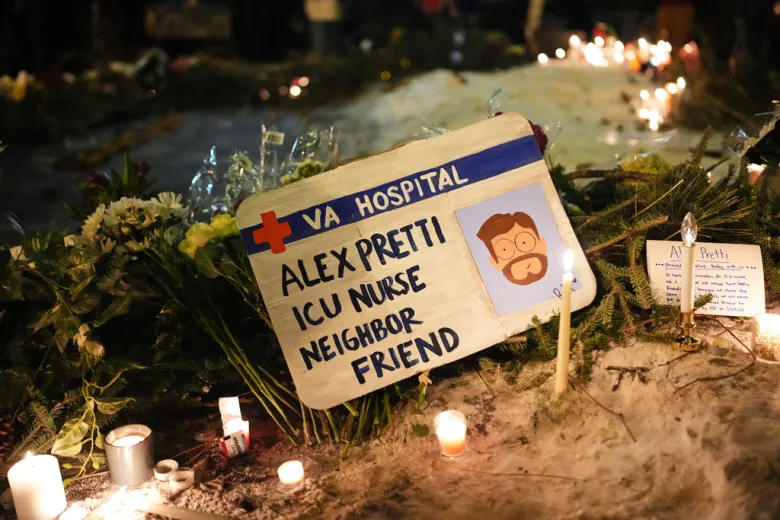
The individual who lost his life was identified as Alex Pretti, a 37 year old intensive care nurse who worked with veterans and was known locally for his outspoken views on social justice. Friends and colleagues described him as deeply committed to helping others and engaged in civic life.
Pretti’s death marked a turning point in the public response. As details emerged about his background, the narrative surrounding the federal agent shooting shifted from an abstract law enforcement incident to a deeply personal tragedy that resonated across the city.
Official accounts and early explanations
Federal authorities said agents were conducting a targeted enforcement operation when they encountered Pretti. According to initial statements, the situation escalated when the agent perceived a threat, leading to the discharge of a firearm.
However, those statements were released without immediate supporting evidence, a decision that fueled skepticism among local officials and the public. Minneapolis leaders expressed frustration that they were not briefed in advance about the operation or its outcome.
Video footage raises doubts
Within hours of the incident, multiple videos recorded by bystanders began circulating on social media. In several clips, Pretti appears to be holding a mobile phone in the moments before he was shot. The footage does not capture the entire encounter, but it has played a critical role in shaping public perception.
As has become common in modern cases involving lethal force, video evidence quickly became central to the debate. For many viewers, the footage cast doubt on the official explanation of the federal agent shooting and intensified demands for full disclosure of body camera recordings and internal communications.
A single quote that defined the moment
As public attention intensified, Pretti’s family released a brief statement through legal counsel. In one paragraph that was widely shared, they said, “Alex spent his life caring for others, and nothing about who he was justifies the force that was used against him.” The quote became a focal point of the public response, capturing grief, disbelief, and anger in a single sentence.
The family called for an independent investigation and urged authorities to ensure that all evidence is preserved and reviewed transparently.
City and state leaders respond
Minnesota state officials reacted swiftly, with the governor describing the incident as deeply troubling and confirming that state investigators would seek an independent review. Minneapolis city leaders echoed those concerns, emphasizing that public trust depends on transparency and cooperation between agencies.
Several officials questioned why federal agents were operating in residential neighborhoods without clear coordination with local law enforcement, noting that such gaps increase the risk of deadly outcomes.
Protests spread across Minneapolis
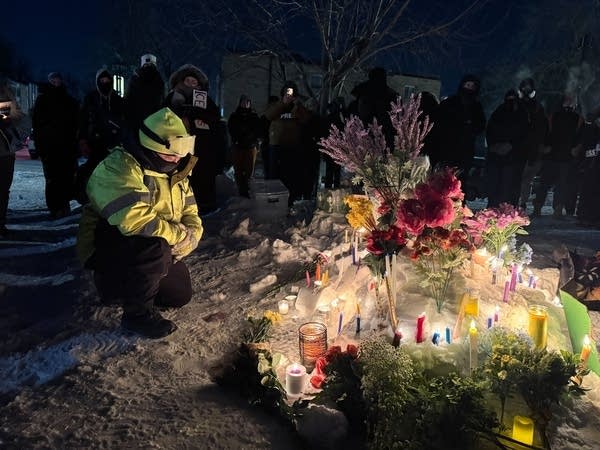
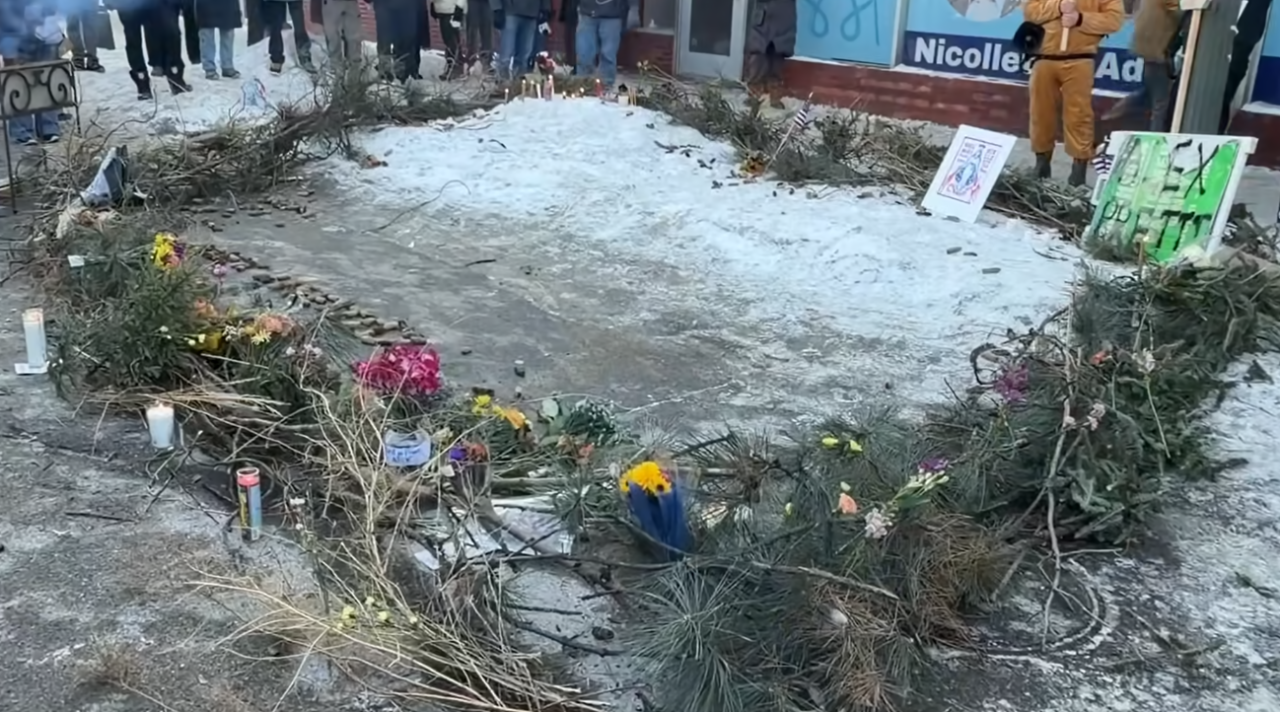
As night fell, residents gathered near the site of the shooting. Candles and flowers lined the sidewalk, while demonstrators chanted for justice despite freezing temperatures. Over the following days, protests spread to other parts of the city, drawing hundreds of participants.
For many demonstrators, the federal agent shooting symbolized broader frustrations with law enforcement practices and the perceived lack of accountability when federal officers are involved.
A city shaped by past trauma
Minneapolis has a history that makes incidents involving law enforcement particularly sensitive. Past high profile cases have left lasting scars and heightened public awareness of policing practices.
Community leaders warned that the latest shooting risked reopening old wounds, especially if authorities failed to communicate openly and act decisively. Trust, they said, cannot be rebuilt without credible accountability.
Jurisdictional challenges complicate investigations
Almost immediately, questions arose over who would control the investigation. Federal agencies typically conduct internal reviews of their officers, while state authorities sought access to evidence and the ability to conduct an independent inquiry.
Legal experts noted that jurisdictional disputes often slow investigations and undermine public confidence. In the case of the federal agent shooting, delays or perceived obstruction could further inflame tensions.
Civil rights groups demand reform
Civil rights organizations framed the incident as part of a broader pattern of excessive force and limited oversight within federal enforcement agencies. They argued that federal officers often operate with fewer transparency requirements than local police.
Advocacy groups called for congressional hearings and legislative reforms that would impose clearer standards and independent review mechanisms for federal law enforcement actions.
Supporters defend federal operations
Not all reactions were critical. Supporters of federal enforcement argued that agents operate in dangerous conditions and must be able to protect themselves when confronted with perceived threats during operations, noting that agencies face unpredictable and volatile situations that demand rapid judgment calls amid enforcement activity. From this perspective, the Federal agent shooting — where a federal officer fired during a Jan. 24 enforcement action in Minneapolis that resulted in the death of 37-year-old ICU nurse Alex Pretti — was described as a tragic but lawful outcome of a high-risk encounter under intense pressure, highlighting the deep divisions in how Americans interpret such events and the broader debate over federal law enforcement authority.
Media coverage and narrative battles
National and international media coverage intensified scrutiny of the case. Headlines focused on conflicting accounts, video evidence, and the broader implications for federal authority.
Speaking through legal counsel, relatives expressed grief and frustration over what they described as a lack of transparency surrounding the operation and the use of lethal force, stating,
“Alex spent his life caring for others, and nothing about who he was justifies the force that was used against him,”
Analysts noted that early narratives often shape public opinion long before official findings are released. In this case, images of protests and circulating footage became powerful symbols that challenged official statements.
Mental health and community impact
Beyond political debate, the shooting left a psychological impact on residents. Community organizations reported increased demand for counseling services, particularly among young people and those living near the scene.
Faith leaders and nonprofit groups organized forums and vigils aimed at fostering dialogue and preventing further escalation, emphasizing the importance of healing alongside accountability.
Economic ripple effects
The unrest had tangible economic consequences. Some businesses temporarily closed due to protests and increased security presence, while others saw reduced customer traffic.
Business owners expressed sympathy for the family while also voicing concern that repeated incidents involving violence and protests create a lingering perception of instability.
National implications for enforcement policy
Policy analysts said the incident could influence how federal agencies approach urban operations. Calls for mandatory coordination with local authorities, clearer rules of engagement, and expanded use of non lethal tactics gained momentum.
Several lawmakers suggested that funding and oversight mechanisms tied to federal agencies may come under renewed scrutiny following the federal agent shooting.
Accountability at the center of the debate
At the heart of the controversy lies a fundamental question: how are federal agents held accountable when lethal force is used? Critics argue that internal reviews lack independence, while supporters say they are necessary to protect officers from political pressure.
The shooting has intensified calls for external oversight structures that can investigate such incidents with credibility and public trust.
Waiting for investigative findings
State and federal authorities have pledged to cooperate in the investigation of the Federal agent shooting in Minneapolis, but timelines for releasing findings remain uncertain, and past experience has left many residents skeptical that legal reviews will lead to meaningful consequences. For the family of Alex Pretti — a 37-year-old ICU nurse fatally shot by federal agents during an immigration enforcement operation — closure depends not only on legal outcomes but on whether the process feels transparent, fair, and trusted by the community.
A city in the national spotlight
Minneapolis once again finds itself at the center of a national conversation about law enforcement and justice. Each new incident adds to the city’s identity as a focal point for debates over accountability and reform.
The federal agent shooting now joins a series of events that will shape local activism and policy discussions for years to come.
Beyond one tragic encounter
While this case centers on a single fatal incident, the implications extend far beyond one neighborhood. The Federal agent shooting that claimed the life of Alex Pretti — a 37-year-old ICU nurse in Minneapolis — has sparked citywide protests, raised legal challenges and underscored enduring questions about power, oversight, and the balance between enforcement and civil liberties as authorities and activists continue to clash over transparency and use of force in federal operations. Whether the shooting leads to reform of enforcement practices or fades into another unresolved controversy remains uncertain as investigations and public debate continue.
The tension between urgency and patience
Communities often demand immediate answers, while investigations move slowly by design. This tension has defined much of the public response, as residents seek justice without further escalation.
Maintaining peace while insisting on accountability remains a delicate balance for city leaders and community organizers alike.
The long shadow of a single morning
Long after the scene is cleared and protests subside, the effects of the Federal agent shooting will persist. For the grieving family of Alex Pretti — a 37-year-old ICU nurse who was fatally shot by federal agents during a controversial immigration enforcement operation in Minneapolis — the loss resonates beyond headlines, leaving a shaken neighborhood and a city wrestling with its relationship to authority, public trust, and the role of armed enforcement in civilian communities.
A reckoning still unfolding
As evidence is reviewed and narratives compete, one reality remains clear. The federal agent shooting has forced a reckoning that cannot be ignored.
Whether that reckoning results in accountability, reform, or deeper division will depend on the actions taken in the weeks and months ahead.

Written by
Parliament Politics MagazineWe are a UK based nonpartisan, not-for-profit politics and policy platform, launched in 2021. Our aim is to provide parliamentarians from across the UK, think tanks and those involved in developing and implementing policies a space to discuss legislation, campaigns and more generally political ideas through our website and magazine.