

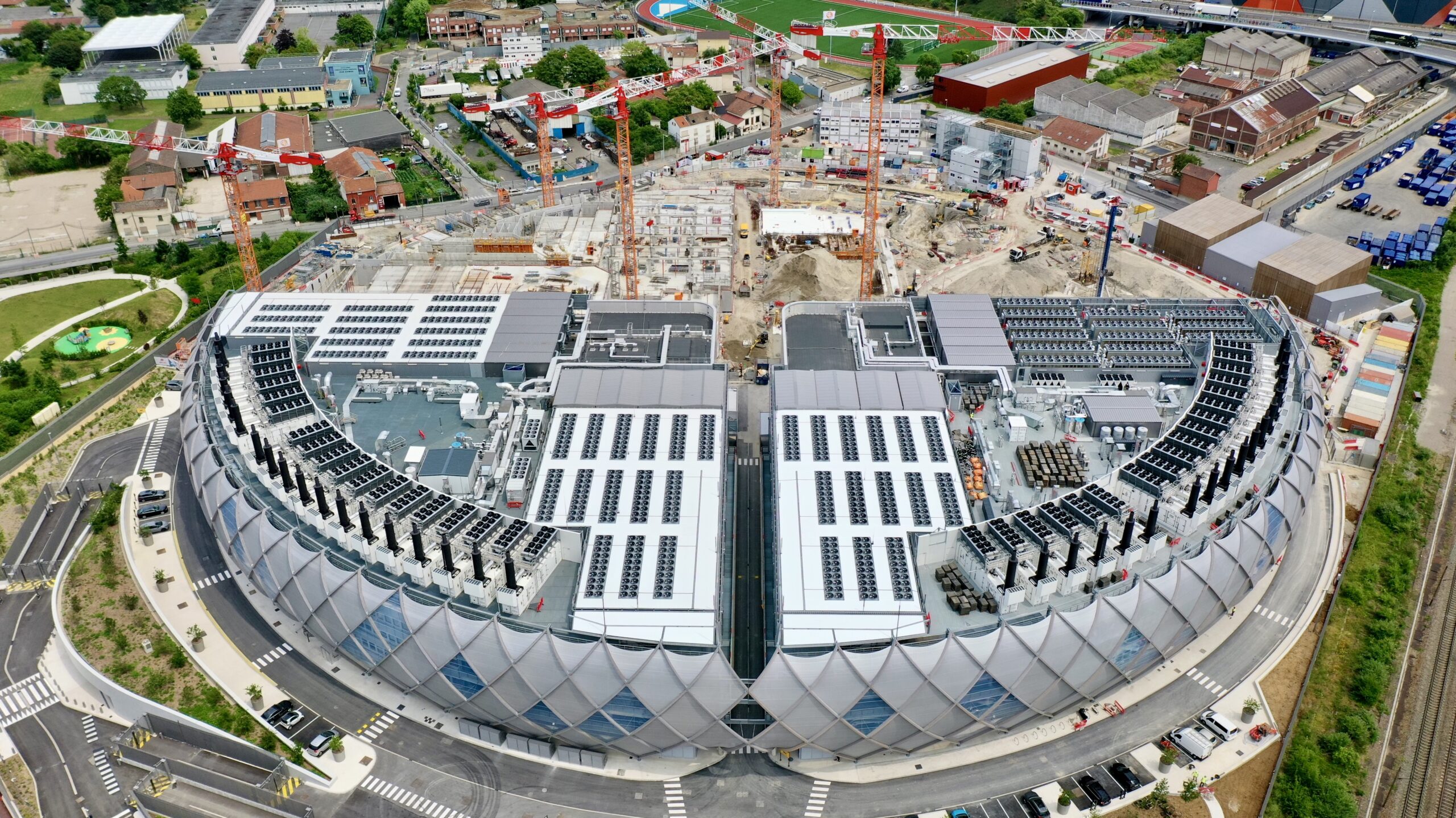
Lille, France — February 12, 2026 — According to Parliament News, that France technology investment is gaining significant momentum in northern France as a major artificial intelligence data centre project moves forward near Lille. The expansion highlights how France technology investment is becoming central to Europe’s strategy for digital sovereignty, economic competitiveness, and advanced computing infrastructure.
Government officials and industry leaders describe France technology investment in 2026 as part of a broader national effort to position the country at the forefront of artificial intelligence, cloud computing, and next generation digital services.
Major Infrastructure Expansion Near Lille
Northern France has emerged as a strategic location for large scale digital infrastructure projects. The latest development represents one of the most significant France technology investment initiatives announced this year.
The project involves the construction of a high capacity data centre designed to support artificial intelligence workloads and enterprise cloud operations. Analysts say France technology investment at this scale demonstrates confidence in the region’s energy reliability, connectivity networks, and regulatory stability.
Lille’s geographic location provides efficient access to major European markets including Belgium, Germany, and the Netherlands. This proximity enhances the strategic value of France technology investment in cross border digital services.
Strengthening Europe’s AI Infrastructure
Artificial intelligence systems require substantial computational power for training and deployment. France technology investment in hyperscale data infrastructure addresses growing demand for high performance computing resources across the continent.
European policymakers have emphasized technological sovereignty in recent years. France technology investment contributes directly to that objective by expanding domestic processing capacity rather than relying exclusively on overseas cloud providers.
Industry experts believe that sustained France technology investment will allow startups, universities, and multinational corporations to access advanced computing resources within EU jurisdiction.
Economic Impact and Job Creation
Large infrastructure projects generate ripple effects across local economies. France technology investment near Lille is expected to create construction jobs, engineering roles, and long term operational positions.
Regional officials project that France technology investment will attract complementary businesses such as telecommunications providers, cybersecurity firms, and hardware suppliers. These secondary developments often amplify economic benefits beyond the initial project.
In addition to employment, tax revenue generated by France technology investment can support public services and regional development programs.

Energy and Sustainability Considerations
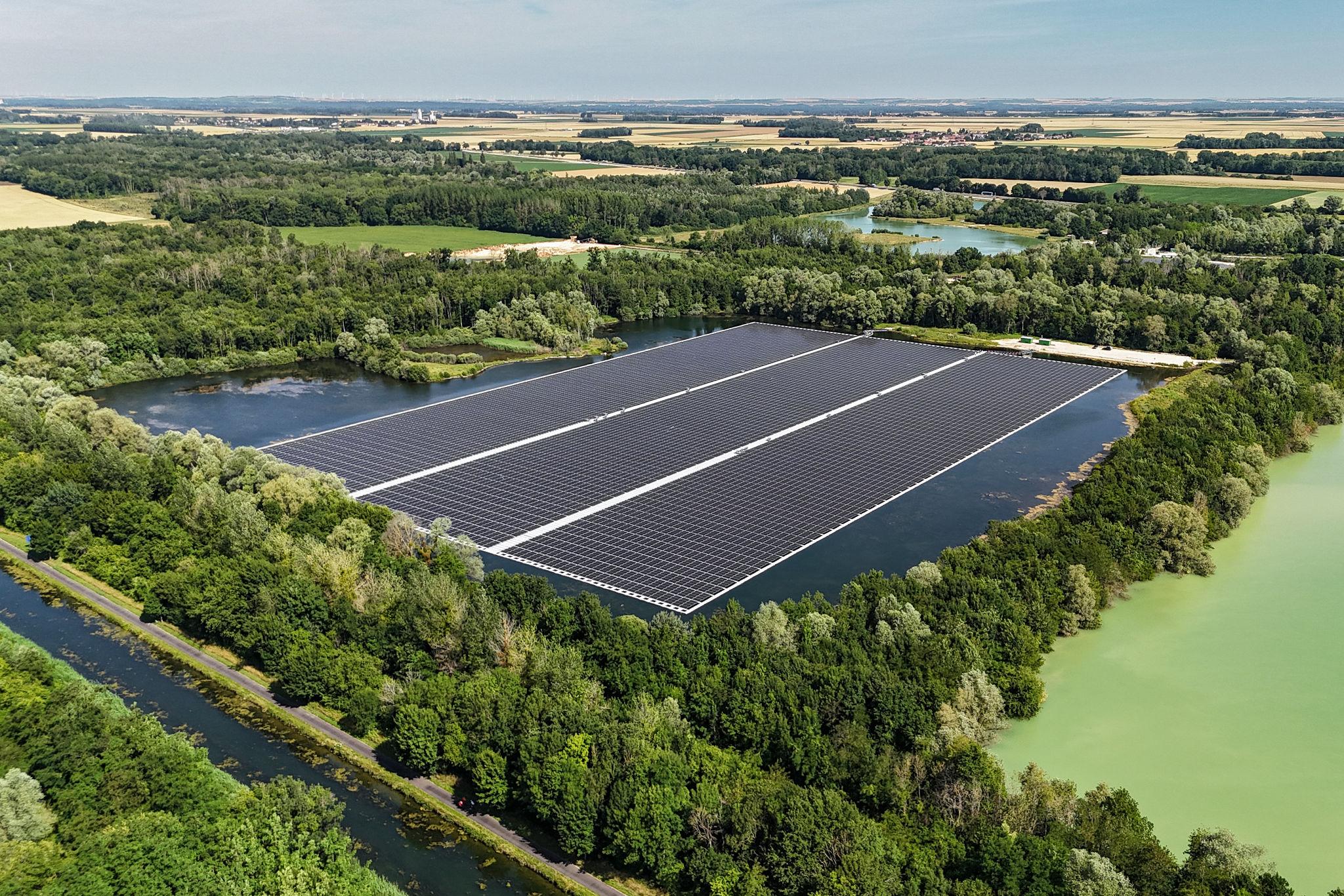
Reliable energy supply remains one of the most important foundations for large scale computing facilities. Northern France offers a strong and diversified energy mix that includes nuclear and renewable sources, providing relatively low carbon intensity compared to many other regions in Europe.
Sustainability now plays a defining role in major digital infrastructure decisions. Modern data centres incorporate advanced cooling systems, water recycling technologies, and long term renewable energy agreements to reduce environmental impact. These facilities are increasingly designed with efficiency in mind, ensuring that power usage is optimized while minimizing emissions.
By aligning large infrastructure projects with national climate objectives, policymakers aim to support digital expansion without compromising environmental responsibility. Balancing economic growth with sustainability remains a central priority in 2026.
Government Strategy and Policy Alignment
National economic strategy continues to prioritize innovation funding and digital modernization. Large scale infrastructure projects are closely aligned with long term development plans that emphasize research and development, artificial intelligence advancement, and industrial transformation.
Public and private sector collaboration plays a crucial role in project execution. Regional authorities, energy providers, and infrastructure planners work together to ensure regulatory compliance, secure grid access, and maintain construction timelines. This coordinated approach helps reduce delays and improve investor confidence.
The government’s emphasis on digital independence further highlights the importance of maintaining strong domestic control over critical data infrastructure. Secure and locally managed facilities are increasingly viewed as essential components of national resilience.
Competitive Position in Europe
France competes directly with Germany, Ireland, and the Netherlands to attract major digital infrastructure developments. Its advantages include stable energy supply, regulatory clarity, and geographic proximity to key European markets.
International investors often prioritize predictable regulations and reliable power access when selecting locations. The project near Lille demonstrates the country’s ability to provide both at a large scale, strengthening its reputation as a serious destination for advanced computing infrastructure.
One industry analyst stated,
“Strategic digital infrastructure is now as vital as transportation or energy networks in determining economic leadership.”
This observation reflects a broader understanding that digital capacity is becoming a defining indicator of national competitiveness.
Innovation Ecosystem Develo pment
Expanded computing capacity provides meaningful benefits to universities and research institutions throughout the country. Access to high performance infrastructure allows academic teams to conduct complex model training and advanced data analysis without depending on overseas providers.
Collaboration between researchers and private sector developers becomes more efficient when computing resources are geographically closer and legally aligned with domestic regulations. This proximity encourages faster experimentation, stronger partnerships, and greater knowledge transfer.
Startup ecosystems also benefit significantly. Emerging technology firms gain access to powerful infrastructure that can accelerate product development cycles and reduce operational barriers. Over time, this environment supports a more self sustaining innovation network and reduces reliance on foreign cloud platforms.
Infrastructure Timeline and Implementation
Construction planning typically involves phased development to bring capacity online gradually. France technology investment projects of this size require detailed environmental assessments, grid integration planning, and fiber connectivity deployment.
Engineers emphasize modular design principles that allow incremental scaling. France technology investment near Lille is expected to expand in stages, ensuring operational efficiency and manageable growth.
Regulatory approvals and energy agreements will influence final timelines, but industry observers anticipate steady progress through 2026 and beyond.
Historic Comparison
Throughout history, transformative infrastructure has reshaped economies. The expansion of railroads in the nineteenth century and telecommunications networks in the twentieth century redefined commerce and connectivity.
France technology investment today parallels those historic milestones. Just as railway networks once connected industrial regions, digital infrastructure now connects data flows, research ecosystems, and global markets.
Past infrastructure waves demonstrated that early adopters often secure long term economic advantages. France technology investment reflects similar ambition in the digital era.
Broader European Digital Strategy
The European Union continues emphasizing digital autonomy. France technology investment contributes to a continental vision of resilient infrastructure capable of supporting AI innovation without excessive reliance on external providers.
Cross border collaboration remains important. France technology investment near Lille benefits from regional integration with neighboring EU states, strengthening Europe’s overall digital capacity.
As artificial intelligence applications expand into healthcare, finance, manufacturing, and education, infrastructure readiness becomes foundational.

Long Term Outlook for Digital Sovereignty
France technology investment represents more than short term economic expansion. It embodies a long term commitment to digital sovereignty, innovation leadership, and infrastructure resilience.
Experts predict that demand for AI computing power will continue accelerating throughout the decade. France technology investment positions the country to meet this demand while maintaining control over regulatory standards and data governance.
The interplay between innovation, sustainability, and competitiveness will define future policy decisions.
A Turning Point for Northern France
France technology investment near Lille symbolizes a transformative chapter in regional development. What was once primarily an industrial corridor is evolving into a digital infrastructure hub with continental influence.
As construction advances and operational capacity expands, France technology investment will likely attract additional projects and partnerships. The ripple effects could reshape employment patterns, educational priorities, and economic strategy across northern France.
In 2026, the message is clear: digital infrastructure now stands at the heart of national progress, and France technology investment is driving that transformation forward.