

Stockholm, Sweden, APRIL 21, 2026 ( Parliament Politics Magazine ) geopolitical risk markets are increasingly influencing corporate earnings, as demonstrated by the latest results from SKF. The company reported a smaller-than-expected decline in first-quarter profit, signaling resilience despite ongoing global instability.
The performance reflects steady industrial demand across key sectors, even as geopolitical tensions—particularly the Iran conflict—continue to affect supply chains and market conditions. SKF’s results highlight how companies are adapting to a more uncertain global environment.
Profit Decline Less Severe Than Expected
SKF’s first-quarter earnings showed a decline, but the drop was less pronounced than analysts had forecast. This suggests that core business activity remains stable, supported by ongoing demand in manufacturing and transportation sectors.
Geopolitical risk markets have created volatility, but SKF’s diversified operations have helped cushion the impact. Strong demand across multiple regions has provided a level of stability that exceeded expectations.
An industry analyst stated,
“The resilience seen in SKF’s earnings indicates that industrial demand is holding up better than many anticipated, even in a challenging environment.”
Iran War Adds Pressure to Global Markets
The ongoing Iran conflict is a major factor contributing to geopolitical risk markets. Disruptions to energy supplies, shipping routes, and global trade have increased uncertainty for companies operating internationally.
SKF noted that these risks could affect future performance, particularly if tensions escalate further. Rising energy costs and logistical challenges are key concerns that could influence both production and profitability.
The situation underscores the interconnected nature of global markets and the impact of geopolitical developments on industrial operations.
Industrial Demand Remains a Stabilizing Factor
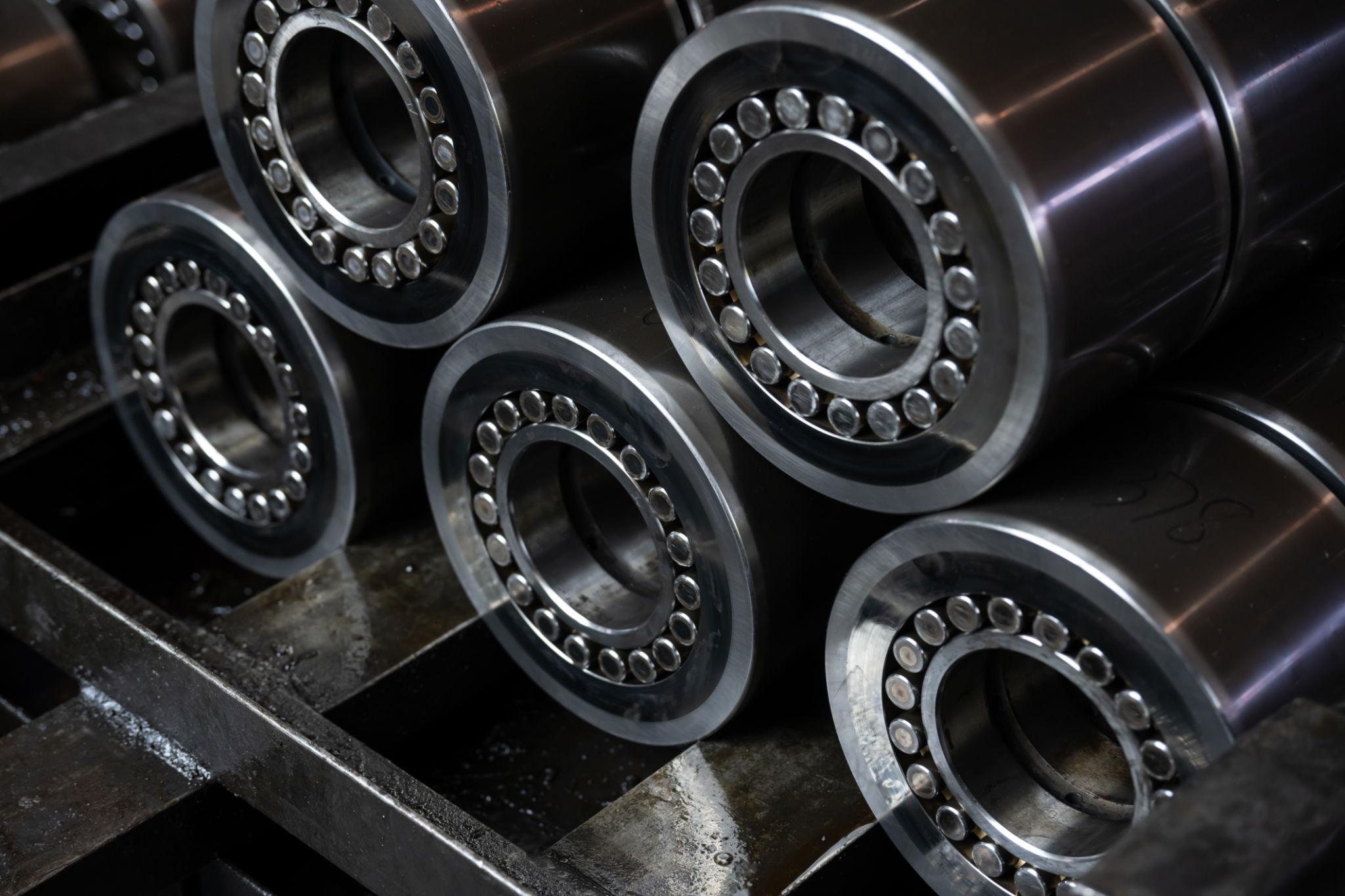
Despite the pressures created by geopolitical risk markets, SKF reported stable demand across its core industries. Manufacturing activity, infrastructure development, and transportation needs continue to drive demand for bearings and related components.
This stability has been critical in limiting the decline in SKF Q1 profit. The company’s ability to serve a wide range of industries has helped mitigate the impact of external disruptions.
Analysts believe that as long as industrial activity remains steady, companies like SKF can maintain performance levels even amid uncertainty.
Supply Chain Challenges and Cost Pressures Continue
Geopolitical risk markets have intensified existing supply chain challenges, with companies facing higher costs and logistical complexities. SKF highlighted rising expenses related to energy, transportation, and raw materials.
The Iran conflict has contributed to these challenges by affecting global energy markets and shipping routes. As a result, companies are focusing on efficiency and cost management to protect margins.
SKF’s strategy includes optimizing operations and adapting to changing conditions in order to maintain competitiveness.
Investor Sentiment Reflects Cautious Optimism
Investors responded positively to SKF’s earnings report, viewing the smaller-than-expected decline as a sign of resilience. However, geopolitical risk markets continue to weigh on overall sentiment.
Market participants are closely monitoring global developments, particularly those related to the Iran conflict, which could influence future earnings. The balance between strong demand and external risks remains a key consideration.
This cautious optimism reflects the broader uncertainty in global markets.
Industry Trends Mirror SKF Performance
SKF’s results align with trends across the industrial sector, where companies are navigating a complex mix of stable demand and external risks. Geopolitical risk markets have become a defining factor influencing performance.
Companies with diversified operations and strong supply chain management are better positioned to handle these challenges. SKF’s ability to adapt has been a key factor in its relative stability.
The broader industry is expected to continue facing similar conditions as global uncertainties persist.
Strategic Focus on Resilience and Adaptation
SKF is focusing on maintaining resilience while preparing for potential challenges ahead. Investments in innovation, digitalization, and operational efficiency are central to its strategy.
The company is also closely monitoring geopolitical risk markets, adjusting its approach as needed to respond to evolving conditions. This proactive stance is aimed at ensuring long-term stability and growth.
Leadership emphasized the importance of flexibility in navigating an uncertain global landscape.
Outlook Remains Uncertain
While SKF’s current performance demonstrates resilience, the outlook remains uncertain due to ongoing geopolitical risk markets. The Iran conflict continues to pose potential risks to supply chains, energy costs, and overall economic stability.
The company has adopted a cautious approach, recognizing that conditions could change rapidly depending on geopolitical developments. This uncertainty underscores the need for careful planning and risk management.
Key Takeaways on Geopolitical Risk Markets and SKF Earnings
Geopolitical risk markets are playing an increasingly important role in shaping corporate performance, as seen in SKF’s first-quarter results. The company reported a smaller-than-expected decline in profit, supported by stable industrial demand.
However, ongoing uncertainty related to the Iran conflict continues to pose challenges. While SKF has demonstrated resilience, the future remains uncertain as global markets respond to evolving geopolitical conditions.
The company’s ability to adapt will be critical in sustaining performance in the months ahead.