BONN, Germany (Parliament Politics Magazine) global logistics outlook remains largely positive as transportation providers, shipping companies, and cargo operators continue adapting to geopolitical tensions, changing trade patterns, and evolving customer demands. Despite concerns surrounding energy markets and regional conflicts, industry leaders say global supply chains have become more resilient and better prepared to manage disruptions than in previous years.
The logistics sector plays a vital role in supporting international trade, e-commerce, manufacturing, and economic growth. As businesses continue moving goods across borders, transportation networks remain essential to maintaining global commerce and consumer confidence.
Industry experts believe the current global logistics outlook reflects years of investment in infrastructure, technology, and supply chain diversification.
“Global supply chains have demonstrated remarkable resilience despite a series of unprecedented challenges over the past decade.”
Shipping Networks Continue Supporting International Trade
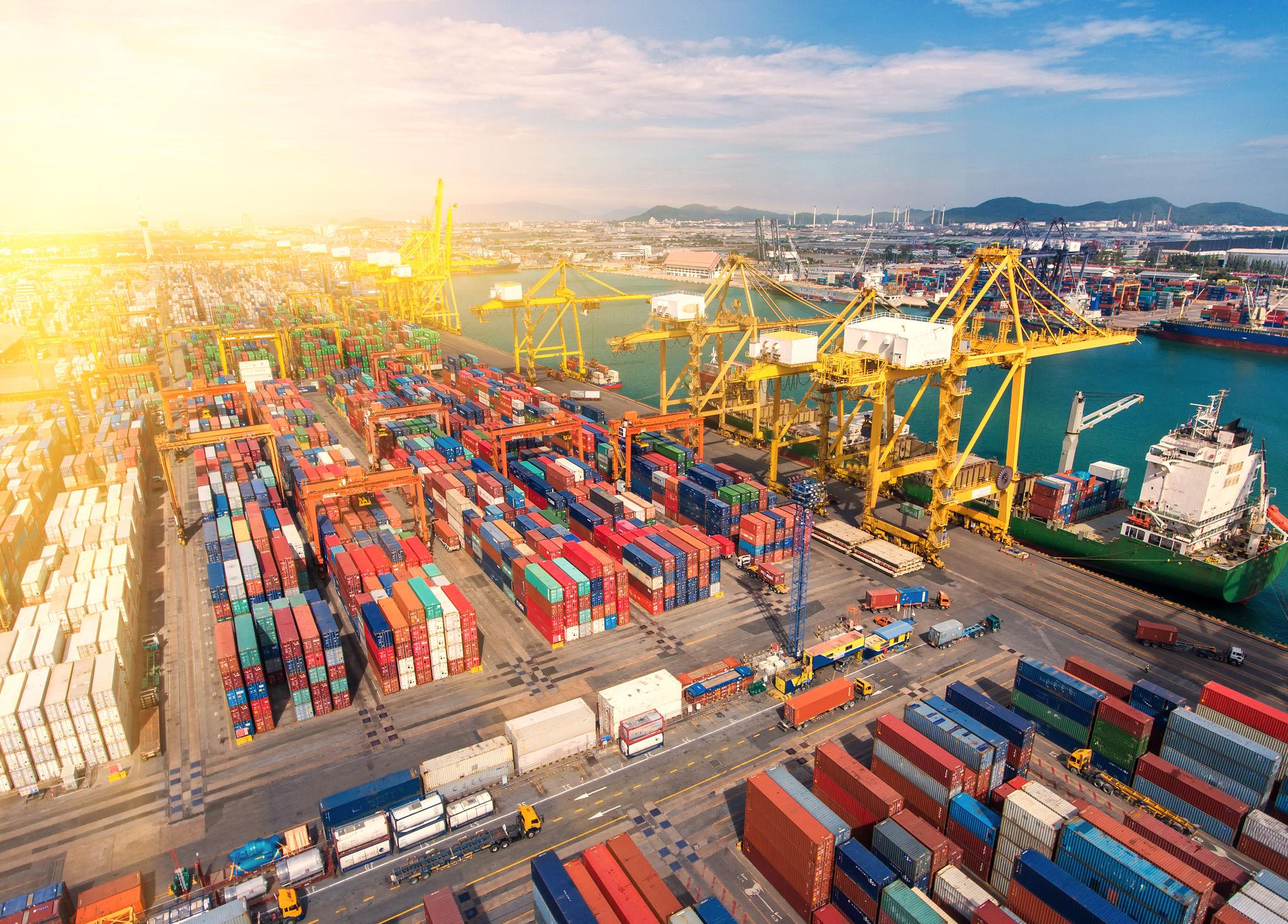
Ocean freight remains one of the most important components of the global logistics outlook. Major shipping routes continue handling large volumes of cargo as businesses maintain international sourcing and distribution strategies.
Container shipping companies have invested heavily in operational efficiency, digital tracking systems, and route optimization technologies. These improvements have helped reduce delays while improving visibility throughout the transportation process.
Analysts note that stable shipping activity remains an encouraging sign for broader economic conditions and international trade flows.
The continued movement of goods across global markets supports confidence in future logistics performance.
Air Cargo Demand Remains Resilient
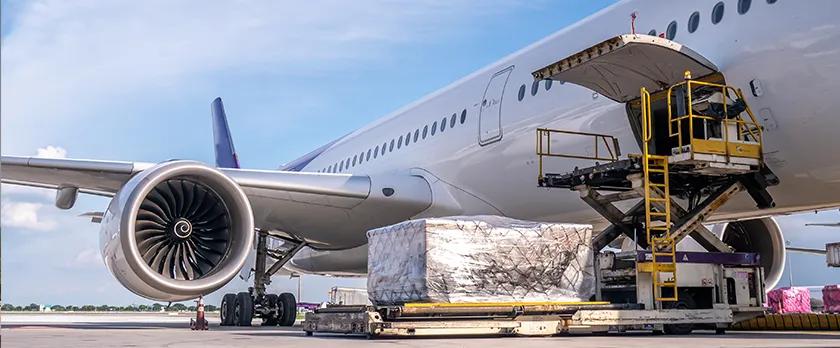
Air freight continues playing a crucial role in the global logistics outlook, particularly for high-value products, time-sensitive shipments, and e-commerce deliveries.
Airlines and logistics providers have expanded capabilities to meet growing demand from technology companies, healthcare suppliers, and online retailers. The sector’s ability to respond quickly to market changes has strengthened its importance within modern supply chains.
As global trade becomes increasingly interconnected, air cargo services are expected to remain a key growth area.
Industry observers believe technological advancements will further improve efficiency across air transportation networks.
“Efficient transportation networks remain critical to supporting international commerce and economic stability.”
Supply Chain Diversification Reduces Risk
One of the most significant developments influencing the global logistics outlook has been the widespread adoption of supply chain diversification strategies.
Many businesses have reduced dependence on single suppliers or geographic regions by expanding sourcing networks and strengthening contingency planning. These efforts have improved flexibility while helping organizations respond more effectively to disruptions.
The lessons learned from previous supply chain challenges continue shaping corporate strategies throughout multiple industries.
Greater diversification has become an important factor supporting long-term logistics stability.
Technology Investments Improve Efficiency
Digital transformation continues strengthening the global logistics outlook across transportation and supply chain operations.
Companies are investing in artificial intelligence, predictive analytics, automation, and real-time tracking technologies. These tools help improve forecasting, inventory management, and operational decision-making.
Technology adoption is enabling logistics providers to increase efficiency while enhancing customer service capabilities.
Many industry experts view digital innovation as one of the most important factors driving future competitiveness.
History of the Global Logistics Industry
The modern global logistics outlook has been shaped by decades of technological advancement and economic globalization. Earlier logistics systems relied heavily on manual processes and limited visibility across transportation networks.
The introduction of containerized shipping transformed international trade by improving efficiency and reducing costs. Later advancements in aviation, digital communications, and supply chain management further accelerated industry growth.
Today, logistics networks connect manufacturers, retailers, and consumers across nearly every region of the world.
The industry’s evolution demonstrates how innovation continues reshaping global commerce.
Geopolitical Risks Remain a Key Concern
While the overall global logistics outlook remains positive, geopolitical developments continue attracting attention from transportation providers and investors.
Regional conflicts, trade disputes, and energy market fluctuations can influence transportation costs and supply chain planning. However, many organizations now maintain stronger risk management capabilities than in previous decades.
Improved planning and diversified sourcing strategies have helped reduce vulnerabilities associated with unexpected disruptions.
Industry leaders continue monitoring global developments while maintaining operational flexibility.
Economic Growth Supports Logistics Demand
Economic activity remains one of the strongest drivers of the global logistics outlook. As businesses expand production and consumers increase spending, demand for transportation and distribution services typically rises.
E-commerce growth has also contributed significantly to logistics demand, creating opportunities across shipping, warehousing, and last-mile delivery services.
The relationship between economic performance and logistics activity continues making the sector an important indicator of broader market conditions.
Many analysts expect steady demand throughout the remainder of the year.
Future Outlook for the Industry
The global logistics outlook is expected to remain stable as companies continue investing in infrastructure, technology, and operational resilience.
Transportation providers are preparing for future challenges by expanding capabilities and strengthening supply chain networks. These efforts are intended to support long-term growth while improving adaptability.
The increasing integration of digital tools, combined with ongoing infrastructure investments, could further enhance industry performance in the years ahead.