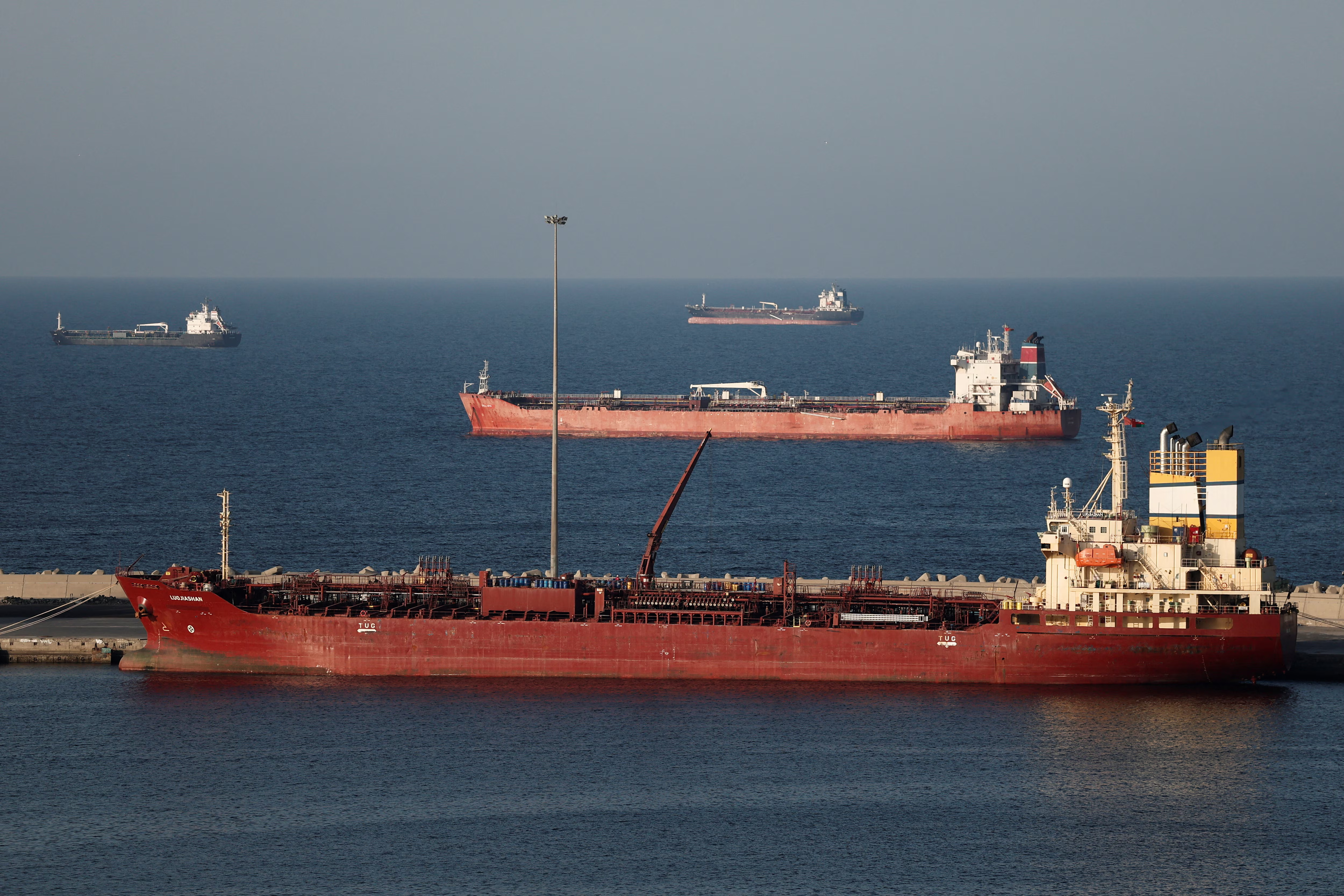
Washington, United States, April 2, 2026 (Parliament Politics Magazine) Global Oil Disruption Deepens After Trump Speech Fails to Reassure AmericansGlobal oil disruption has emerged as a defining issue in the United States in 2026, as former President Donald Trump’s latest speech failed to calm growing fears surrounding rising fuel costs and escalating tensions in the Strait. Delivered during a period of heightened geopolitical instability, the address was expected to provide clarity and confidence. Instead, it left many Americans uncertain about the future of energy prices and economic stability.
The speech comes as households across the nation face mounting financial pressure, with fuel prices continuing to climb and inflation impacting everyday expenses. While Trump attempted to emphasize resilience and long-term strength, critics argue that immediate concerns tied to global oil disruption were not adequately addressed.
Public Reaction Highlights Rising Concern
Public response to the speech was swift and, in many cases, critical. Americans were looking for clear solutions to the ongoing global oil disruption, but instead received broad messaging without specific policy direction.
From commuters to business owners, frustration is growing as fuel costs continue to rise. Analysts note that energy prices are a key driver of inflation, meaning that unresolved issues in global oil supply chains can have far-reaching consequences.
said one economic analyst.
“The uncertainty surrounding global oil disruption is what’s driving concern.”
Social media reactions echoed this sentiment, with many users expressing disappointment in the lack of actionable measures.
Strait Tensions Fuel Global Oil Disruption
The ongoing crisis in the Strait—one of the world’s most critical oil transit routes—has played a central role in intensifying global oil disruption. Any instability in this region directly impacts the flow of oil, leading to immediate reactions in global markets.
Experts warn that even minor disruptions can cause significant price spikes due to the fragile balance of supply and demand. The fear of potential escalation has already contributed to volatility in oil markets worldwide.
While Trump acknowledged the seriousness of the Strait situation, the absence of a detailed strategic plan has left both domestic and international observers concerned.
Economic Pressure Mounts Across the United States
For everyday Americans, global oil disruption is more than a geopolitical issue—it is a daily economic challenge. Rising fuel costs are increasing the price of goods, transportation, and essential services.
Small businesses, particularly those dependent on logistics and delivery, are feeling the strain. Many are being forced to make difficult decisions, including raising prices or cutting costs.
said a small business owner.
“We needed leadership and solutions, not uncertainty.”
The speech did little to alleviate these concerns, leaving many questioning what steps will be taken next.
Leadership Messaging Faces Scrutiny
One of the most significant criticisms of the speech is the disconnect between political messaging and economic reality. While the tone of the address focused on stability and resilience, Americans are experiencing the direct impact of global oil disruption in their daily lives.
Political analysts suggest that failing to address these concerns with clear and immediate actions could erode public confidence. The gap between what leaders say and what people experience continues to widen.
Energy Policy Debate Intensifies Nationwide
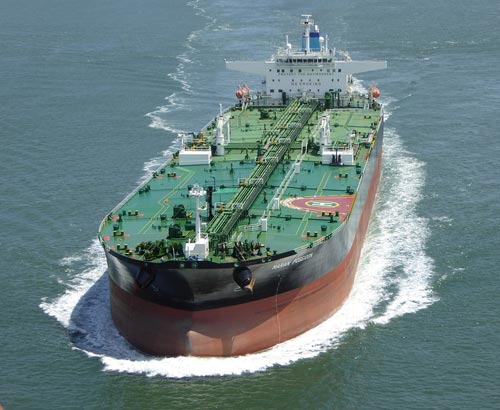
The ongoing global oil disruption has reignited debates about U.S. energy policy. Questions surrounding domestic oil production, renewable energy investment, and reliance on international markets are once again at the forefront.
Some experts advocate for increased domestic production to reduce vulnerability to global disruptions, while others emphasize the importance of accelerating the transition to renewable energy.
However, without clear guidance or policy direction, uncertainty continues to dominate discussions.
Markets React to Continued Uncertainty
Financial markets responded cautiously following the speech, reflecting ongoing uncertainty tied to global oil disruption. Energy stocks showed mixed performance, while oil prices remained volatile.
Investors appear hesitant to make significant moves without clearer signals from leadership. The lack of concrete policy announcements has contributed to market instability.
Analysts warn that prolonged uncertainty could have broader economic implications if not addressed promptly.
Global Implications Extend Beyond U.S. Borders
The impact of global oil disruption is not limited to the United States. The Strait crisis has significant implications for global trade, energy security, and international relations.
Countries around the world are closely monitoring the situation, as any escalation could disrupt supply chains and affect economic stability on a global scale.
The United States’ role in managing this crisis is critical, and the lack of detailed strategy in the speech has raised concerns among international observers.
Public Trust and Confidence at Risk
The reaction to the speech highlights a broader issue: public trust in leadership during times of crisis. As global oil disruption continues to impact daily life, Americans are looking for clear communication and decisive action.
Without it, uncertainty and frustration are likely to grow.
What Lies Ahead: Uncertain Path Forward
As tensions in the Strait persist and global oil disruption continues, the path forward remains unclear. Future developments will depend on both geopolitical actions and domestic policy decisions.
Americans are now watching closely for any signs of concrete action that could stabilize markets and ease economic pressure.
For now, however, uncertainty remains the defining factor.
Key Takeaways and What It Means Next
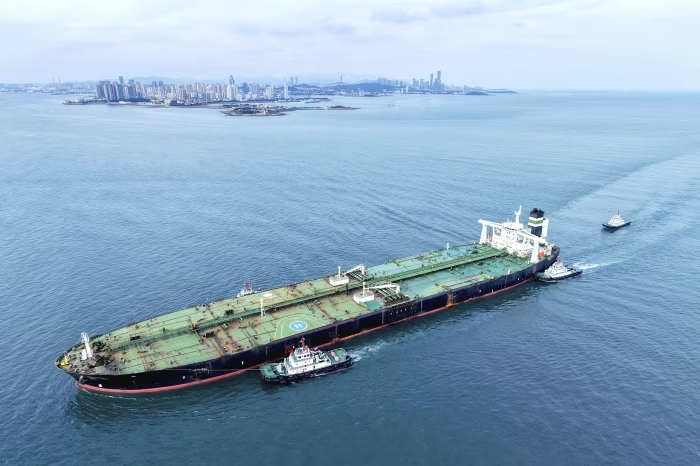
The global oil disruption crisis is intensifying as Trump’s speech fails to deliver clear solutions, leaving Americans frustrated and uncertain. With Strait tensions threatening oil supply and fuel costs rising, economic pressure continues to build nationwide. Markets remain volatile, leadership faces scrutiny, and the lack of decisive action raises serious concerns about the road ahead.