

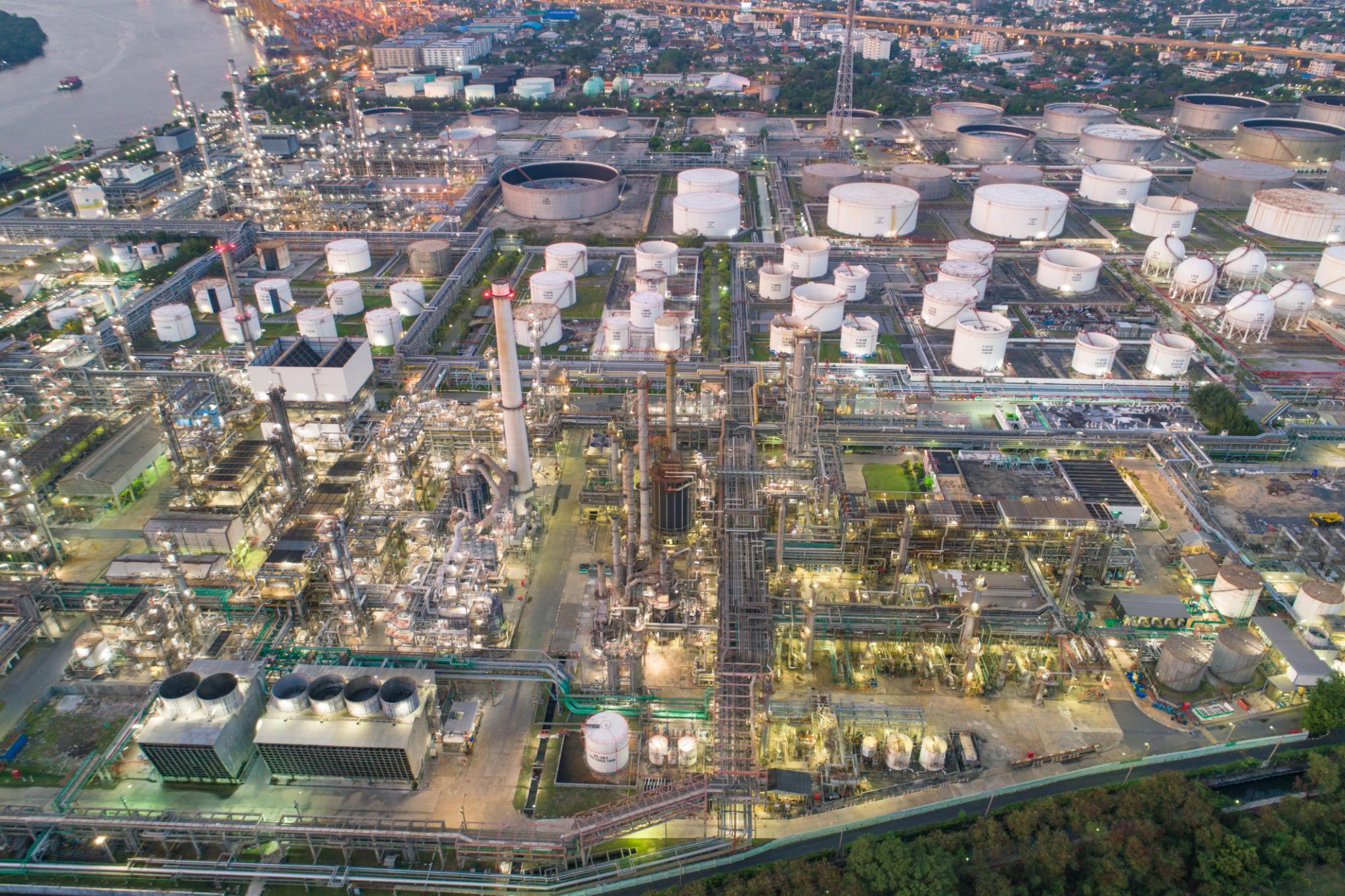
Washington, — March 20, 2026 — Parliament Politics Magazine — global oil supply disruption concerns are rapidly intensifying following the resignation of a top counterterrorism official in protest of the US war with Iran. The sudden departure has triggered alarm across both geopolitical and energy sectors, especially after the International Energy Agency warned that restoring oil and gas supply from the Gulf could take up to six months.
This convergence of political dissent and energy instability is raising fears of a prolonged crisis that could ripple through global markets and economies.
Resignation Signals Deep Strategic Concerns
The decision by a senior national security figure to step down has amplified concerns about the direction of US foreign policy. The resignation, reportedly linked to opposition over military escalation, is being seen as a critical moment in the unfolding crisis.
Officials familiar with the situation suggest that the growing global oil supply disruption risk played a key role in the decision. The official is believed to have warned about the long-term consequences of destabilizing a region that is central to global energy production.
A policy expert stated:
“When someone at this level resigns, it reflects serious internal disagreement and concern about broader global consequences.”
IEA Warning: Six-Month Timeline for Recovery
The International Energy Agency has issued a stark warning that the global oil supply disruption could persist for months, with Gulf infrastructure damage and security risks complicating restoration efforts.
According to the IEA chief, restoring normal operations may take up to six months, depending on the stability of the region and the ability to repair critical facilities.
This warning has heightened concerns among governments and businesses, as prolonged disruptions could lead to sustained price increases and supply shortages.
Energy Markets React with Volatility
The news of both the resignation and the escalating global oil supply disruption sent shockwaves through global markets. Oil prices surged almost immediately, reflecting investor fears of tightening supply.
Financial markets, already sensitive to geopolitical developments, reacted with increased volatility. Analysts noted that uncertainty surrounding both military strategy and energy availability is creating a highly unpredictable environment.
The combination of political instability and energy concerns is expected to influence everything from transportation costs to industrial output.
Internal Divisions Become Public
The resignation has exposed underlying divisions within US leadership, with differing views on how to handle the conflict with Iran. While some officials support a strong military response, others have advocated for diplomatic solutions to avoid exacerbating the global oil supply disruption.
These divisions are now becoming more visible, raising questions about policy consistency and long-term planning.
An insider remarked:
“There has been a growing debate behind closed doors, and this resignation has brought it into the open.”
Middle East Tensions Fuel Energy Fears
The ongoing conflict has significantly increased tensions across the Middle East, particularly in the Gulf region, where much of the world’s oil supply originates.
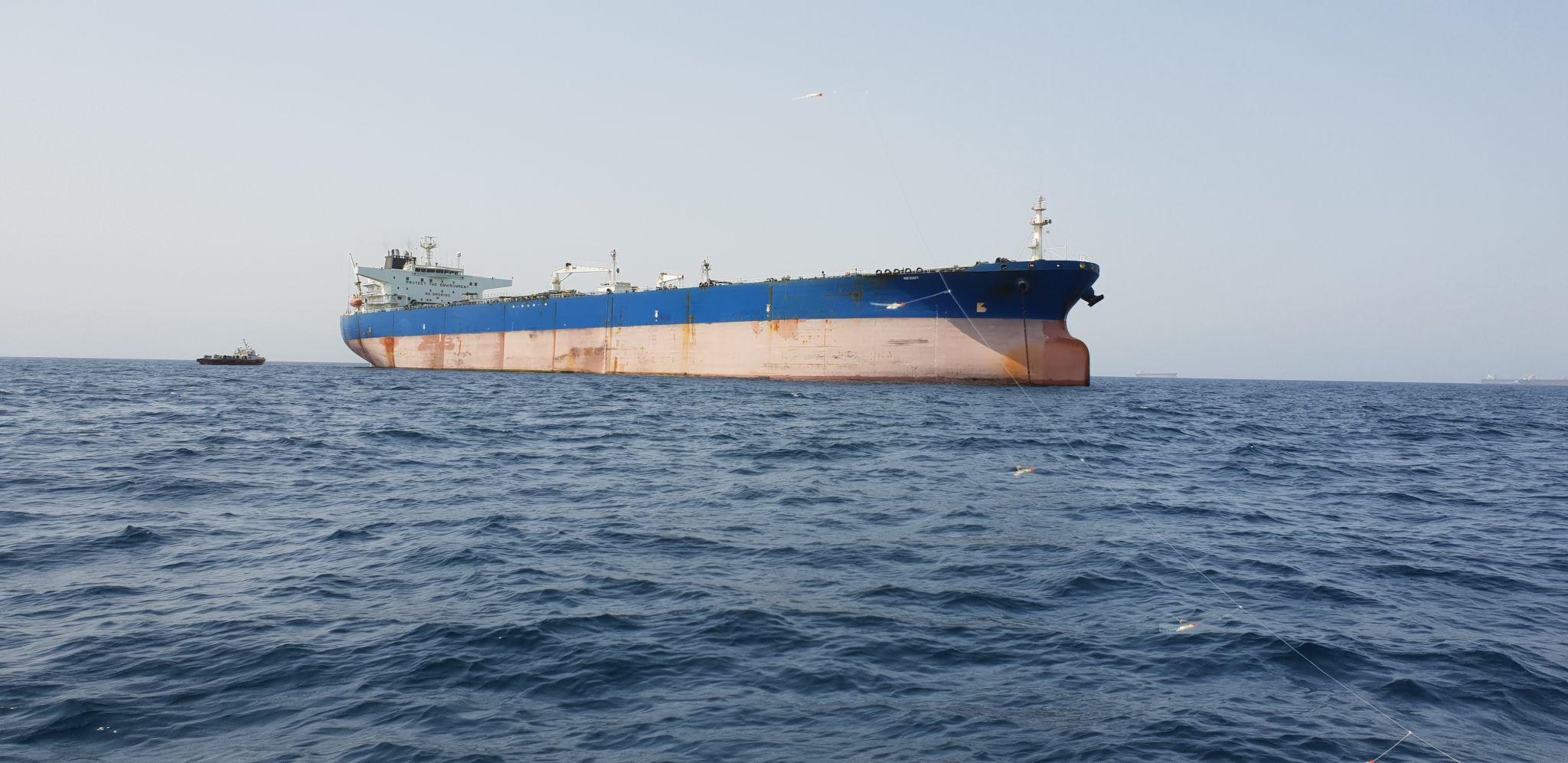
Shipping routes have become riskier, and insurance costs for tankers have risen sharply. These factors are contributing to the broader global oil supply disruption, as companies reassess their operations in the region.
Any further escalation could worsen the situation, potentially leading to even more severe disruptions.
Economic Impact Could Be Severe
A prolonged global oil supply disruption would have far-reaching economic consequences. Higher energy prices could drive inflation, reduce consumer spending, and slow economic growth.
Countries that rely heavily on imported oil are especially vulnerable, as they may face both higher costs and limited supply options.
Businesses across multiple sectors are already preparing for potential disruptions, including increased operational costs and supply chain challenges.
Political Pressure Intensifies in Washington
The resignation has prompted calls for greater transparency and accountability from US leadership. Lawmakers are seeking answers about the strategy behind the conflict and the potential risks associated with the global oil supply disruption.
Some officials are urging a reassessment of current policies, emphasizing the need to balance national security objectives with global economic stability.
Public concern is also growing, as citizens worry about the potential impact on fuel prices and overall economic conditions.
Experts Warn of a Prolonged Crisis
Analysts believe that the combination of military conflict and energy instability could lead to a prolonged crisis. The fact that a senior official chose to resign highlights the seriousness of the situation.
One energy analyst explained:
“The global oil supply disruption is not just a temporary issue—it could reshape energy markets for years.”
This perspective underscores the need for coordinated international efforts to stabilize both the region and global energy supply chains.
What Lies Ahead for Global Stability
The coming months will be critical in determining the trajectory of both the conflict and the energy market. Efforts to restore Gulf oil production will depend heavily on regional stability and international cooperation.
Meanwhile, governments and businesses are likely to explore alternative energy sources and strategies to mitigate the impact of the global oil supply disruption.
The situation remains fluid, with multiple variables influencing outcomes.
A Dual Crisis Unfolding
The intersection of geopolitical conflict and energy instability has created a complex and potentially dangerous situation. The resignation of a top official, combined with warnings of prolonged supply disruptions, highlights the gravity of the moment.
The global oil supply disruption is not just an energy issue—it is a global economic and security challenge that requires urgent attention.
one expert noted.
“The decisions made now will have lasting consequences.”
What This Crisis Means Next
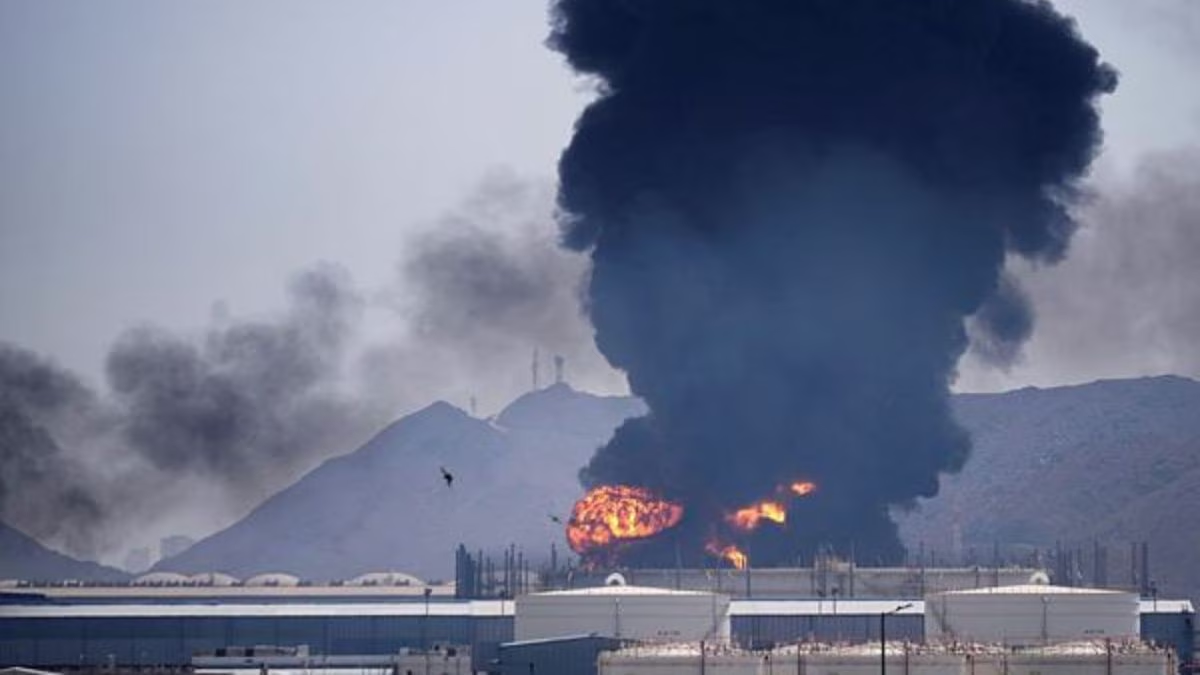
The global oil supply disruption is accelerating as a top counterterrorism official resigns over the US war with Iran, while the IEA warns Gulf oil restoration could take up to six months—raising fears of a long-term energy and economic crisis.
