Andaman Sea, Southeast Asia, April 15, 2026 (Parliament Politics Magazine) global refugee emergency is once again in sharp focus after a devastating maritime disaster left at least 250 people missing, many believed to be Rohingya refugees attempting a dangerous sea crossing. Survivor testimonies are beginning to emerge, revealing the extreme risks faced by displaced populations seeking safety.
The tragedy underscores the growing scale of humanitarian crises worldwide, where vulnerable communities are increasingly forced into life-threatening journeys. Search and rescue efforts are ongoing, but the chances of survival diminish with time.
“We had no food, no water, and nowhere to go. People were collapsing around us,”
one survivor recalled, describing the terrifying ordeal.
What Led to the Andaman Sea Disaster?
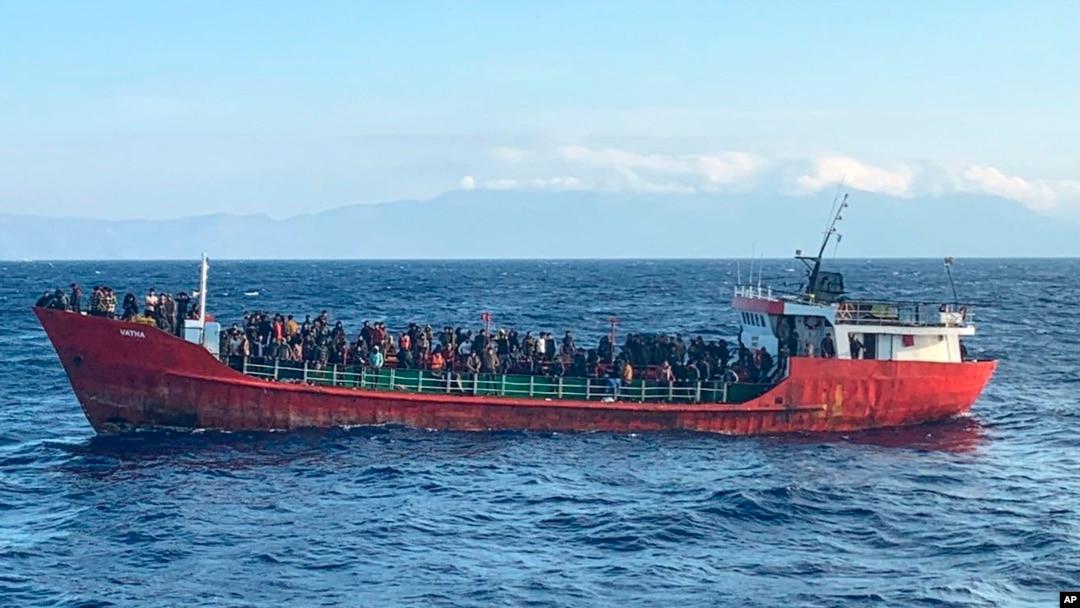
The global refugee emergency narrative has intensified following reports that the vessel involved in the Andaman Sea tragedy was overcrowded and poorly equipped. Early accounts suggest the boat suffered mechanical failure before capsizing or breaking apart in rough waters.
Such incidents are not isolated. They are part of a broader pattern of unsafe migration routes driven by desperation and lack of alternatives. Refugees often rely on smugglers who provide minimal safety assurances.
Authorities in the region have launched investigations, but initial findings point to systemic issues rather than a single cause.
Rohingya Crisis at the Heart of the Emergency
The global refugee emergency is deeply connected to the ongoing plight of the Rohingya people. Stateless and marginalized, many Rohingya refugees live in overcrowded camps with limited access to resources, education, and employment.
This lack of opportunity pushes many to undertake perilous journeys in search of better living conditions. The Andaman Sea route has become a common path despite its dangers.
“When survival is uncertain, people take risks they would never consider under normal circumstances,”
a humanitarian expert explained.
Survivor Accounts Paint a Grim Picture
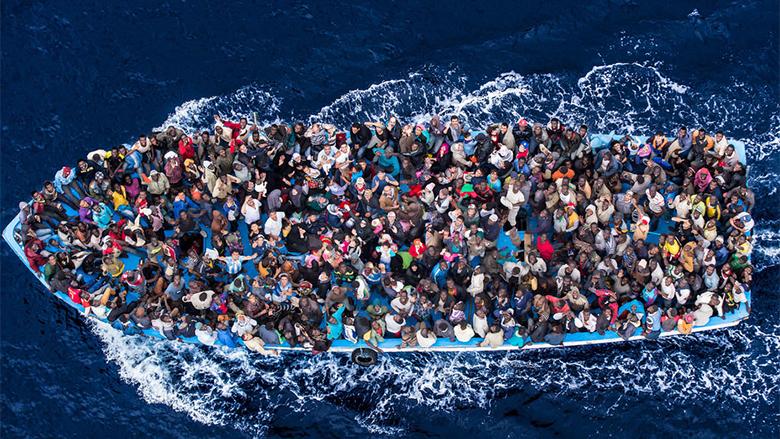
Survivors of the global refugee emergency unfolding in the Andaman Sea have shared harrowing details of their journey. Many described severe overcrowding, with passengers packed tightly into small vessels.
Basic necessities such as food and water were scarce, leading to illness and exhaustion among travelers. As conditions worsened, panic spread, and the situation quickly became unmanageable.
These accounts highlight the human cost of the crisis and the urgent need for intervention.
Search and Rescue Efforts Continue
Efforts to locate survivors of the global refugee emergency incident are ongoing. Naval forces, coast guards, and local fishing communities have joined the search, covering vast areas of the Andaman Sea.
Despite these efforts, the scale of the disaster presents significant challenges. Time is a critical factor, and the likelihood of finding survivors decreases with each passing day.
International organizations have called for increased coordination and resources to support rescue operations.
Human Trafficking Networks Under Pressure
The global refugee emergency has also brought renewed attention to human trafficking networks that exploit vulnerable populations. These networks often operate with little oversight, making enforcement difficult.
Smugglers frequently use unsafe vessels and prioritize profit over safety, putting lives at risk. Governments are facing growing pressure to crack down on these operations while addressing the underlying causes of migration.
Experts emphasize that enforcement alone will not solve the problem without broader policy changes.
Regional Response and Policy Challenges
The global refugee emergency has prompted responses from countries across Southeast Asia. Governments are being urged to provide safe harbor for survivors and to strengthen regional cooperation.
However, political and logistical challenges complicate these efforts. Limited resources, differing policies, and concerns about migration flows create barriers to coordinated action.
International support will be essential in addressing these challenges effectively.
Broader Implications for Global Migration
The global refugee emergency highlighted by the Andaman Sea tragedy reflects a wider trend affecting millions of people worldwide. Conflicts, economic instability, and environmental factors are driving displacement on an unprecedented scale.
Current migration systems are struggling to keep pace, often leaving refugees with few safe options. This gap increases reliance on dangerous routes and heightens the risk of tragedies.
Addressing these issues requires comprehensive international cooperation and long-term planning.
Environmental and Geographic Risks
The Andaman Sea itself presents significant challenges for migrants, adding another layer to the global refugee emergency. Unpredictable weather, strong currents, and vast distances make navigation difficult even under ideal conditions.
For overcrowded and poorly equipped vessels, these factors can quickly turn deadly. The region’s geography complicates rescue efforts, further increasing the risk for those at sea.
What Happens Next?
As the situation unfolds, the global refugee emergency will remain a key focus for policymakers and humanitarian organizations. Several critical questions remain:
- What measures can prevent similar tragedies?
- How can safe migration pathways be expanded?
- What role will the international community play?
The answers will shape future responses to refugee crises worldwide.
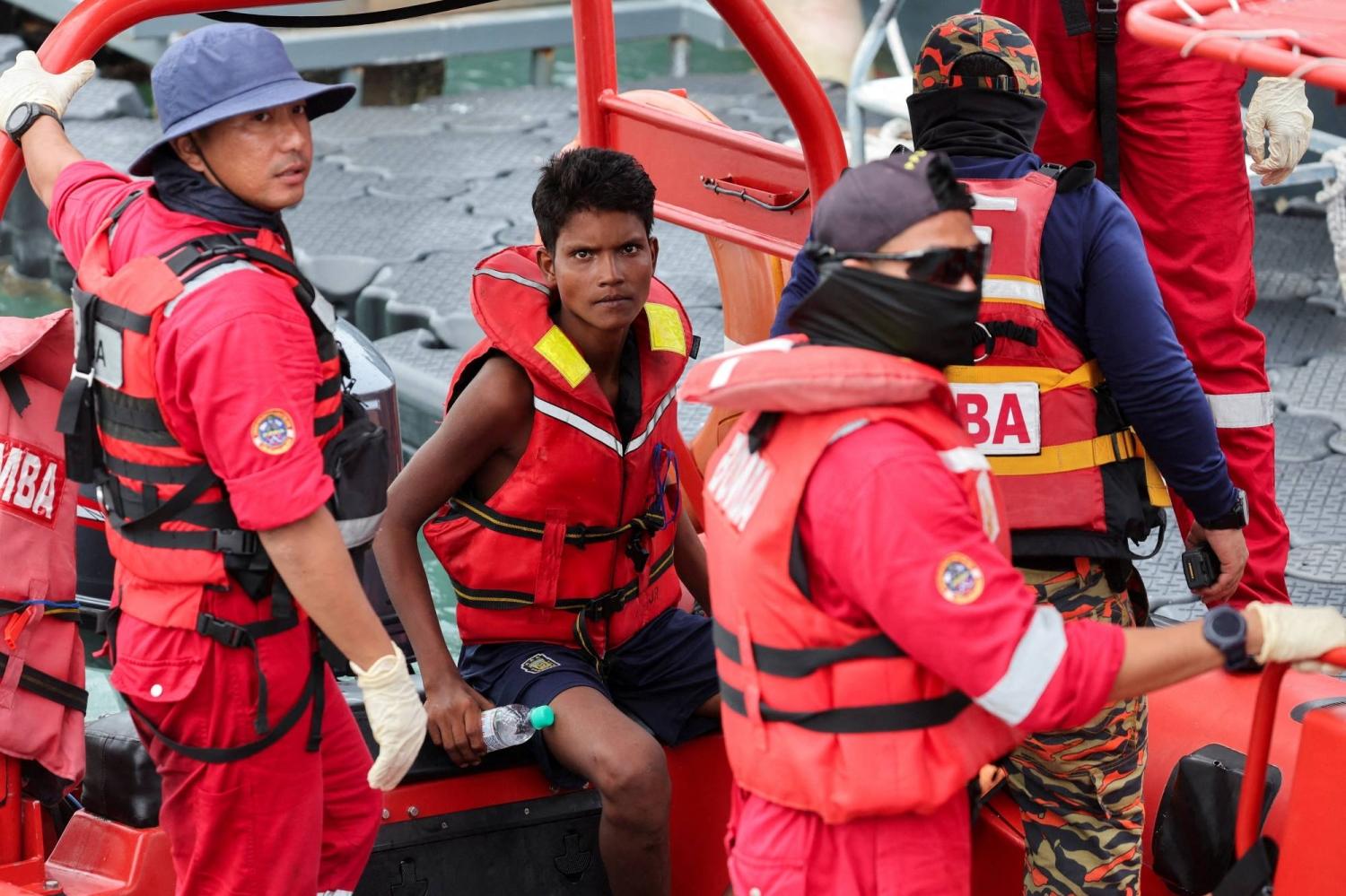
Global Crisis at Sea
The global refugee emergency has intensified following the Andaman Sea tragedy, where 250 people are feared missing. Survivor accounts reveal a desperate journey marked by overcrowding, lack of resources, and eventual disaster.
The incident highlights systemic failures in migration policy and the urgent need for global action. Without meaningful change, similar tragedies are likely to continue.