Iran has claimed responsibility for drone attacks targeting U.S. military forces stationed in Kuwait, escalating security concerns across the Middle East.
Defense systems were placed on high alert as investigators work to confirm the origin and impact of the aerial activity.
The incident is intensifying Gulf region tensions and raising fears of broader regional instability.
Kuwait City, Kuwait — March 5, 2026 — Parliament News — Security concerns across the Middle East intensified this week after Iran claimed it launched drone attacks targeting American military forces stationed in Kuwait. The development has rapidly heightened Gulf region tensions and prompted governments across the region to reassess security measures around military installations and strategic infrastructure.
According to early regional reports, several unmanned aerial vehicles were detected approaching restricted airspace near facilities used by U.S. forces. Air defense systems were reportedly placed on high alert while military officials began analyzing radar data and intelligence reports. Although the full details of the operation remain unclear, the situation has triggered significant concern among defense analysts and regional governments.
Why Kuwait Matters to Regional Security
Kuwait occupies one of the most strategic positions in the Middle East. Located along the northern edge of the Persian Gulf, the country serves as a major logistical hub for American military operations in the region. Thousands of U.S. troops are stationed at bases throughout Kuwait, supporting intelligence, logistics, and defensive operations.
Because of its geographic location between Iraq and Saudi Arabia and across the Gulf from Iran, Kuwait has long played a critical role in regional security architecture. Any incident involving military activity there can quickly escalate broader political tensions and intensify Gulf region tensions across the Middle East.
Kuwaiti authorities responded cautiously to the reported drone activity. Officials emphasized that the situation was under investigation while increasing surveillance around sensitive infrastructure and military facilities.
The Rise of Drone Warfare in the Middle East
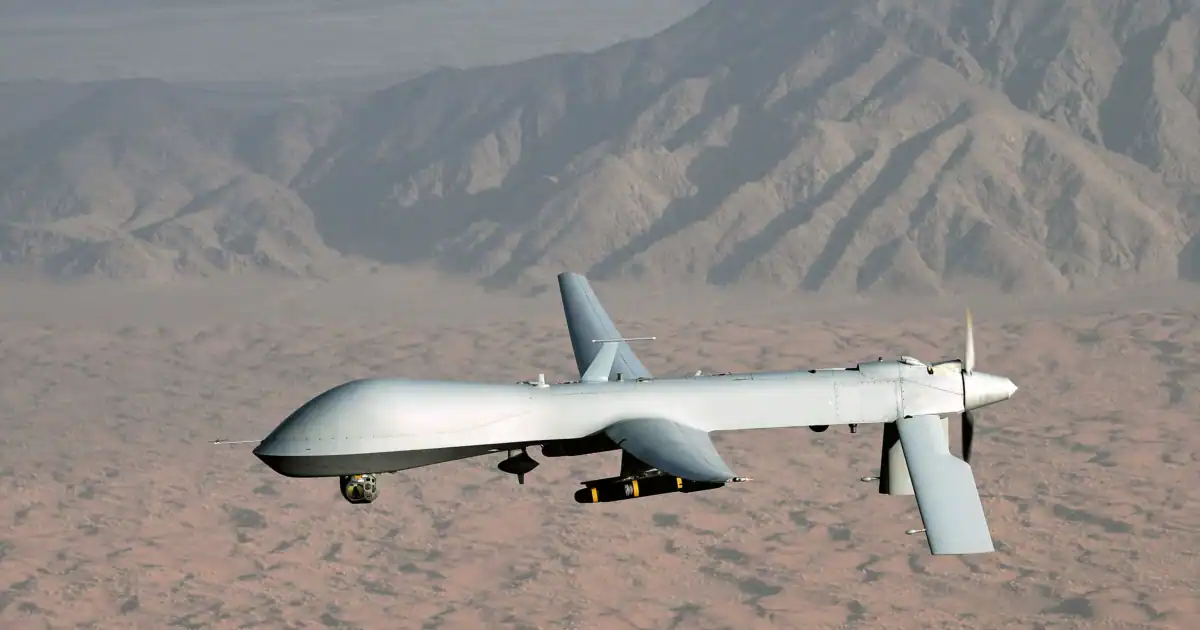
Over the past decade, drone technology has dramatically reshaped military strategy in the Middle East. Unmanned aerial vehicles are now widely used for reconnaissance, intelligence gathering, and targeted strikes. Their relatively low cost and ability to travel long distances make them a powerful tool in modern conflicts.
Iran has invested heavily in developing a sophisticated drone program capable of operating across the region. These systems range from small surveillance drones to more advanced aircraft capable of carrying explosive payloads.
Defense analysts say the increasing use of drones has contributed to rising Gulf region tensions, as these systems allow countries to conduct operations without risking traditional aircraft or pilots. In many cases, drones can also be launched from remote locations, making attribution more difficult.
Military Readiness and Defensive Measures
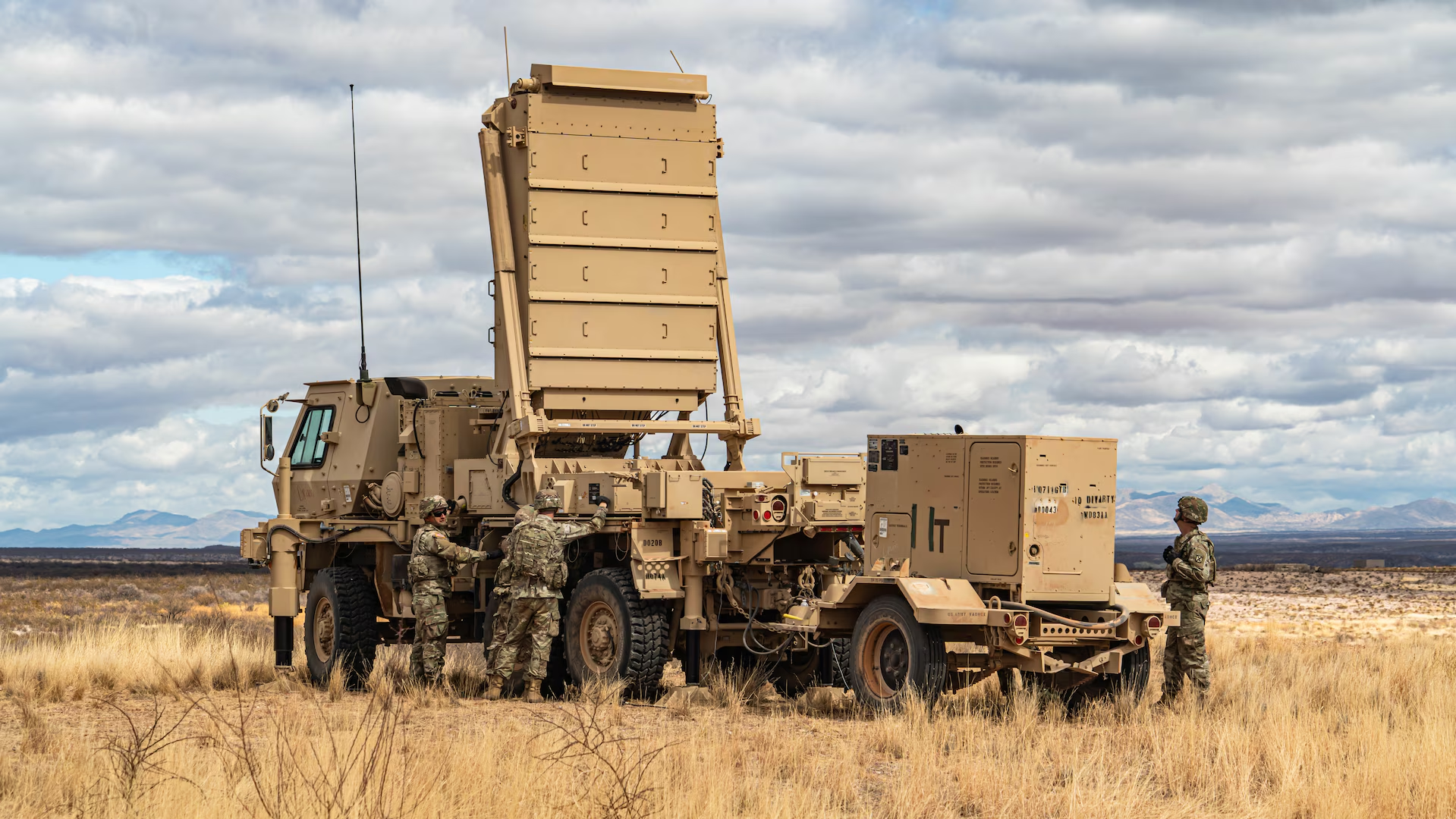
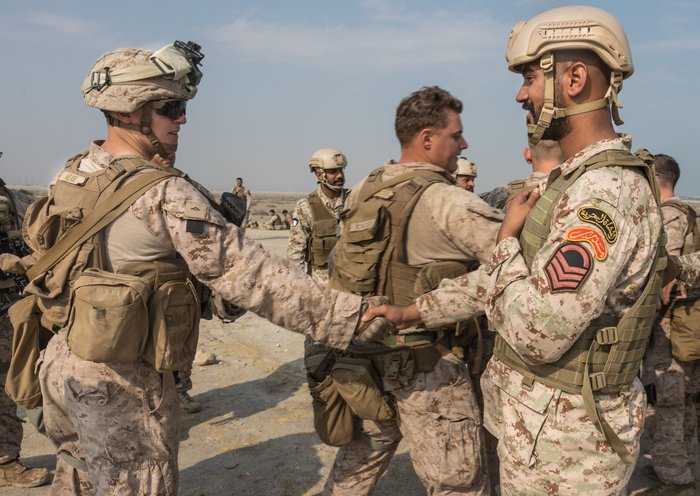
American military forces in Kuwait maintain advanced defense systems designed to detect and intercept aerial threats. These include radar networks, missile defense platforms, and electronic countermeasure technologies capable of neutralizing incoming drones or missiles.
Following the reported drone activity, defense officials confirmed that protective measures were activated to ensure the safety of personnel and infrastructure. Military commanders also began reviewing intelligence data to determine whether the incident was isolated or part of a broader operation.
Regional defense partnerships play an important role in managing these types of incidents. Countries across the Gulf frequently share intelligence and coordinate defensive strategies to reduce risks associated with rising Gulf region tensions.
Global Markets Watch the Situation Closely
Beyond the military implications, developments in the Persian Gulf often attract attention from global markets. The region remains one of the most critical corridors for international oil shipments, with a large percentage of the world’s energy supplies moving through nearby waterways.
When military incidents occur in the Gulf, traders and energy companies quickly assess the potential impact on supply routes and infrastructure. Even small disruptions can influence oil prices and global economic stability.
Because of this connection between security and energy markets, incidents that increase Gulf region tensions frequently generate international concern. Governments and businesses worldwide monitor developments closely to evaluate potential risks.
Historical Comparison to Earlier Gulf Conflicts
The latest incident also echoes earlier periods of confrontation in the region. One of the most significant examples occurred during the Gulf War in 1991, when Iraq invaded Kuwait and a coalition of international forces launched a military campaign to restore the country’s sovereignty.
That conflict reshaped the security landscape of the Middle East and reinforced the strategic importance of Kuwait as a partner for Western defense alliances. Since then, the Persian Gulf has remained a focal point for geopolitical rivalry involving multiple regional powers.
Today’s security challenges differ in many ways from those of earlier conflicts. Instead of large-scale conventional warfare, modern confrontations often involve cyber operations, missile systems, and drone technology. These evolving tactics have contributed to recurring periods of instability and rising Gulf region tensions.
Diplomatic Efforts to Prevent Escalation
Diplomatic channels are now playing a critical role in managing the situation. Regional governments and international organizations are encouraging dialogue and restraint to prevent the incident from escalating into a broader conflict.
Kuwait has historically served as a diplomatic mediator in regional disputes, maintaining communication with multiple political actors across the Middle East. Analysts say that role could become increasingly important if tensions continue to rise.
International observers are also urging all sides to avoid actions that could deepen Gulf region tensions or threaten stability in the Persian Gulf.
Expert Quote on the Growing Crisis
One regional security expert summarized the situation by saying,
“The Persian Gulf remains one of the most sensitive geopolitical regions in the world, and even a limited military incident can quickly influence global security dynamics.”
A Region Balancing Security and Stability
As investigations into the drone activity continue, governments across the Middle East remain on heightened alert. Military leaders are evaluating defensive readiness while diplomats attempt to reduce the risk of further escalation.
The events unfolding around Kuwait serve as another reminder that stability in the Persian Gulf remains fragile. Strategic rivalries, technological advances in warfare, and competing political interests continue to shape the region’s security landscape.
For now, the international community is watching closely to determine whether the reported incident will remain isolated or evolve into a broader confrontation. What remains certain is that developments affecting Gulf region tensions can have consequences far beyond the Middle East, influencing global markets, diplomatic relationships, and international security in the months ahead.