

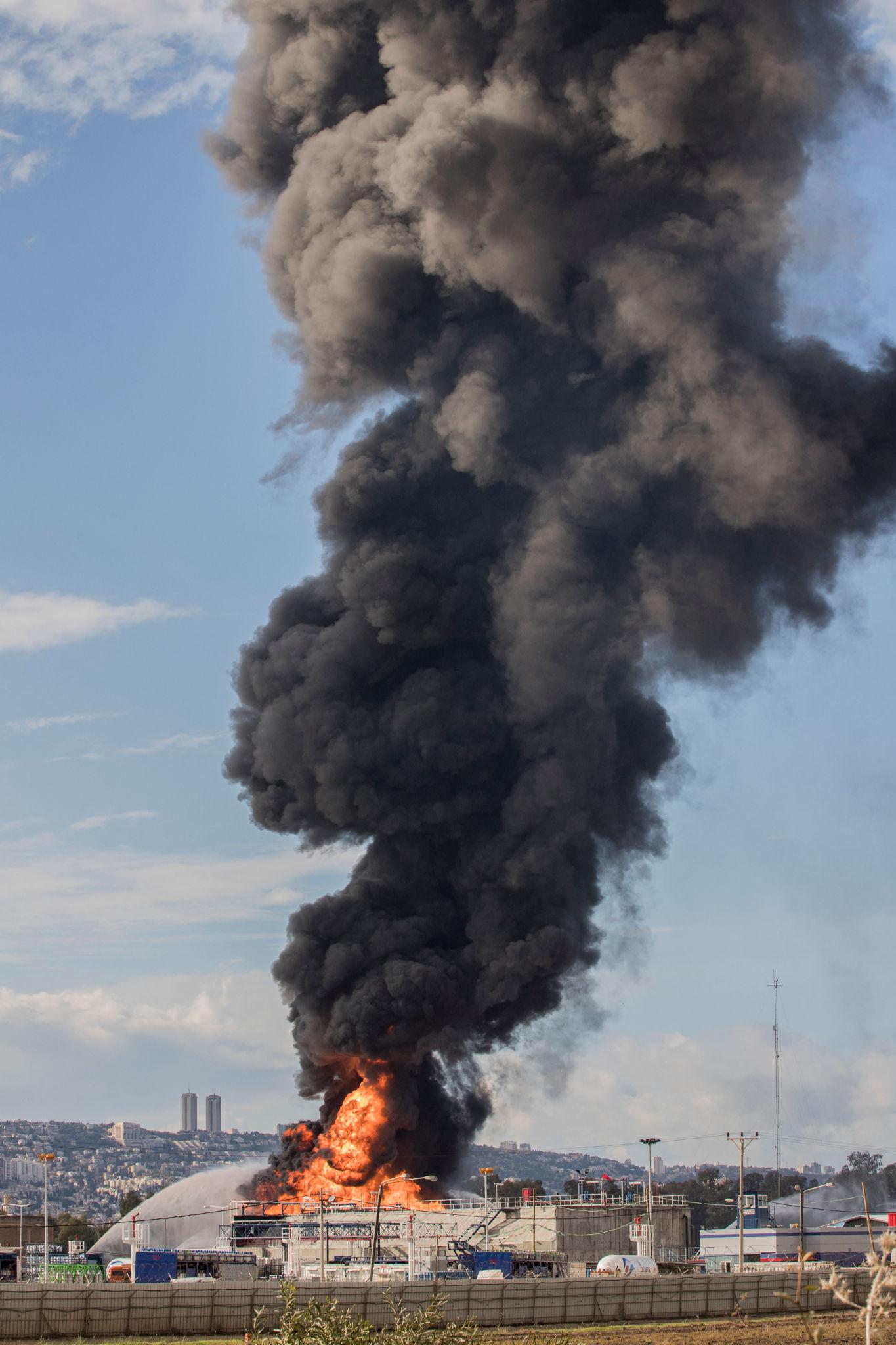
Haifa, Israel — March 19, 2026 — Parliament Politics Magazine — Haifa oil refinery strike reports emerged early Thursday after Israel’s Bazan Group facility was hit during a wave of missile activity linked to escalating tensions between Iran and Israel, triggering temporary power outages and raising fresh concerns over regional energy security.
The incident at the Bazan refinery complex in Haifa Bay sent thick black smoke into the sky, prompting rapid response efforts from Israeli emergency teams and energy officials.
According to Israel’s Energy Minister Eli Cohen, the strike caused localized disruption to the northern electricity grid, particularly affecting high-tension transmission lines. While the refinery itself remained largely operational, the surrounding infrastructure experienced short-term instability.
“The damage was limited and quickly contained, but it highlights the vulnerability of critical energy infrastructure,”
Cohen stated.
Electricity outages were reported across Haifa and nearby Krayot suburbs. Authorities confirmed that power was restored to most residential areas within hours, although some industrial facilities experienced longer disruptions.
Was It a Direct Hit or Intercepted Debris?
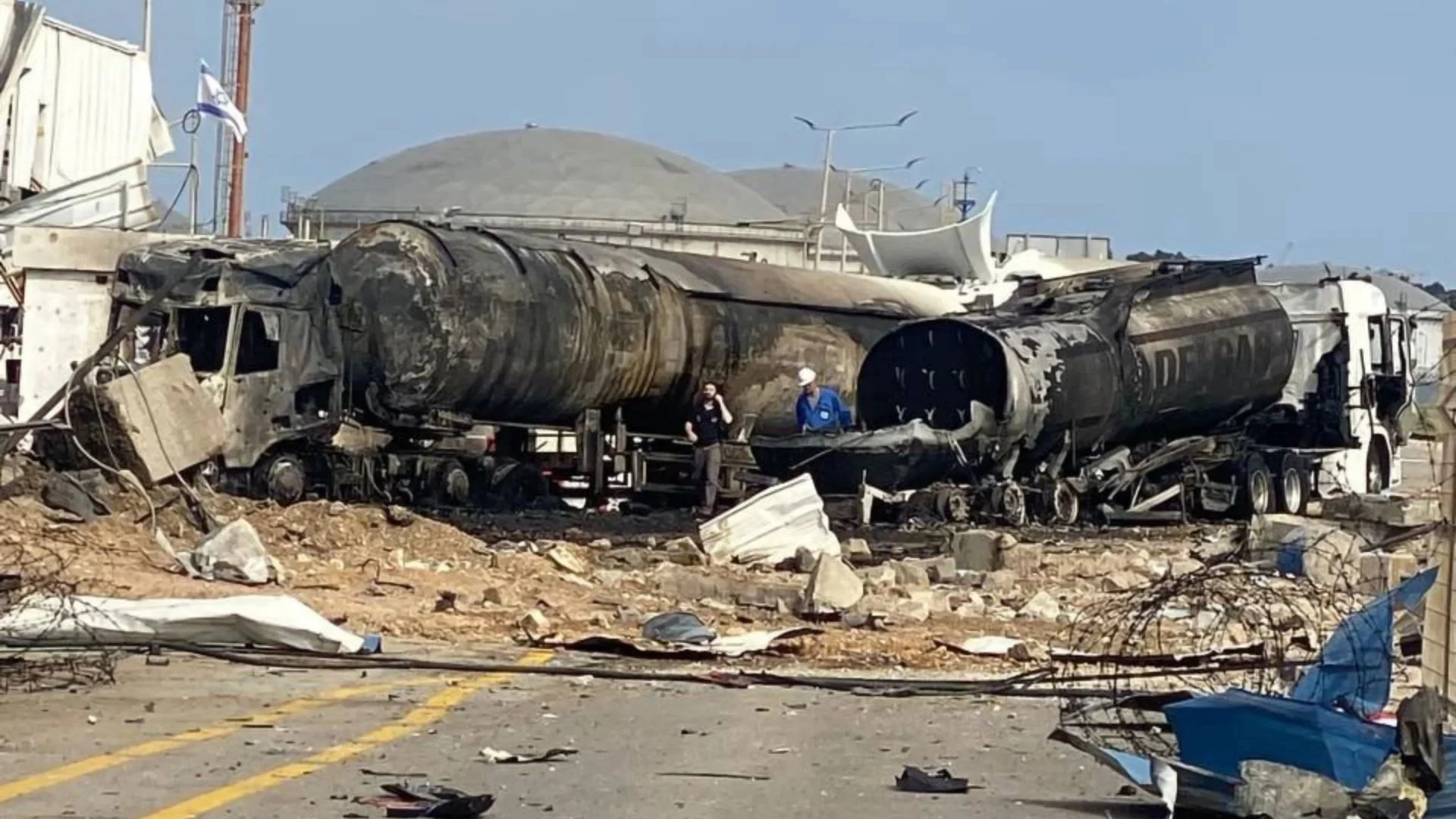
Early assessments suggest the Haifa oil refinery strike may not have been a direct missile hit. Instead, Israeli defense systems likely intercepted a ballistic missile, with cluster munition fragments or debris falling onto the refinery zone.
This distinction is critical, as it reflects the effectiveness of Israel’s missile defense systems while also exposing the risks posed by falling debris in densely populated or industrial areas.
Video footage circulating online showed multiple smoke plumes, reinforcing the theory that debris, rather than a direct strike, caused the damage.
Casualties and Safety Reports
Despite the dramatic visuals, the human impact of the Haifa oil refinery strike remained limited:
- No serious injuries were reported at the refinery site
- One civilian in nearby Yokneam suffered minor injuries from falling shrapnel
- Emergency services responded quickly, preventing escalation
Israel’s Ministry of Environmental Protection also conducted immediate safety inspections, confirming:
- No hazardous material leaks
- No air or water contamination detected
- No long-term environmental damage identified
These findings helped ease public concerns, especially given the refinery’s role in handling sensitive petrochemical materials.
Energy Grid Disruption and Recovery
The most significant consequence of the Haifa oil refinery strike was its impact on electricity infrastructure.
A high-voltage transmission line was damaged, leading to cascading outages across northern Israel. Energy officials prioritized rapid restoration efforts, deploying repair crews within minutes.
Key outcomes included:
- Fast restoration of residential electricity
- Temporary shutdowns in industrial zones
- Increased monitoring of grid stability
This incident underscores how even limited physical damage can trigger wider energy disruptions, particularly in regions heavily reliant on centralized infrastructure.
Regional Escalation: A Broader Pattern of Attacks
The Haifa oil refinery strike did not occur in isolation. It is part of a wider escalation across the Middle East, with reported strikes targeting energy facilities in:
- Qatar
- Saudi Arabia
- United Arab Emirates
These coordinated or parallel incidents signal a strategic shift toward targeting energy infrastructure, a move that could have global consequences.
“Energy facilities are now clearly part of the battlefield, not just collateral risk,”
a regional security analyst noted.
The situation reflects growing tensions between Iran and Israel, with both sides increasingly engaging in indirect and proxy confrontations.
Global Oil Market Concerns Begin to Rise
Although the physical damage in Haifa was limited, the psychological and strategic impact is already influencing global markets.
Energy analysts warn that attacks like the Haifa oil refinery strike could:
- Increase oil price volatility
- Disrupt supply chains
- Raise insurance and shipping costs
- Trigger investor uncertainty
Even minor disruptions in key regions can create outsized effects on global energy pricing, particularly when combined with geopolitical instability.
Strategic Importance of Haifa’s Bazan Refinery
The Bazan Group refinery is one of Israel’s most critical energy assets, responsible for refining crude oil and supplying fuel across the country.
Its importance includes:
- Supporting transportation and logistics
- Supplying petrochemical industries
- Maintaining national energy independence
A sustained disruption at this facility would have significant economic and security implications, making it a high-value target during regional conflicts.
Historical Context: Energy Infrastructure as a Target
The Haifa oil refinery strike reflects a growing global trend where energy infrastructure becomes a primary target in conflicts.
In recent years:
- Oil facilities in Saudi Arabia have been attacked
- Pipelines in Europe have faced sabotage
- Energy grids have been targeted in cyber warfare
This shift indicates a broader strategy aimed at crippling economies rather than just military forces.
What Comes Next for Israel and the Region
Following the Haifa oil refinery strike, Israel is expected to:
- Increase air defense coverage around key infrastructure
- Enhance grid resilience and redundancy
- Prepare for potential further escalation
Meanwhile, regional tensions remain high, with the possibility of retaliatory actions or expanded conflict zones.
Global stakeholders are closely watching developments, particularly in the energy sector, where even small disruptions can have far-reaching consequences.
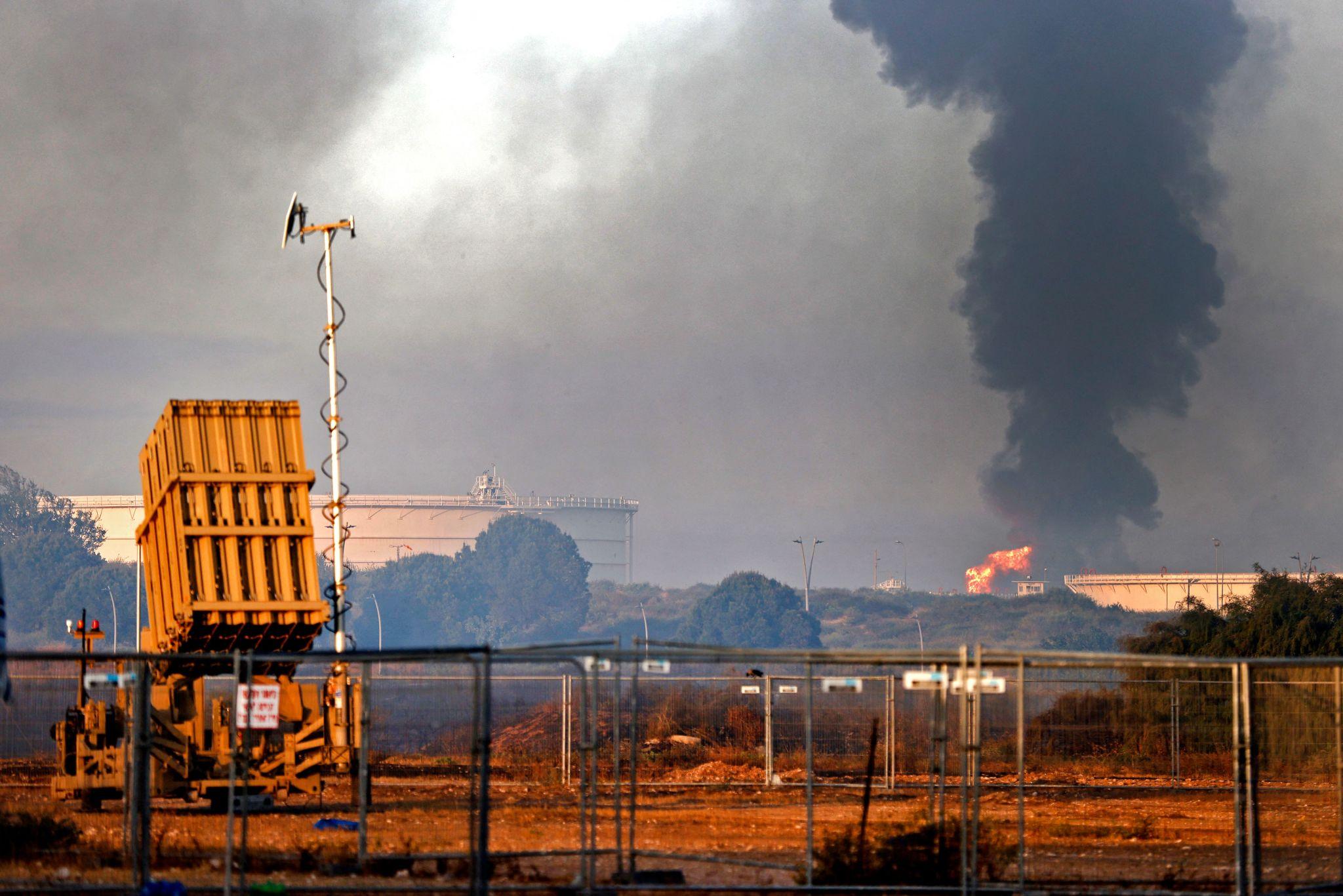
Summary: “Energy Shock Alert 2026”
The Haifa oil refinery strike highlights a dangerous shift in modern conflict, where energy infrastructure is increasingly targeted. While damage in Haifa was limited and quickly contained, the broader implications are far more serious.
With rising tensions between Iran and Israel and simultaneous attacks across the Middle East, the risk to global energy stability is growing. Markets are reacting cautiously, and governments are preparing for potential escalation.
The incident serves as a warning: even minor strikes can trigger major consequences in today’s interconnected energy landscape.
