


WASHINGTON, DC — February 14, 2026 — Parliament News — Federal judges across the United States are continuing to examine immigration detention procedures amid growing legal debate over ICE court violations. Court filings show that judges in multiple jurisdictions have scrutinized bond hearing access, statutory timelines, and procedural compliance in civil immigration detention cases.
The issue has become a focal point of constitutional discussion in 2026, with courts reaffirming that immigration enforcement authority operates within legal boundaries established by Congress and interpreted by the judiciary.
Federal Courts Increase Oversight of Immigration Detention
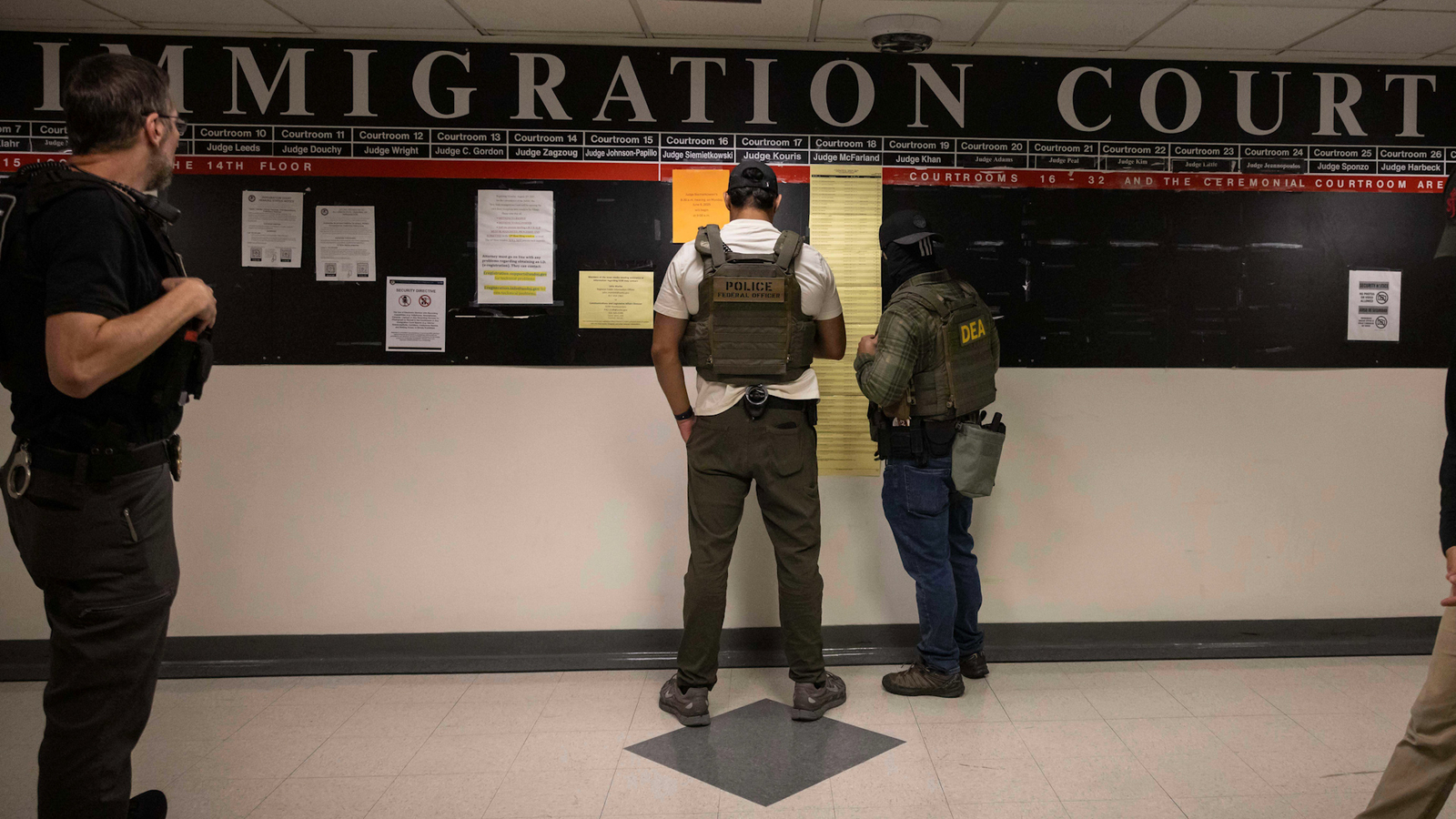
Across multiple jurisdictions, judges have reviewed cases alleging ICE court violations involving prolonged detention, delayed hearings, and administrative missteps. Many of these cases arise from habeas corpus petitions filed by detainees contesting the legality of their confinement.
Federal judges have frequently examined whether immigration authorities complied with statutory deadlines and whether detainees were granted meaningful opportunities to challenge their detention. In some rulings, courts ordered immediate bond hearings or release after determining procedures failed to meet constitutional standards.
An appellate judge stated during a recent proceeding,
“Due process protections are fundamental, even within civil immigration enforcement.”

Constitutional Foundations Shape Judicial Decisions
The Fifth Amendment’s guarantee of due process remains central to the debate. Courts reviewing ICE court violations often assess whether detention without individualized review crosses constitutional boundaries.
Although immigration detention is categorized as civil rather than criminal, federal courts have consistently reaffirmed that constitutional protections still apply. Legal experts argue that when detention extends without adequate review, judicial intervention becomes necessary.
Government attorneys maintain that detention decisions operate within congressional authority and evolving legal interpretations. However, the judiciary continues to evaluate each case on its merits.
Legal Trends and Nationwide Patterns
Case data indicates that challenges involving ICE court violations have steadily increased over the past decade. Legal scholars attribute this trend to both evolving statutory interpretations and expanded litigation efforts by detainees seeking judicial relief.
Certain appellate circuits have narrowed detention authority under specific statutes, while others have deferred more broadly to executive discretion. This divergence has produced regional differences in how courts handle detention cases.
Policy researchers suggest that legislative clarification could reduce inconsistencies, though comprehensive reform remains politically complex.
Human Impact Behind the Courtroom Proceedings
Beyond legal arguments, immigration detention cases carry significant human consequences. Families often endure prolonged separation while detainees await court decisions. Employment disruptions and financial strain commonly follow extended confinement.
Advocacy groups contend that recurring ICE court violations undermine trust in institutional fairness. They argue that consistent judicial findings indicate systemic gaps requiring stronger oversight.
Community organizations in several states report that fear of detention discourages some immigrants from seeking lawful remedies or appearing for court proceedings.
Executive Response and Administrative Measures
In response to judicial scrutiny, federal authorities have updated detention review protocols and compliance procedures. Officials state that reforms aim to reduce procedural errors and prevent future ICE court violations.
Internal guidance issued in recent years has emphasized documentation accuracy, bond hearing scheduling, and supervisory oversight. Training initiatives have also been expanded to align enforcement practices with court rulings.
Despite these measures, litigation continues across federal courts, reflecting the complexity of immigration law and ongoing legal challenges.
Legislative Debate in Washington
Lawmakers in Washington remain divided over immigration detention policy. Some members of Congress argue that recurring ICE court violations reveal statutory ambiguity and inconsistent enforcement standards.
Proposals under discussion include enhanced compliance audits, expanded access to legal representation, and clearer statutory guidelines governing detention length and bond eligibility.
Opponents caution that additional restrictions could impede enforcement efforts, particularly in cases involving public safety concerns. The debate reflects broader national divisions on immigration policy.
Historical Development of Immigration Detention Review
Judicial oversight of immigration enforcement dates back more than a century. Courts have repeatedly examined executive authority in immigration matters, especially when detention practices raised constitutional concerns.
Supreme Court rulings in the 20th and early 21st centuries clarified that while Congress holds broad power over immigration, that authority is not unlimited. Modern cases involving ICE court violations reflect this longstanding judicial tradition of balancing national sovereignty with individual liberty protections.
Legal historians note that detention standards have evolved significantly, shaped by both statutory amendments and constitutional interpretation.
International Attention and Policy Comparisons
Developments in U.S. immigration law often attract international interest. Observers in Europe and elsewhere have followed cases involving ICE court violations, analyzing how American courts address detention oversight.
Comparative research shows that democratic nations vary in detention practices and judicial review mechanisms. International legal scholars emphasize that transparency and constitutional compliance remain key benchmarks for evaluating detention systems.
While U.S. immigration policy remains domestically governed, global attention underscores the significance of constitutional accountability.
Transparency and Data Disclosure Efforts
Calls for enhanced transparency have intensified alongside litigation involving ICE court violations. Advocacy organizations seek standardized reporting of detention statistics and judicial outcomes.
Federal agencies have expanded public data releases, though critics argue that transparency alone cannot resolve structural challenges. Some policy proposals include independent review boards and expanded inspector general oversight to monitor compliance with court directives.
Oversight remains a central theme in ongoing reform discussions.
Public Opinion and Civic Dialogue
Immigration enforcement continues to rank among the most debated public policy issues in 2026. Polling indicates that Americans support both border security measures and constitutional due process protections.
References to ICE court violations have entered mainstream policy discourse, reflecting growing awareness of judicial findings. Civil rights organizations emphasize procedural fairness, while enforcement advocates stress statutory mandates.
The debate illustrates the tension between competing priorities in a diverse democratic society.
The Role of the Supreme Court Moving Forward
Several pending cases may reach the Supreme Court, potentially clarifying detention authority nationwide. Legal experts anticipate that high court guidance could influence how lower courts interpret future claims of ICE court violations.
Until such rulings emerge, district and appellate courts will continue evaluating detention challenges individually. Observers expect judicial oversight to remain a defining feature of immigration policy.
A constitutional law professor told Brussels Morning Newspaper,
“Judicial review is not an obstacle to enforcement; it is a safeguard of constitutional order.”
Future Outlook for Immigration Enforcement
Policy analysts forecast continued litigation and incremental administrative reform. Courts are likely to maintain active oversight, particularly in cases involving prolonged detention without bond hearings.
Efforts to address ICE court violations may involve statutory clarification, enhanced training, or expanded judicial review mechanisms. Whether reform occurs through Congress or executive action remains uncertain.
The judiciary’s role as a constitutional check will likely persist, shaping enforcement boundaries for years to come.
Constitutional Accountability in 2026
The ongoing scrutiny of immigration detention practices highlights the enduring balance between enforcement authority and constitutional protections. As courts continue reviewing cases involving ICE court violations, policymakers face renewed pressure to ensure compliance with due process standards.
For now, federal judges remain central arbiters in determining whether detention practices align with constitutional principles. The national conversation surrounding immigration enforcement is expected to intensify throughout 2026 as legal, political, and civic debates continue.