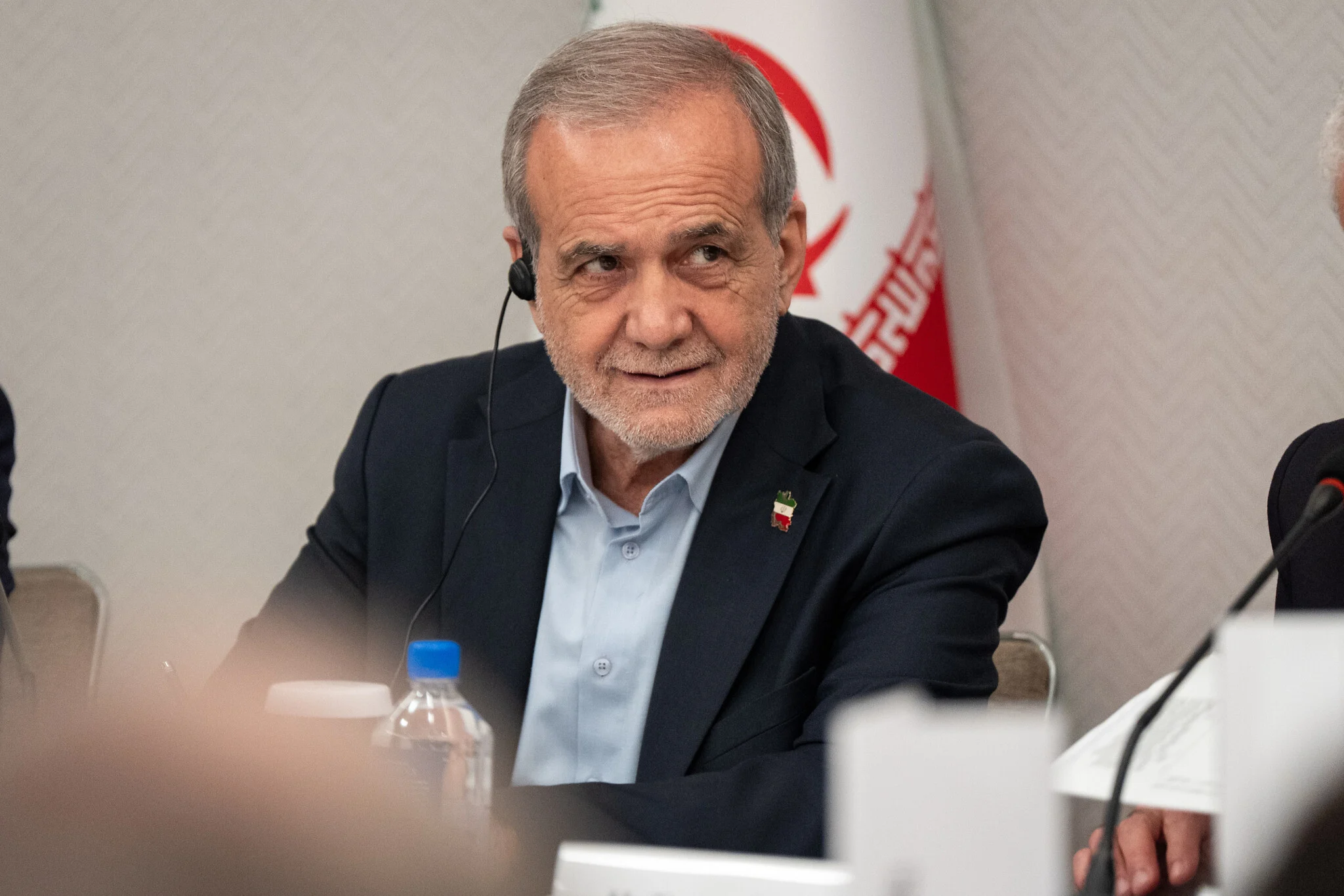
Tehran, April 08, 2026 (Parliament Politics Magazine) Iran conflict domestic stability has become a central focus for the country’s leadership as the Supreme National Security Council called on citizens to remain united during a critical phase of the ongoing war. Officials emphasized that internal cohesion is essential to sustaining resilience as the nation navigates military pressure, economic strain, and political uncertainty.
The call comes alongside a temporary pause in hostilities and ongoing diplomatic efforts, yet authorities warn that the situation remains fragile. Iran has declared that unity will be key to consolidating what it views as gains while preparing for potential future escalation.
Security Council Pushes Unity as Strategic Defense
The renewed emphasis on Iran conflict domestic stability reflects a calculated strategy by leadership to strengthen internal cohesion during wartime. The Supreme National Security Council, which coordinates defense and national policy, has framed unity as a critical element of national security.
Officials have stressed that maintaining stability within the country is just as important as military operations abroad. By reinforcing solidarity, the government aims to prevent internal divisions that could weaken its position.
“National unity is now the backbone of survival,”
one official stated, underscoring the urgency behind the message.
Public Mobilization Signals Internal Priorities
Recent developments show that Iran conflict domestic stability is not just rhetoric but part of a broader mobilization effort. Citizens have been encouraged to participate in visible acts of unity, including gathering around key infrastructure sites and public demonstrations of support.
These actions serve multiple purposes:
- Reinforcing national morale
- Deterring potential attacks on critical infrastructure
- Demonstrating internal strength to external adversaries
Such mobilization reflects how leadership is leveraging public participation to maintain stability under pressure.
War Pressure Strengthens Internal Cohesion
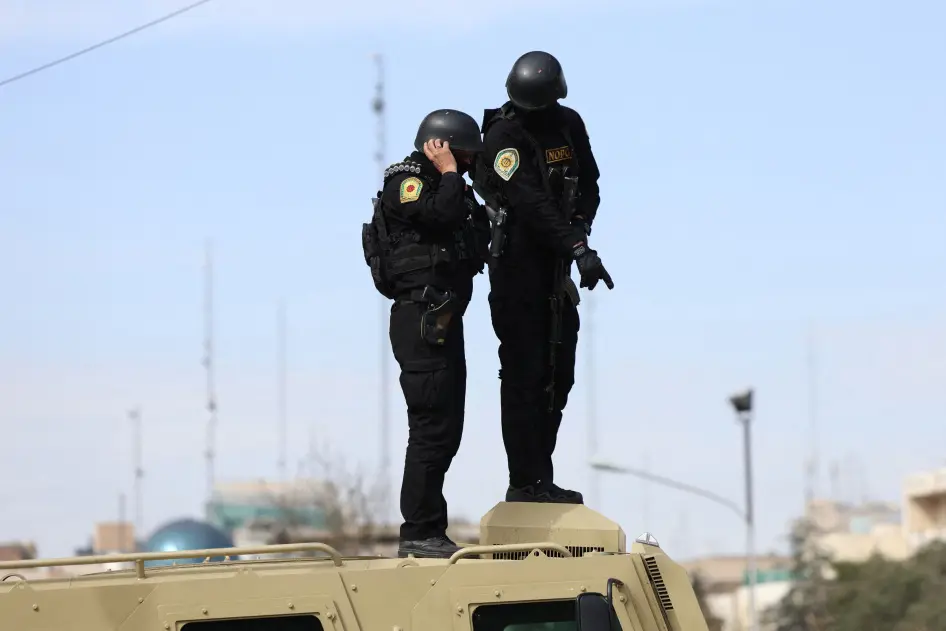
Despite sustained military strikes and leadership losses, Iran’s government appears to be consolidating control rather than weakening. Analysts note that Iran conflict domestic stability has been reinforced by a rally-around-the-flag effect, where external threats increase internal unity.
Public appearances by senior officials and organized rallies have been used to project confidence and resilience. These efforts aim to reassure citizens while signaling continuity in governance.
At the same time, the leadership transition following the assassination of top figures has further intensified the focus on stability.
Economic Strain Adds Pressure to Stability Efforts
Economic challenges are a major factor shaping Iran conflict domestic stability. The war has disrupted trade, impacted energy exports, and contributed to inflationary pressures.
The Strait of Hormuz, a vital global shipping route, has become a focal point of both economic and military tensions. Disruptions there have affected global energy markets and increased domestic economic uncertainty.
Officials argue that unity is essential to managing these pressures, emphasizing collective resilience in the face of hardship.
Internal Risks Remain Despite Calls for Unity
While leadership is promoting cohesion, underlying challenges to Iran conflict domestic stability persist. Analysts warn that internal fractures could emerge if economic conditions worsen or if the conflict prolongs.
Potential risks include:
- Public dissatisfaction due to economic hardship
- Political divisions within leadership structures
- Social unrest if stability measures fail
- External efforts to exploit internal vulnerabilities
These factors highlight the complexity of maintaining stability during prolonged conflict.
Regional and Global Implications
The focus on Iran conflict domestic stability has implications beyond Iran’s borders. A stable internal environment allows Iran to maintain its strategic posture in the region.
Conversely, any breakdown in domestic stability could lead to broader regional instability, affecting neighboring countries and global markets.
International observers are closely monitoring the situation, recognizing that internal dynamics within Iran can influence the trajectory of the wider conflict.
Diplomatic Window Adds Complexity
The current ceasefire and diplomatic discussions add another layer to the Iran conflict domestic stability equation. While negotiations offer hope for de-escalation, they also create uncertainty.
Leaders must balance:
- Maintaining internal unity
- Engaging in diplomatic negotiations
- Preparing for potential renewed conflict
This balancing act underscores the importance of stability as both a domestic and strategic priority.
Public Sentiment and Government Messaging
Public sentiment plays a critical role in shaping Iran conflict domestic stability. Government messaging has focused heavily on unity, resilience, and national identity.
However, reactions among citizens vary. While many support calls for unity, others remain concerned about the long-term impact of the conflict.
The effectiveness of stability efforts will depend on how well leadership can address these concerns while maintaining cohesion.
Is Stability Sustainable in Prolonged Conflict?
A key question surrounding Iran conflict domestic stability is whether current efforts can be sustained over time. While unity can provide short-term strength, long-term stability requires effective governance and economic management.
Experts suggest that maintaining stability will depend on:
- Continued public support
- Successful economic policies
- Progress in diplomatic efforts
Without these elements, the risk of instability could increase.
Key Takeaways
The emphasis on Iran conflict domestic stability highlights the critical role of internal cohesion during a time of war and uncertainty.
- The Security Council has called for national unity
- Public mobilization is reinforcing internal stability
- External pressure has strengthened internal cohesion
- Economic challenges are increasing the stakes
- Long-term stability remains uncertain
As the situation evolves, the ability to maintain domestic stability will play a decisive role in shaping Iran’s future and the broader regional landscape.