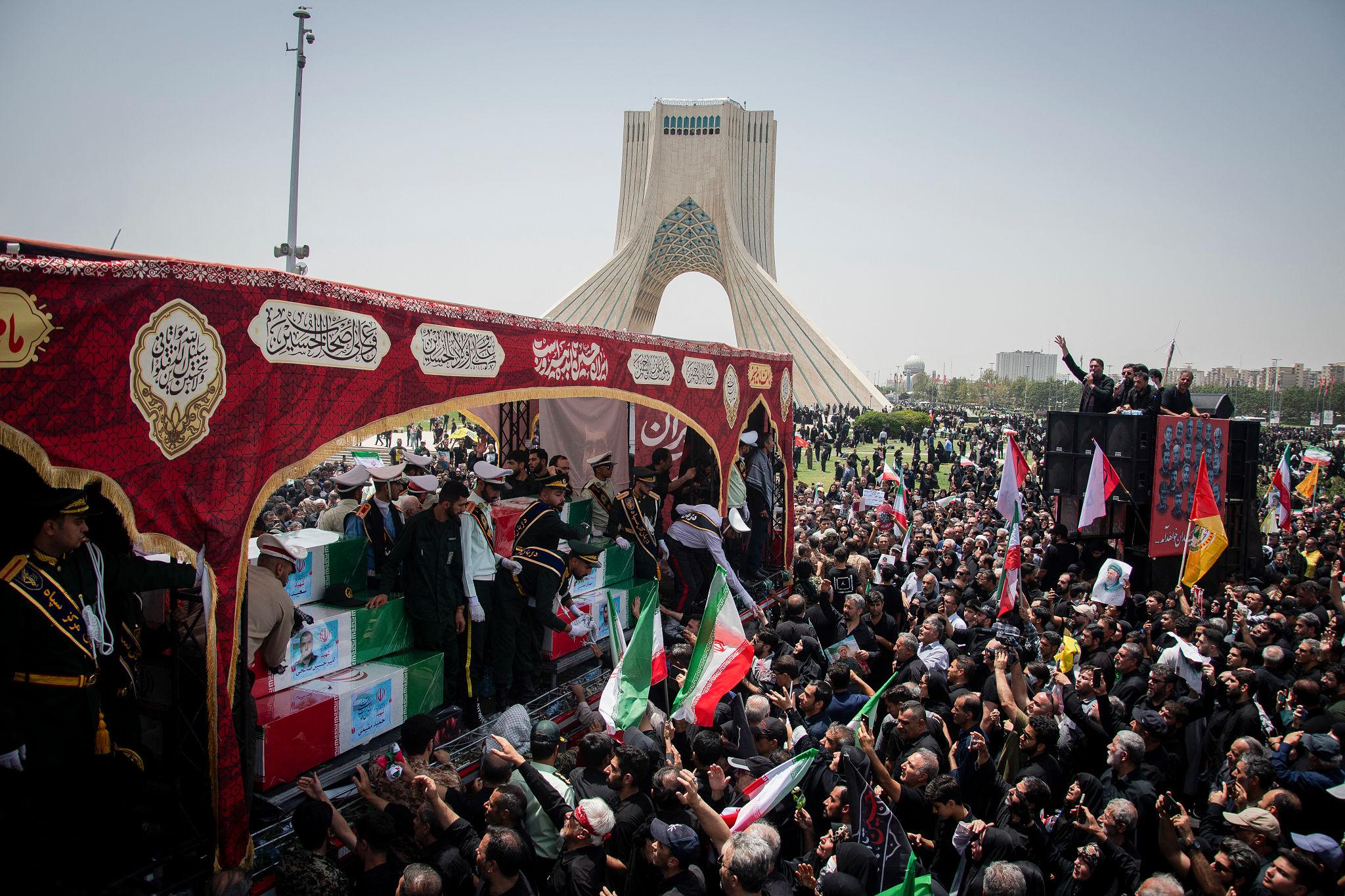
TEHRAN, Iran — March 4, 2026 — According to Parliament News, that The Iranian capital has become the focal point of international attention as the Iran leadership transition unfolds in a moment widely described as historic. Political leaders, religious scholars, and thousands of citizens gathered across Tehran in ceremonies and discussions reflecting on the nation’s future.
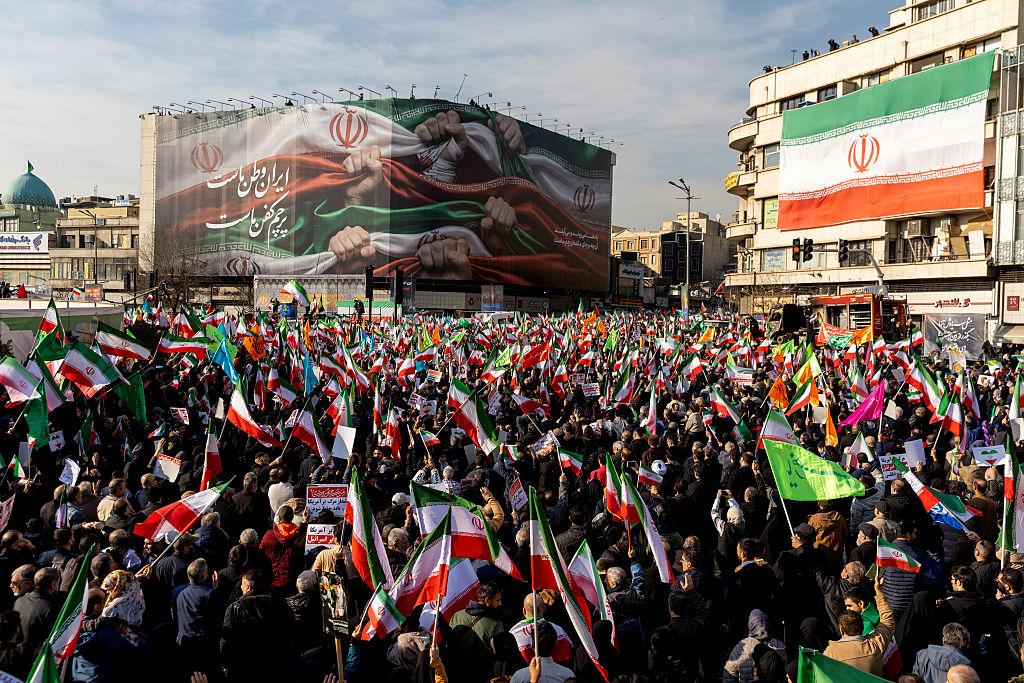
The atmosphere in the city combined solemn reflection with a sense of anticipation. Public squares filled with people carrying national flags while state media broadcast speeches and historical moments from Iran’s modern political era. The gathering highlighted the importance of leadership within the political and religious structure that defines the Islamic Republic.
For many Iranians, the Iran leadership transition represents more than a political development. It is a moment of national reflection that forces the country to consider how its leadership traditions will evolve in the years ahead.
Why This Moment Matters for Iran
Iran’s political system gives significant authority to its highest leadership role, influencing everything from national security decisions to international diplomacy. Because of this structure, the Iran leadership transition carries enormous importance both domestically and internationally.
The leadership position has long been viewed as the central pillar of Iran’s political philosophy. Decisions made at the top level often shape economic strategies, foreign policy, and the nation’s ideological direction.
Citizens following events in Tehran say they understand the magnitude of the moment. Some view it as a time for unity and continuity, while others see it as an opportunity for gradual change within the country’s political framework.
Regardless of perspective, the Iran leadership transition has captured the attention of millions across the country.
The Scene Across Tehran
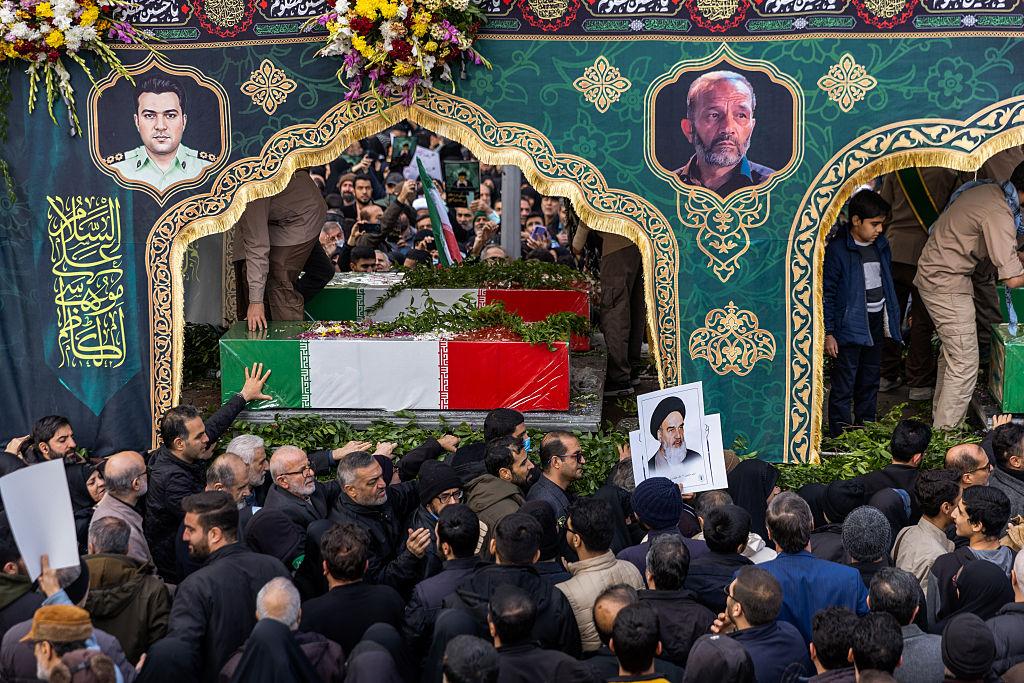
Throughout Tehran, crowds gathered in large numbers near religious centers, public squares, and ceremonial locations. Many traveled from distant provinces to witness the historic moment firsthand.
Security forces managed traffic and guided attendees through designated gathering areas as religious prayers and speeches echoed across the city. Large digital screens displayed images and historical footage related to Iran’s political development.
For those present, the event created a powerful sense of national unity. The Iran leadership transition became the central topic of conversation among attendees as families, students, and workers stood together during the ceremonies.
Observers noted that despite the large crowds, the mood remained respectful and reflective as people considered the future direction of the nation.
Global Reactions to the Iran Leadership Transition
The Iran leadership transition is being closely monitored by governments and analysts around the world. Iran’s position in the Middle East means that leadership changes in Tehran can have ripple effects across regional diplomacy and global energy markets.
Countries throughout the region are evaluating how Iran’s policies may evolve during the coming years. Diplomats and political analysts are particularly interested in how the transition might influence negotiations, trade relationships, and regional security issues.
International observers emphasize that Iran has historically maintained strong institutional continuity. This means that even during leadership changes, core political strategies often remain stable.
Still, the Iran leadership transition is widely viewed as an event that could influence political discussions across the Middle East and beyond.
Economic Pressures and Opportunities
One of the major questions surrounding the Iran leadership transition involves economic policy. Iran’s economy has faced challenges in recent years, including sanctions, inflation, and shifting global energy markets.
Business leaders and economic analysts say the transition could shape how the country approaches trade partnerships, technological development, and industrial expansion.
Some experts believe that the transition could open the door to new economic strategies aimed at strengthening domestic industries. Others argue that existing policies emphasizing national self-reliance will likely continue.
Regardless of the outcome, the Iran leadership transition will inevitably influence economic discussions across the country.
Voices of Ordinary Citizens
Among the crowds in Tehran were many young Iranians who said they were thinking about what the future might hold for their generation.
Students interviewed near central gathering points described the moment as one that will shape Iran’s next chapter. Some expressed hope for economic growth and technological advancement, while others emphasized the importance of maintaining national traditions.
The Iran leadership transition has also sparked conversations across social media, universities, and community gatherings.
Citizens are discussing how the nation can balance tradition, cultural identity, and modern economic development as leadership evolves.
A Historical Comparison with Past Transitions
The current Iran leadership transition inevitably invites comparison with earlier turning points in the country’s political history. One of the most notable transitions occurred in 1989 following the death of Ayatollah Ruhollah Khomeini, the founder of the Islamic Republic.
At that time, Iran faced enormous uncertainty as the country navigated leadership change during a period marked by regional tension and economic challenges. Yet the political institutions of the Islamic Republic continued functioning, allowing the government to maintain stability.
Historians often note that Iran’s political framework was intentionally designed to manage such moments. Today’s Iran leadership transition is unfolding under similar institutional structures, which many analysts believe helps maintain continuity during periods of change.
Looking back at those earlier events provides important context for understanding how Iran approaches leadership transitions today.
Institutional Stability During the Transition
Iran’s governing institutions continue operating normally during the Iran leadership transition, ensuring that administrative functions and national decision-making remain stable.
Government ministries, military leadership, and economic agencies continue their daily operations while religious councils and governing bodies oversee aspects of the transition process.
Political scientists often point out that Iran’s system was specifically designed to maintain order during periods of leadership change. These structures help prevent sudden disruptions to governance.
Because of this framework, many experts believe the Iran leadership transition will proceed with a focus on continuity and stability.
The Role of Religion and Culture
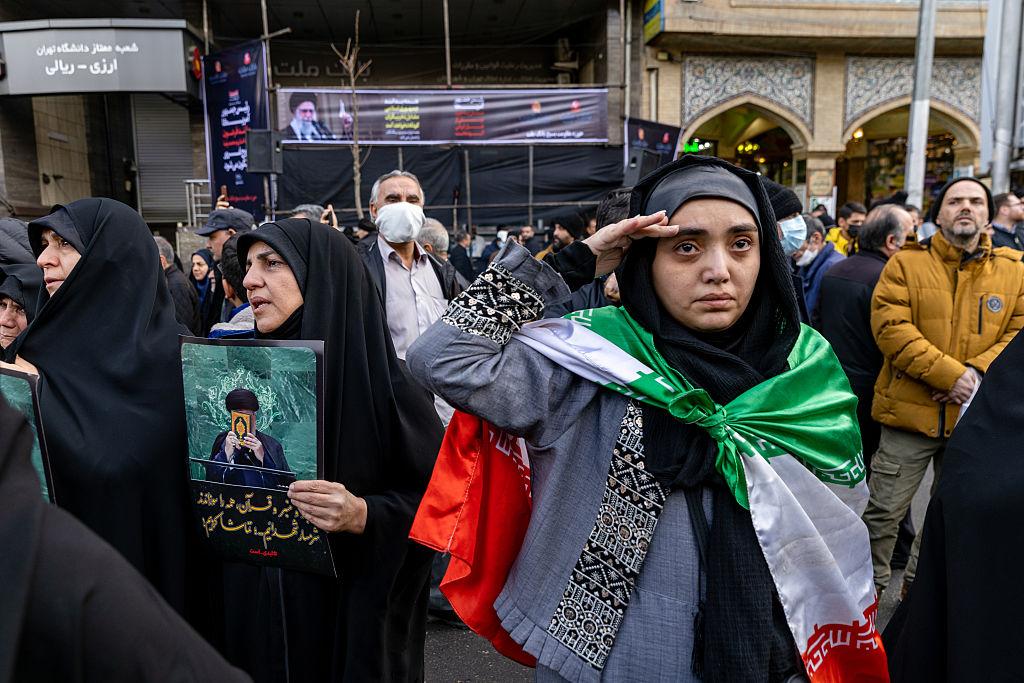
Religion plays a central role in Iran’s political identity, and this influence is clearly visible during the Iran leadership transition. Religious leaders have emphasized unity, patience, and national solidarity during public gatherings.
Prayer services and religious ceremonies held across the country reflect the spiritual dimension of leadership within the Islamic Republic. Cultural institutions have also organized discussions and events encouraging citizens to reflect on Iran’s national identity.
For many Iranians, leadership is not only about political authority but also about moral guidance and cultural continuity.
This perspective shapes how the Iran leadership transition is viewed by both religious scholars and ordinary citizens.
Regional Implications for the Middle East
The Iran leadership transition could have implications for diplomatic relationships throughout the Middle East. Iran maintains strategic relationships with several regional actors and plays a significant role in regional politics.
Analysts believe that leadership priorities could influence negotiations, security strategies, and alliances across the region.
Energy markets are also watching developments in Tehran. Iran is one of the world’s major energy producers, and leadership decisions can influence global oil supply and pricing dynamics.
For this reason, the Iran leadership transition is attracting attention not only from political observers but also from economic analysts worldwide.
One Quote Reflecting the Moment
A political analyst observing events in Tehran summarized the moment by saying:
“Every leadership change in a nation’s history creates a moment when past traditions and future possibilities meet.”
The statement captures the broader meaning of the Iran leadership transition, which many see as both a reflection on decades of leadership and a turning point for future generations.
What the Future May Hold
Predicting the long-term outcome of the Iran leadership transition is difficult. Much will depend on how institutions, political leaders, and citizens navigate the coming years.
Iran’s young population, growing technological sector, and evolving global relationships will all play important roles in shaping the country’s future.
At the same time, many analysts believe that the country’s strong institutional framework will ensure stability while allowing gradual evolution in policy and governance.
For millions of Iranians watching events unfold, the Iran leadership transition represents both uncertainty and opportunity.
The Next Chapter in Iran’s Political Story
As the gatherings in Tehran slowly concluded, many participants described the day as a moment that will be remembered in Iran’s history.
The Iran leadership transition marks the beginning of a new chapter for the nation. While the coming years may bring challenges, they also present opportunities for growth and adaptation.
History often shows that leadership transitions become defining moments for nations. The events unfolding in Tehran today may ultimately shape Iran’s political path for decades to come.
For Iran and for the wider region, the significance of the Iran leadership transition will likely continue to unfold long after the ceremonies in Tehran have ended.