Iran military strikes intensified after new attacks targeted strategic military facilities across the region.
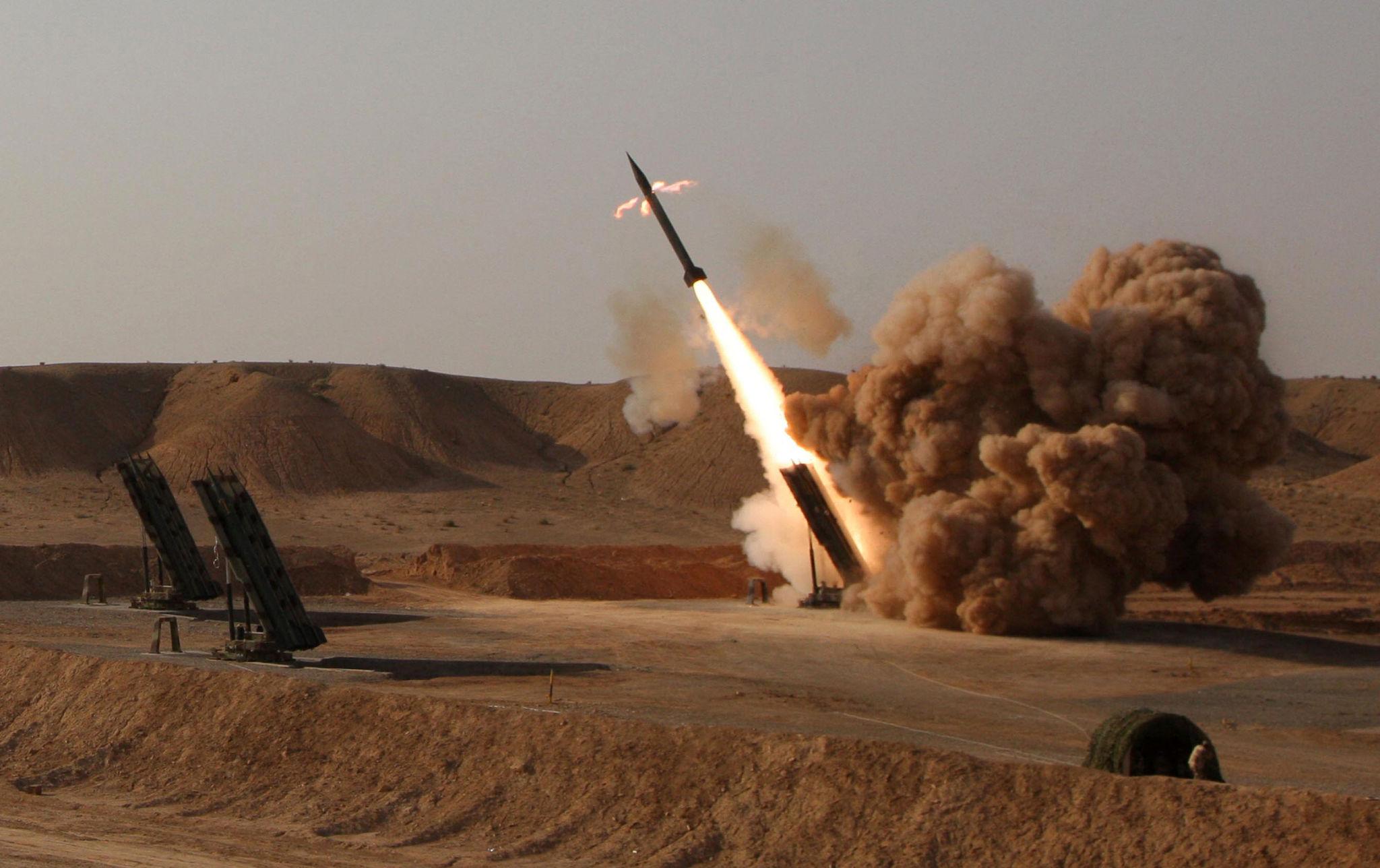
U.S. Central Command released footage showing fresh operations linked to the escalating conflict.
Security analysts warn the situation could further raise tensions across the Middle East.
Tehran, Iran — March 6, 2026 — Parliament News — Iran military strikes have intensified regional tensions after reports confirmed new operations targeting strategic military positions connected to ongoing security confrontations. Officials monitoring developments say the attacks highlight the rapidly evolving military environment shaping the Middle East.
Defense analysts note that the latest Iran military strikes appear to be part of a broader effort aimed at reinforcing national defense capabilities while responding to growing external pressure. Military observers say the situation remains fluid as governments and security agencies closely watch developments.
The renewed activity has raised concerns among international leaders who fear the escalation could affect stability across the region.
Escalating Security Concerns in the Middle East
Recent developments have placed the Middle East under renewed international attention as Iran military strikes continue to unfold. Military experts say the region has experienced rising tensions for several months, but the latest operations signal a more direct military posture.
Regional governments have increased security measures around military installations and strategic infrastructure. Defense agencies across neighboring countries are monitoring airspace and maritime routes as precautionary steps.
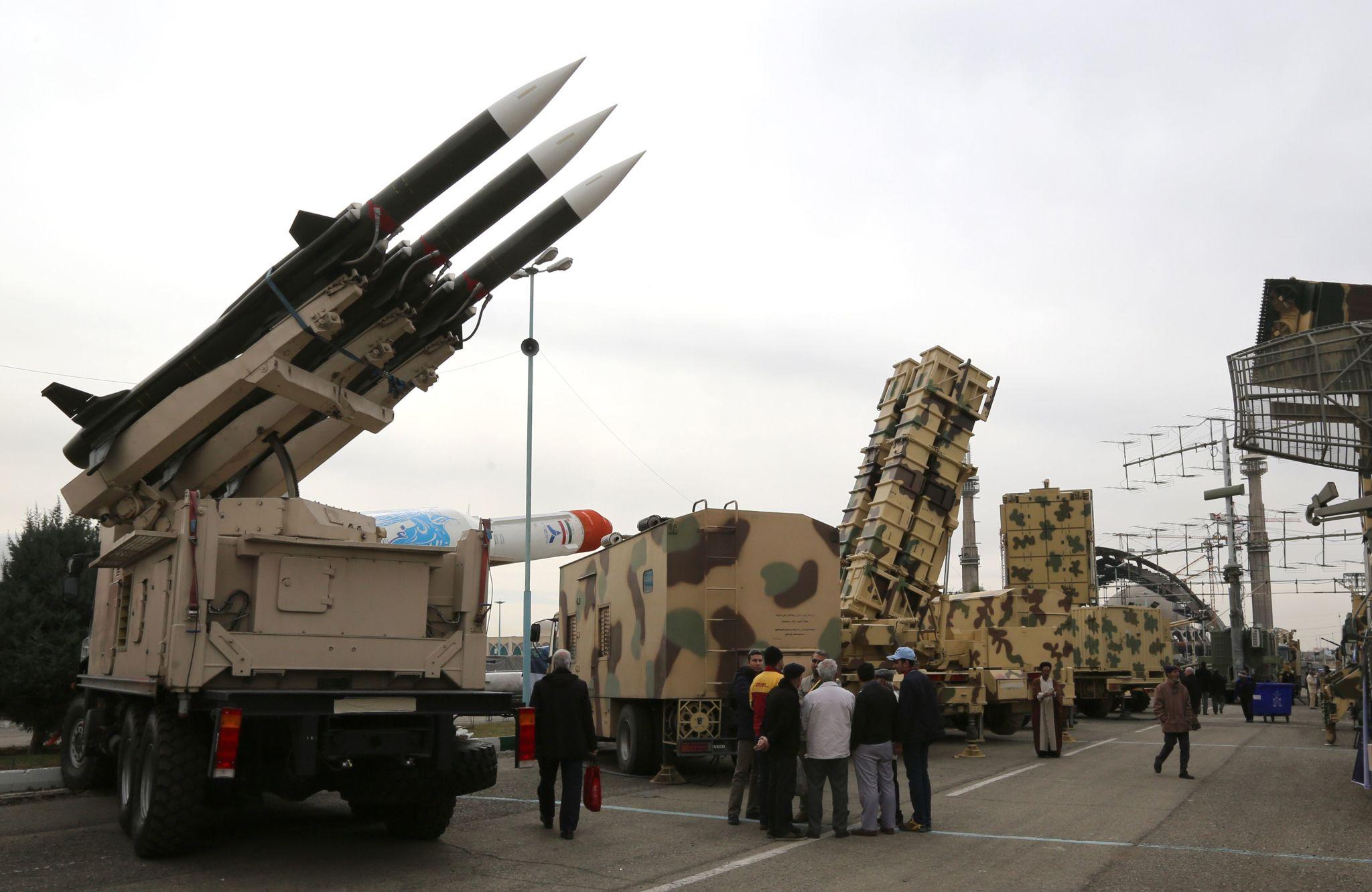
Analysts say the growing frequency of Iran military strikes demonstrates how modern conflicts are increasingly influenced by advanced military technologies, including drones and precision missile systems.
Strategic Military Targets
Defense experts indicate that recent Iran military strikes focused on sites believed to be associated with missile systems, command coordination facilities, and defense infrastructure. Such targets are often prioritized because disrupting them can weaken an adversary’s operational capabilities.
Military planners frequently rely on surveillance data and intelligence analysis to identify strategic targets. These operations typically involve coordinated efforts designed to limit the ability of opposing forces to organize or respond effectively.
While many operational details remain undisclosed for security reasons, analysts say the attacks reflect a calculated military strategy rather than isolated incidents.
Quote From Military Officials
Officials familiar with the situation say the operations represent a clear signal about Iran’s willingness to defend its strategic interests. One senior defense official explained the significance of the latest developments.
“We are witnessing a moment where military strategy and regional security are intersecting in a very serious way. These actions demonstrate that Iran is prepared to respond to pressure while protecting its national security priorities.”
The statement reflects the broader context surrounding Iran military strikes, which analysts say are closely tied to the country’s evolving defense policies.
Regional and Global Implications
The expansion of Iran military strikes is drawing attention from governments around the world. The Middle East remains one of the most strategically important regions for global trade and energy transportation.
Shipping lanes that pass through nearby waters carry a large portion of the world’s oil supply. Any disruption in the region can quickly influence international markets and economic stability.
Because of these risks, international leaders are urging restraint while encouraging diplomatic dialogue aimed at preventing the situation from escalating further.
Historical Comparison With Earlier Conflicts
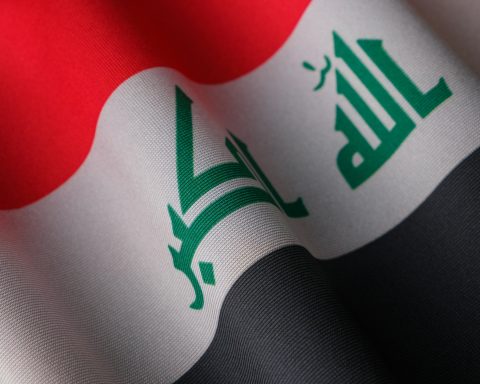
The current situation involving Iran military strikes has prompted comparisons with earlier conflicts that shaped the Middle East. One of the most notable examples occurred during the Iran Iraq War of the 1980s, when large scale missile attacks and air operations dominated the battlefield.
During that conflict, military forces relied heavily on conventional weapons and large scale troop deployments. Today’s conflicts are very different. Modern warfare now involves drones, advanced missile systems, cyber capabilities, and real time intelligence gathered through satellites.
Although technology has transformed how wars are fought, historians note that the underlying geopolitical tensions influencing the region remain remarkably similar.
Energy Markets and Economic Concerns
Global financial markets often react quickly to developments connected to Iran military strikes. Energy analysts closely monitor military activity in the Middle East because the region plays a central role in supplying oil and natural gas to international markets.
When tensions rise, traders frequently anticipate possible disruptions to shipping routes or production facilities. This uncertainty can influence energy prices and financial markets worldwide.
Economic experts say maintaining stability in the region is essential not only for security reasons but also for protecting global economic growth.
Diplomatic Efforts to Prevent Escalation
While military developments dominate headlines, diplomatic efforts continue behind the scenes. Governments across Europe, Asia, and North America are working to encourage dialogue aimed at reducing tensions.
International organizations have also called for restraint as leaders attempt to prevent further escalation linked to Iran military strikes. Diplomatic channels remain open as policymakers seek solutions that avoid broader regional conflict.
Many experts believe that diplomatic engagement will play a critical role in determining whether the situation stabilizes in the coming months.
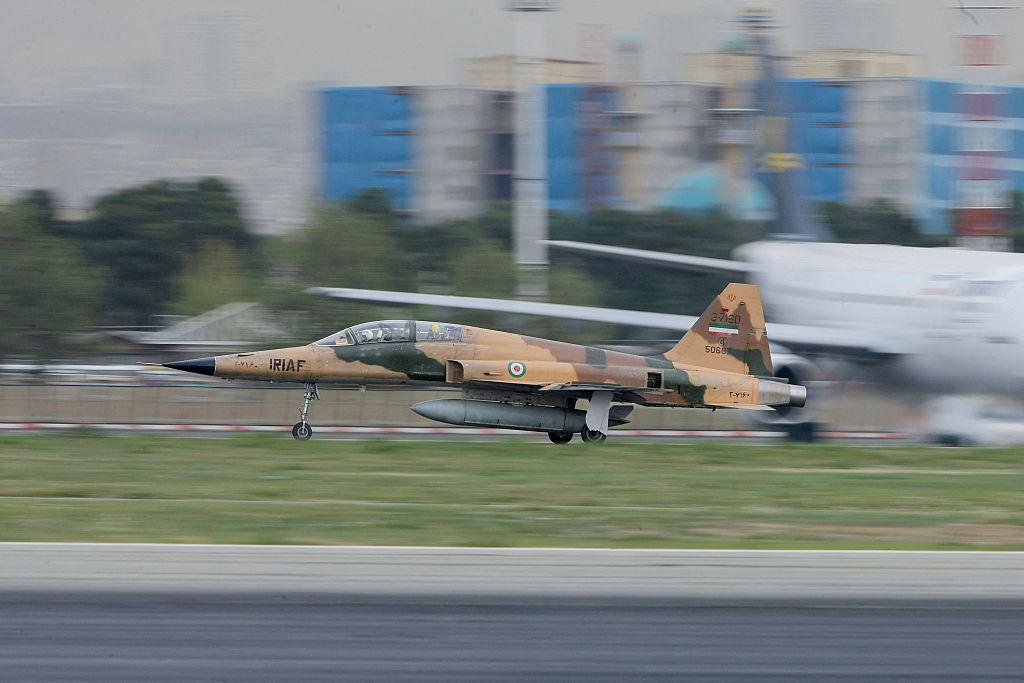
A Region Facing Uncertain Days Ahead
The expansion of Iran military strikes illustrates how quickly security dynamics can shift in the Middle East. Military developments are unfolding rapidly, and each new operation has the potential to influence regional stability.
Defense analysts say the coming weeks will be critical in shaping the direction of events. Governments are likely to continue balancing military readiness with diplomatic engagement as they navigate the evolving situation.
For now, international attention remains focused on the region as policymakers and military leaders evaluate the broader implications of these developments.