
Tehran (Parliament Politics Magazine) January 14, 2026 – Iranian judicial authorities have announced plans for fast-track trials targeting over 1,000 protesters arrested during a government crackdown on recent unrest. Officials stated the proceedings aim to address charges of rioting, vandalism, and threats to national security. The move follows weeks of demonstrations sparked by economic hardships and political grievances.
Iranian courts will prioritise cases involving individuals detained since mid-December 2025, with trials set to commence within days in specially designated branches. The announcement came from a spokesperson for the judiciary, emphasising efficiency in processing what officials describe as disruptions to public order.
Details of Iran’s Fast-Track Trial Announcement

Iran’s Judiciary spokesperson Asghar Jahangir, as reported by Ali Akbar Dareini of Associated Press, confirmed that more than 1,200 suspects face expedited hearings on charges including assembly without permit and damage to public property.
“Trials will be held swiftly to restore calm and uphold the rule of law,”
Jahangir stated during a televised briefing from Tehran. Special courts in Tehran, Isfahan, and Shiraz have been allocated for the proceedings, with sessions expected to begin by January 20.
According to Farnaz Fassihi of The New York Times, the plan includes grouping defendants by region and incident to streamline evidence presentation and sentencing. Prosecutors cited evidence from surveillance footage and witness testimonies gathered during arrests. Human rights monitors have noted the scale, with initial arrests peaking at over 1,500 in the first week of protests.
Tehran’s judiciary spokesperson outlined the fast-track process during a televised address, targeting suspects charged with violence and disruption. Special courts in Tehran, Isfahan, and other provinces will handle cases grouped by incident for efficiency. Proceedings prioritise restoration of public order following protests that blocked highways and damaged infrastructure.
Open Source Intel reported on the judicial stance in relation to external commentary. @Osint613 said in X post,
“The head of Iran’s judiciary signaled Wednesday there would be fast trials and executions ahead for those detained in nationwide protests despite a warning from President Trump – AP.”
The head of Iran’s judiciary signaled Wednesday there would be fast trials and executions ahead for those detained in nationwide protests despite a warning from President Trump – AP pic.twitter.com/enyTrpNEjh
— Open Source Intel (@Osint613) January 14, 2026
Context of Protests Leading to Arrests
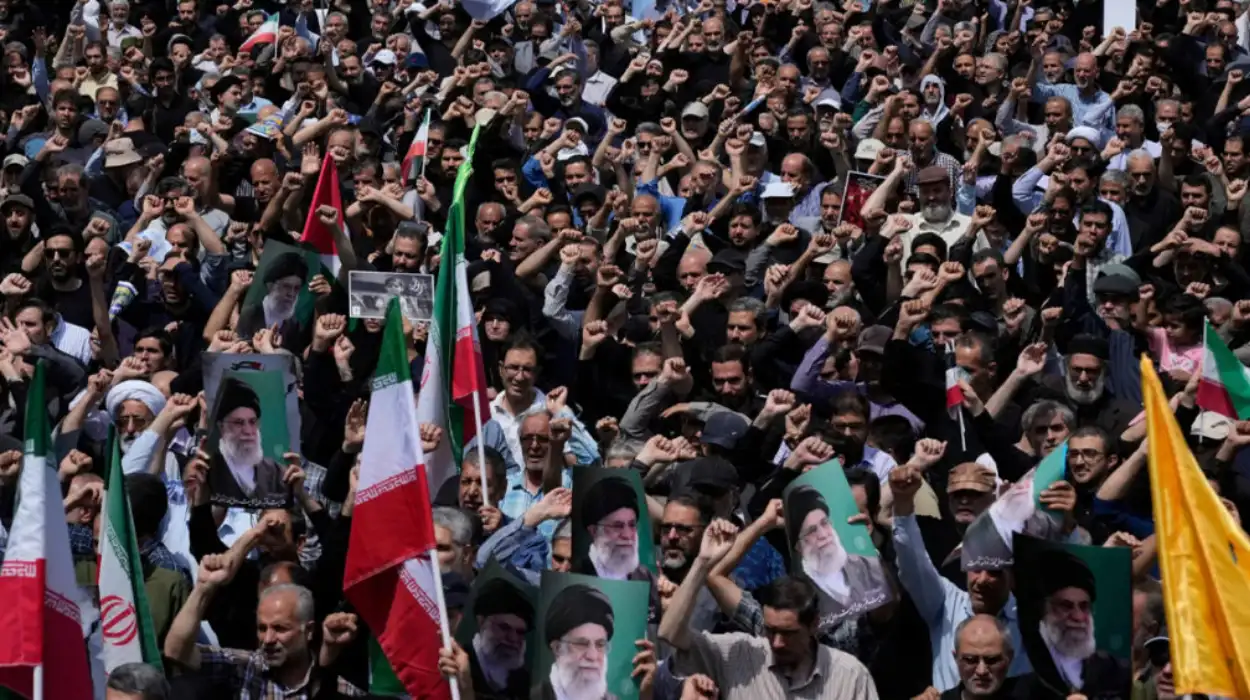
Protests erupted in late December 2025 across major cities including Tehran, Mashhad, and Tabriz, triggered by sharp rises in fuel prices and food inflation exceeding 40 per cent. Demonstrators gathered in public squares, chanting against economic policies and chanting slogans critical of government handling of subsidies. Security forces deployed tear gas and made mass detentions to disperse crowds.
As covered by Golnar Motevalli of Reuters, the unrest began on December 22 when crowds blocked highways in response to a 50 per cent fuel price hike announced by the Oil Ministry. By January 5, official media reported 1,234 arrests, with 78 per cent charged under anti-riot laws. Protesters waved banners demanding subsidy reversals, while police reported 15 officers injured in clashes.
Mario Nawfal highlighted the implications of the judicial announcement. @MarioNawfal said in X post,
“🚨🇮🇷 IRAN SAYS “FAST TRIALS” COMING FOR PROTESTERS Iran’s judiciary chief just announced that people accused of violence during the protests will face “fast trials.” So don’t expect lawyers, evidence, or due process, just quick verdicts, likely harsh sentences, and zero transparency. The regime scrambles to shut down weeks of unrest, mass arrests, and growing international pressure, while also accusing Trump of “encouraging political destabilization.” Source: Al Jazeera.”
🚨🇮🇷 IRAN SAYS “FAST TRIALS” COMING FOR PROTESTERS
Iran’s judiciary chief just announced that people accused of violence during the protests will face “fast trials.”
So don’t expect lawyers, evidence, or due process, just quick verdicts, likely harsh sentences, and zero… pic.twitter.com/3z2AAjzHcx
— Mario Nawfal (@MarioNawfal) January 14, 2026
Statements from Iranian Officials on Judicial Response

Iran’s judiciary head, Gholam-Hossein Mohseni-Eje’i, directed the fast-track mechanism during an emergency session of the High Council for Judicial Coordination.
“Those who violated public peace will face justice without delay,”
Mohseni-Eje’i said, according to state broadcaster IRIB reporter Mohammad Rezaei. The council approved provisions for collective trials where multiple defendants from the same event are tried together.
Interior Minister Ahmad Vahidi, in remarks relayed by state media, defended the arrests as necessary to prevent escalation. As reported by Parisa Hafezi of AFP, Vahidi noted,
“Over 1,000 individuals have been apprehended for acts endangering national security, and trials ensure accountability.”
Security perimeters remain in place around protest hotspots.
Arrest Figures and Charges Breakdown
Official tallies from the judiciary list specific charges applied to detainees:
Rioting and Vandalism
- Number of Detainees: 712
- Key Provisions Cited: Penal Code Article 615
Unlawful Assembly
- Number of Detainees: 289
- Key Provisions Cited: Assembly Law Section 4
Public Property Damage
- Number of Detainees: 156
- Key Provisions Cited: Property Protection Act 610
Threats to Security
- Number of Detainees: 73
- Key Provisions Cited: National Security Law 498
These figures, compiled from ministry releases, total 1,230 as of January 13. Trials will feature public prosecutors presenting digital evidence, including videos from body cameras worn by officers.
Locations and Logistics of Planned Trials
Tehran hosts the largest cluster, with 612 detainees assigned to Branches 15, 26, and 33 of the Revolutionary Court. Isfahan’s courts will handle 289 cases, while Shiraz manages 210. Remaining cases distribute to Mashhad and Tabriz venues. Each session limits to 20 defendants for procedural efficiency.
Logistics include video-linked appearances for remote detainees and mandatory legal representation, as mandated by the judiciary’s directive. IRIB will broadcast select proceedings, per announcements from state media outlets.
Background on Iran’s Protest History
Iran has witnessed periodic unrest, including the 2022 Mahsa Amini protests that led to over 500 deaths and thousands of arrests. The current wave mirrors those in scale but centres on economic triggers rather than social issues. Fuel subsidies, cut under International Monetary Fund agreements, form the core grievance.
Economic data from Iran’s Statistical Centre shows inflation at 42.5 per cent year-on-year in December 2025, with unemployment at 12.1 per cent among youth. Protests disrupted 15 per cent of fuel distribution networks temporarily, per Energy Ministry statements.
Global Reactions to Iran’s Fast-Track Trial Announcement

Iran’s pledge for expedited trials of over 1,000 arrested protesters has elicited sharp responses from international leaders and organisations. US President Donald Trump issued direct warnings against executions, while European nations voiced concerns over human rights. These reactions unfold amid reports of a rising death toll exceeding 2,400 from the unrest.
President Trump has repeatedly cautioned Iran against lethal measures targeting detainees. In statements to CBS News, a BBC partner, Trump declared that the US would take “very strong action” should executions proceed, referencing a scheduled case for protester Erfan Soltani.
Trump urged demonstrators to persist via Truth Social posts. As reported by ABC News, he wrote,
“Iranian Patriots, KEEP PROTESTING — TAKE OVER YOUR INSTITUTIONS!!! Save the names of the killers and abusers. They will pay a big price,” adding, “HELP IS ON ITS WAY.”
During a Michigan visit, Trump evaded specifics on aid but stressed the death toll as unacceptably high, regardless of exact figures.
Further measures include cancelling US-Iran meetings and imposing a 25 per cent tariff on nations trading with Iran. Trump also recommended American citizens evacuate, aligning with State Department advisories.
The United Kingdom has called for adherence to legal standards in Iran’s proceedings. Foreign Secretary David Lammy, as covered by BBC reports, urged Tehran to ensure fair trials and release detained minors, emphasising compliance with international human rights obligations.
UK statements highlight monitoring of the situation alongside allies. Officials expressed alarm over mass arrests, with Parliament debates scheduled to address potential sanctions if due process falters. No military rhetoric appeared in official releases.
European Union foreign policy chief Josep Borrell led responses from member states, warning that rapid trials risk undermining judicial integrity.
France summoned Iran’s ambassador to protest the crackdown, per diplomatic channels reported by AFP. Germany and Italy echoed calls for halting executions, tying responses to broader sanctions frameworks. The EU Parliament passed a resolution condemning over 1,100 detentions and urging economic pressure if violations persist.
Judicial Precedents for Fast-Track Proceedings
Iran employed similar mechanisms during 2019 fuel protests, convicting 300 in group trials within weeks. Outcomes included prison terms from six months to five years, with 20 per cent receiving fines or probation. Current guidelines align with those precedents, prioritising restitution for damaged infrastructure estimated at 500 billion rials.
No death sentences have been announced for this crackdown, distinguishing it from prior events. Sentencing hearings follow initial trials, with appeals routed to higher courts within 10 days.
Economic Factors Fueling Demonstrations
The fuel price adjustment stemmed from a cabinet decision to phase out universal subsidies, redirecting funds to cash payments for low-income households. Monthly stipends increased by 300,000 rials per person, but recipients reported delays in disbursements. Bread and utility prices rose 25 and 18 per cent respectively in tandem.
Central Bank governor Mohammad Reza Farzin attributed pressures to Western sanctions limiting oil exports to 1.2 million barrels daily, half of pre-2018 levels. Protesters targeted petrol stations and banks, prompting 48-hour curfews in affected cities.
Government Measures Post-Arrests
Authorities released 156 minors and 89 women pending further inquiry, reducing the trial pool. Rehabilitation programmes target first-time offenders, offering community service alternatives. Police chief Hossein Rahimi reported restored order, with patrols doubled in urban areas.
State media aired footage of damaged vehicles and torched kiosks to justify the response. Repair costs reached 200 billion rials in Tehran alone, financed through contingency budgets.
