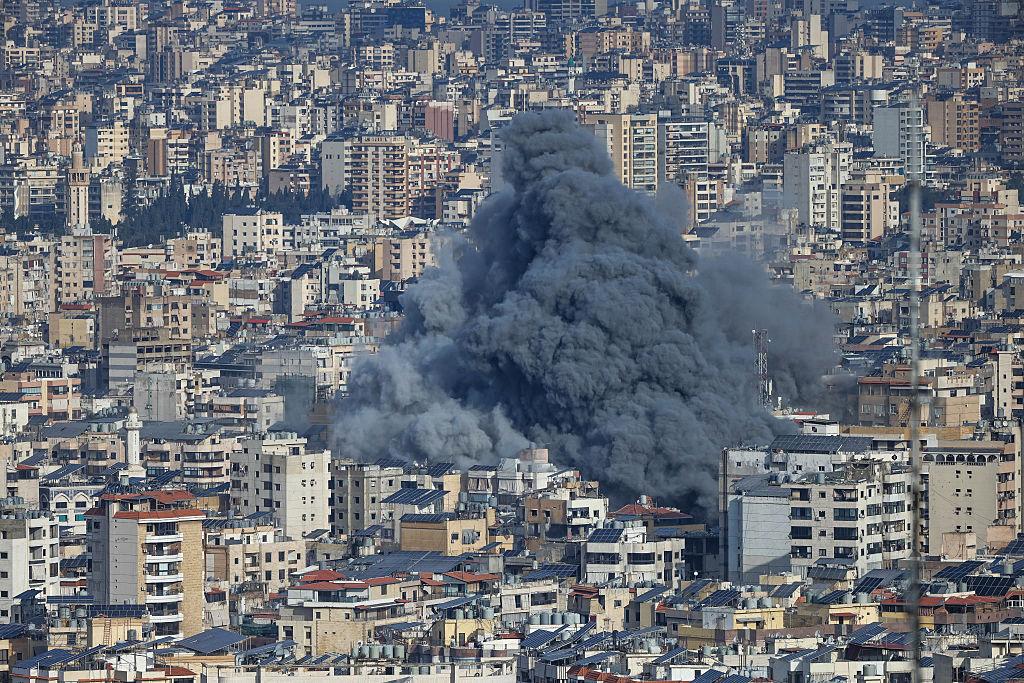
Beirut, Lebanon — March 12, 2026 — Parliament Politics Magazine — The Israel Hezbollah conflict Beirut has drawn global attention after Israeli officials claimed that a building targeted in central Beirut was connected to financial networks used by Hezbollah. The strike has raised concerns about the potential for further escalation between Israel and the Lebanese militant and political group.
According to Israeli military sources, the operation focused on a structure believed to house funds tied to Hezbollah’s activities. Israeli officials say targeting financial infrastructure is part of a strategy designed to disrupt the group’s ability to support military operations and maintain its regional influence.
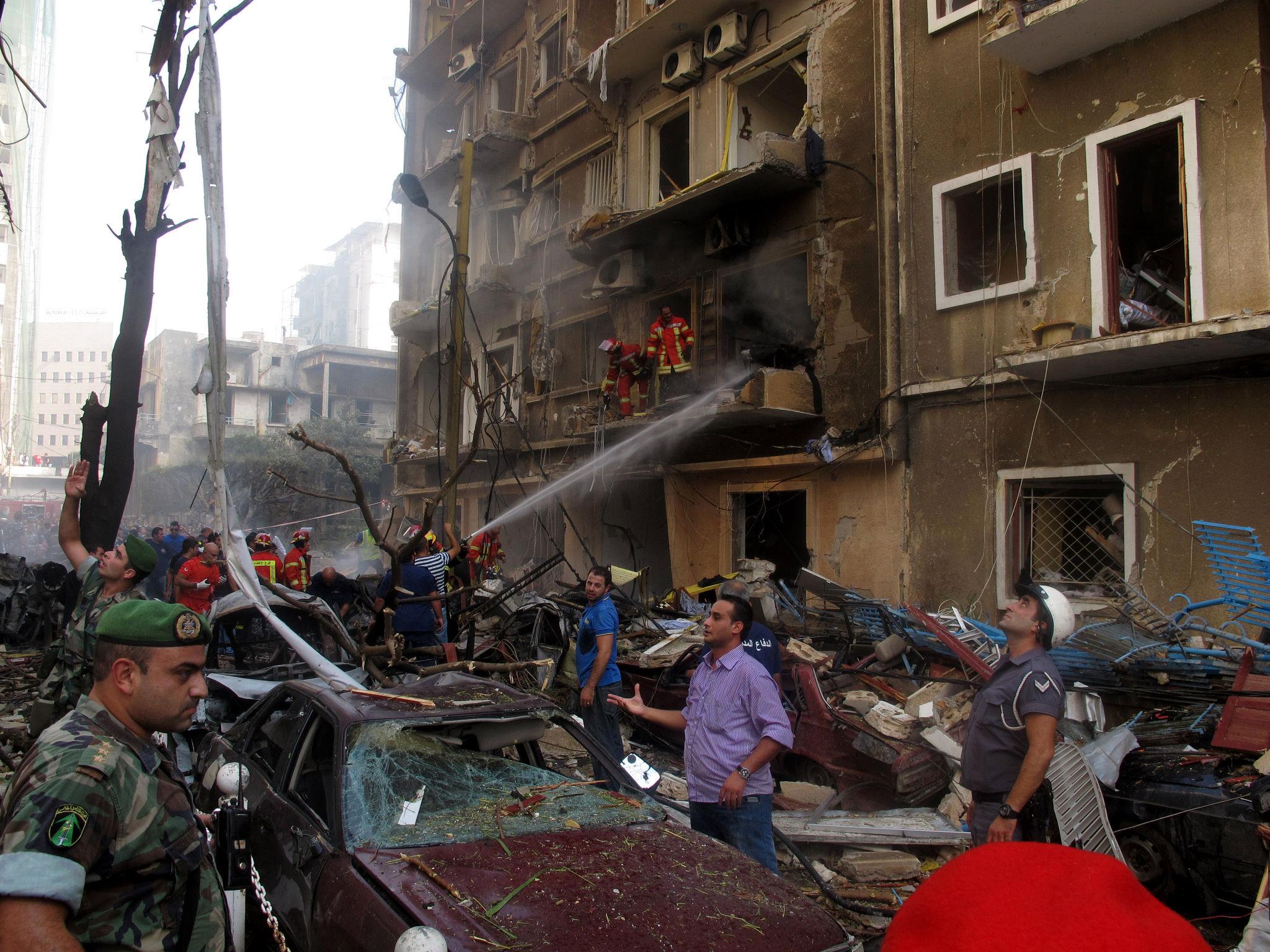
Lebanese authorities responded with concern, emphasizing the risks of military actions taking place in densely populated areas of the capital. Emergency crews and security officials quickly arrived at the site following the incident to assess the damage and ensure the safety of nearby residents.
The Israel Hezbollah conflict Beirut reflects the fragile security situation that continues to shape Lebanon and the broader Middle East. While Israel maintains that the strike was necessary for national security, critics warn that such operations could increase tensions in an already volatile region.
Rising Regional Tensions
Analysts say the latest developments may increase pressure on both sides as governments across the Middle East watch the situation closely. Hezbollah remains one of the most powerful armed groups in Lebanon and maintains significant influence in the country’s political landscape.
Israel has repeatedly stated that it will act against threats it believes originate from Hezbollah infrastructure. The latest strike connected to the Israel Hezbollah conflict Beirut signals that Israeli security officials are continuing to monitor financial and logistical networks linked to the organization.
Regional observers worry that further military actions could provoke retaliation or deepen instability in Lebanon, which is already struggling with economic hardship and political divisions.
Historical Comparison
Events linked to the Israel Hezbollah conflict Beirut often bring comparisons to the 2006 war between Israel and Hezbollah. That conflict lasted more than a month and resulted in widespread damage across Lebanon and northern Israel.
During the 2006 fighting, airstrikes targeted infrastructure and military positions while Hezbollah launched rockets toward Israeli cities. Although the current incident is far smaller in scale, analysts note that the underlying tensions remain largely unchanged.
The historical comparison highlights how quickly confrontations between Israel and Hezbollah can escalate when political and military pressures intensify.
Expert Perspective
Security analysts continue to debate the long term implications of the incident. Some believe that targeting financial systems connected to militant organizations may reduce their operational capacity without triggering full scale war.
One regional analyst explained the complexity of the situation, saying,
“Conflicts in the Middle East often revolve around influence, resources, and security concerns, which means even a single strike can carry political consequences far beyond the immediate target.”
The statement reflects the broader concern among observers that developments in Beirut could influence regional security dynamics in the coming months.
A City Watching Carefully
For residents of Beirut, the Israel Hezbollah conflict Beirut serves as another reminder of the city’s complicated history with regional tensions. Many citizens say the Israel Hezbollah conflict Beirut reflects how quickly security concerns can return to the Lebanese capital after periods of relative calm.
Local businesses and residents worry that the Israel Hezbollah conflict Beirut could discourage investment and tourism, both of which are vital to Lebanon’s fragile economic recovery. Shop owners, hotel operators, and restaurant managers say uncertainty created by the Israel Hezbollah conflict Beirut makes it harder to attract visitors and rebuild confidence in the city’s economy.
Despite the uncertainty, many citizens remain hopeful that diplomacy and international pressure will help prevent the Israel Hezbollah conflict Beirut from escalating into a larger regional crisis.
Final Overview
The Israel Hezbollah conflict Beirut illustrates how quickly regional tensions can resurface in the Middle East. Israel claims the targeted building in Beirut was connected to Hezbollah financial operations, while Lebanese officials stress the need to protect civilians and maintain stability in the capital.
Although the incident is limited in scale, its political and strategic implications are significant. Historical experience shows that confrontations between Israel and Hezbollah can evolve rapidly, drawing international attention and raising concerns about broader regional conflict.
For now, governments and analysts around the world continue to monitor the situation carefully, hoping that the events in Beirut will not lead to further escalation.