

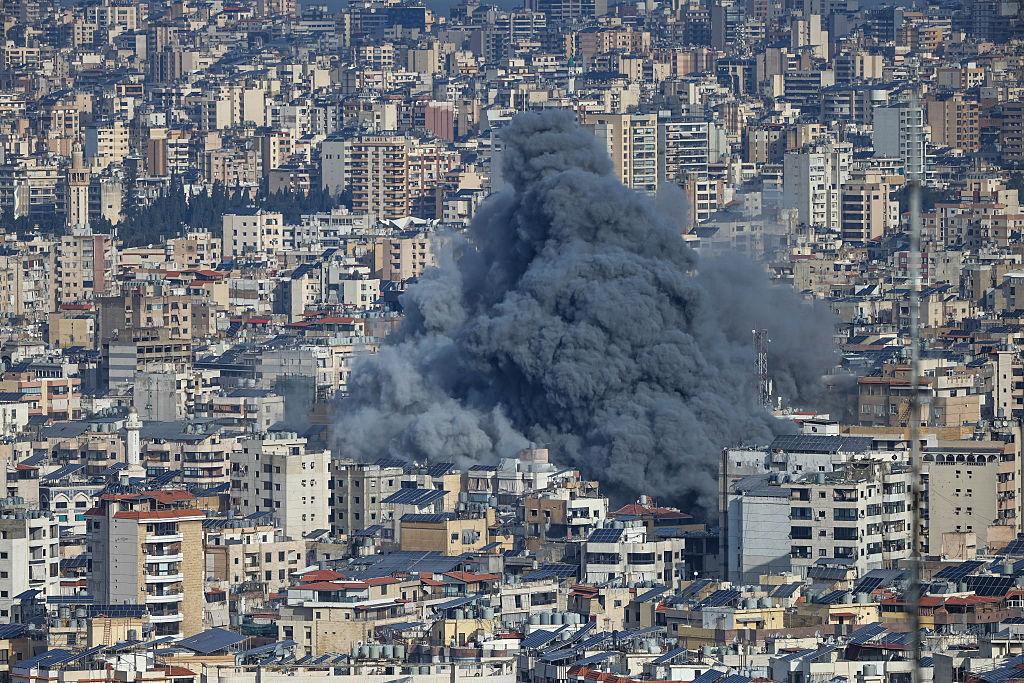
BEIRUT, LEBANON – March 15, 2026: According to Parliament Politics Magazine, The Israel military operation carried out overnight in Beirut has drawn global attention after Israeli defense officials confirmed that multiple targets believed to be linked to Hezbollah infrastructure were struck across the Lebanese capital.
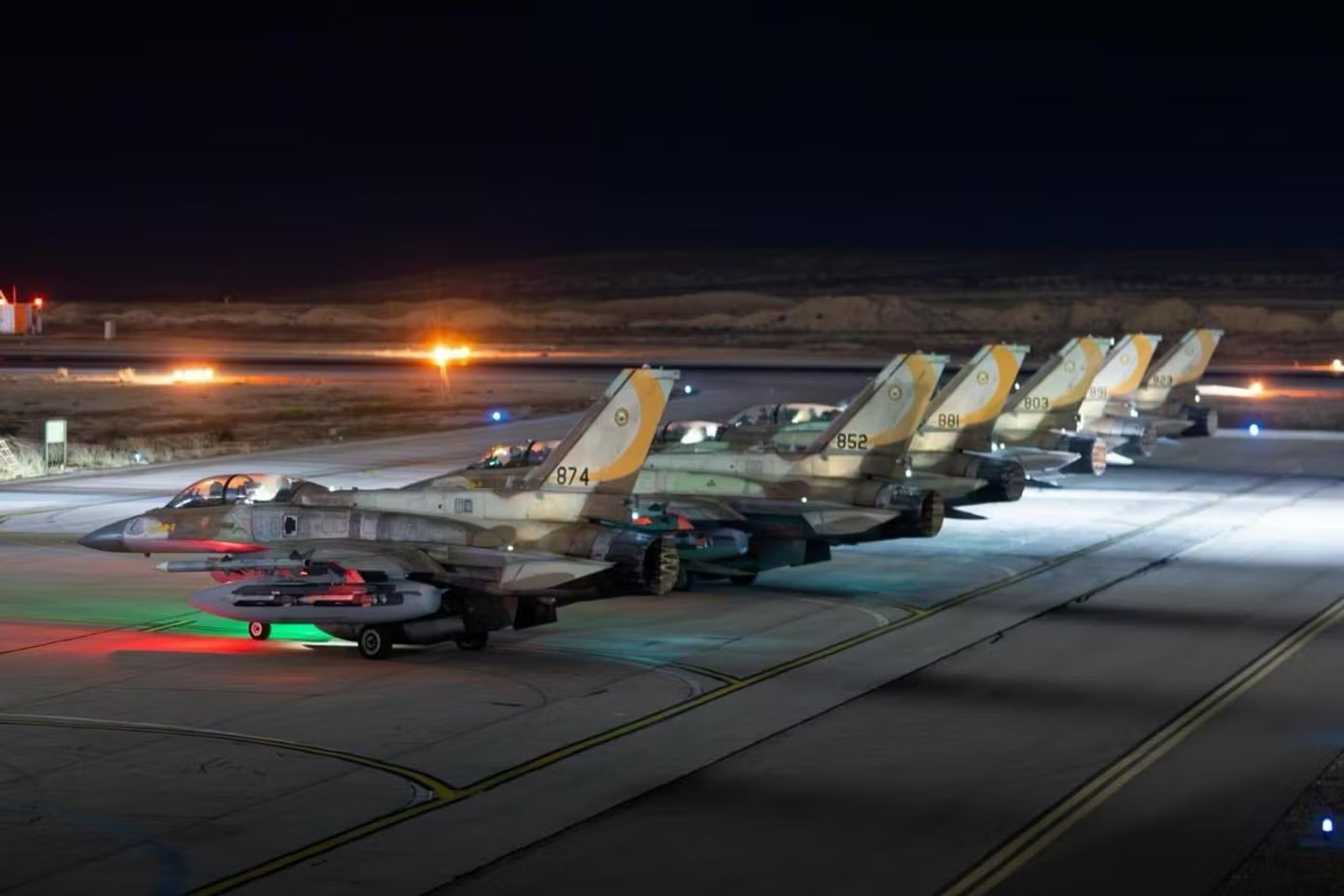
Residents reported loud explosions shortly after midnight as fighter aircraft were heard flying above the Mediterranean coastline. Smoke could be seen rising from several districts, prompting emergency crews and security teams to rush toward affected areas.
According to Israeli defense officials, the Israel military operation targeted command facilities and communication hubs believed to be used by Hezbollah for coordinating operations across Lebanon. Military sources stated that precision weapons were used in an effort to limit collateral damage while striking strategic infrastructure.
Local authorities in Beirut reported damage to buildings located near the suspected sites. Rescue workers were seen searching through debris and assisting civilians who had been affected by the explosions.
The incident quickly intensified tensions between Israel and Hezbollah, raising fears that the conflict between the two sides could expand beyond the border areas that have historically seen the most fighting.
Strategic objectives behind the Israeli action
Military analysts say the Israel military operation appears designed to disrupt Hezbollah’s operational network by targeting infrastructure used for planning and communication.
Israeli officials indicated that intelligence agencies had spent weeks tracking suspected facilities linked to Hezbollah leadership structures. The operation reportedly involved advanced surveillance technology and carefully selected strike targets.
Security experts believe the Israel military operation could temporarily reduce Hezbollah’s ability to coordinate attacks, especially along Israel’s northern border where tensions have increased in recent months.
Israeli defense planners have frequently emphasized that removing command centers can slow operational planning within militant groups by disrupting communication between commanders and fighters.
Regional tensions rise following the strikes
The Israel military operation has already triggered strong reactions across the Middle East. Hezbollah officials condemned the strikes and warned that attacks on Lebanese territory could lead to retaliation.
Lebanese political leaders expressed concern that escalating military actions could further destabilize a country already facing severe economic challenges. Beirut has struggled with political uncertainty and economic hardship for several years, making additional conflict particularly concerning for civilians.
Diplomatic officials from several Western governments urged restraint after news of the Israel military operation spread internationally. Global leaders emphasized the need to avoid a broader regional confrontation.
Historical comparison with earlier conflicts
Observers have compared the latest Israel military operation to earlier confrontations between Israel and Hezbollah, particularly the 2006 Lebanon war. During that conflict Israel launched extensive airstrikes across Lebanon while Hezbollah fired thousands of rockets into northern Israel.
Although the current situation remains far smaller in scale, analysts note that targeted strikes against command infrastructure have long been a key element of Israel’s military strategy.
Past operations have shown that such strikes can temporarily weaken militant networks but rarely end the broader conflict between the two sides. The ongoing rivalry has continued for decades and remains one of the most persistent security challenges in the Middle East.
International reactions and diplomatic pressure
The Israel military operation has prompted calls for calm from international organizations including the United Nations and several European governments.
Diplomats fear that retaliation by Hezbollah could quickly escalate tensions along the Israel Lebanon border. Global leaders have urged both sides to avoid actions that could push the region toward a wider war.
Energy markets and geopolitical analysts are also monitoring the situation closely because instability in the Middle East often affects global oil markets and international trade routes.
Expert warning about potential escalation
Security analysts warn that the Israel military operation could mark the beginning of a new phase of confrontation if retaliatory strikes follow.
One regional security analyst summarized the concern surrounding the situation.
“Operations of this kind carry a serious risk of escalation because every strike creates pressure for a response that can rapidly widen the conflict.”
A moment that may reshape regional stability
The Israel military operation highlights how fragile the security situation remains across the Middle East. Even limited strikes can quickly shift regional dynamics and draw international attention.
Whether the situation stabilizes or escalates will likely depend on how Hezbollah and Israeli leaders respond in the coming days.
For now the world continues to watch developments in Beirut as governments assess the consequences of the latest military action and consider the next steps needed to prevent further conflict.