

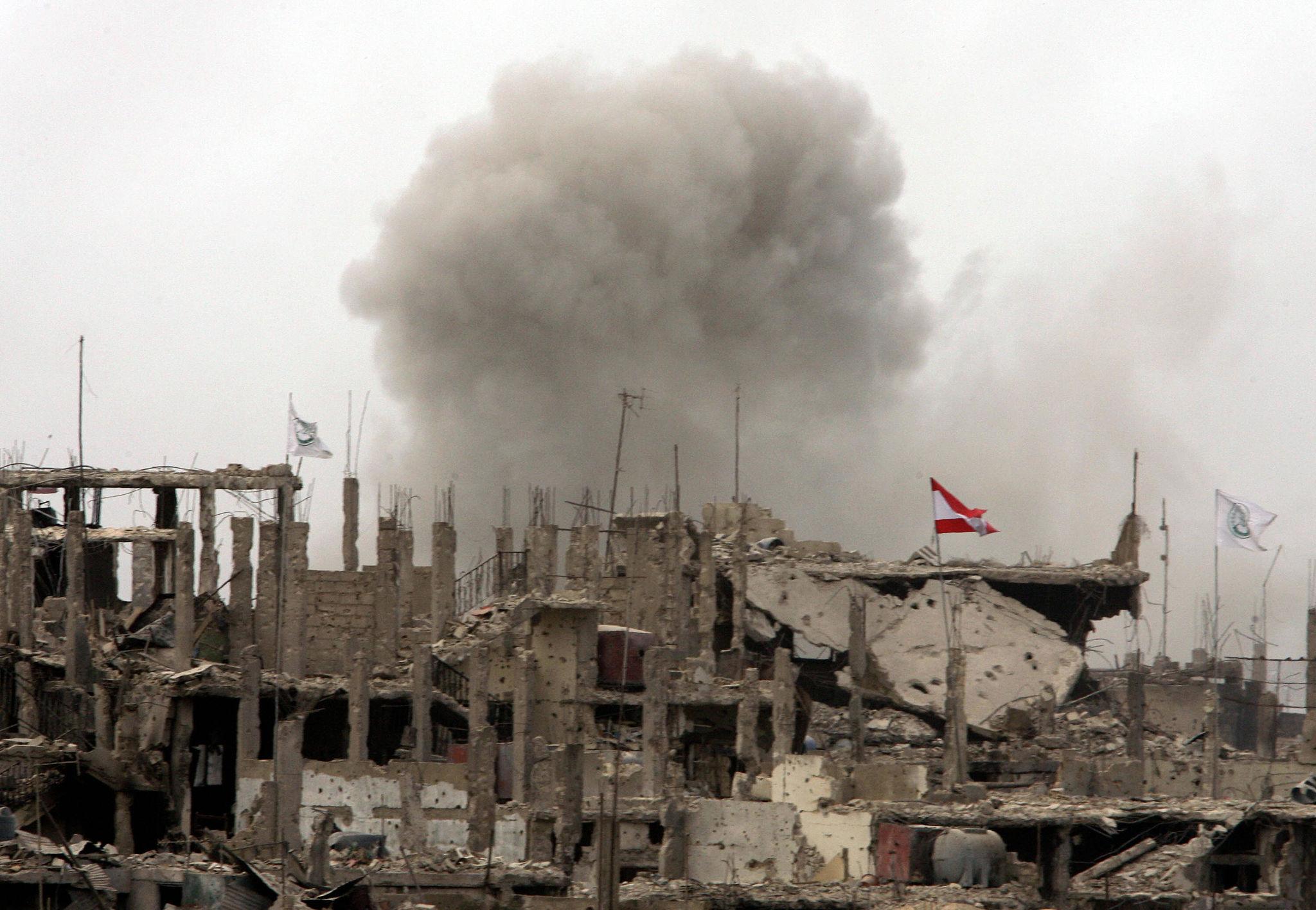
Beirut, April 13, 2026 (Parliament Politics Magazine) Israeli strikes Lebanon are intensifying after multiple reports confirmed air and artillery attacks on towns across southern regions, raising concerns of a widening conflict along the border with Israel.
Local sources and security officials indicated that several (southern areas) experienced coordinated strikes overnight. While full details remain limited, the pattern suggests a broader operational response to ongoing cross-border tensions involving Hezbollah.
A regional observer said,
“These Israeli strikes Lebanon indicate a shift toward more sustained military pressure in southern”
Targeted Areas and Scope of Operations
Reports suggest that the Israeli strikes Lebanon targeted multiple towns near the border, including areas historically associated with militant activity. The strikes are believed to have focused on:
- Suspected launch sites for rockets
- Storage facilities linked to armed groups
- Observation posts and defensive positions
- (strategically important zones)
The Israel Defense Forces stated that operations were aimed at neutralizing threats and preventing further attacks on Israeli territory.
The scale of the Israeli strikes Lebanon points to a coordinated effort rather than isolated incidents, indicating a broader military objective.
Military Objectives Behind the Strikes
Defense analysts say the Israeli strikes Lebanon are part of a strategy to deter further escalation while maintaining pressure on armed groups operating near the border.
Key (objectives) may include:
- Disrupting operational capabilities of Hezbollah
- Sending a deterrent message to regional actors
- Preventing cross-border infiltration or rocket attacks
- Establishing tactical superiority in border
Such actions are often calibrated to achieve military goals without triggering full-scale war, though the margin for error remains narrow.
Hezbollah Response and Rising Tensions
The Israeli strikes Lebanon have prompted reactions from Hezbollah, which has vowed to respond to what it describes as aggression. While the group has not confirmed the full extent of its retaliation, past patterns suggest a potential increase in cross-border activity.
The involvement of Iran, a key supporter of Hezbollah, adds another layer of complexity. Analysts warn that continued escalation could draw in additional actors, increasing the risk of a wider conflict.
A security expert noted,
“Every round of Israeli strikes Lebanon raises the stakes, making de-escalation more difficult.”
Impact on Civilians and Infrastructure
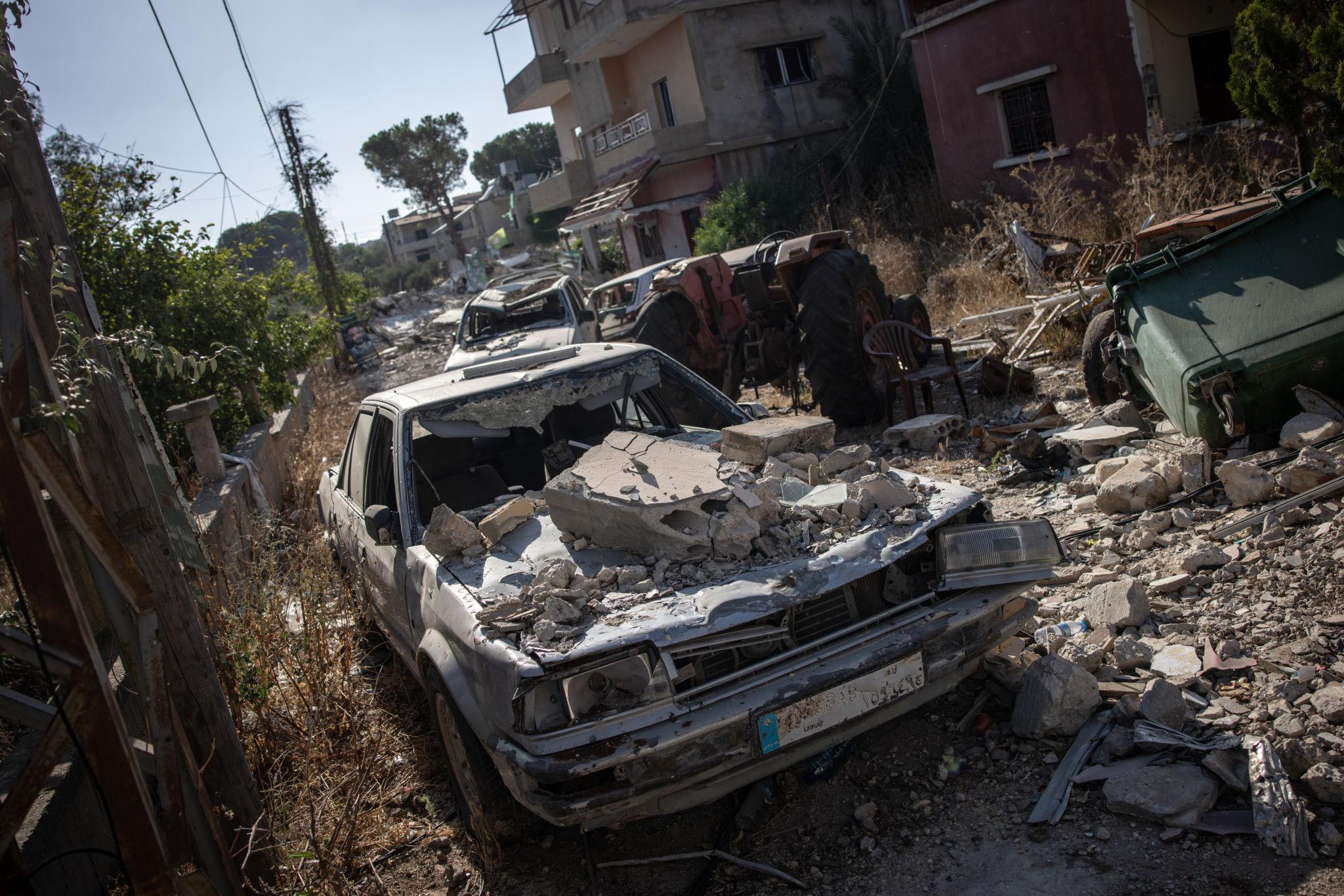
Communities in southern Lebanon are facing significant disruption due to the Israeli strikes Lebanon. Residents have reported damage to homes, infrastructure, and essential services.
Humanitarian concerns include:
- Displacement of families from affected
- Damage to roads, (electricity), and water systems
- Increased fear and uncertainty among civilians
- access to emergency services
While military targets are the stated focus, the proximity of civilian areas increases the likelihood of collateral damage.
International Reaction and Diplomatic Pressure
The international community has responded with calls for restraint following the Israeli strikes Lebanon. The United Nations has urged all parties to avoid further escalation and to respect existing ceasefire agreements.
Diplomatic efforts are ongoing, with several countries attempting to mediate and reduce tensions. However, the (current situation) remains volatile, with limited progress toward de-escalation.
A diplomatic source said,
“The continuation of Israeli strikes Lebanon risks undermining regional stability and global confidence.”
Broader Regional Implications
The Israeli strikes Lebanon are unfolding against a backdrop of heightened tensions across the Middle East. Multiple flashpoints, including ongoing disputes and proxy conflicts, contribute to an increasingly unstable environment.
Key concerns include:
- Potential for multi-front conflict involving regional actors
- Disruption of economic and trade routes
- Increased military presence across neighboring
- Escalation beyond localized clashes
The situation underscores how quickly localized incidents can evolve into broader geopolitical crises.
Military Balance and Strategic Risks
The balance of power between Israel and Hezbollah remains a critical factor. Israel’s advanced military capabilities provide significant advantages, while Hezbollah’s asymmetric tactics pose ongoing challenges.
The Israeli strikes Lebanon highlight the delicate nature of this balance, where each action carries the risk of unintended escalation.
Military analysts warn that even limited engagements can spiral if not carefully managed.
A Fragile Situation with Global Implications
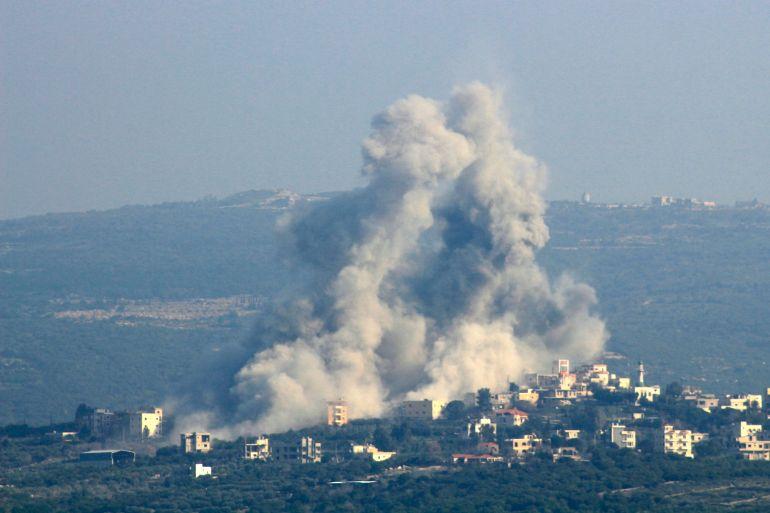
The Israeli strikes Lebanon across multiple southern towns represent a significant escalation in ongoing border tensions. While the immediate may be tactical, the broader implications are far-reaching.
Key Takeaways:
- Israeli strikes Lebanon have targeted multiple southern towns
- Operations appear coordinated and strategically focused
- Hezbollah has signaled potential retaliation
- Civilians face increasing risks and disruptions
- International calls for restraint continue
As the situation develops, the world will be watching closely to determine whether these Israeli strikes Lebanon remain contained or evolve into a wider regional conflict.
