Washington, January 30 2026 — According to parliament news In a year marked by heightened regulatory oversight and shifting legal norms, law firm hiring policies have emerged as a central issue in the United States legal landscape. Federal regulators are taking a closer look at how law firms recruit, evaluate, and select candidates, particularly as diversity driven hiring frameworks intersect with longstanding employment and antitrust laws.
The development reflects a broader recalibration of workplace regulation across professional industries. Law firms, traditionally viewed as advisers rather than subjects of scrutiny, are now being asked to demonstrate that their internal practices meet the same legal standards they counsel others to uphold. At the heart of the discussion is whether law firm hiring policies strike the right balance between inclusion, merit, and compliance.
Federal Oversight Enters a New Phase
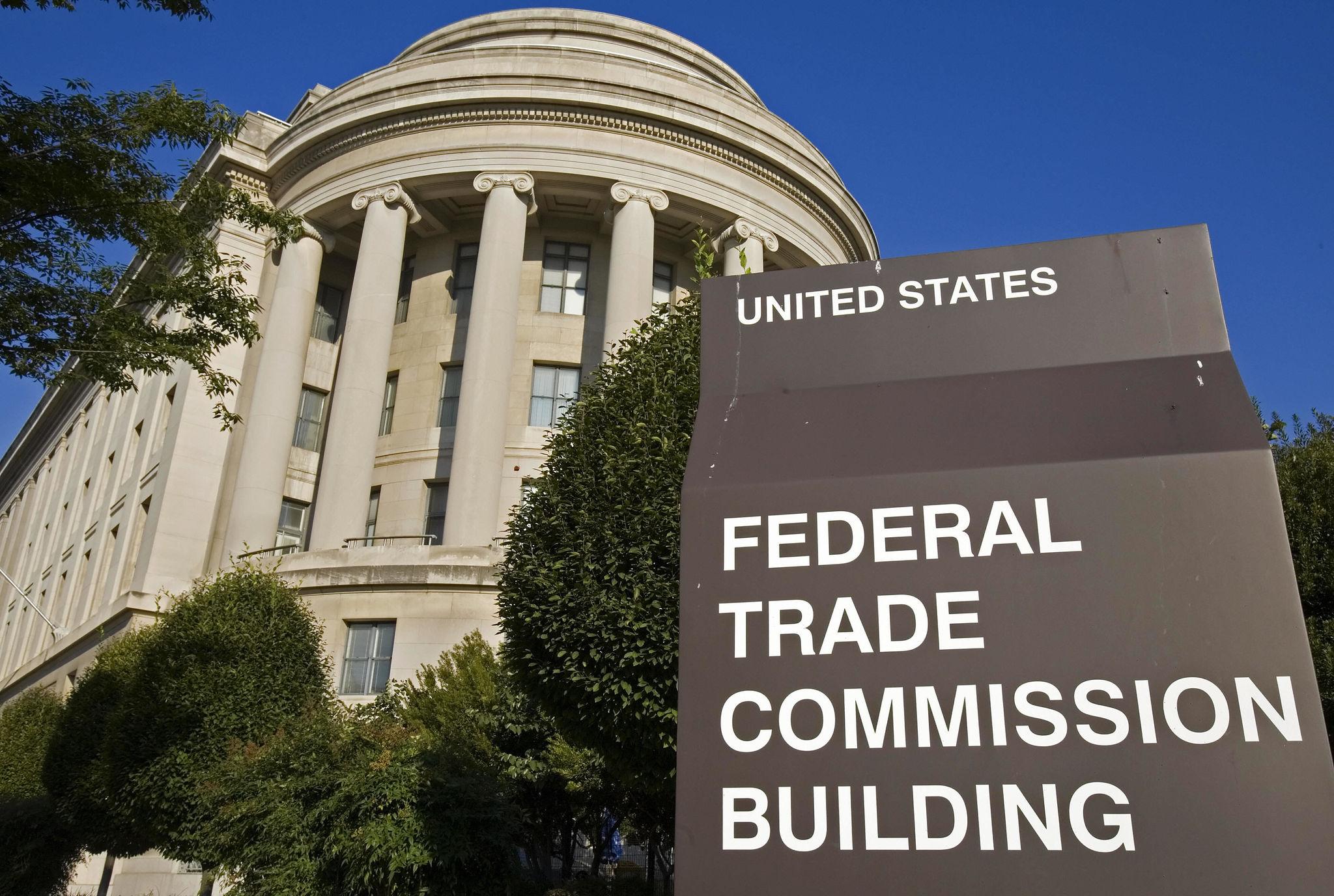
The growing attention to law firm hiring policies is closely tied to guidance issued by the US Federal Trade Commission. While the agency is best known for enforcing competition and consumer protection laws, officials have increasingly emphasized that employment practices can fall within its remit when they affect fair competition or equal access.
In Washington, regulators made clear that hiring frameworks must be legally neutral and transparent. The message was not framed as opposition to diversity initiatives, but as a reminder that all employment systems must operate within established legal boundaries.
This shift marks a notable expansion of federal oversight. Rather than reacting to specific violations, regulators are now signaling expectations in advance, encouraging firms to review and adjust law firm hiring policies before enforcement actions become necessary.
Why Law Firms Are Under the Spotlight
Law firms occupy a distinctive position in American society. They influence legislation, represent major corporations, shape judicial outcomes, and guide clients through regulatory complexity. As such, regulators argue that law firm hiring policies carry symbolic and practical significance.
Officials have noted that when law firms adopt hiring practices that appear inconsistent with federal standards, it raises broader concerns about credibility and fairness across the legal system. The logic is simple: institutions that interpret and apply the law must also exemplify compliance in their own operations.
Large national firms, many of which recruit hundreds of associates each year, are viewed as particularly influential. Their hiring models often set trends that ripple across the profession, from elite urban firms to regional practices.
The Evolution of Hiring in the Legal Industry
Over the past two decades, law firm hiring policies have evolved significantly. Once dominated by informal networks and traditional recruitment channels, the process has become more structured, data driven, and policy focused.
Diversity, equity, and inclusion initiatives gained momentum as firms sought to address historic underrepresentation. Outreach programs, targeted internships, and structured evaluation criteria became common features of modern hiring systems.
However, as these initiatives expanded, so did legal complexity. Regulators are now examining whether some approaches, while well intentioned, risk creating new forms of exclusion or unequal treatment. This examination does not dismiss diversity goals but questions how they are implemented within law firm hiring policies.

Regulatory Concerns and Legal Principles
At the core of the federal review is the principle of equal treatment under the law. Employment decisions must be based on job related criteria, applied consistently, and supported by clear documentation.
Regulators have emphasized that law firm hiring policies should not rely on fixed demographic targets or rigid quotas. Instead, authorities encourage inclusive outreach and fair evaluation processes that expand opportunity without predetermining outcomes.
One official familiar with the regulatory position stated,
“Employment systems should widen access while preserving individual assessment and legal neutrality.”
Industry Reaction and Internal Reviews
The response across the legal industry has been swift but measured. Many firms have launched internal audits of law firm hiring policies, bringing together human resources teams, compliance officers, and external advisers.
These reviews often focus on recruitment language, evaluation criteria, and decision making authority. Firms are assessing whether policies clearly articulate merit based standards and whether diversity goals are framed in ways that align with federal guidance.
Recruiters report increased demand for compliance training, particularly for partners and managers involved in hiring decisions. The goal is to ensure that law firm hiring policies are applied consistently across offices and practice groups.
Impact on Diversity and Inclusion Efforts
The federal focus has sparked debate about the future of diversity initiatives in the legal profession. Supporters argue that clearer guidance will strengthen inclusion by grounding it in legally sustainable frameworks. Critics worry that scrutiny could chill innovation or discourage firms from investing in diversity programs.
In practice, many firms are refining rather than abandoning their approaches. Law firm hiring policies are increasingly emphasizing pipeline development, mentorship, and skills based assessment rather than outcome driven benchmarks.
By focusing on access and preparation, firms aim to maintain diversity goals while reducing legal risk.
Compliance as a Strategic Priority
Compliance has become a strategic concern for law firms in 2026. Beyond avoiding enforcement action, firms recognize that reputational risk is closely tied to employment practices.
Clear and defensible law firm hiring policies are now viewed as essential to maintaining client trust, attracting talent, and protecting institutional credibility. Firms are investing in documentation systems that record hiring decisions and demonstrate alignment with stated criteria.
This emphasis reflects a broader trend across regulated industries, where proactive compliance is seen as a competitive advantage rather than a constraint.

Technology and Hiring Transparency
Technology is playing an increasingly important role in shaping law firm hiring policies. Structured interview tools, standardized evaluation forms, and applicant tracking systems are being used to enhance consistency and reduce bias.
While technology is not a cure all, firms see it as a way to support compliance by ensuring that decisions are based on documented criteria. Regulators have indicated that transparent processes, supported by reliable records, are less likely to raise concerns during reviews.
At the same time, firms are cautious about overreliance on automated systems, emphasizing the need for human judgment and individualized assessment.
Broader Implications for Professional Services
The focus on law firm hiring policies is being closely watched by other professional services sectors. Accounting firms, consulting firms, and financial institutions face similar challenges in balancing diversity goals with regulatory compliance.
Experts suggest that the legal sector may serve as a testing ground for broader employment standards. If regulatory expectations become clearer through engagement with law firms, other industries may follow similar models.
This potential ripple effect underscores the significance of the current moment for professional employment practices nationwide.
Political and Social Context
The scrutiny of law firm hiring policies unfolds against a backdrop of national debate over fairness, opportunity, and merit. In 2026, employment policy remains a politically sensitive issue, intersecting with broader discussions about civil rights and economic mobility.
Regulators are navigating competing pressures, seeking to uphold legal principles while acknowledging the importance of inclusion. The resulting guidance reflects an effort to balance these priorities without privileging one at the expense of the other.
Operational Changes Within Firms
Inside law firms, the review of law firm hiring policies is driving operational change. Some firms are centralizing hiring decisions to ensure consistency, while others are enhancing oversight through compliance committees.
Training programs for interviewers are becoming more formalized, with greater emphasis on legal standards and documentation. These changes are intended to reduce variability and ensure that policies are applied uniformly.
While adjustments can be resource intensive, many firms view them as necessary investments in long term stability.
Expert Perspectives on the Regulatory Shift
Legal analysts describe the current phase as preventive rather than punitive. Regulators appear focused on signaling expectations and encouraging voluntary compliance.
However, experts caution that guidance may eventually give way to enforcement if firms fail to adapt. In that context, law firm hiring policies that remain vague or poorly documented could face heightened risk.
The prevailing advice from compliance specialists is clear: clarity, consistency, and documentation are key.

Client Expectations and Market Pressure
Clients are also paying attention to how law firms manage internal practices. Corporate clients, particularly those in regulated industries, increasingly expect their legal advisers to demonstrate strong compliance cultures.
Transparent law firm hiring policies can reinforce client confidence, signaling that firms take legal obligations seriously at every level. In a competitive market, this credibility can influence client relationships and business development.
The Role of Professional Associations
Professional associations are beginning to respond by updating guidance and offering resources related to law firm hiring policies. These efforts aim to provide practical tools that align inclusion goals with legal requirements.
By facilitating dialogue between regulators and the profession, associations hope to reduce uncertainty and promote best practices that are both ethical and lawful.
Looking Ahead for the Legal Industry
As federal attention continues, law firms are likely to remain engaged in ongoing dialogue with regulators. The goal is not simply compliance, but clarity.
Many in the profession expect law firm hiring policies to become more standardized over time, reflecting shared principles of fairness and transparency. While this may reduce flexibility in some areas, it could also enhance trust in the legal system as a whole.
Washington’s Influence on National Standards
The developments unfolding in Washington in 2026 may shape national employment standards for years to come. By focusing on law firm hiring policies, regulators are addressing institutions that sit at the heart of legal interpretation and enforcement.
The outcome of this scrutiny will likely influence how fairness and compliance are understood across professional sectors.
A Turning Point for Legal Employment Practices
For many observers, the current moment represents a turning point. The review of law firm hiring policies is not merely an administrative exercise but a reflection of evolving expectations about accountability and integrity.
Firms that respond thoughtfully have an opportunity to strengthen their internal systems and reaffirm their leadership role within the legal profession.
The Path Forward Beyond Compliance
Ultimately, the challenge facing law firms is to move beyond minimal compliance toward sustainable, principled hiring systems. Law firm hiring policies that combine openness, merit, and legality can serve as models for other industries.
As the profession adapts, the focus is shifting from reactive adjustment to proactive design.
Final Perspective
The federal scrutiny of law firm hiring policies in 2026 underscores a simple but powerful idea: no institution is above the standards it helps enforce. For law firms, this moment offers both challenge and opportunity.
By embracing transparency and legal rigor, the profession can navigate regulatory change while continuing to evolve in a direction that reflects both fairness and excellence.