

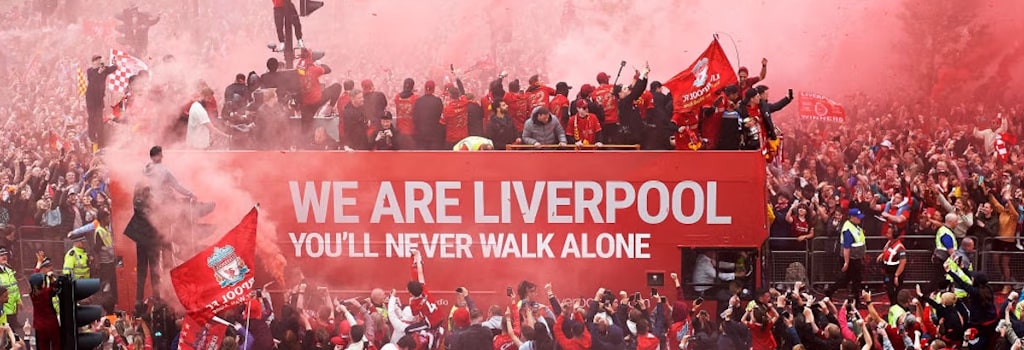
Liverpool, England, United Kingdom, January, 2026 — According to Parliament News, football executives, economists, and regulators across Europe are closely watching how Liverpool Premier League revenue has emerged as a defining force in the modern English football economy. As the Premier League navigates rising costs, regulatory pressure, and global competition for audiences, Liverpool’s financial trajectory is increasingly viewed as a model of disciplined growth rather than unchecked spending.
The transformation signals a broader shift in how success is measured in elite football, where sustainable income streams now rival trophies in determining long-term power and influence.
A Club Balancing Tradition and Modern Economics
At the center of this financial evolution is Liverpool, an institution whose global identity has been shaped by history, loyalty, and cultural influence. Over the past decade, the club’s leadership has pursued a strategy focused on steady expansion rather than sudden financial escalation.
Analysts note that Liverpool Premier League revenue growth has been driven by consistency across multiple income channels, reinforcing the club’s ability to compete at the highest level without destabilizing its economic foundation.
Broadcasting Rights Anchor Financial Stability
Broadcast income remains the backbone of elite football finance. The worldwide reach of the Premier League ensures that clubs with regular top-tier exposure benefit from lucrative domestic and international media agreements.
For Liverpool, frequent appearances in high-profile fixtures amplify visibility across Asia, North America, Africa, and the Middle East. This exposure plays a critical role in sustaining Liverpool Premier League revenue, ensuring predictable cash flow even during seasons of sporting transition.
Commercial Partnerships Expand Global Footprint
Commercial income has become increasingly independent of weekly results. Liverpool’s partnerships now span technology firms, apparel brands, financial services, and digital platforms, many of which value long-term association with globally trusted sports brands.
This diversification explains why Liverpool Premier League revenue continues to strengthen despite broader economic uncertainty affecting the global sports market.
Anfield’s Evolving Economic Role
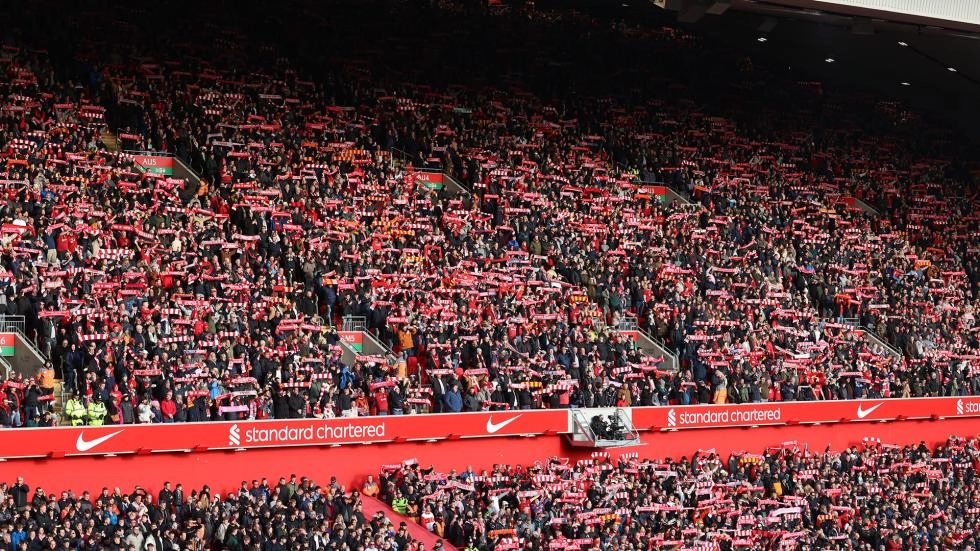
Anfield remains one of football’s most iconic venues, but its role in the club’s financial ecosystem has evolved. Rather than pursuing radical redevelopment, Liverpool has focused on targeted upgrades that enhance hospitality, premium seating, and non-matchday event hosting.
Economists emphasize that Liverpool Premier League revenue benefits from near-capacity attendance and optimized matchday experiences, allowing tradition and modernization to coexist without excessive debt exposure.
Competitive Balance Inside English Football
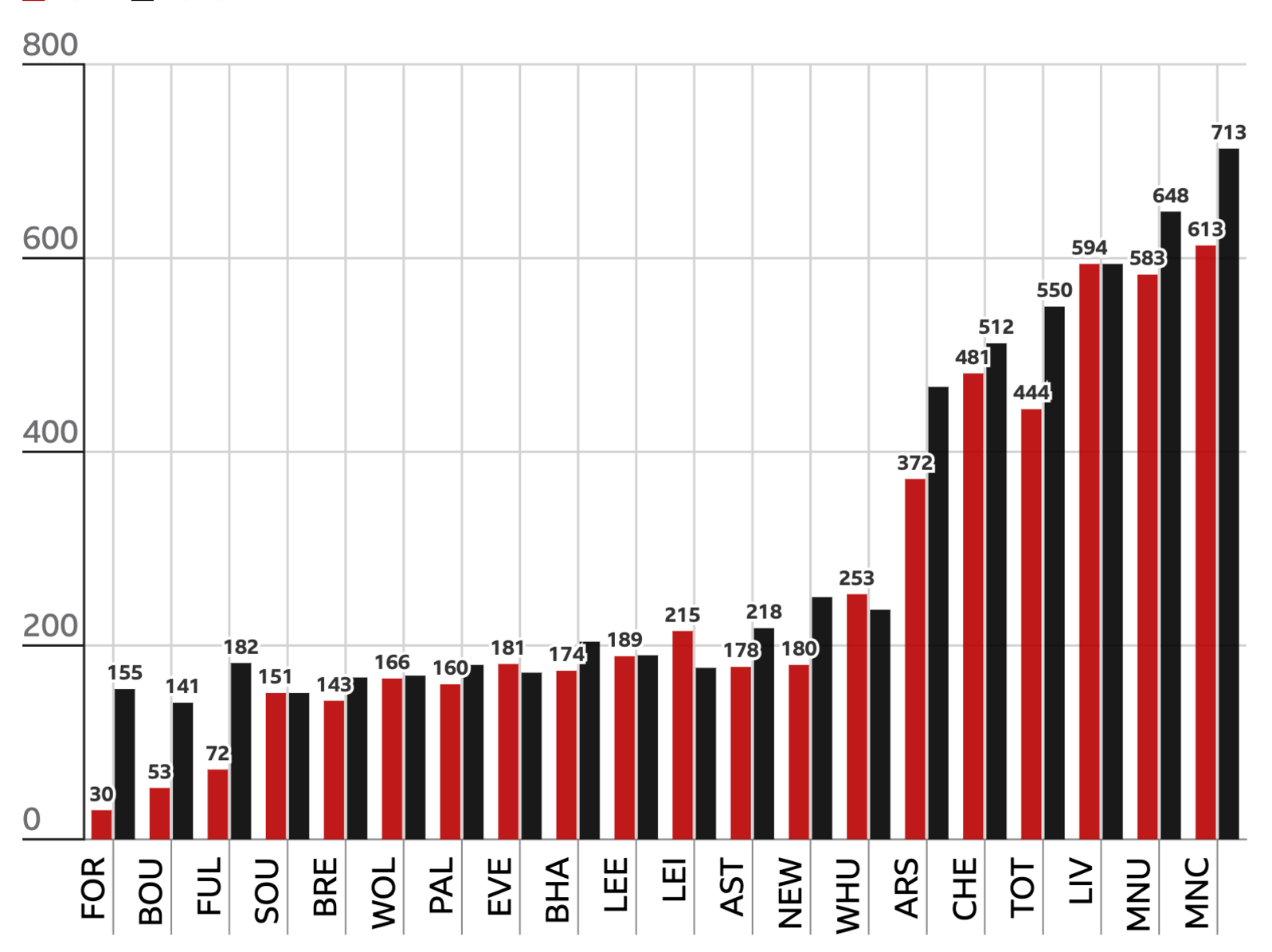
The Premier League’s commercial success has widened the gap between elite and mid-table clubs. While revenue sharing exists, financial disparities continue to influence squad depth, wage power, and long-term competitiveness.
Within this environment, Liverpool Premier League revenue is increasingly referenced by analysts as a benchmark for sustainable competitiveness rather than financial excess.
European Comparisons Highlight Structural Strength
Across Europe, revenue concentration has reshaped competitive balance. Many continental rivals rely on external investment or state-linked funding to remain competitive.
Liverpool’s largely self-sustaining model has drawn attention from governance experts, positioning Liverpool Premier League revenue among Europe’s most stable financial profiles while maintaining regulatory credibility.
Squad Investment Guided by Financial Discipline
Revenue strength directly influences recruitment strategy. Liverpool’s approach emphasizes data-driven scouting, youth development, and continuity over frequent high-cost transfers.
Club executives argue that Liverpool Premier League revenue supports competitive wages without exposing the club to long-term financial instability, a balance increasingly rare at the elite level.
Regulatory Pressure and Governance Expectations
Football’s regulatory environment continues to tighten, with sustainability rules placing greater emphasis on transparency and cost control. Clubs demonstrating financial discipline are increasingly favored under evolving oversight frameworks.
Industry observers suggest Liverpool Premier League revenue aligns closely with these expectations, strengthening the club’s standing as scrutiny intensifies.
Global Fans Power the Revenue Engine
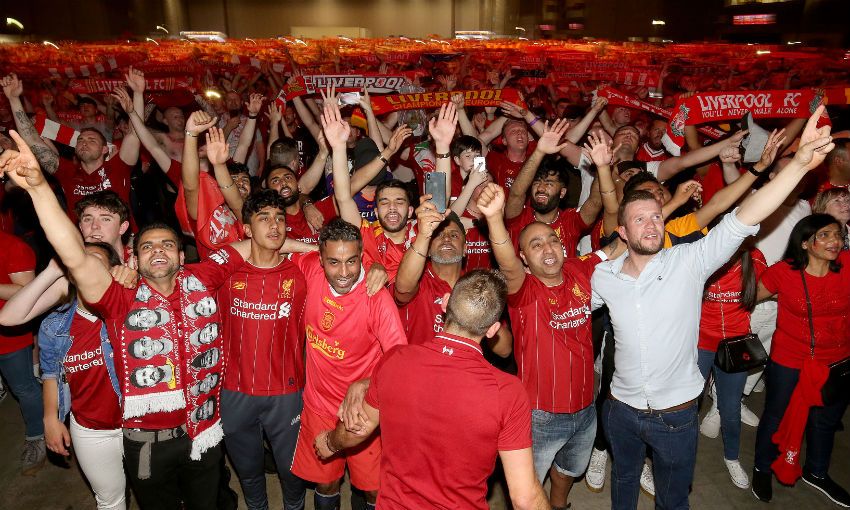
Liverpool’s worldwide supporter base remains central to financial resilience. Digital memberships, global merchandise platforms, and international tours convert loyalty into predictable income streams.
This engagement ensures Liverpool Premier League revenue remains resilient amid changing consumer behavior and digital disruption.
Expert Insight on Financial Leadership
One senior football finance economist said,
“Liverpool have shown that disciplined revenue growth and global trust can sustain elite performance without abandoning club identity.”
The observation reflects growing consensus that sustainability and ambition can coexist in modern football.
Financial Sustainability and the New Cost Reality
The economics of elite football are increasingly defined by cost control as much as income growth. Player wages, performance bonuses, agent commissions, and infrastructure maintenance now account for the largest share of club expenditure. In this environment, clubs without disciplined revenue planning face growing vulnerability.
For Liverpool, financial sustainability has become a defining principle. Analysts note that Liverpool Premier League revenue growth has been accompanied by proportional cost management, allowing the club to remain competitive without accumulating destabilizing liabilities. This balance is now widely viewed as a structural advantage rather than a temporary phase.
Ownership Strategy and Long-Term Planning
Behind Liverpool’s financial stability lies a governance model centered on long-term planning rather than short-term acceleration. Ownership decisions prioritize self-sufficiency, reinvestment, and risk mitigation, reflecting lessons learned from previous eras of financial volatility in football.
Market observers argue that Liverpool Premier League revenue is the product of institutional discipline, where commercial expansion supports football operations rather than dictating them. This approach has insulated the club from sudden market shifts that have disrupted rivals across Europe.
Youth Development and Internal Value Creation
One of the less visible contributors to financial health is internal talent development. Liverpool’s investment in youth infrastructure and performance analytics has reduced reliance on inflated transfer markets.
By producing and integrating talent internally, Liverpool Premier League revenue is preserved for strategic reinforcement rather than constant replacement. This internal value creation strengthens sporting continuity while limiting financial exposure.
Media Rights Evolution and Audience Fragmentation
The global media landscape is evolving rapidly. Traditional broadcasting contracts remain lucrative, but audience fragmentation and digital consumption are reshaping how value is extracted from media rights.
Analysts suggest that Liverpool Premier League revenue will increasingly depend on adaptability to new distribution models, including direct-to-consumer platforms and personalized content ecosystems. Clubs capable of navigating this shift are expected to maintain revenue momentum even as legacy media structures change.
The Role of Data and Commercial Intelligence
Data analytics now extend beyond the pitch into commercial strategy. Fan behavior, purchasing patterns, and engagement metrics inform sponsorship valuation and digital offerings.
This data-driven approach ensures Liverpool Premier League revenue remains aligned with supporter expectations while maximizing monetization efficiency. In a competitive entertainment market, precision increasingly determines profitability.
Global Economic Pressures and Currency Exposure
Elite football clubs operate across multiple currencies and markets, exposing them to economic volatility. Exchange rate fluctuations, inflation, and regional downturns all influence revenue conversion.
Financial planners emphasize that Liverpool Premier League revenue benefits from geographic diversification, reducing reliance on any single market and spreading economic risk across continents.
Competitive Implications for the Premier League
The Premier League’s global success has created a feedback loop in which revenue growth attracts talent, which in turn sustains audience demand. However, this cycle also intensifies internal inequality.
Within this system, Liverpool Premier League revenue exemplifies how disciplined financial growth can coexist with competitive ambition, offering a counterpoint to models driven by excessive leverage.
Influence on Financial Regulation Debates
As governing bodies debate reforms aimed at preserving competitive balance, Liverpool’s financial structure frequently enters policy discussions. Regulators examining cost controls and revenue sustainability view disciplined models as evidence that reform need not stifle ambition.
In this context, Liverpool Premier League revenue serves as a reference point in ongoing conversations about the future shape of elite football governance.
Supporter Trust and Financial Transparency
Modern supporters increasingly scrutinize financial decisions. Transparency, communication, and perceived fairness now influence fan trust as much as on-field performance.
Liverpool’s ability to align sporting objectives with financial responsibility has strengthened supporter confidence, reinforcing loyalty that directly feeds into revenue stability.
Strategic Resilience in an Uncertain Era
Global sport faces uncertainty from geopolitical tension, technological disruption, and shifting consumer habits. Clubs with flexible revenue structures are better positioned to adapt.
Economic strategists argue that Liverpool Premier League revenue reflects resilience built through diversification, restraint, and long-term brand trust rather than opportunistic expansion.
The Club’s Broader Cultural and Economic Impact
Beyond football, Liverpool’s financial success contributes to local employment, tourism, and international visibility for the city. Match-days, global broadcasts, and digital engagement extend economic benefits beyond the club itself.
This broader impact reinforces the significance of sustainable revenue growth as a civic as well as sporting concern.
Looking Ahead to the Next Financial Cycle
As football enters its next commercial cycle, driven by digital platforms and evolving media rights, adaptability will define success. Clubs able to balance innovation with tradition are expected to lead.
Industry forecasts suggest Liverpool Premier League revenue will remain a central metric in evaluating how elite clubs navigate the next decade of economic change.
A Sustainable Model for Modern Football
As the 2026 season unfolds, the financial trajectory of Liverpool illustrates how strategic discipline can coexist with elite ambition. In an era where economic imbalance threatens competitive integrity, Liverpool’s model offers evidence that growth does not require excess.
With regulation tightening and global audiences expanding, the evolution of Liverpool Premier League revenue stands as a case study in how modern football can pursue success while preserving long-term stability.