SEATTLE, Washington (Parliament Politics Magazine) Microsoft AI conference discussions are expected to center on artificial intelligence, cloud computing, and next-generation personal computing as Microsoft prepares to showcase new technologies during its annual developer event. The conference arrives at a time when AI investment continues to accelerate across the technology industry, with businesses seeking innovative solutions that improve productivity and efficiency.
Analysts believe the Microsoft AI conference could become one of the most closely watched technology events of the year as developers, investors, and enterprise customers look for signals about Microsoft’s future AI strategy. The company has invested heavily in artificial intelligence infrastructure and cloud services, making this year’s announcements especially significant.
“Artificial intelligence is becoming a core component of modern computing experiences and enterprise technology strategies.”
AI-Powered PCs Expected to Take Center Stage
One of the most anticipated topics at the Microsoft AI conference is the evolution of AI-powered personal computers. Recent advances in processor technology have enabled devices to perform more AI tasks locally while remaining connected to cloud-based intelligence platforms.
Microsoft is expected to demonstrate how these systems can improve productivity, automate workflows, and enhance user experiences. Industry observers believe AI-powered PCs could become an important growth category as consumers and businesses increasingly adopt intelligent computing solutions.
The Microsoft AI conference may also reveal new software capabilities designed to integrate artificial intelligence more deeply into everyday computing environments.
Cloud Services Remain a Strategic Priority
Azure continues to play a critical role in Microsoft’s long-term growth plans. During the Microsoft AI conference, experts expect the company to unveil enhancements to cloud infrastructure and enterprise AI services.
Businesses around the world are expanding investments in artificial intelligence applications that require scalable cloud resources. Microsoft’s ability to provide secure, enterprise-grade infrastructure remains one of its strongest competitive advantages.
Many analysts expect the Microsoft AI conference to feature announcements aimed at helping organizations deploy AI models more efficiently while maintaining security and regulatory compliance.
“Cloud infrastructure will remain one of the most important foundations supporting the future of artificial intelligence.”
New Developer Tools Could Accelerate Innovation
Developers represent a key audience for Microsoft’s annual event, making software development tools another likely area of focus. The Microsoft AI conference is expected to showcase improvements that help programmers build, test, and deploy AI-powered applications more effectively.
Artificial intelligence is transforming software development by assisting with coding, debugging, and workflow automation. Microsoft has already introduced several AI-driven tools, and industry experts anticipate additional enhancements during the conference.
The continued expansion of developer-focused AI technologies could help organizations reduce development time while improving software quality.
Enterprise Adoption Continues to Expand
The rapid adoption of artificial intelligence across industries has created significant demand for enterprise solutions. The Microsoft AI conference is expected to highlight how businesses are using AI to improve decision-making, automate repetitive tasks, and enhance customer engagement.
Organizations in healthcare, finance, manufacturing, retail, and logistics are increasingly integrating AI into their operations. Microsoft has positioned itself as a major provider of the tools and infrastructure supporting this transformation.
As enterprise adoption grows, the Microsoft AI conference will likely emphasize practical applications that deliver measurable business value.
History of Microsoft’s Developer Conferences
The history behind the Microsoft AI conference reflects the company’s broader evolution from software provider to cloud and AI leader. Earlier developer events primarily focused on operating systems and software platforms. Over time, cloud computing, artificial intelligence, and enterprise technology became increasingly important themes.
The shift mirrors larger industry trends as organizations embrace digital transformation and intelligent automation. Today’s conference agenda reflects a technology landscape where AI capabilities are becoming essential components of modern business operations.
This evolution demonstrates how Microsoft’s strategy has adapted to changing market demands and technological advancements.
Global Competition in Artificial Intelligence Intensifies
The Microsoft AI conference takes place amid growing competition among the world’s largest technology companies. Organizations across the industry continue investing billions of dollars into AI infrastructure, advanced processors, cloud computing, and intelligent software.
Success in artificial intelligence increasingly depends on the ability to combine powerful hardware, scalable cloud platforms, and innovative software solutions. Microsoft’s strategy appears focused on strengthening all three areas simultaneously.
Industry observers will closely monitor announcements for indications of how the company plans to maintain momentum in a rapidly evolving market.
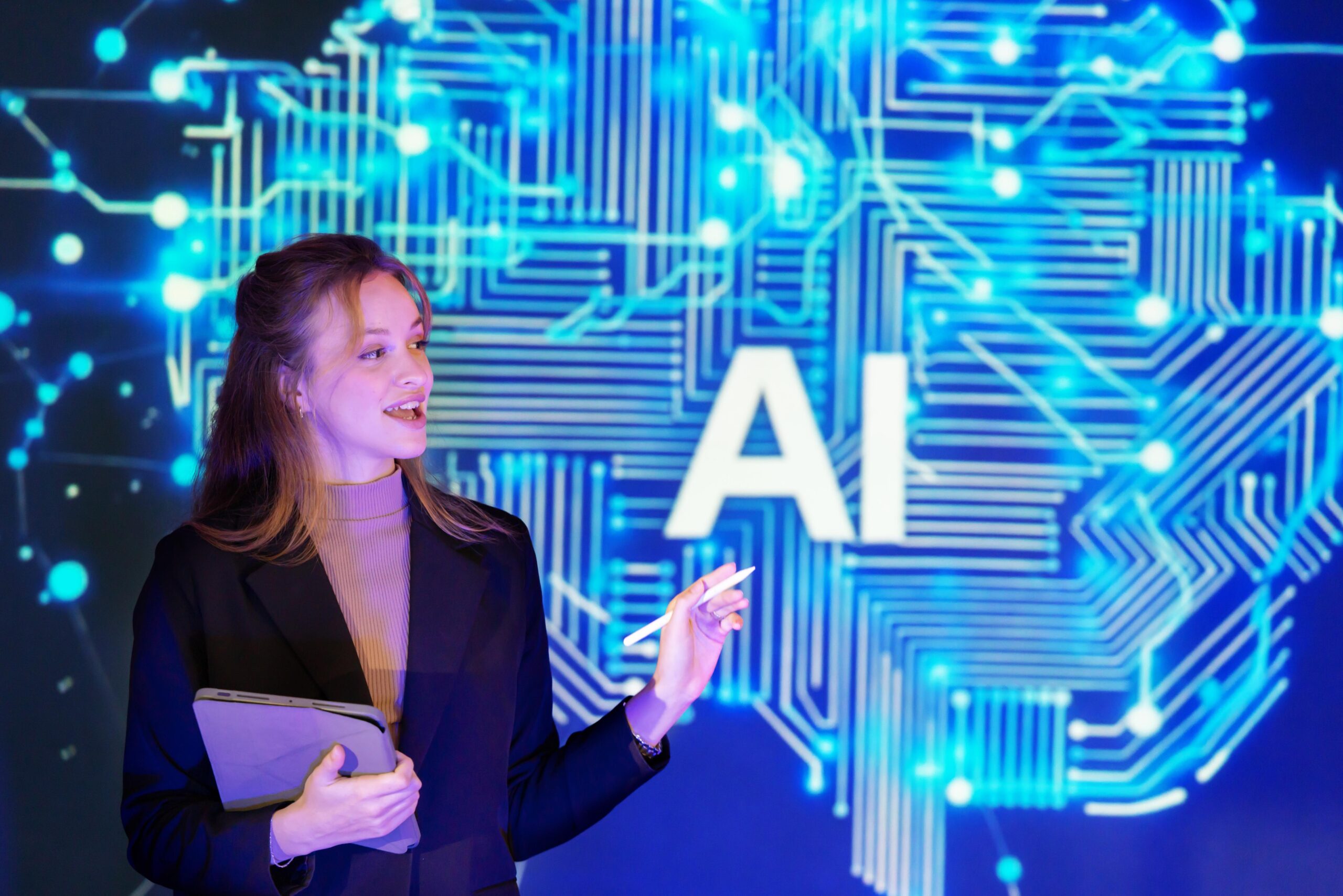
Looking Ahead to Microsoft’s AI Future
The Microsoft AI conference is expected to provide valuable insight into the future direction of artificial intelligence and enterprise technology. New announcements could influence how businesses deploy AI solutions, how developers create software, and how consumers interact with intelligent devices.
As AI adoption continues expanding globally, Microsoft’s role in shaping the next generation of computing remains significant. The conference may offer a glimpse into technologies that could define digital transformation strategies throughout the remainder of the decade.