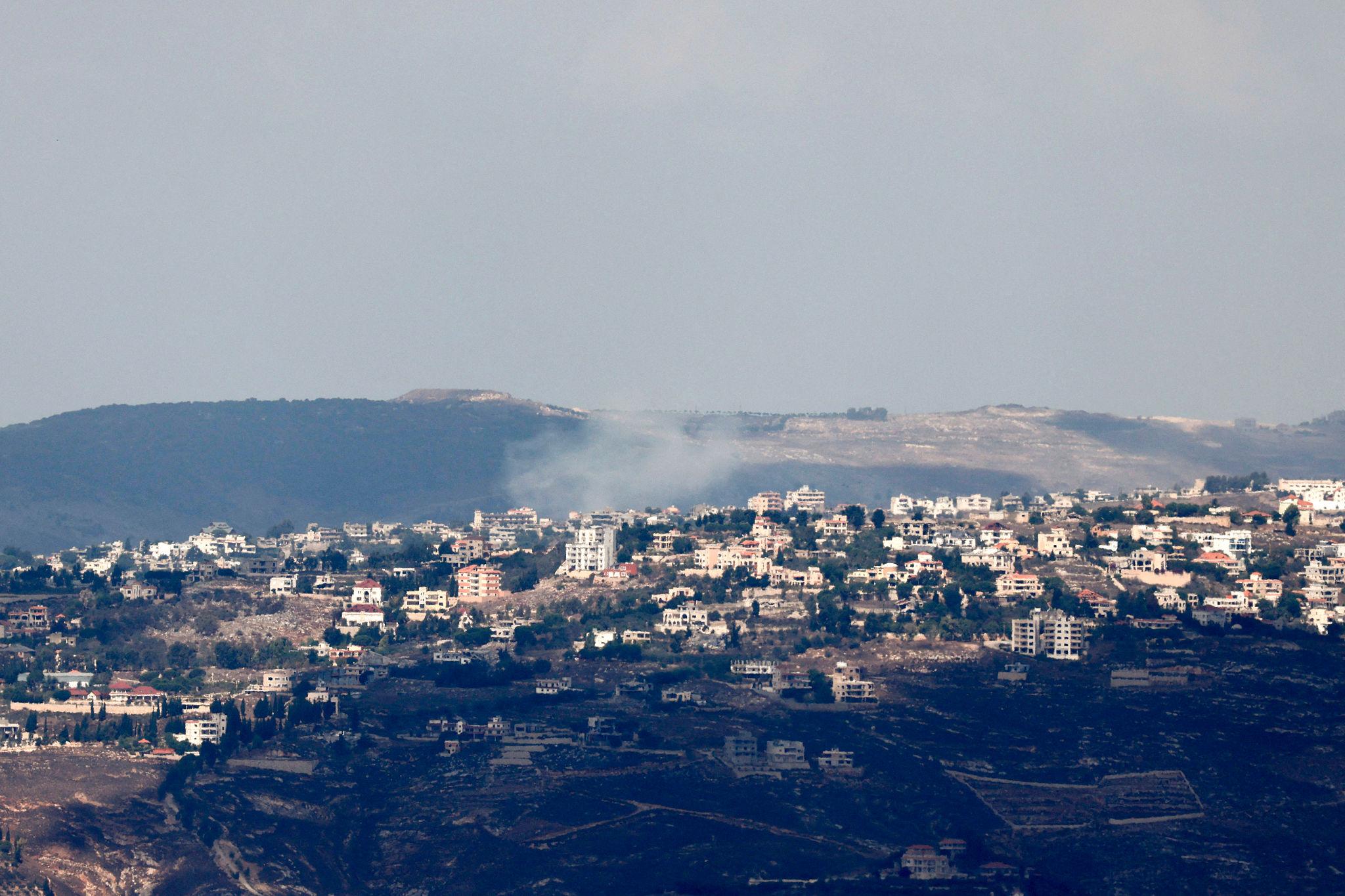
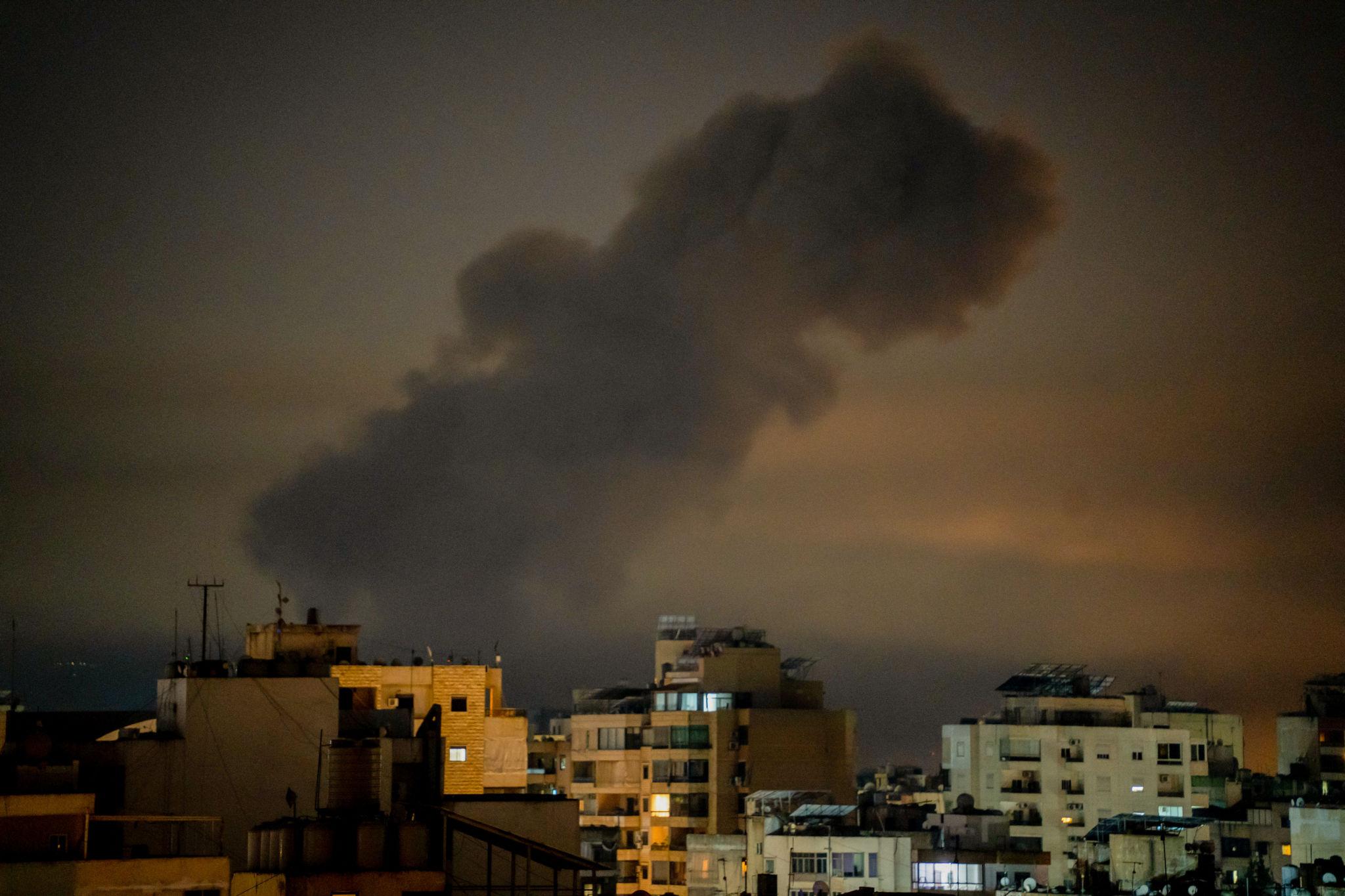
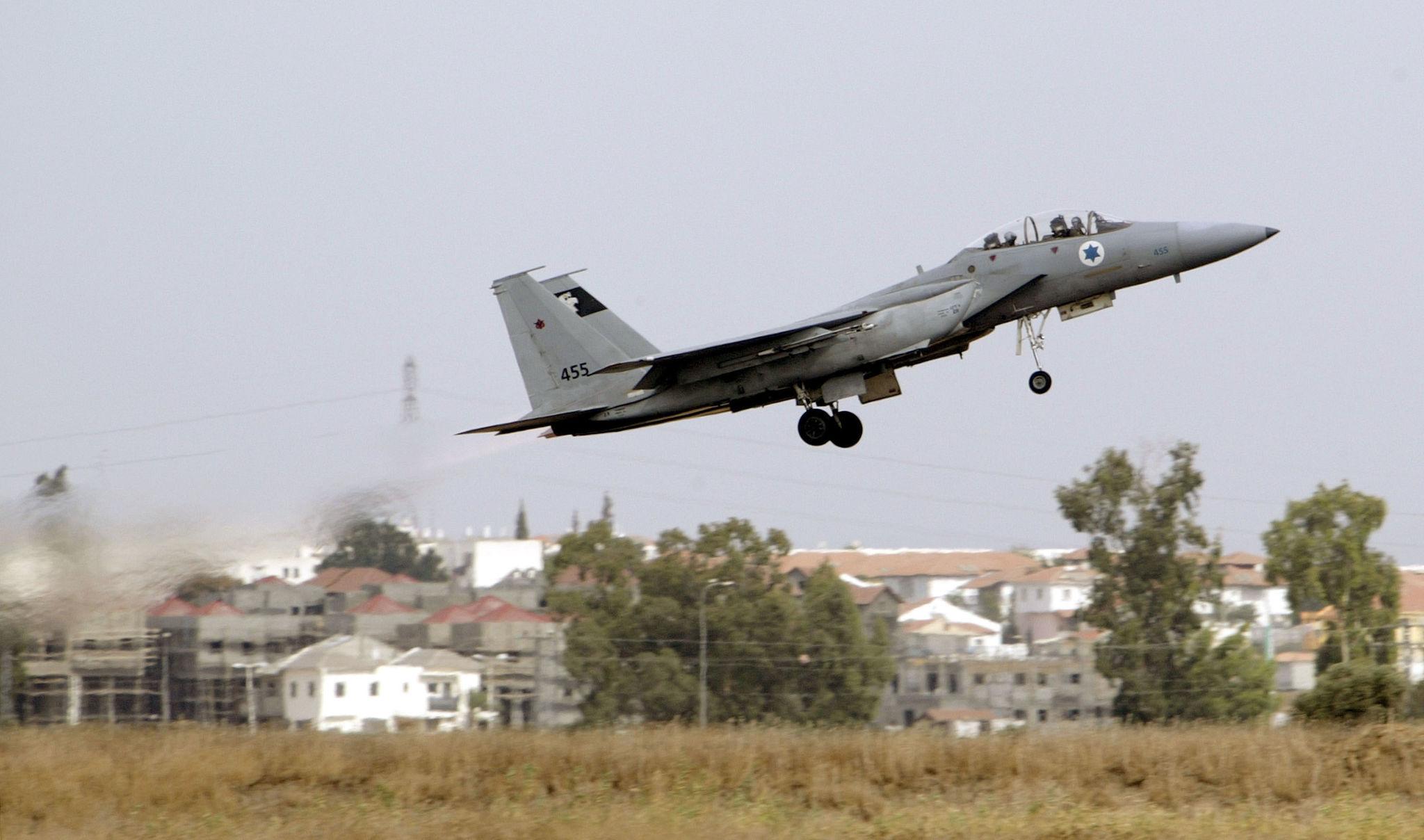
Beirut, April 10, 2026 (Parliament Politics Magazine) Middle East crisis escalation is rapidly intensifying after new military strikes by Israel targeted areas in southern Lebanon, just hours before scheduled diplomatic talks between the United States and Iran. The timing has raised immediate concerns among global observers that fragile efforts toward de-escalation could be at risk.
The strikes have shifted attention away from diplomacy and toward the possibility of renewed confrontation, signaling a potentially dangerous turning point in the region.
Escalation Overshadows Diplomatic Efforts
The unfolding Middle East crisis escalation comes at a sensitive moment. Negotiations between the United States and Iran were expected to address ongoing tensions and lay the groundwork for a possible truce.
Instead, the renewed conflict has introduced uncertainty into an already fragile process. Diplomatic sources indicate that while talks are still expected to proceed, the atmosphere has become significantly more tense.
A regional analyst stated:
“Diplomacy depends on timing and trust. Events like this undermine both, making negotiations far more difficult.”
Strategic Context Behind the Military Action
Long-standing tensions between Israel and armed groups operating within Lebanon have contributed to recurring cycles of conflict. In this context, the latest developments reflect deeper structural issues rather than isolated incidents.
Experts believe the strikes may be aimed at reinforcing deterrence or sending a strategic message ahead of broader geopolitical discussions. However, such actions can easily be interpreted as escalation, further complicating regional dynamics.
The current Middle East crisis escalation illustrates how interconnected security concerns continue to shape decision-making across multiple fronts.
Implications for US-Iran Negotiations
The renewed tension could significantly impact upcoming talks between the United States and Iran. Diplomatic observers warn that events in Lebanon may influence how Tehran approaches negotiations.
Increased pressure from regional developments could lead to a more rigid negotiating stance, reducing the likelihood of compromise.
A senior diplomatic source noted:
“When the region heats up, positions tend to harden. That’s the biggest risk to the talks right now.”
If the Middle East crisis escalation continues, it may delay or undermine efforts to reach any meaningful agreement.
Regional and Global Reactions
Governments across the Middle East and beyond have responded cautiously, emphasizing the importance of restraint. Neighboring countries remain particularly concerned about the potential for conflict to spread.
Instability in Lebanon has historically had ripple effects throughout the region, affecting economic conditions, security frameworks, and population movements.
International organizations have also called for de-escalation, warning that continued tensions could have serious consequences for global stability.
Civilian Impact and Humanitarian Concerns
The human cost of the Middle East crisis escalation is an immediate concern. Even limited military engagements can disrupt daily life, damage infrastructure, and create long-term challenges for affected communities.
Residents in southern Lebanon have reported heightened anxiety, with many fearing that the situation could worsen. In areas that have experienced repeated conflicts, the cumulative impact can be severe.
Humanitarian agencies are monitoring developments closely, preparing for potential increases in need if conditions deteriorate.
Economic and Energy Market Implications
The broader economic impact of the Middle East crisis escalation is also becoming evident. The region plays a critical role in global energy supply, and instability often leads to increased market volatility.
Oil prices are particularly sensitive to geopolitical developments in the Middle East. Investors are closely watching the situation, with concerns that further escalation could disrupt supply routes or production levels.
Such uncertainty can have ripple effects across global markets, influencing everything from transportation costs to consumer prices.
A Pattern of Strategic Timing
Analysts note that military actions often coincide with key diplomatic moments. The timing of the latest strikes suggests a calculated decision, potentially aimed at influencing broader negotiations.
The Middle East crisis escalation reflects a pattern in which actions on the ground are closely linked to developments at the negotiating table.
While such strategies may serve short-term objectives, they also increase the risk of unintended consequences, particularly in an already volatile environment.
What Comes Next?
The immediate future will depend on how key stakeholders respond. If diplomatic efforts continue despite the heightened tensions, there may still be an opportunity to stabilize the situation.
However, further escalation could quickly shift the trajectory toward a more prolonged conflict.
Observers emphasize that restraint and clear communication will be essential in the coming days to prevent the situation from spiraling out of control.
Crisis Deepens Ahead of Critical Talks
Middle East crisis escalation has intensified at a critical moment, as Israel’s strikes in Lebanon cast uncertainty over upcoming US-Iran negotiations. The timing has heightened regional tensions and raised concerns about the potential for broader conflict.
While diplomatic channels remain open, the situation underscores how fragile peace efforts can be in a complex geopolitical environment. The coming days will be crucial in determining whether tensions ease or escalate further.