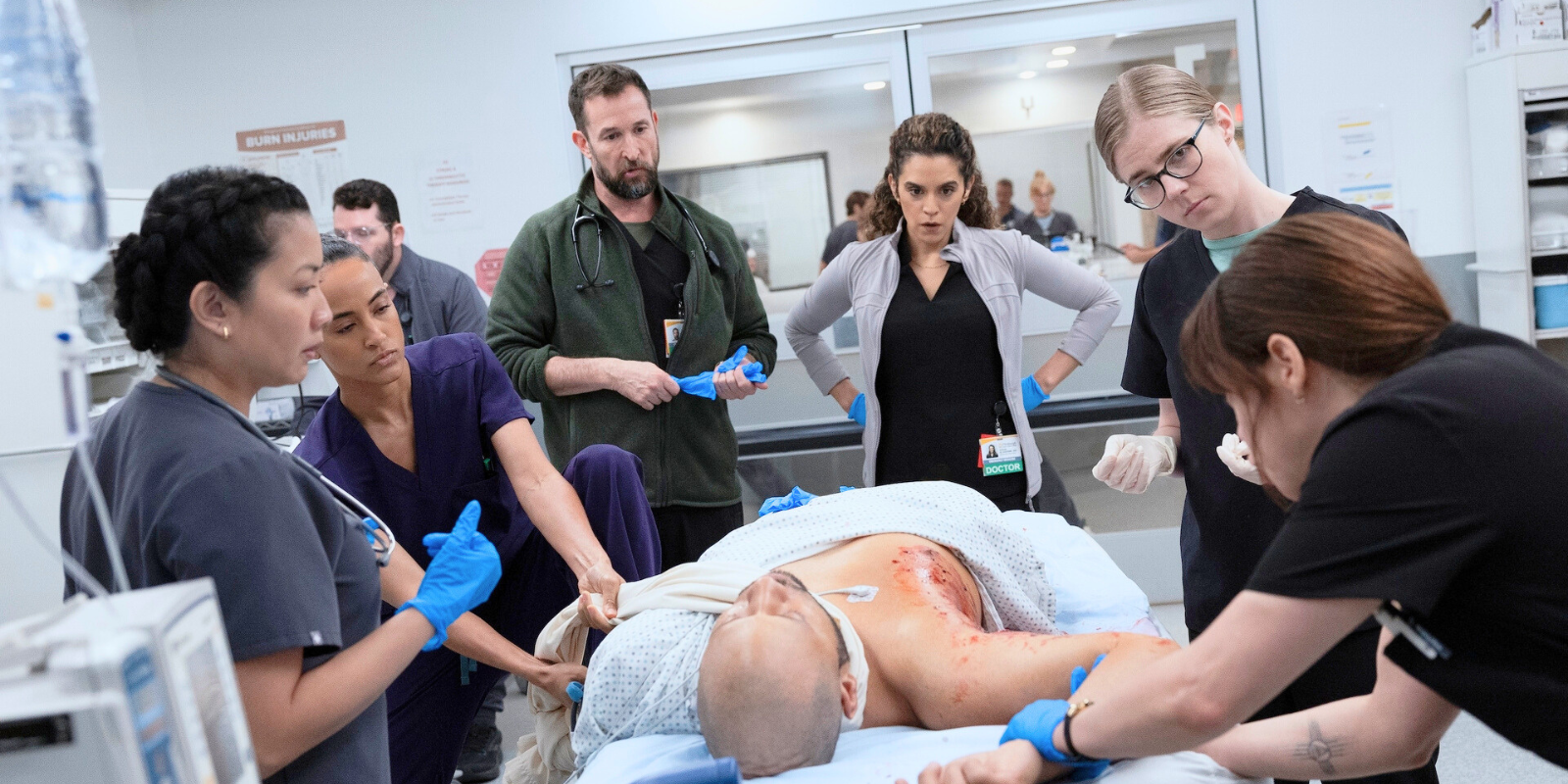
Beirut, Lebanon, April 09, 2026 (Parliament Politics Magazine) Middle East medical emergency is deepening as hospitals in Beirut report a surge of patients arriving in severe psychological and physical distress. Medical officials on the front lines describe chaotic scenes inside emergency departments, where victims of recent escalation are being treated under extreme pressure.
The unfolding situation highlights the growing humanitarian strain across the region, where healthcare systems are being pushed toward critical limits.
Emergency Rooms Overwhelmed by Patient Surge
Doctors and nurses say the number of incoming patients has increased dramatically in recent days. Emergency units are operating beyond normal capacity, with staff forced to prioritize the most critical cases.
Many patients are arriving in states of confusion and fear, making treatment more complex.
“Patients we saw were all in shock,”
said the head of an emergency department.
“Some could not respond, others were visibly disoriented, and many had experienced extreme trauma within moments.”
This statement underscores the severity of the Middle East medical emergency, where both physical and psychological injuries are overwhelming hospitals.
Types of Injuries and Trauma Observed
The Middle East medical emergency is not limited to physical harm—it includes a significant mental health component that complicates care.
Physical Conditions
- Blast injuries and fractures
- Burns and severe wounds
- Respiratory complications from debris
- Internal injuries requiring urgent care
Psychological Effects
- Acute shock and trauma
- Anxiety and panic episodes
- Emotional numbness
- Temporary cognitive impairment
Medical professionals emphasize that untreated psychological shock can lead to long-term consequences.
Healthcare Systems Under Extreme Pressure
Lebanon’s healthcare infrastructure was already under strain prior to the current escalation. Economic instability, limited resources, and staffing shortages have weakened the system over time.
Now, the Middle East medical emergency is exposing these vulnerabilities more than ever.
Hospitals are reporting:
- Shortages of essential medical supplies
- Limited availability of intensive care units
- Overworked healthcare personnel
- Delays in treatment due to overcrowding
This combination is creating a situation where even routine care becomes difficult to manage.

Human Impact Behind the Crisis
Beyond the medical statistics, the crisis is deeply human.
Patients arriving at hospitals often share stories of sudden disruption—families separated, homes damaged, and lives changed within minutes. Many arrive without documentation or support, adding to the challenges faced by medical teams.
“We are not just treating injuries—we are treating fear,” one healthcare worker said. “People come in overwhelmed, unsure of what just happened to them.”
These personal accounts highlight the emotional dimension of the Middle East medical emergency.
Medical Staff Facing Emotional and Physical Strain
Healthcare workers are enduring long shifts under intense conditions. Many report exhaustion, both physical and emotional, as they continue to treat a continuous flow of patients.
Despite the challenges, medical teams remain committed to their roles.
“We keep going because we have to,” said a nurse. “Every patient needs immediate care, and there’s no time to pause.”
The resilience of medical staff is a critical factor in managing the ongoing emergency.
International Concern and Response
The Middle East medical emergency has drawn global attention, with humanitarian organizations calling for urgent support.
There is growing concern that without additional resources, the situation could worsen significantly.
Key areas of need include:
- Medical supplies and equipment
- Financial assistance
- Additional healthcare personnel
- Infrastructure support
International agencies are closely monitoring developments and assessing how best to respond.
Broader Regional Implications
The crisis in Beirut reflects wider instability across the region. Healthcare systems often serve as a frontline indicator of broader societal stress during periods of conflict.
When hospitals become overwhelmed, it signals deeper challenges that extend beyond healthcare.
The Middle East medical emergency raises concerns about:
- Long-term public health outcomes
- Population displacement
- Economic recovery challenges
- Social and political stability
What Comes Next for the Crisis
The future of the Middle East medical emergency will depend on several key factors:
Conflict Developments
Any escalation or de-escalation will directly influence hospital admissions.
External Support
Increased international aid could help stabilize healthcare systems.
System Resilience
Long-term recovery will require structural improvements and investment.
A Region Facing Ongoing Challenges
Beirut has a history of resilience, but the current situation presents new and complex challenges. The combination of physical injuries and widespread psychological trauma makes this crisis particularly difficult to manage.
The Middle East medical emergency is not just a momentary event—it is part of a larger, ongoing humanitarian issue.
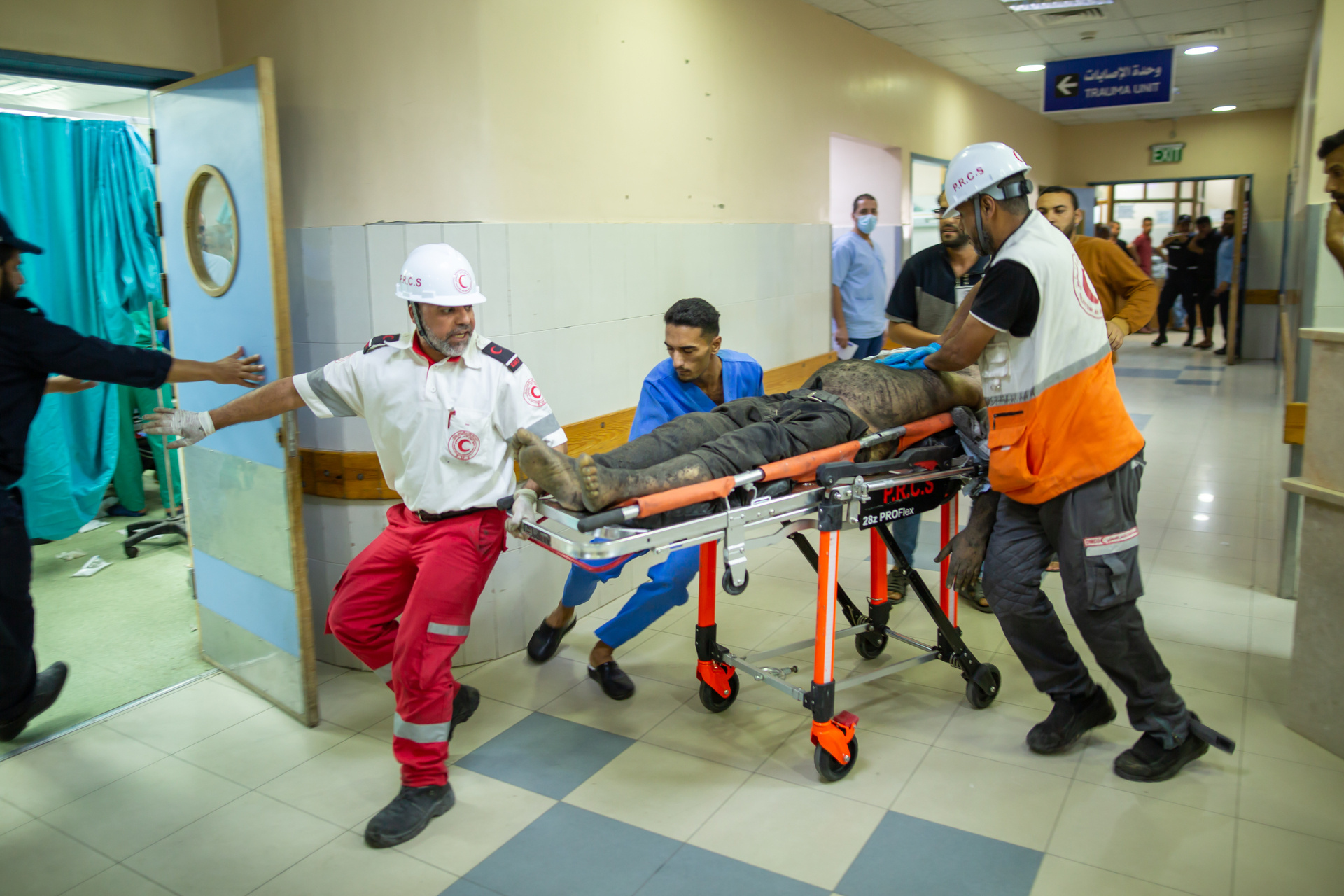
A Healthcare System Under Strain
In summary, the Middle East medical emergency reveals a healthcare system under severe pressure as hospitals respond to a surge in patients experiencing both physical injuries and psychological shock.
- Emergency rooms are operating beyond capacity
- Patients are arriving in states of severe distress
- Medical staff are facing burnout
- International support is urgently needed
“This is a humanitarian crisis unfolding inside hospital walls,”
a healthcare official stated.
The situation remains fluid, with outcomes dependent on both regional developments and global response efforts.