Streaming giants escalate consolidation amid rising Netflix competition.
New York executives monitor mergers and global expansion in 2026.
Analysts say the streaming power balance may be shifting.
New York United States – February 24, 2026 — Parliament News confirms that the global streaming industry is entering a defining period shaped by intensifying Netflix competition, as major studios and digital platforms accelerate consolidation, strategic expansion, and content investment strategies in 2026. Executives, investors, and regulators in New York United States are closely tracking mergers, licensing negotiations, and technological innovation driven by sustained Netflix competition across domestic and international markets.
Strategic Realignment Reshapes Streaming Economics
The streaming sector has evolved from rapid subscriber acquisition to disciplined strategic positioning. What once centered on headline growth metrics now focuses on profitability, operational efficiency, and long term sustainability. In 2026, Netflix competition stands at the center of this structural transition.
Media companies that initially viewed streaming as a complementary revenue stream now treat it as their primary distribution channel. Traditional broadcast networks and theatrical releases remain relevant, but digital platforms increasingly determine revenue stability.
Executives in New York United States acknowledge that Netflix competition has forced a recalibration of production budgets, global licensing strategies, and corporate risk tolerance. As subscriber growth stabilizes in North America, companies must innovate to maintain momentum.

Consolidation as a Defensive Strategy
Merger activity has accelerated as companies seek scale advantages. Consolidation reduces overlapping infrastructure costs while strengthening content portfolios. Analysts argue that Netflix competition has created an environment where mid sized platforms struggle to survive independently.
A senior investment analyst based in Manhattan stated,
“The streaming sector is entering a consolidation cycle. Netflix competition makes scale not just beneficial but essential.”
Large content libraries allow platforms to negotiate more effectively with advertisers and international distributors. Consolidation also enables cross promotion across networks, films, and streaming series.
However, mergers introduce integration challenges. Cultural alignment, technology compatibility, and brand identity preservation become critical considerations.
Content Ownership Drives Market Power
Exclusive intellectual property defines long term subscriber loyalty. The competition for premium franchises, sports broadcasting rights, and global storytelling has intensified.
Netflix competition has shifted industry focus toward ownership rather than licensing. Platforms increasingly prefer proprietary production to avoid recurring licensing expenses.
Content budgets now rival major film studio investments of previous decades. International productions in Asia, Europe, and Latin America expand audience reach while diversifying risk.
A New York based content strategist observed,
“Audiences follow stories, not platforms. Netflix competition has turned storytelling into the core strategic currency.”
Companies capable of producing culturally resonant global hits are likely to secure durable competitive positions.
Financial Pressures and Investor Expectations
Publicly traded streaming companies face heightened investor scrutiny. Subscription growth alone no longer satisfies shareholders. Profit margins, advertising revenue, and cost control metrics now dominate earnings discussions.
Netflix competition has driven production costs upward, particularly for high profile series and blockbuster films. Marketing expenditures also continue rising as platforms compete for attention.
Financial analysts in New York United States emphasize disciplined capital allocation. Sustainable growth requires balancing creative ambition with fiscal prudence.
Advertising supported tiers have emerged as an important revenue supplement. Hybrid subscription models combine lower entry prices with targeted advertising, broadening audience segments.
Regulatory Oversight and Antitrust Review
The evolving regulatory landscape influences strategic decisions. Antitrust authorities monitor consolidation to preserve consumer choice and market competition.
New York United States remains a focal jurisdiction for legal proceedings involving major media corporations. Policymakers examine whether merger activity reduces diversity in content distribution.
Legal experts note that Netflix competition complicates regulatory analysis. On one hand, consolidation may strengthen traditional studios against dominant players. On the other, excessive concentration could limit market dynamism.
Regulatory outcomes will shape the speed and structure of future mergers.
Technology as Competitive Infrastructure
Technological innovation underpins modern streaming services. Advanced recommendation algorithms enhance personalization. Artificial intelligence systems analyze viewing behavior to optimize engagement.
Netflix competition extends beyond content into platform performance. Faster streaming speeds, reduced buffering, and intuitive interfaces improve user retention.
Investment in cloud infrastructure and cybersecurity safeguards ensures reliability and consumer trust.
Data analytics also refine advertising targeting, increasing revenue efficiency. Platforms capable of integrating technology seamlessly into user experience gain measurable advantage.
Global Expansion and Localization
International markets represent the next major growth frontier. While North American subscriber growth has plateaued, emerging markets offer expansion potential.
Localized pricing strategies and culturally specific programming have become standard competitive tools. Partnerships with regional telecom providers enhance accessibility.
Netflix competition increasingly unfolds across Asia, Africa, and Latin America, where population growth and digital adoption rates remain strong.
Global expansion introduces currency risk and regulatory complexity. Nevertheless, diversified geographic revenue streams reduce reliance on saturated markets.
Talent Negotiations and Creative Strategy
Behind every streaming platform lies a network of writers, directors, actors, and production professionals. Competitive bidding for creative talent reflects the intensity of Netflix competition.
Exclusive production agreements secure content pipelines but increase financial commitments. Talent agencies navigate evolving contract structures influenced by advertising integration and international distribution.
Labor relations remain sensitive. Production schedules, compensation models, and intellectual property ownership continue evolving.
The streaming ecosystem relies on sustained collaboration between corporate leadership and creative communities.
Consumer Behavior and Subscription Patterns
Subscription fatigue has emerged as a defining consumer trend. Households often maintain multiple streaming services, but discretionary spending limits subscription growth.
Netflix competition drives promotional bundling, limited time pricing, and cross service partnerships. Platforms seek to reduce churn through exclusive releases and live events.
User engagement metrics now outweigh raw subscriber totals in evaluating performance. Viewing duration, content completion rates, and platform loyalty determine long term viability.
Companies capable of adapting to shifting consumer behavior maintain competitive resilience.
Advertising Evolution in Streaming
Advertising supported streaming tiers have reshaped revenue models. Data driven targeting enhances advertiser confidence and improves return on investment.
Netflix competition has encouraged experimentation in interactive advertising formats and sponsored content integration.
As privacy regulations evolve, platforms must balance data monetization with compliance obligations.
Hybrid models may represent the industry’s most sustainable long term structure.
Historical Evolution of Streaming Rivalries
The rise of digital streaming began as a disruptive innovation challenging cable and broadcast dominance. Netflix’s early transition from DVD rental to streaming pioneer redefined content distribution.
Traditional studios initially underestimated digital disruption. Over time, they launched proprietary services to counter the platform’s expanding reach.
Netflix competition progressed through phases of experimentation, rapid expansion, and consolidation. Each phase mirrored technological and economic shifts within the broader media industry.
The developments unfolding in 2026 represent a continuation of that historical arc. Consolidation, innovation, and regulatory oversight now intersect in shaping future outcomes.
History demonstrates that media industries evolve through cycles of fragmentation and concentration. The current cycle may produce a smaller number of globally dominant players.

Market Outlook and Strategic Forecast
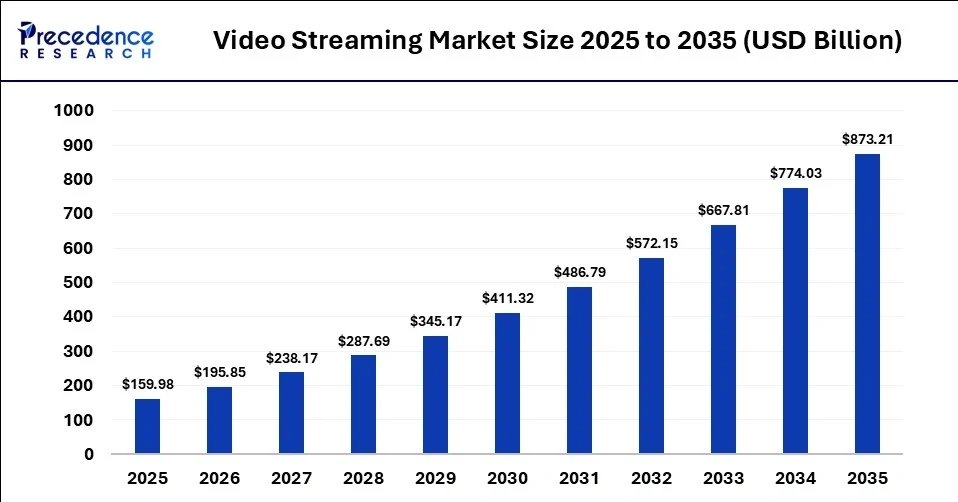
Industry analysts anticipate continued consolidation over the next several years. Companies with diversified revenue streams and disciplined cost management are likely to outperform.
Economic volatility remains a wildcard factor. Advertising budgets and discretionary spending fluctuate with broader macroeconomic conditions.
Netflix competition will continue influencing corporate strategy decisions in New York United States and worldwide.
Long term success depends on adaptability rather than aggressive expansion alone.
A Defining Chapter in Streaming Power Dynamics
The events of 2026 mark a pivotal chapter in Netflix competition. Strategic mergers, technological innovation, regulatory oversight, and creative ambition converge simultaneously.
Streaming dominance is no longer secured by early mover advantage alone. Companies must demonstrate financial resilience, creative excellence, and governance discipline.
As one senior executive remarked,
“This phase of Netflix competition is about endurance and intelligent scaling, not just growth.”
The industry stands at a crossroads where strategic clarity will determine future leadership. The coming years may redefine how global audiences access and consume entertainment.
Netflix competition remains the central force shaping that transformation.