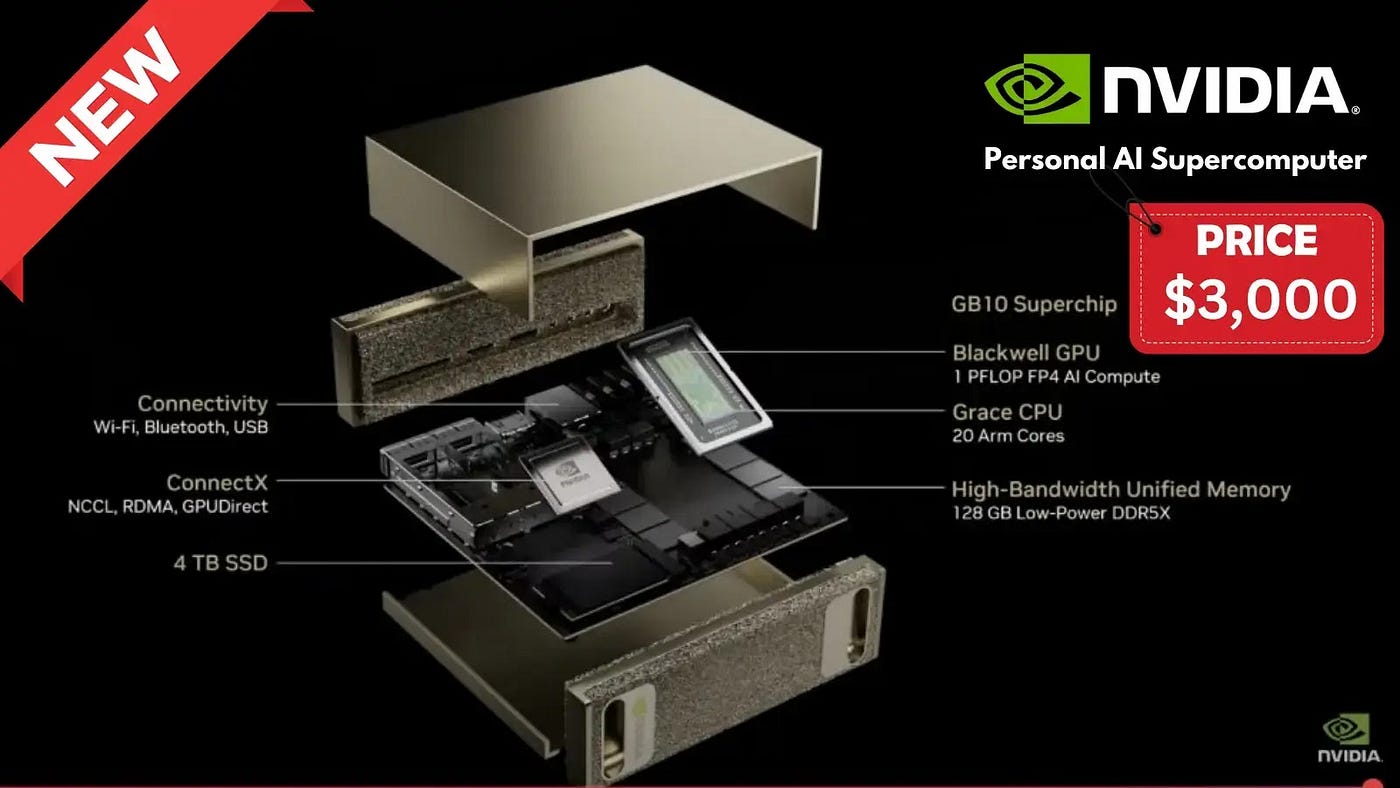
SAN JOSE, United States — March 13, 2026 — Parliament Politics Magazine — The global technology sector is closely watching the latest developments in Nvidia AI chips innovation, unveiled during a major technology gathering in Silicon Valley. The announcement has attracted attention from investors, developers, and technology companies eager to see how Nvidia’s newest processors could shape the future of artificial intelligence computing.
Industry analysts say Nvidia AI chips innovation continues to play a central role in powering AI applications used by research laboratories, data centers, and major technology firms worldwide. As machine learning models grow increasingly complex, the demand for specialized computing hardware has expanded dramatically.
The latest advancements introduced at the event highlight how Nvidia AI chips innovation is becoming a critical foundation for modern digital infrastructure. These processors are designed to handle the massive workloads required by artificial intelligence systems used in industries ranging from healthcare and finance to transportation and scientific research.
Global Demand for Artificial Intelligence Hardware Surges
The rapid expansion of artificial intelligence technologies has created an unprecedented demand for high performance computing systems. This surge in demand has placed Nvidia AI chips innovation at the center of the global technology conversation.
AI models rely on advanced processors capable of performing millions of calculations simultaneously. Traditional computing architectures struggle to keep up with the scale of modern machine learning algorithms.
Because of this, specialized processors developed through Nvidia AI chips innovation have become essential tools for organizations developing artificial intelligence solutions.
Technology companies are investing billions of dollars in infrastructure capable of supporting large scale AI workloads, reinforcing Nvidia’s influence in the industry.
Data Centers Become the Engine of AI Development
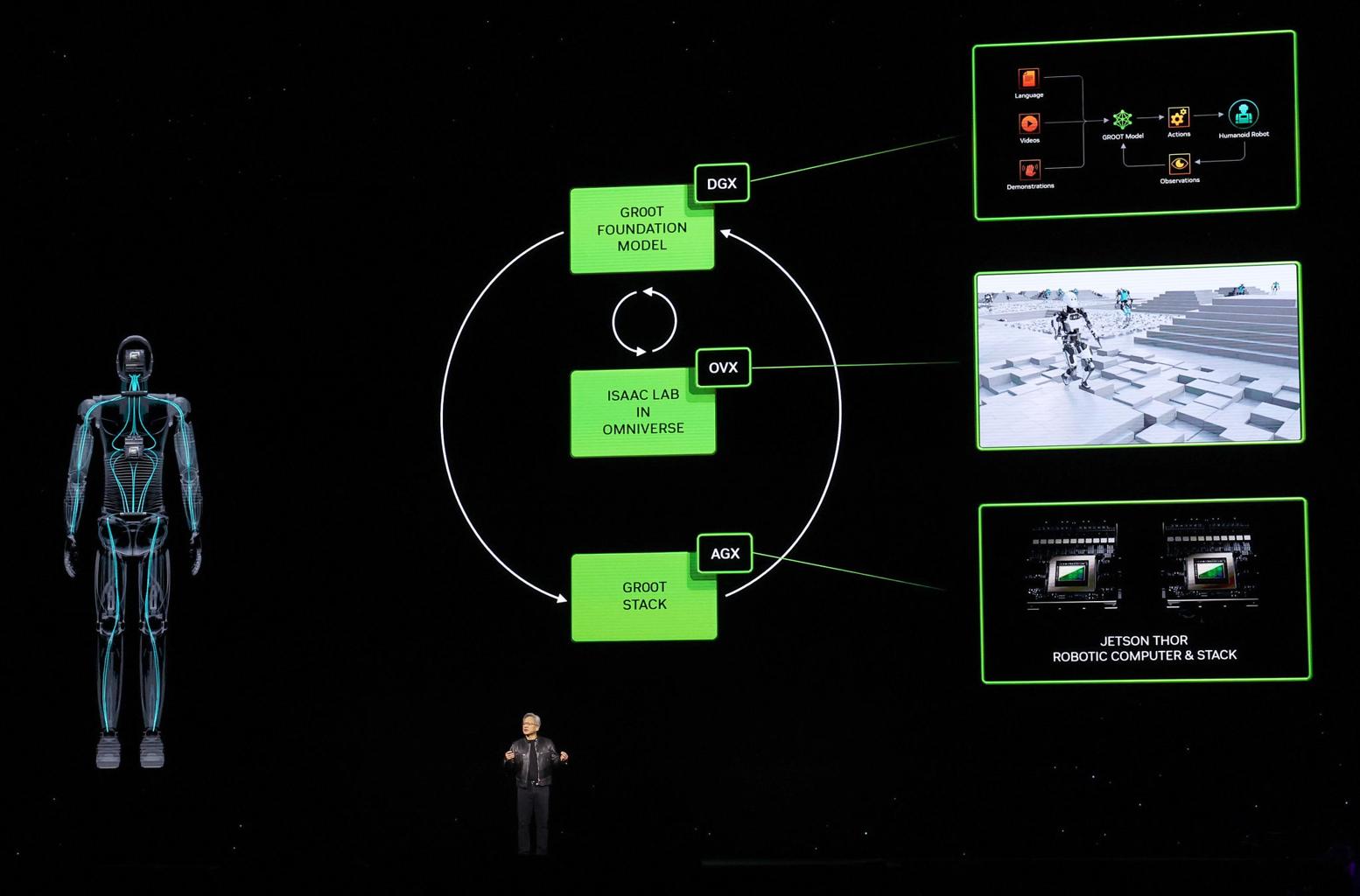
Modern data centers have evolved into powerful hubs for artificial intelligence research and deployment. Cloud computing providers now operate massive facilities filled with specialized processors designed to train and run AI models.
Much of this infrastructure relies on Nvidia AI chips innovation to provide the computing power required for machine learning tasks. Thousands of GPUs working together can process enormous datasets in a fraction of the time older systems required.
The growth of cloud services has accelerated this trend, as companies increasingly rely on remote computing platforms to build and deploy AI applications.
As a result, Nvidia AI chips innovation continues to influence the architecture of next generation data centers around the world.
Technology Industry Competition Intensifies
The race to dominate artificial intelligence computing has intensified as multiple technology companies attempt to develop alternative hardware platforms. However, Nvidia AI chips innovation remains a dominant force in the AI processor market.
Industry analysts note that Nvidia’s success stems from its combination of powerful hardware and a robust software ecosystem that supports AI development.
Developers around the world rely on Nvidia platforms to build machine learning models, making it difficult for competitors to replicate the company’s established ecosystem.
Despite the emergence of rival chip designers, Nvidia AI chips innovation continues to set performance benchmarks within the industry.
Expanding Applications Across Industries
Artificial intelligence is no longer limited to research laboratories. Businesses across multiple industries are integrating machine learning tools into their operations.
Healthcare organizations use AI systems to analyze medical images and identify patterns that assist doctors in diagnosing diseases. Financial institutions rely on algorithms to detect fraud and analyze market trends.
Manufacturing companies deploy predictive maintenance systems powered by AI to monitor industrial equipment.
These examples demonstrate how Nvidia AI chips innovation is enabling technological transformation across sectors that were once considered unrelated to computing.
Governments and Universities Invest in AI Infrastructure
Public institutions are also investing heavily in artificial intelligence research programs. Governments around the world recognize the strategic importance of AI for economic development and national security.
Universities are building advanced research centers equipped with supercomputers powered by Nvidia AI chips innovation.
These systems allow scientists to explore complex problems in fields such as climate science, genetics, and space exploration.
By providing the computing power required for advanced research, Nvidia AI chips innovation contributes to breakthroughs that extend far beyond the technology industry.
HISTORY: The Evolution of AI Processing Technology
The emergence of modern artificial intelligence computing systems reflects decades of technological progress. Early computers were limited in their ability to process complex algorithms or analyze large datasets.
Over time, engineers developed new architectures capable of performing calculations more efficiently. Graphics processing units originally designed for video rendering eventually proved ideal for parallel processing tasks.
This discovery transformed GPUs into essential components of AI computing systems.
The continued advancement of Nvidia AI chips innovation represents the latest stage in this evolution, enabling artificial intelligence models that would have been impossible just a decade ago.
Understanding this historical progression helps explain why today’s AI hardware has become such a critical component of global technological progress.

Expert Perspective on AI’s Future
Technology experts attending the conference emphasized the importance of continued innovation in computing hardware.
One analyst explained the broader significance of recent developments by stating,
“Artificial intelligence is advancing faster than expected, and the processors powering these systems are becoming the backbone of the digital economy.”
Industry observers believe that continued improvements in processing power, energy efficiency, and networking capabilities will determine the future trajectory of AI technology.
Advances in chip design could enable artificial intelligence systems capable of solving increasingly complex problems.
Strategic Importance for the Global Economy
Artificial intelligence is rapidly becoming a major driver of economic growth. Companies that successfully integrate AI technologies often gain advantages in productivity and innovation.
As organizations adopt machine learning solutions, the demand for high performance processors continues to grow.
This trend highlights the broader economic significance of Nvidia AI chips innovation, which supports the infrastructure required for modern AI systems.
Investors are closely monitoring the sector because the expansion of AI technology could reshape global markets over the coming decades.
The Next Chapter of Artificial Intelligence Development
Looking ahead, experts believe the pace of innovation in artificial intelligence will continue accelerating. Future systems may incorporate advanced reasoning capabilities, autonomous decision making, and highly sophisticated data analysis.
To support these capabilities, computing hardware must continue evolving.
The ongoing progress in Nvidia AI chips innovation suggests that new generations of processors will deliver greater efficiency and performance.
These improvements could enable breakthroughs in fields ranging from robotics and autonomous transportation to advanced scientific research.
A Defining Moment for AI Technology
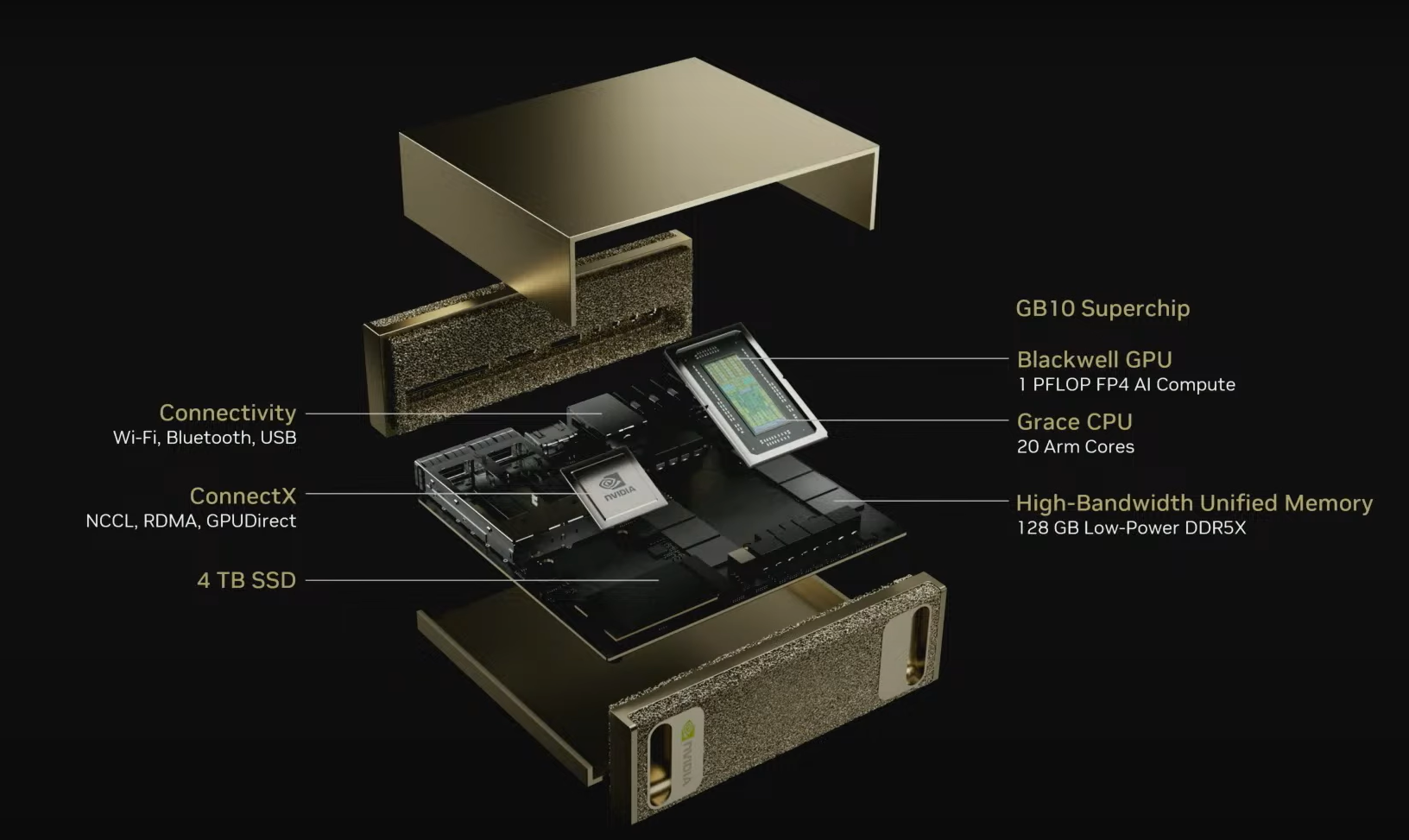
The latest developments surrounding Nvidia AI chips innovation highlight the company’s central role in shaping the future of artificial intelligence. Powerful processors, expanding data center infrastructure, and a growing ecosystem of developers are accelerating the adoption of AI technologies worldwide.
As businesses, governments, and research institutions continue investing in artificial intelligence, demand for advanced computing systems will likely increase further. Nvidia’s latest innovations demonstrate how specialized processors have become the foundation of the AI revolution.
The momentum surrounding artificial intelligence suggests that this technology will continue transforming industries and economies in the years ahead. For now, the advances presented at the global technology conference underscore how AI hardware has become one of the most important drivers of innovation in the modern digital era.