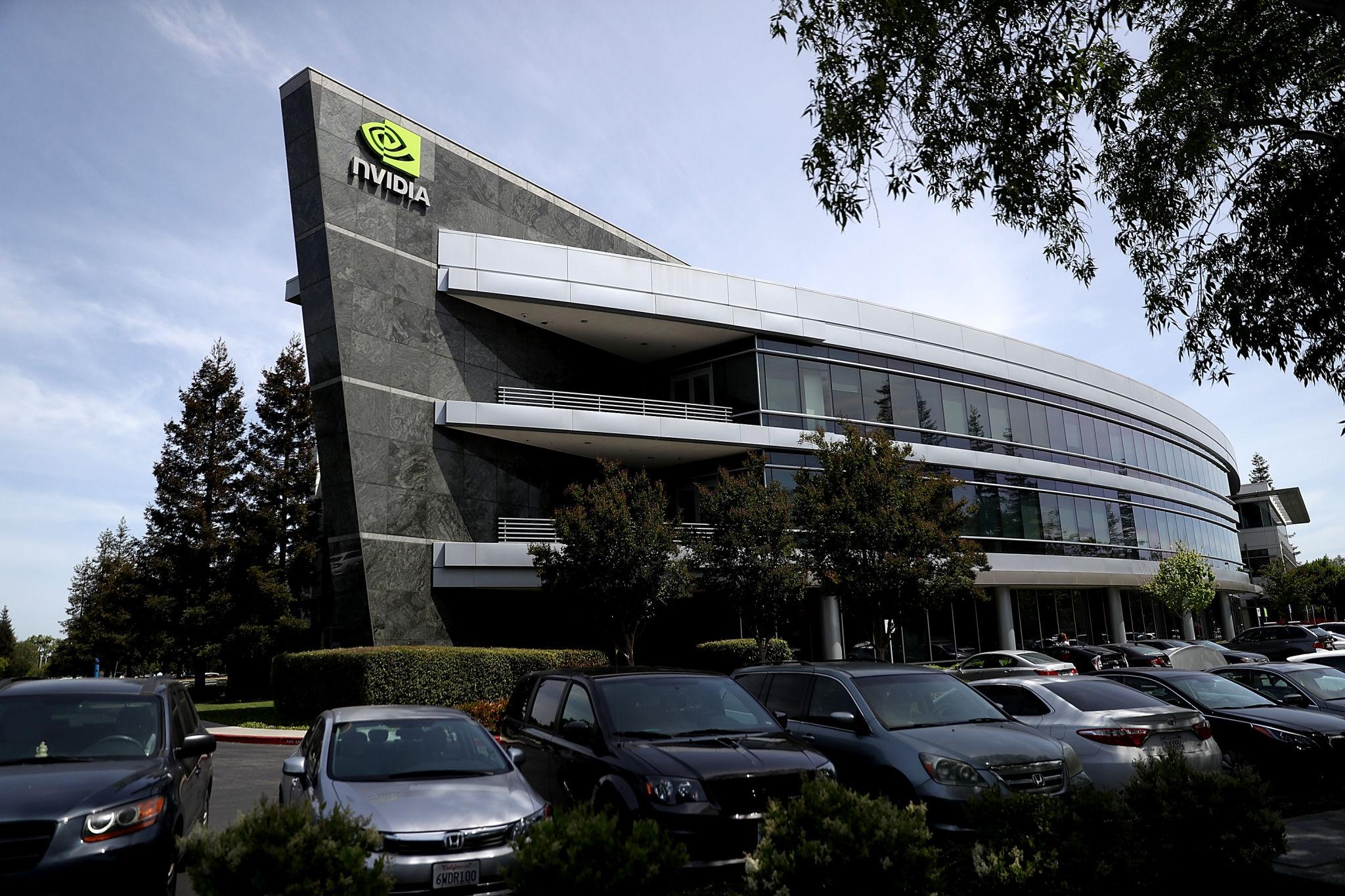
Santa Clara, California – February 20, 2026 — Parliament News — The Nvidia AI strategy 2026 has moved to the center of global technology discussions in 2026 as the semiconductor powerhouse deepens its alignment with leading artificial intelligence innovators. Market participants say the Nvidia AI strategy reflects a decisive long term commitment to infrastructure leadership, advanced computing dominance, and sustained capital investment at a time when artificial intelligence is transforming industries across continents.
Executives close to ongoing negotiations indicate that Nvidia’s potential participation in a significant funding initiative involving OpenAI could redefine competitive positioning in the global AI ecosystem. While formal announcements remain pending, analysts agree that the Nvidia AI strategy underscores a structural shift in how hardware manufacturers integrate with AI model development at scale.
Artificial intelligence now drives enterprise productivity, national defense innovation, medical research breakthroughs, and financial automation systems. Against this backdrop, the Nvidia AI strategy signals a calculated move to remain indispensable to every layer of AI deployment.
Strategic Capital Alignment in a Transformative Era
Artificial intelligence is no longer confined to research laboratories. It powers cloud infrastructure, customer service automation, predictive analytics, robotics, and next generation cybersecurity frameworks. The Nvidia AI strategy 2026 is built around enabling that transformation through high performance computing architecture.
Industry observers note that Nvidia’s GPUs are foundational to training large scale models. Without advanced processors capable of handling trillions of parameters, modern AI systems would not function efficiently. By aligning financially and strategically with leading AI research organizations, the Nvidia AI strategy 2026 strengthens integration between silicon innovation and software intelligence.
Technology investment specialists describe the move as logical. One senior market strategist stated,
“Infrastructure ownership in artificial intelligence determines who shapes the future of digital power.”
This perspective highlights why hardware leadership remains central to long term AI dominance.
Market Response and Investor Sentiment in 2026
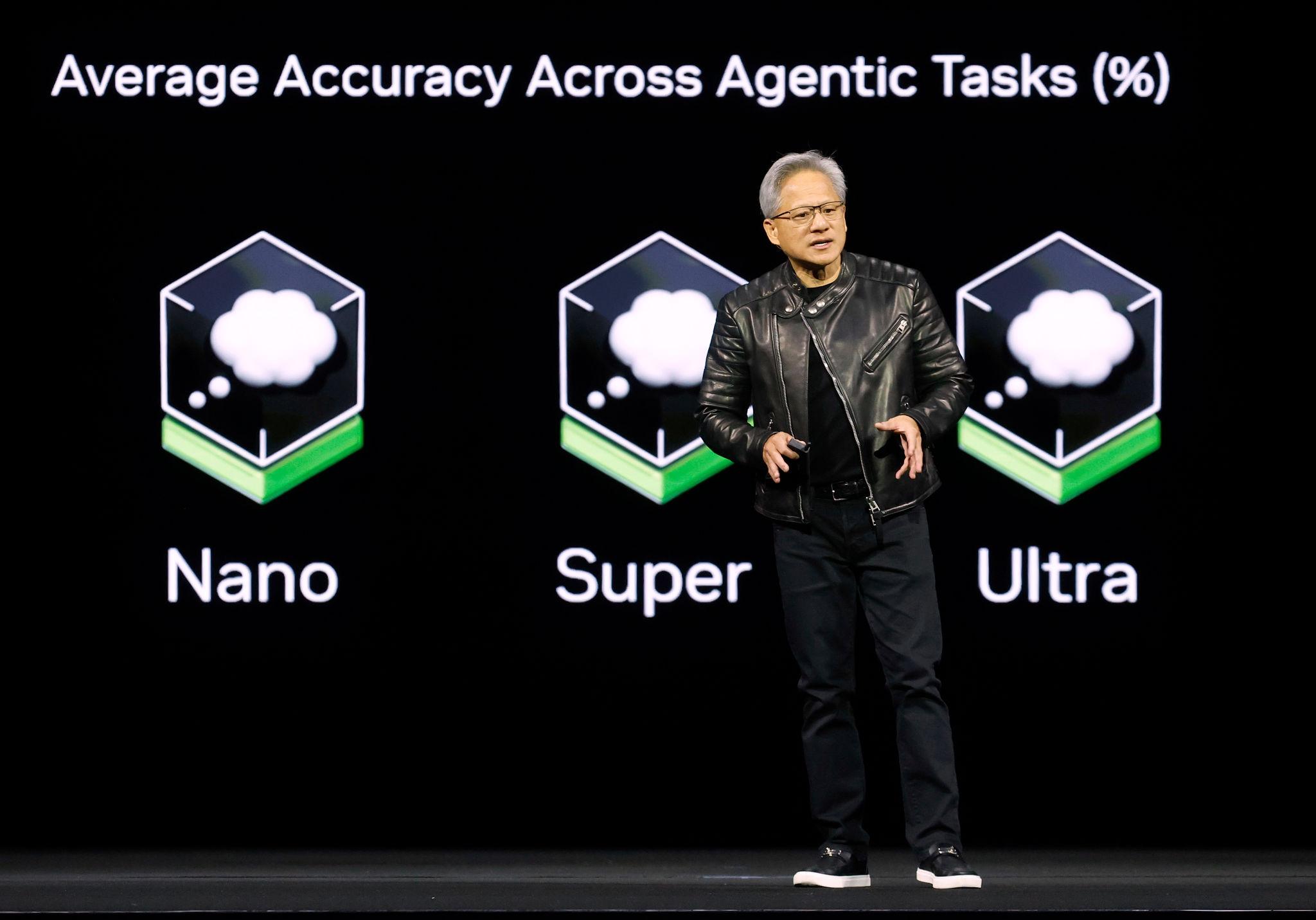
Equity markets in early 2026 have demonstrated sustained enthusiasm for artificial intelligence related companies. Nvidia’s valuation growth over recent years reflects investor confidence in its positioning within accelerated computing markets.
The Nvidia AI strategy 2026 has been widely cited by analysts as a primary driver of this momentum. Institutional investors increasingly view artificial intelligence as a structural megatrend rather than a short term technological cycle. Demand for computational capacity continues to rise as enterprises expand AI integration.
Portfolio managers suggest that deeper capital alignment with leading AI developers reduces uncertainty regarding future chip demand. As organizations deploy more AI services, the need for scalable infrastructure intensifies, reinforcing the long term revenue outlook associated with the Nvidia AI strategy 2026.
Competitive Dynamics Across Global Technology Leaders
Artificial intelligence competition now spans North America, Europe, and Asia. Major cloud providers, semiconductor firms, and AI research institutions are racing to secure computational resources and technical expertise.
The Nvidia AI strategy 2026 positions the company as an essential enabler rather than a direct application competitor. By focusing on hardware performance, Nvidia maintains neutrality while benefiting from broad ecosystem growth.
Industry analysts argue that this positioning offers resilience. Software platforms may fluctuate in popularity, but the demand for high performance processors remains consistent as AI complexity expands. Maintaining infrastructure leadership ensures continued influence regardless of which specific AI application dominates consumer or enterprise markets.
Data Centers and the Infrastructure Backbone
Modern AI systems require immense computational power. Training advanced generative models involves parallel processing across thousands of GPUs operating simultaneously within massive data centers.
The Nvidia AI strategy emphasizes architectural efficiency improvements, ensuring that each new chip generation delivers increased performance with improved energy consumption metrics. Sustainability considerations have become critical as global data center energy demand rises.
Data center operators confirm that performance per watt now influences purchasing decisions more than raw processing capability alone. By advancing efficiency, Nvidia enhances competitiveness in a sector where operating cost management is paramount.
Regulatory Environment and Policy Considerations
Governments worldwide are introducing regulatory frameworks to oversee artificial intelligence deployment, data privacy protection, and competitive fairness. Policymakers seek to balance innovation with safeguards against misuse.
The Nvidia AI strategy 2026 must operate within this evolving environment. Strategic investments that deepen ecosystem integration may attract scrutiny from competition authorities concerned about market concentration.
At the same time, policymakers recognize the importance of maintaining technological leadership in advanced semiconductor manufacturing. National competitiveness increasingly depends on AI infrastructure capacity, making collaboration between hardware producers and AI developers strategically significant.
Global Economic Implications Beyond Silicon Valley
The ripple effects of artificial intelligence extend far beyond technology corridors. AI enhances logistics optimization, accelerates pharmaceutical research, improves agricultural forecasting, and streamlines manufacturing processes.
Economic analysts observe that infrastructure investment often triggers multiplier effects across supply chains. Semiconductor fabrication facilities require specialized equipment suppliers, engineering talent, and construction services, contributing to broader economic growth.
By strengthening its AI infrastructure footprint, Nvidia indirectly influences employment markets, research ecosystems, and capital allocation trends across multiple industries.

Financial Performance and Revenue Diversification
Recent financial disclosures demonstrate how Nvidia’s business model has shifted toward data center revenue dominance. Enterprise AI deployments now account for a significant portion of overall earnings.
The Nvidia AI strategy 2026 leverages diversified revenue streams that include hyperscale cloud providers, government agencies, and research institutions. This diversification reduces exposure to any single market segment, enhancing resilience during economic fluctuations.
Investment analysts indicate that predictable demand for AI processors strengthens cash flow stability. As long as artificial intelligence remains central to enterprise modernization, infrastructure providers benefit from sustained procurement cycles.
Historical Evolution of Artificial Intelligence Infrastructure
The modern artificial intelligence landscape evolved from decades of computational research. Early neural networks were constrained by limited processing capability, restricting practical application.
The emergence of parallel processing GPUs dramatically expanded training capacity, enabling complex models to process vast datasets efficiently. The Nvidia AI strategy 2026 builds upon this historical foundation by continuously refining chip architecture to meet escalating model requirements.
From academic experimentation to commercial deployment, artificial intelligence infrastructure has matured into a critical component of the global digital economy. Nvidia’s strategic decisions reflect awareness of this historical progression and the necessity of remaining technologically ahead.
Leadership Vision and Corporate Direction
Corporate leadership consistently frames artificial intelligence as a defining opportunity of the century. Nvidia executives emphasize accelerated computing as the cornerstone of digital transformation.
One technology economist commented,
“Control of advanced computing resources shapes geopolitical and economic influence in the twenty first century.”
Such perspectives reinforce why infrastructure leadership commands investor attention.
The Nvidia AI strategy 2026 integrates research partnerships, capital allocation, and engineering advancement under a unified long term vision. Rather than reacting to market trends, the company seeks to shape them proactively.
Technological Innovation Driving Future Growth
Ongoing research focuses on enhancing chip interconnect speeds, memory bandwidth optimization, and software integration layers. These improvements directly impact AI training efficiency and deployment scalability.
The Nvidia AI strategy encourages close collaboration between hardware engineers and AI scientists to optimize performance. Joint development accelerates feedback loops, allowing processor designs to evolve alongside model architecture.
Industry specialists expect further breakthroughs in distributed computing frameworks, enabling even larger and more sophisticated AI systems.
Workforce and Talent Development Impact
As artificial intelligence expands, demand for specialized talent intensifies. Engineers skilled in chip design, machine learning optimization, and data center architecture remain highly sought after.
Universities and research institutions increasingly align curricula with industry needs. The Nvidia AI strategy 2026 indirectly influences educational priorities by shaping demand for technical expertise.
Workforce development initiatives also play a role in maintaining competitiveness. Companies investing heavily in AI infrastructure contribute to training pipelines that sustain innovation momentum.
Sustainability and Energy Considerations
Energy consumption associated with large scale AI systems has drawn global attention. Policymakers and environmental groups highlight the importance of efficient hardware solutions.
By prioritizing performance per watt improvements, the Nvidia AI strategy 2026 addresses sustainability concerns. Advanced chip designs reduce operational costs and carbon footprints, supporting broader environmental objectives.
Data center operators confirm that energy efficiency has become a decisive factor in procurement decisions, reinforcing the importance of continuous architectural innovation.
Future Outlook in an Intensifying AI Era
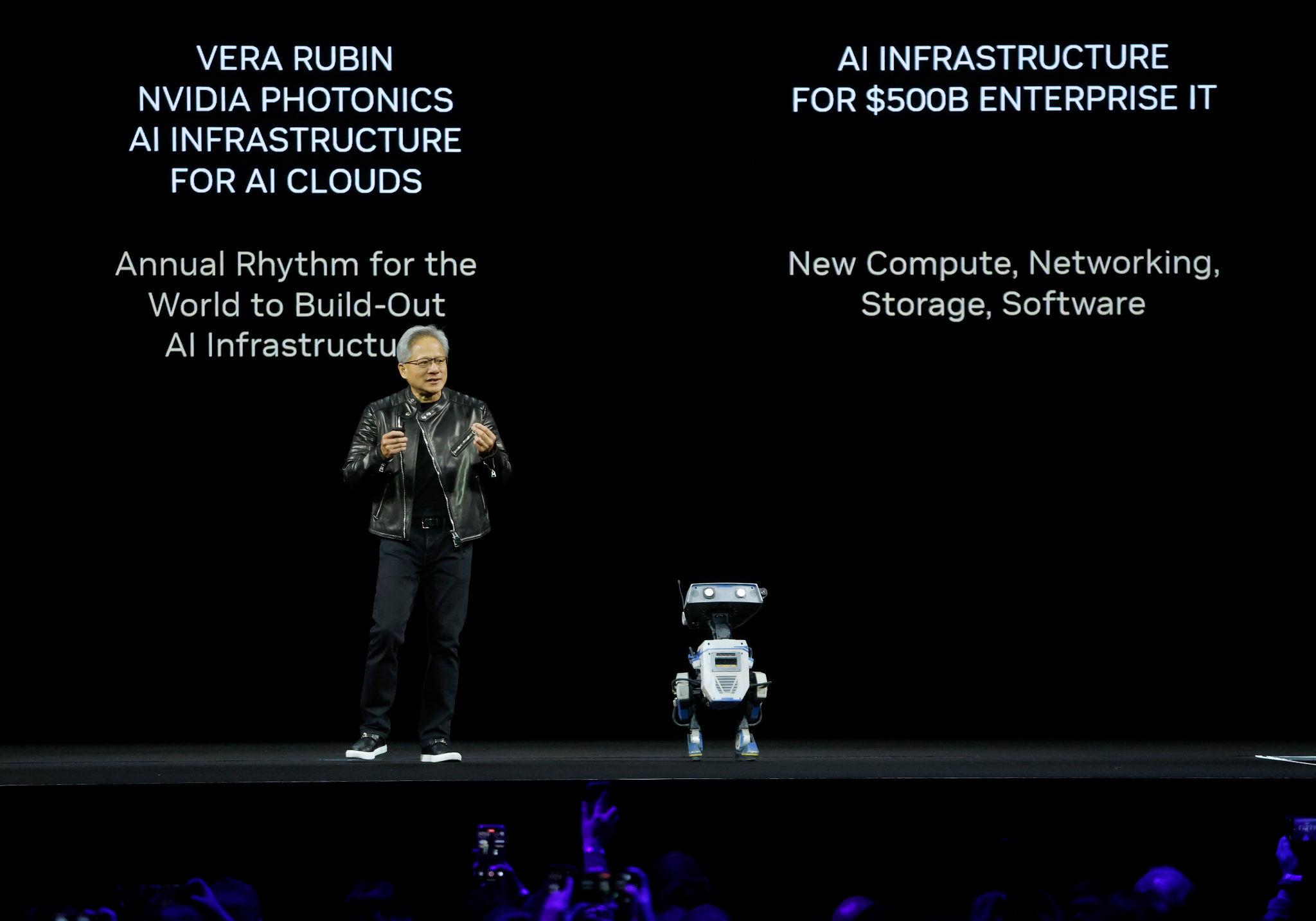
Looking ahead, analysts expect artificial intelligence investment to accelerate further. Enterprises are embedding AI tools across operations, from customer analytics to predictive maintenance.
The Nvidia AI strategy 2026 positions the company to capture value from this sustained expansion. By maintaining infrastructure leadership, fostering strategic partnerships, and prioritizing technological innovation, Nvidia strengthens its role in shaping the next generation of intelligent systems.
While uncertainties remain regarding regulatory frameworks and competitive responses, the overarching trajectory of artificial intelligence suggests continued growth. Market participants will closely monitor how strategic capital alignments unfold throughout 2026.
In the broader context of technological evolution, infrastructure control increasingly defines economic influence. The Nvidia AI strategy 2026 reflects recognition of this reality and signals determination to remain central to the architecture of global artificial intelligence advancement.