


London, February 11, 2026 — Parliament News — PM says aide linked to sex offender did not provide a full account of his past conduct before being nominated for a peerage, triggering intense political scrutiny and renewed debate over Britain’s honours system. The statement, delivered during a press briefing at Downing Street, has drawn reaction across Parliament and prompted calls for greater transparency in public appointments.
The Prime Minister confirmed that key information had not been disclosed during the vetting process. As PM says aide linked to sex offender controversy unfolds, lawmakers, ethics experts and members of the public are examining whether institutional safeguards are robust enough to maintain trust in government decisions.
Prime Minister Confirms Incomplete Disclosure
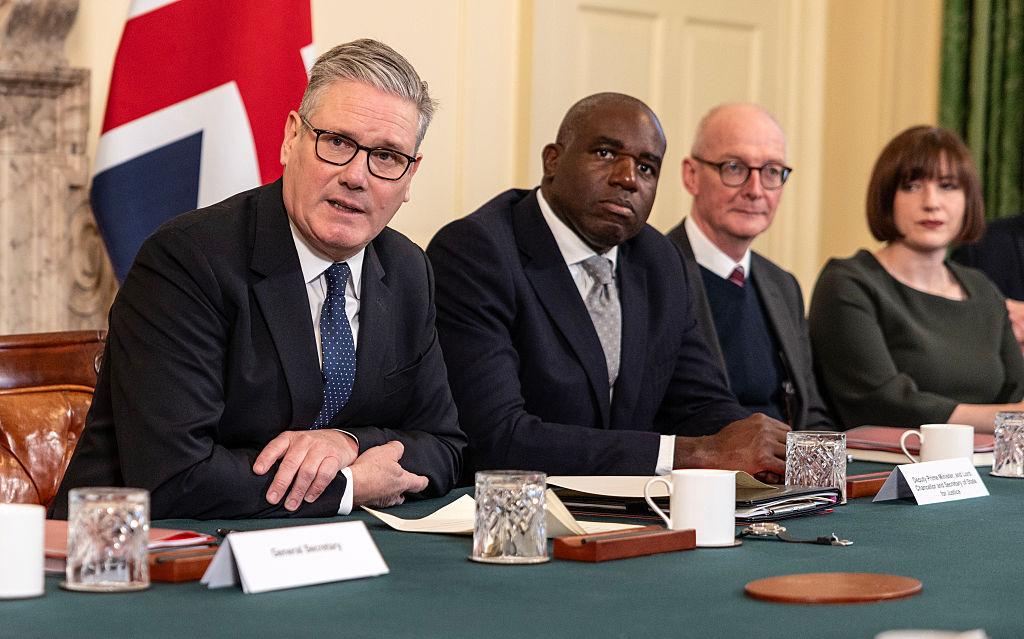
During a scheduled appearance before journalists, the Prime Minister acknowledged that the aide in question failed to provide a complete personal history prior to elevation to the House of Lords. Officials clarified that standard checks were conducted, but certain details were not made available at the time of review.
When PM says aide linked to sex offender omitted relevant information, it shifts the political conversation from individual conduct to systemic oversight. The Prime Minister stressed that he was unaware of the undisclosed details during the nomination process and emphasised the seriousness of the matter.
Opposition leaders responded swiftly, arguing that the episode highlights potential vulnerabilities within the peerage appointment framework.
Westminster Reacts to the Controversy
Inside Westminster, debate intensified as members of both Houses demanded clarification. Several MPs raised concerns about the adequacy of background checks, while others focused on the transparency of advisory committees responsible for reviewing nominations.
The phrase PM says aide linked to sex offender became central to parliamentary exchanges, underscoring the gravity of the issue. Lawmakers questioned whether the reliance on self disclosure creates inherent weaknesses in safeguarding public office appointments.
Political analysts suggest that the controversy may prompt cross party discussion on strengthening procedural safeguards.
Public Trust and Institutional Accountability
Public confidence in democratic institutions depends heavily on perceived integrity. Governance specialists argue that even isolated cases can erode trust if transparency mechanisms appear insufficient.
As PM says aide linked to sex offender narrative continues to dominate headlines, civic organisations are calling for reforms to enhance accountability. Advocacy groups emphasise that safeguarding the honours system protects not only Parliament’s reputation but also public faith in governance.
The Prime Minister reiterated that maintaining confidence remains a central priority and pledged cooperation with parliamentary reviews.
Advisory Committees Under the Spotlight
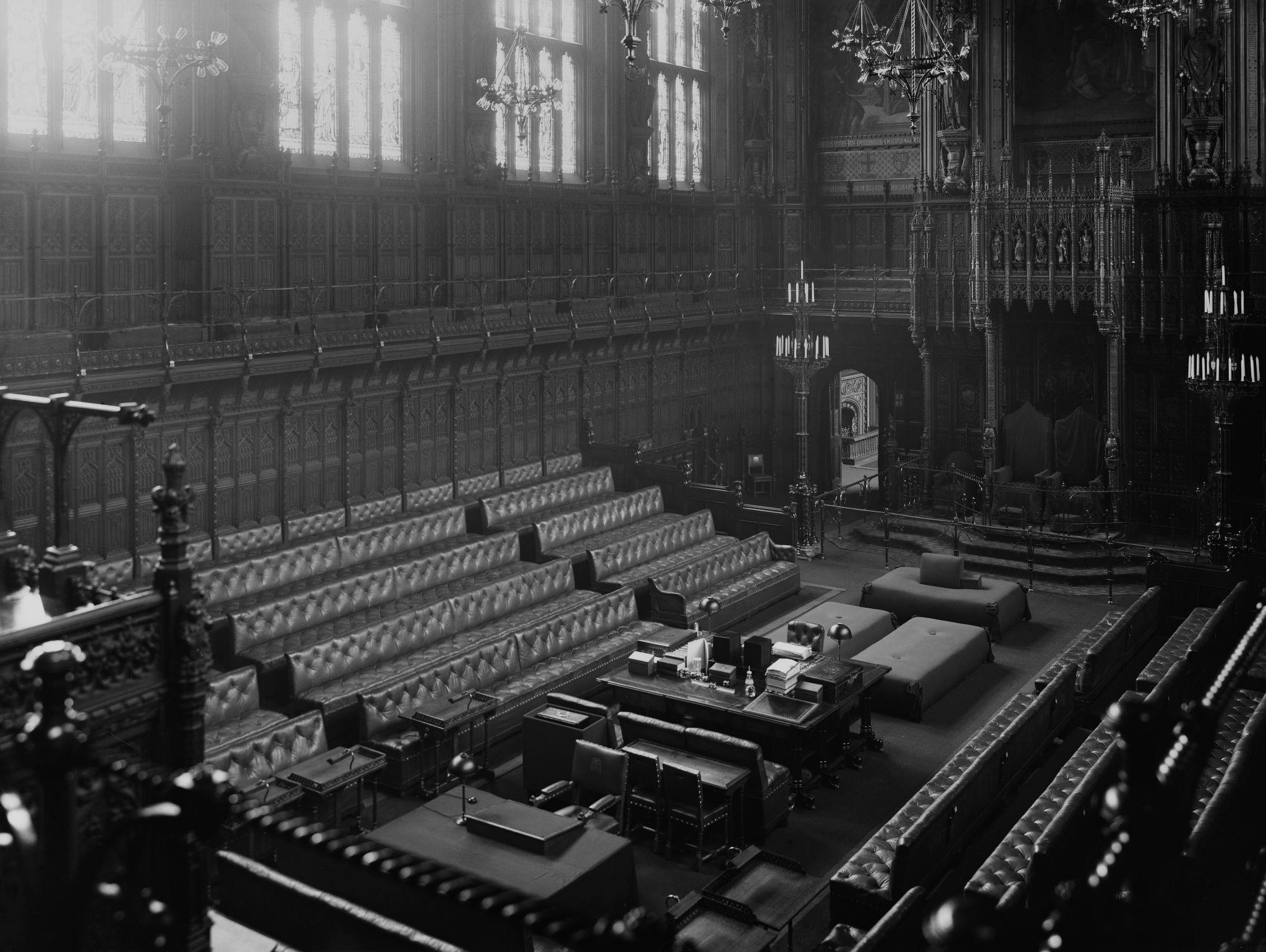
The House of Lords Appointments Commission plays a critical role in assessing peerage nominations. Its mandate includes reviewing suitability and ensuring compliance with ethical standards.
Critics argue that advisory bodies must have access to comprehensive information to function effectively. When PM says aide linked to sex offender failed to provide a full account, it highlights the potential limitations of current processes.
Policy experts suggest that expanding independent verification procedures could strengthen confidence in future nominations.
Media Coverage and National Debate
The controversy has generated widespread coverage across British media outlets. Editorials reflect diverse perspectives, ranging from calls for immediate reform to caution against politicising the issue prematurely.
The recurring headline PM says aide linked to sex offender underscores the impact of the Prime Minister’s admission. Commentators note that transparency in acknowledging shortcomings may mitigate long term reputational damage.
Nevertheless, analysts warn that sustained scrutiny is likely until comprehensive reviews are concluded.
Legal Framework Surrounding Peerages
Peerage nominations operate within a framework designed to balance executive discretion and advisory oversight. While most appointments proceed without controversy, legal scholars acknowledge that the system relies heavily on accurate disclosure.
When PM says aide linked to sex offender did not reveal full details, it raises questions about whether statutory reforms are necessary. Some experts advocate for codified disclosure requirements to supplement existing advisory guidelines.
Parliamentary committees are expected to examine whether legislative adjustments could enhance accountability.
Ethical Considerations in Public Appointments
Ethical governance requires rigorous adherence to standards of honesty and transparency. Political ethicists argue that incomplete disclosure undermines institutional credibility regardless of intent.
As PM says aide linked to sex offender issue continues to unfold, ethics specialists emphasise that lessons must extend beyond a single case. They recommend strengthening culture and procedure simultaneously to ensure long term resilience.
Public officials, they argue, must meet the highest thresholds of accountability.
Historical Context of Honours System Scrutiny
Britain’s honours system has faced examination at various points in modern history. Past controversies have led to incremental reforms designed to enhance transparency and advisory independence.
Understanding this historical context provides insight into why PM says aide linked to sex offender revelation resonates so strongly in 2026. Episodes of scrutiny often serve as catalysts for institutional refinement.
Observers note that adaptability has historically allowed the honours system to evolve in response to public expectations.
Political Implications for the Government
The timing of the controversy carries political significance. With broader debates on governance and integrity already prominent, opposition parties are leveraging the episode to press for reform.
When PM says aide linked to sex offender lacked full disclosure, it places the government under pressure to demonstrate responsiveness. Analysts suggest that swift procedural review may limit political fallout.
Maintaining focus on transparency could influence public perception in the months ahead.
Calls for Reform and Structural Review
Proposals emerging from parliamentary debate include enhanced background investigations, clearer documentation requirements and expanded oversight authority for advisory committees.
As PM says aide linked to sex offender situation develops, policymakers must weigh tradition against modern expectations of accountability. Reform advocates argue that proactive adjustments strengthen rather than weaken institutional legitimacy.
Government representatives have signalled openness to evaluating current procedures.
Balancing Tradition and Modern Governance
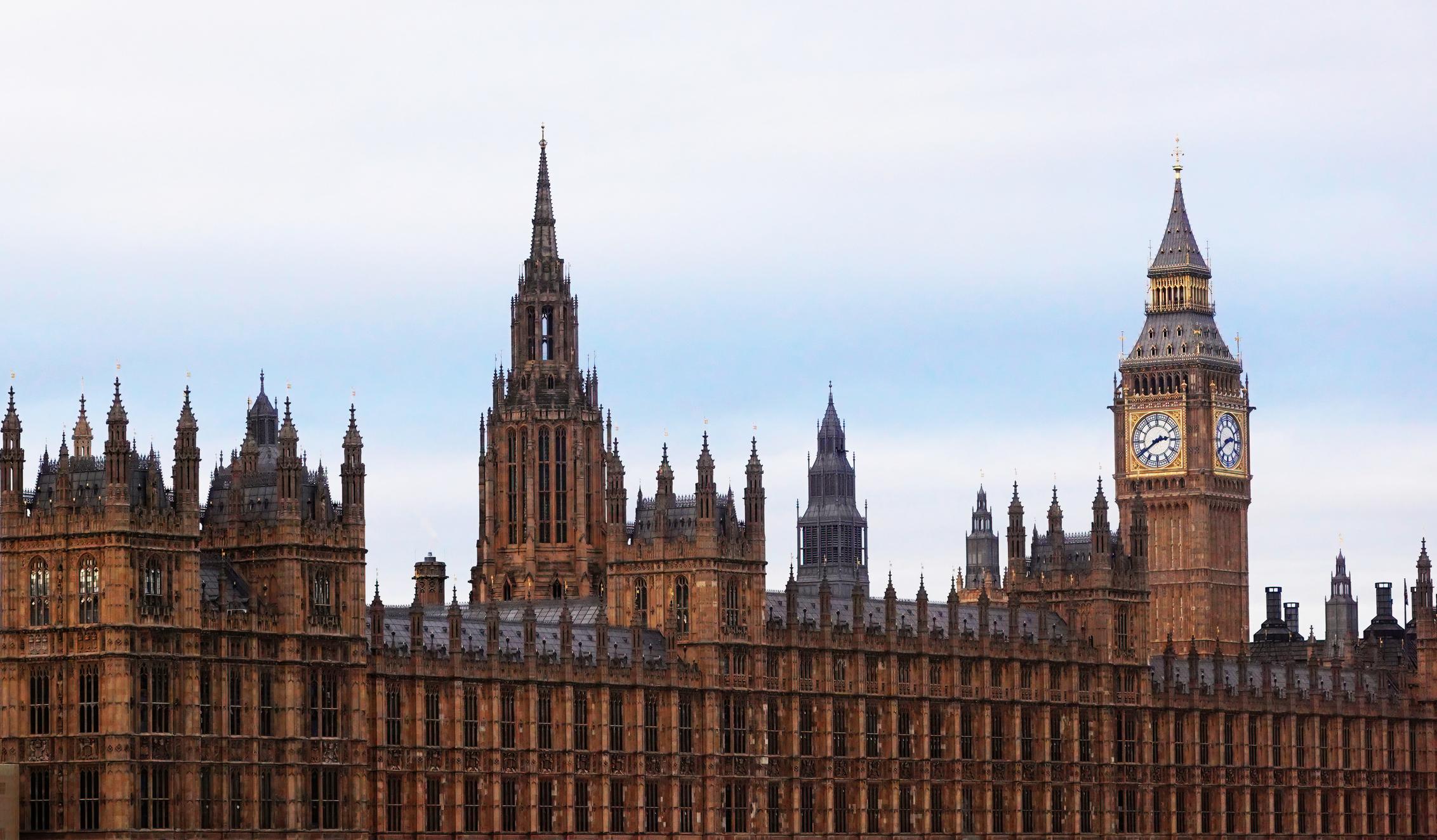
The House of Lords remains a cornerstone of Britain’s constitutional framework. Preserving its integrity requires balancing historical tradition with contemporary transparency standards.
When PM says aide linked to sex offender disclosure gap became apparent, it underscored the tension between established practices and evolving public scrutiny.
Political scholars suggest that reforms should respect institutional heritage while reinforcing accountability mechanisms.
A Critical Test for Democratic Transparency
As March 2026 progresses, the events surrounding this case represent a defining test of democratic governance. PM says aide linked to sex offender revelation has prompted examination not only of one appointment but of systemic oversight within public institutions.
Ensuring that future nominations undergo comprehensive verification will be central to restoring confidence. The Prime Minister’s acknowledgment of incomplete disclosure marks a pivotal moment in the broader conversation about transparency and responsibility.
Parliamentary committees are expected to continue reviewing the matter in the coming weeks. Their findings may shape policy adjustments that strengthen the credibility of the honours system for years to come.
For now, the focus remains on maintaining trust in institutions that form the foundation of Britain’s democratic framework.