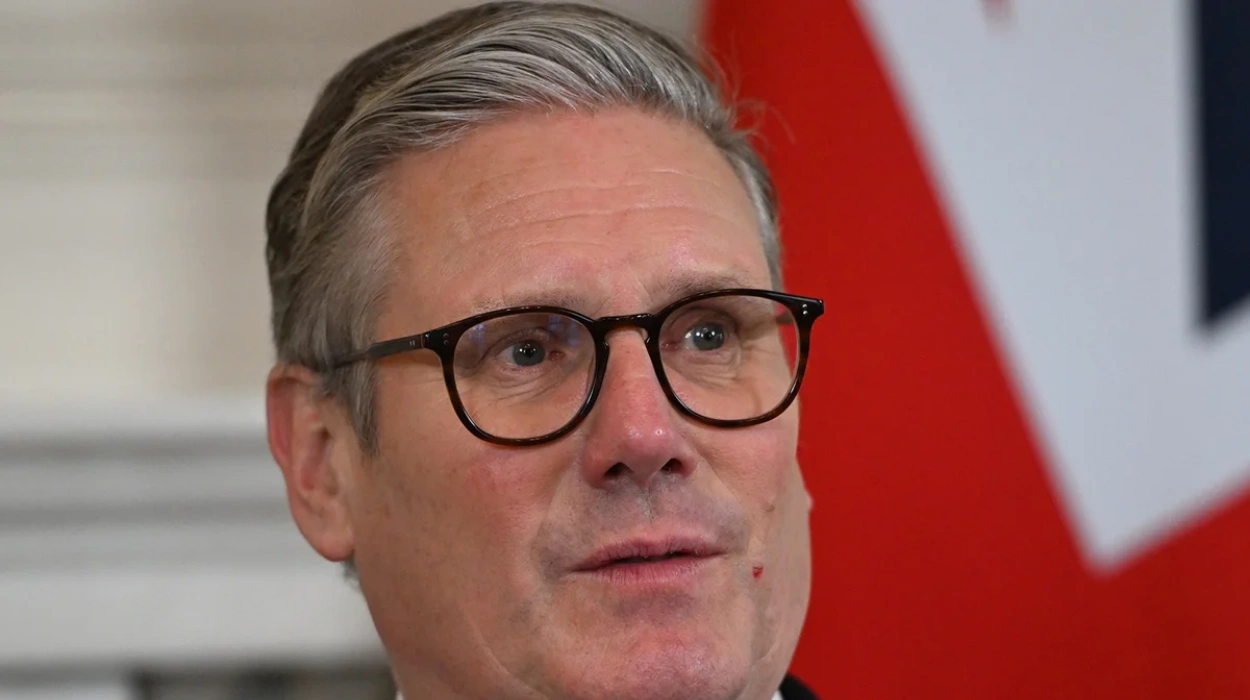
London (Parliament Politics Magazine) January 19, 2026 – UK Prime Minister Keir Starmer ruled out imposing retaliatory tariffs on the United States in response to Donald Trump’s threats over Greenland, prioritising calm ally discussions. At an emergency Downing Street press conference, Starmer called tariff use against Nato partners completely wrong while affirming Greenland’s future rests with its people and Denmark. He emphasised preserving strong UK-US defence ties amid the escalating transatlantic dispute.
Prime Minister Keir Starmer convened an emergency press conference in Downing Street to address US President Donald Trump’s tariff threats targeting the UK and seven other European nations over Greenland. Trump announced 10 per cent tariffs on imports effective 1 February 2026, rising to 25 per cent on 1 June, linked to Nato allies’ troop deployments in the Danish territory.
As reported by Pippa Crerar and Peter Walker of The Guardian, Starmer stated US tariffs would harm the British economy and were
“in no one’s interests”.
He explicitly rejected retaliation, deeming it the
“wrong thing to do”.
Starmer’s Firm Rejection of Tariff Escalation
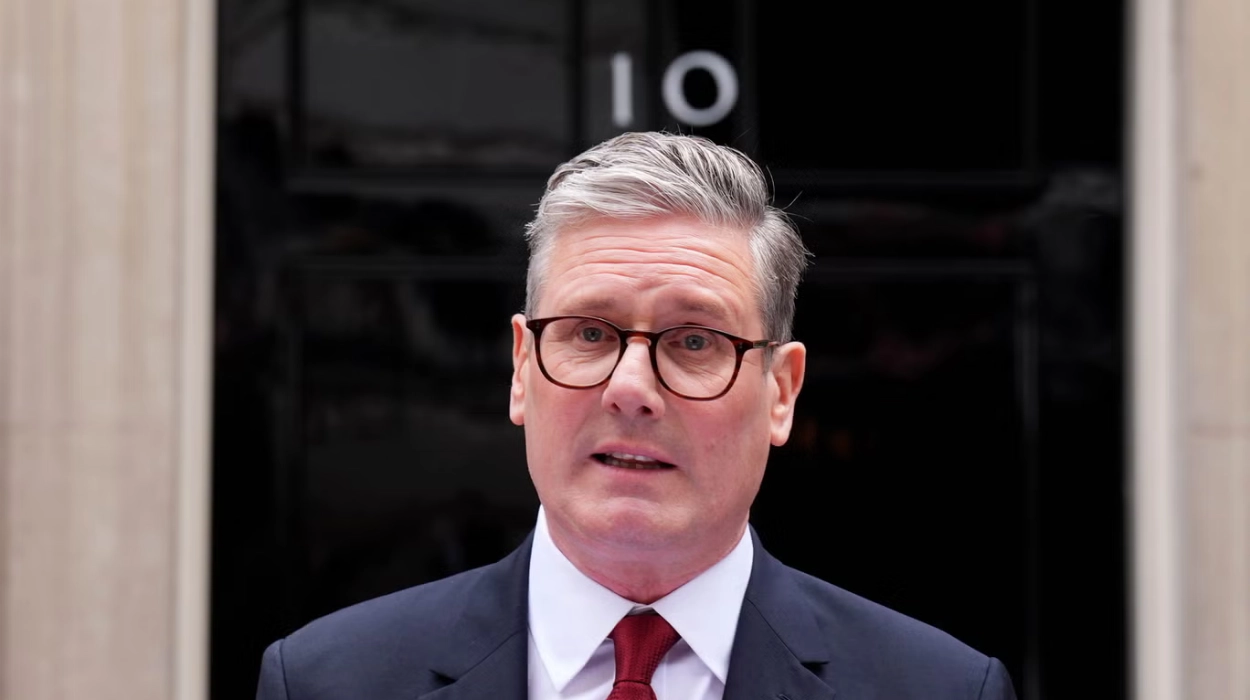
Starmer positioned dialogue as the path forward.
“I think that this can be resolved, and should be resolved, through calm discussion,”
Pippa Crerar and Peter Walker of The Guardian quoted him. He underscored that Greenland’s status decision
“belongs to the people of Greenland and the kingdom of Denmark alone. That right is fundamental”.
The prime minister reaffirmed commitment to UK-US relations.
“I am determined to keep the UK-US relationship strong, constructive and focused on results,”
the journalists reported. Defence, security, intelligence, and nuclear cooperation remained national priorities despite the rift.
Starmer directly rebuked the tariff strategy.
“Threatening tariffs on allies is the wrong thing to do, completely wrong,”
Pippa Crerar and Peter Walker of The Guardian noted.
“A trade war is not in our interests, and therefore my first task is to ensure we don’t get to that place, which is what I’m focused on at the moment”.
Political journalist Alex Wickham captured Starmer’s tariff stance live. Alex Wickham @alexwickham said in X post, “Keir Starmer makes clear he has no intention of levying retaliatory tariffs against the US ‘A tariff war is in nobody’s interests’ ‘What I want to do is avoid a tariff war’ Says he’ll speak to Trump again in coming days.”
Keir Starmer makes clear he has no intention of levying retaliatory tariffs against the US
“A tariff war is in nobody’s interests”
“What I want to do is avoid a tariff war”
Says he’ll speak to Trump again in coming days
— Alex Wickham (@alexwickham) January 19, 2026
He outlined a measured response.
“We must find a pragmatic, sensible, sustained way through this, that avoids some of the consequences that will be very serious for our country,”
per the Guardian report.
Downing Street Conference Highlights Diplomatic Balance
Throughout the conference, Starmer navigated disagreement without severing ties.
“Alliances endure because they’re built on respect and partnership, not pressure, that is why I said the use of tariffs against allies is completely wrong,”
Pippa Crerar and Peter Walker of The Guardian quoted.
“Strong, respectful alliances require the maturity to say where we disagree, and on this we disagree, and I’ve been clear about that, and I’ve spoken to the president about it will continue to do so”.
Starmer downplayed military risks in Greenland. He expressed no belief that Trump genuinely contemplated action there, favouring principled discussions instead.
Millie Cooke, Tara Cobham, Athena Stavrou, and David Maddox of The Independent detailed further remarks:
“Any decision about the future status of Greenland belongs to the people of Greenland and the Kingdom of Denmark alone. That right is fundamental”.
Starmer framed the crisis as a
“moment for the whole country to pull together”.
Sky News political editor Sam Coates highlighted the UK’s divergence from EU strategy. Sam Coates Sky @SamCoatesSky said in X post,
“Britain splits from EU over Trump response to Greenland in Keir Starmer press conference ** Keir Starmer takes any form of tariff retaliation off the table – unilateral disarmament? ** Britain will only respond privately, it seems, not with public action. ** EU pressing ahead with Euro90 billion retaliation package as last resort.”
Britain splits from EU over Trump response to Greenland in Keir Starmer press conference
** Keir Starmer takes any form of tariff retaliation off the table – unilateral disarmament?
** Britain will only respond privately, it seems, not with public action.
** EU pressing ahead…— Sam Coates Sky (@SamCoatesSky) January 19, 2026
European Coordination and Contrasting Responses
Starmer reported discussions with EU leaders, including Commission President Ursula von der Leyen.
“There is proper unity and coordination in the European response,”
Pippa Crerar and Peter Walker of The Guardian quoted him. The EU weighed €93 billion ($107.71 billion) in retaliatory tariffs on US goods, contrasting UK’s restraint.
European leaders criticised Trump’s moves uniformly. French President Emmanuel Macron and others advocated firmer economic pushback, while Starmer pursued bridge-building between Washington and Brussels.
Starmer thanked Opposition Leader Kemi Badenoch for cross-party support on Greenland and tariffs.
“I warmly welcome the support we’ve had with regards to Greenland and the proposed tariffs from the Leader of the Opposition (Kemi Badenoch),”
Millie Cooke et al. of The Independent reported.
Trump’s Greenland Tariff Threats in Detail
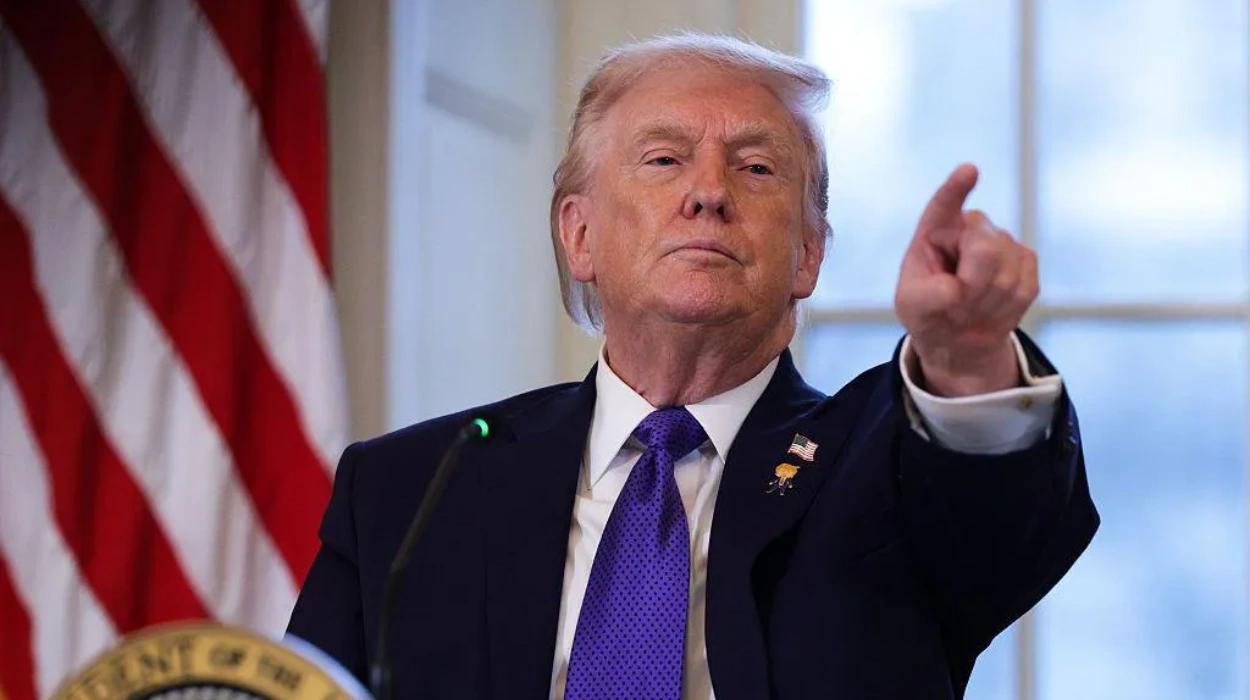
Trump’s ultimatum followed heightened US interest in Greenland for Arctic security amid Russian threats. He targeted the UK, Denmark, Norway, Sweden, France, Germany, the Netherlands, and Finland for supporting Danish sovereignty via troops.
Starmer confirmed recent Trump contact.
“I spoke to President Trump yesterday, as I think you all know, and I’ll no doubt speak to him again in coming days,”
Millie Cooke et al. of The Independent quoted.
“Our offices talk all the time, but we must find a pragmatic, sensible, sustained way through this”.
Partnerships permitted candid disagreement.
“A partnership does not mean abandoning principle. That is why it’s important to be clear about who we stand with, what we stand for, and where our interests lie,”
the report stated. The US stayed a “close ally” on critical fronts.
Athena Stavrou of The Independent quoted Starmer:
“I don’t actually [believe Trump is genuinely considering military force]”.
Solutions required “calm discussion” upholding Greenlanders’ and Danes’ rights.
Broader Diplomatic and Domestic Context
Starmer avoided comment on King Charles’s planned July 2026 US visit for America’s 250th Independence anniversary. Reports noted Prince William’s regular Trump communications as a backchannel.
David Maddox of The Independent covered Starmer dismissing performative outrage.
“At moments like this, there will always be people who reach for the performative, who think an angry social media post or grandstanding is a substitute for hard work. That’s an understandable instinct, but it’s not effective. It never has been,”
he said.
Tara Cobham of The Independent reported Starmer defending his measured tone against accusations of softness. National interests guided the response, not public emotion.
The conference followed Sunday calls with Danish Prime Minister Mette Frederiksen, von der Leyen, and Nato Secretary-General Mark Rutte. Starmer stressed Arctic security as a shared Nato priority without endorsing US acquisition.
Liberal Democrat leader Sir Ed Davey criticised Trump for punishing Nato compliance. Reform UK’s Nigel Farage, despite past Trump alignment, opposed the tariffs’ economic harm.
UK-US ‘Special Relationship’ Under Strain
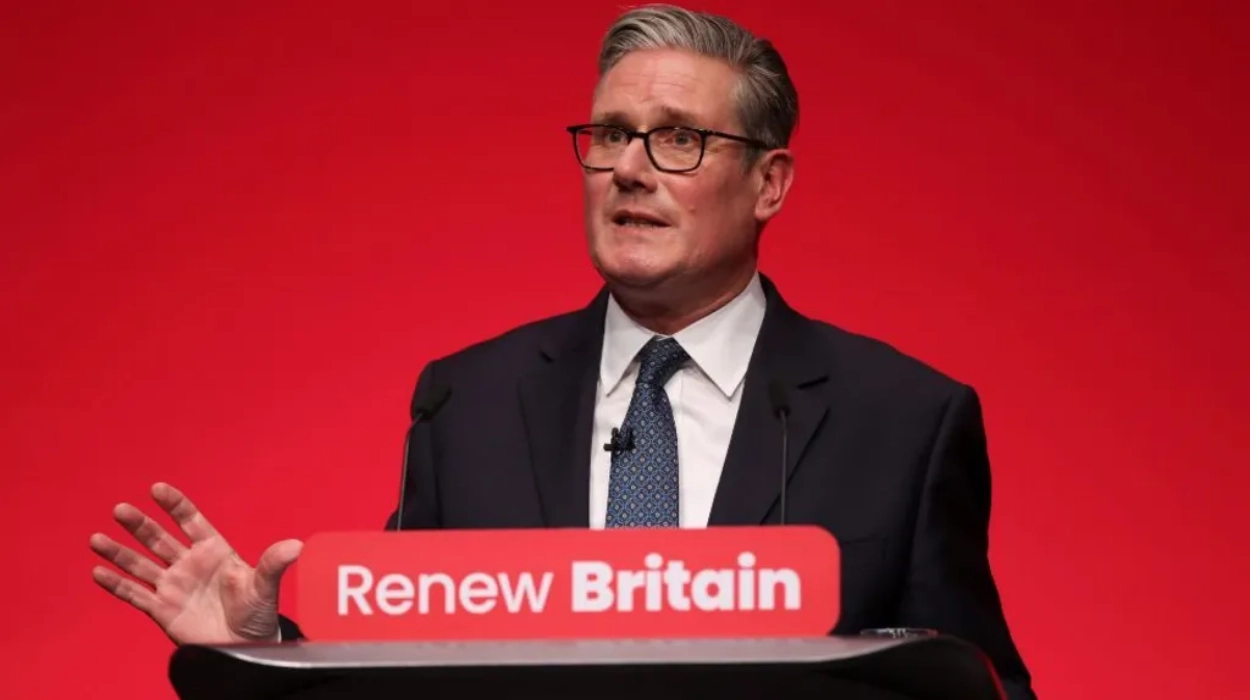
Starmer’s approach tested post-Brexit UK’s transatlantic role. Recent UK negotiations reversed some prior US tariffs, positioning London as Europe-US mediator on Ukraine and other files.
Trump’s tariff history included threats against India, Pakistan, and Iran, favouring economic leverage over traditional diplomacy. Starmer acknowledged differences without passivity.
“Being pragmatic does not mean being passive and partnership does not mean abandoning principles,”
reports aligned.
The UK committed to enhanced Arctic Nato efforts, mirroring European Ukraine burden-sharing. Public critique remained rare, underscoring the relationship’s stakes.
No immediate economic data quantified tariff impacts, but Starmer prioritised avoidance. Organised labour and business groups monitored developments closely.
Ongoing Developments and Next Steps
Starmer pledged continued White House engagement. Daily office contacts persisted alongside leader-level talks.
European summits loomed to harmonise responses, with EU retaliation as contingency. Danish officials reaffirmed Greenland self-determination.
Downing Street emphasised unity over division. Starmer’s conference sought de-escalation while upholding sovereignty principles.
The episode highlighted alliance frictions amid global security shifts. Arctic resources and routes gained prominence, complicating diplomacy.