Lisbon, Portugal, February 1, 2026, Parliament News notes, that Portugal is undertaking one of the most extensive national rebuilding efforts in its modern history as authorities accelerate Portugal storm recovery operations following a series of severe weather events that caused widespread damage across the country. The storms disrupted infrastructure, displaced communities, and exposed vulnerabilities in systems long considered stable, prompting a coordinated response that extends well beyond emergency relief.
Government officials say the scale of the challenge requires not only reconstruction but structural reform, with recovery efforts designed to strengthen resilience against increasingly frequent and intense storms affecting Southern Europe.
Storm Impact Reveals National Vulnerabilities
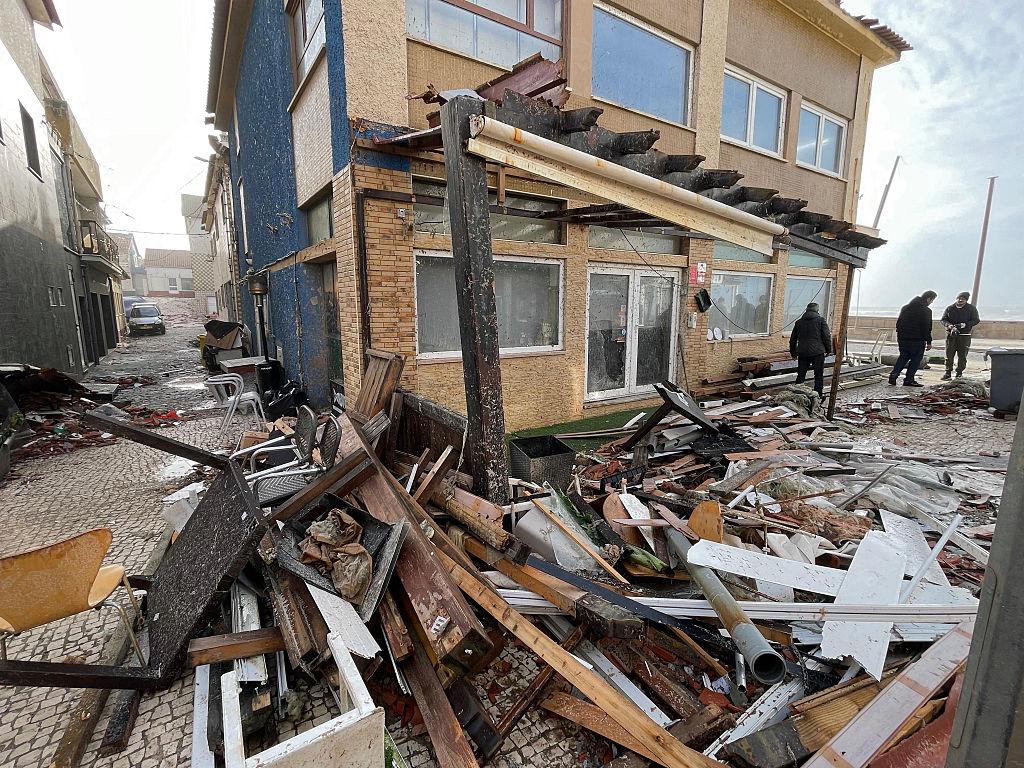
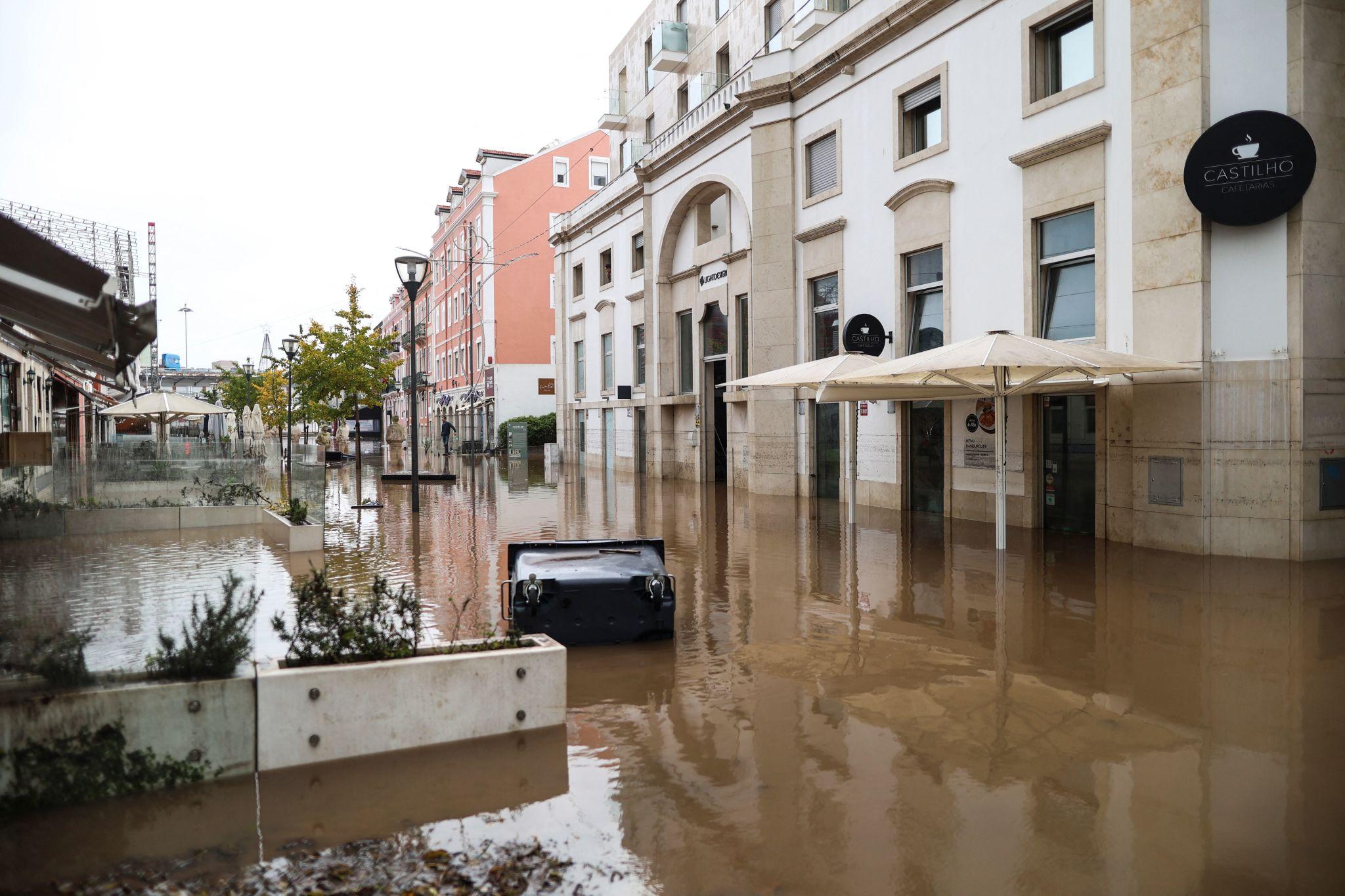
The storms struck both coastal and inland regions, bringing torrential rain, powerful winds, flooding, and landslides. Transport networks were disrupted as roads and rail lines were submerged or damaged, while ports and coastal facilities faced erosion and operational shutdowns. Power outages affected thousands of households, and water systems in several municipalities required emergency repairs.
Officials coordinating Portugal storm recovery efforts said the diversity of damage underscored the interconnected nature of national infrastructure. Failures in one system often cascaded into others, amplifying disruption and complicating response efforts.
Government Declares Recovery a Strategic Priority
The Portuguese government has framed Portugal storm recovery as a strategic national priority rather than a short-term emergency response. Senior ministers emphasized that rebuilding must address both immediate damage and long-term climate risks, noting that simply restoring pre-storm conditions would leave the country vulnerable to future disasters.
A central coordination framework has been established to align efforts across ministries, regional authorities, and local governments. This approach is intended to streamline decision-making, reduce administrative delays, and ensure resources are directed where they are most needed.
Infrastructure Restoration Takes Center Stage
Rebuilding critical infrastructure is the backbone of Portugal storm recovery. Transport corridors damaged by flooding and landslides are being repaired to restore mobility for commuters and freight, while bridges and tunnels are undergoing structural assessments to determine whether reinforcement or redesign is required.
Ports and logistics hubs, vital to Portugal’s trade and fishing industries, are also receiving priority attention. Engineers are working to strengthen coastal facilities against storm surges while minimizing disruption to commercial activity.
Housing Damage and Community Displacement
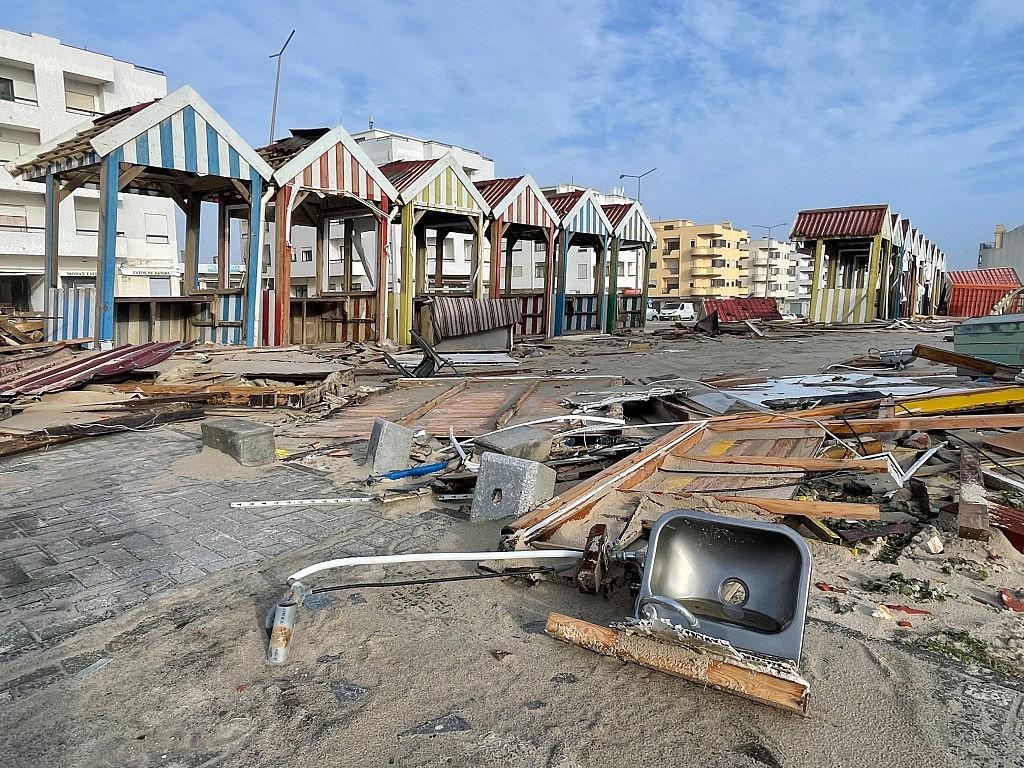
Housing damage has been among the most visible and socially disruptive consequences of the storms. Thousands of residents were forced to leave their homes due to flooding, structural instability, or safety concerns. Emergency shelters were activated in affected regions, followed by temporary accommodation programs for displaced families.
As Portugal storm recovery progresses, authorities have shifted focus toward permanent solutions. Financial assistance programs are supporting home repairs and reconstruction, while local governments have been granted expanded authority to approve projects quickly and adapt solutions to community needs.
Economic Disruption and Business Recovery
The storms caused significant economic disruption, particularly for small and medium-sized enterprises operating in tourism, agriculture, retail, and logistics. Many businesses faced damaged premises, lost inventory, and interrupted supply chains.
To support Portugal storm recovery, the government introduced targeted economic measures including access to low-interest credit, temporary tax relief, and wage support programs. Officials said stabilizing local economies is essential to preventing long-term unemployment and social strain.
Agriculture and Rural Communities Under Pressure
Rural regions were hit hard as flooding damaged farmland, livestock facilities, and irrigation systems. Farmers reported crop losses and soil degradation, raising concerns about food production and rural livelihoods.
Recovery efforts include assistance for farm repairs, soil restoration, and replacement of damaged equipment. Authorities coordinating Portugal storm recovery said protecting rural economies is critical to maintaining national food security and regional balance.
Coastal Protection and Flood Risk Management
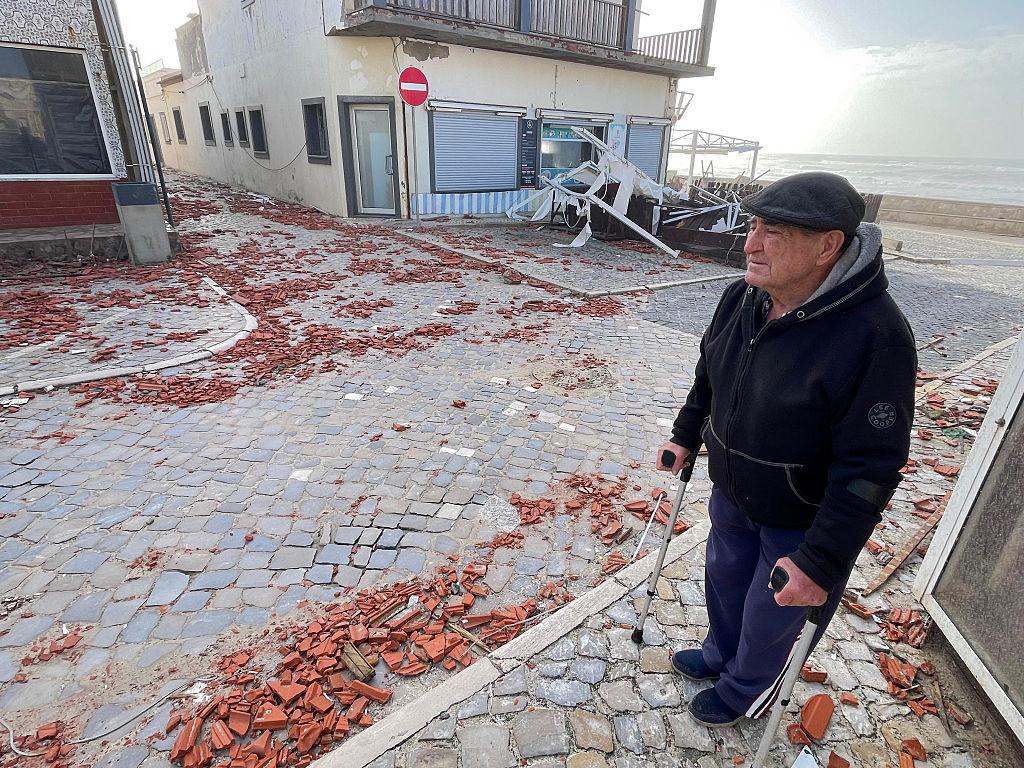
Portugal’s extensive coastline makes it particularly vulnerable to storms and rising sea levels. As part of Portugal storm recovery, coastal protection measures are being expanded to reduce future risk.
Projects include reinforcing sea walls, restoring dunes and wetlands, and redesigning urban drainage systems in coastal cities. Environmental specialists are advising on how to integrate engineered defenses with nature-based solutions to protect ecosystems while enhancing resilience.
Energy Systems and Utility Resilience
Storm damage exposed weaknesses in energy distribution networks, particularly in coastal and rural areas where infrastructure is more vulnerable. Power outages highlighted the need for improved grid resilience and backup capacity.
Recovery plans include strengthening transmission lines, upgrading substations, and improving emergency response protocols for utilities. Renewable energy installations damaged during the storms are also being restored as part of Portugal storm recovery, aligning reconstruction with long-term sustainability goals.
Water Systems and Public Health Safeguards
Flooding placed pressure on water treatment and wastewater systems, raising concerns about contamination and public health. Emergency measures were implemented to ensure safe drinking water and prevent disease outbreaks.
Longer-term Portugal storm recovery initiatives include modernizing water infrastructure, improving flood defenses around treatment facilities, and enhancing monitoring systems to detect risks early.
Governance and Oversight Mechanisms
Given the scale of public investment involved, authorities have emphasized transparency and accountability throughout Portugal storm recovery. Independent oversight bodies have been established to monitor spending, track project progress, and ensure compliance with technical and environmental standards.
Regular public updates are being issued to inform citizens about timelines, costs, and outcomes. Transparency advocates say clear communication is essential to maintaining trust during long-term reconstruction.
International Cooperation and European Context
Portugal is coordinating closely with European partners to complement national efforts. Recovery initiatives align with broader European strategies focused on climate adaptation and infrastructure resilience.
Access to regional funding mechanisms and technical expertise is expected to support specific projects, particularly those related to coastal protection and energy systems. Officials said shared learning will strengthen Portugal storm recovery while contributing to regional resilience.
Social Services and Institutional Stability
Beyond physical infrastructure, the storms placed strain on social services and public institutions. Schools and healthcare facilities in affected areas faced temporary closures or increased demand.
Recovery plans prioritize restoring these services quickly to minimize disruption to daily life. Officials coordinating Portugal storm recovery emphasized that social stability is as important as physical reconstruction.
Technology and Data in Recovery Planning
Digital tools are playing a growing role in managing Portugal storm recovery. Authorities are using satellite imagery, geographic information systems, and real-time data to assess damage, prioritize interventions, and monitor progress.
These technologies support more accurate risk mapping and help guide future investment decisions aimed at reducing exposure to extreme weather.
Expert View on the Path Forward
Portugal’s rebuilding effort marks a shift toward long-term resilience rather than short-term repair, according to analysts monitoring post-disaster responses across Europe. One senior climate policy expert said,
“Portugal’s recovery strategy shows a clear intention to rebuild stronger systems that can withstand future storms rather than simply restoring what was lost,”
highlighting how the country’s approach reflects a broader rethinking of infrastructure planning in an era of increasing climate risk.
Workforce Demand and Skills Development
The scale of reconstruction has increased demand for skilled labor in construction, engineering, environmental science, and project management. Training programs are being expanded to address shortages and build long-term capacity.
Officials said workforce development is a key component of Portugal storm recovery, ensuring that rebuilding efforts contribute to sustainable employment and skills growth.
History of Portugal Storm Recovery and Disaster Response
Portugal’s approach to disaster response has evolved significantly over recent decades. Earlier recovery efforts often focused on rapid repairs intended to restore basic functionality, with limited attention to long-term resilience.
As climate risks intensified, policymakers began to recognize the need for integrated planning. Major storms and floods over the past twenty years exposed the limitations of reactive responses, laying the groundwork for today’s more comprehensive Portugal storm recovery framework that combines infrastructure investment, social support, and climate adaptation.
Implementation Challenges and Capacity Gaps
Despite strong political commitment, officials acknowledge challenges in implementing such a large-scale recovery program. Variations in regional capacity, supply chain constraints, and administrative complexity could slow progress.
Managing expectations will be critical, as some projects may take years to complete. Authorities coordinating Portugal storm recovery stressed the importance of clear communication and realistic timelines.
Long-Term Outlook and National Preparedness
Looking ahead, policymakers say the success of Portugal storm recovery will be measured not only by repaired infrastructure but by reduced vulnerability to future storms. Improved planning, stronger institutions, and resilient systems are expected to enhance national preparedness.
Economists and environmental analysts agree that integrating climate adaptation into reconstruction is essential to protecting long-term economic stability.
A Turning Point for Climate Resilience
The storms have triggered a broader reassessment of how Portugal plans, builds, and maintains critical systems. Officials say lessons learned during Portugal storm recovery will influence future policy across sectors, from urban planning to energy strategy.
Portugal’s nationwide rebuilding effort reflects a growing recognition that recovery must be forward-looking as well as restorative. By integrating reconstruction with resilience and adaptation, Portugal storm recovery aims to protect communities, stabilize the economy, and prepare the country for a changing climate.
If executed effectively, the recovery process could strengthen national preparedness and position Portugal as a reference point for climate-aware rebuilding in Europe.