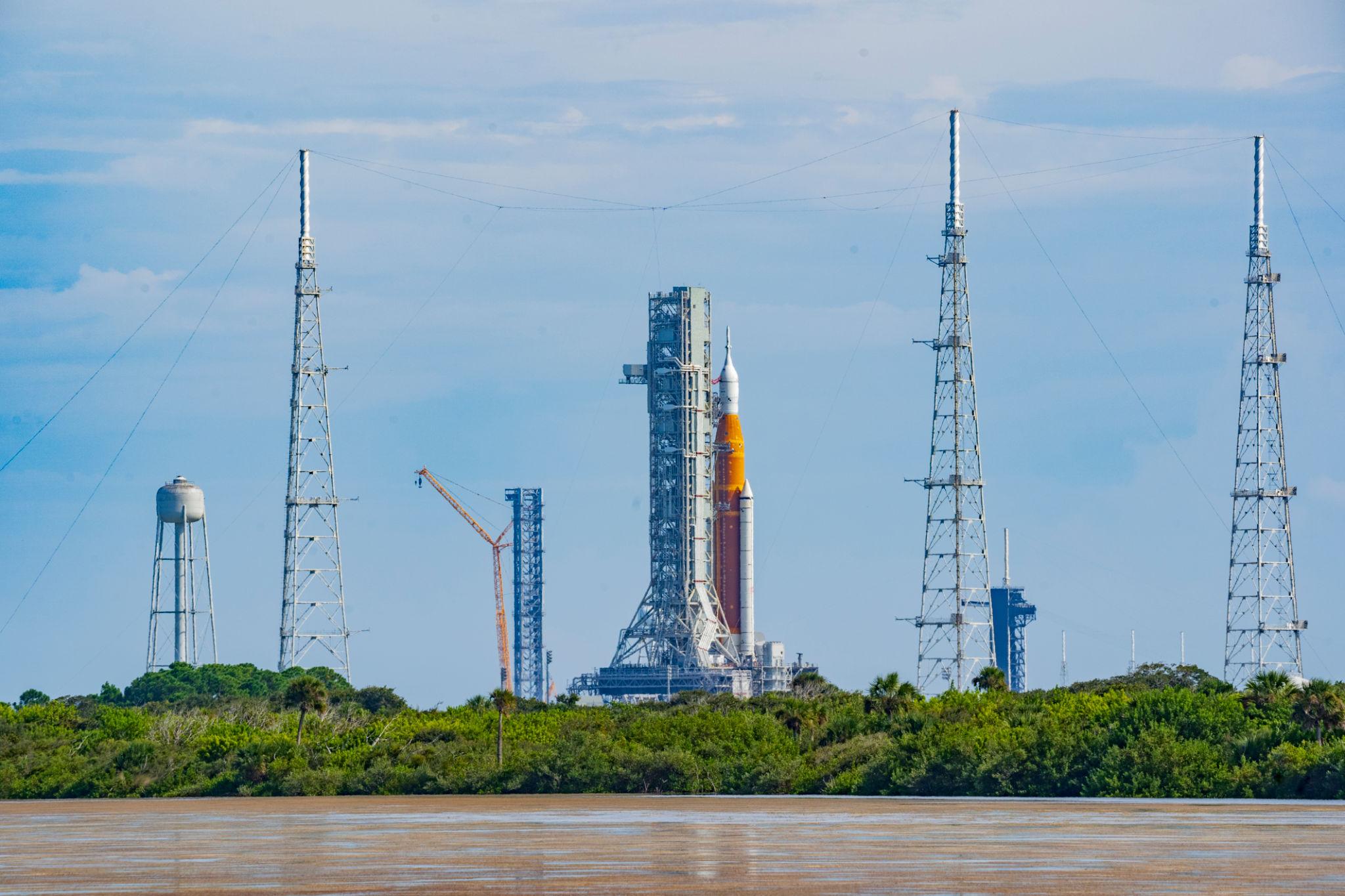
TEXAS, United States, (Parliament Politics Magazine) Reusable rocket technology remains one of the most important innovations in modern spaceflight, but a recent launch pad explosion has highlighted the challenges facing the commercial space sector. The incident damaged critical infrastructure, forcing months of expected delays and prompting engineers to review operational procedures. As investigations continue, industry observers are closely watching how reusable rocket technology responds to one of its latest operational setbacks.
Launch Infrastructure Damage Disrupts Operations
The explosion caused significant damage to launch facilities responsible for supporting future missions. Ground systems, fueling equipment, and support structures reportedly suffered substantial impacts.
The disruption is especially important because reusable rocket technology depends heavily on reliable launch infrastructure. When facilities become unavailable, mission schedules can quickly shift, affecting customers, research organizations, and satellite operators worldwide.
Industry analysts note that repairing launch facilities often requires extensive testing and certification before flights can resume safely.
“Spaceflight innovation moves quickly, but safety must always move faster.”
Why Reusable Systems Matter to the Space Industry
Over the past decade, reusable rocket technology has transformed the economics of spaceflight. Instead of discarding expensive rocket components after each mission, companies recover and refurbish hardware for future launches.
This approach reduces costs, improves launch frequency, and supports long-term growth across the commercial space sector.
Advocates argue that reusable rocket technology has helped make space access more affordable for governments, scientific organizations, and private businesses seeking satellite deployment opportunities.
The latest incident, however, demonstrates that even advanced systems remain vulnerable to operational risks and infrastructure failures.
Investigation Focuses on Root Cause
Engineers and safety specialists are examining data collected before and during the explosion. Investigators are expected to review telemetry records, fueling operations, hardware performance, and environmental conditions.
The findings may result in updated safety procedures designed to strengthen reusable rocket technology programs across the industry.
Experts say identifying the root cause is essential for preventing similar incidents in the future.
“Every failure provides valuable engineering lessons that help improve future missions.”
The investigation could also influence regulatory reviews and certification requirements for upcoming launches.
Historical Development of Reusable Rocket Technology
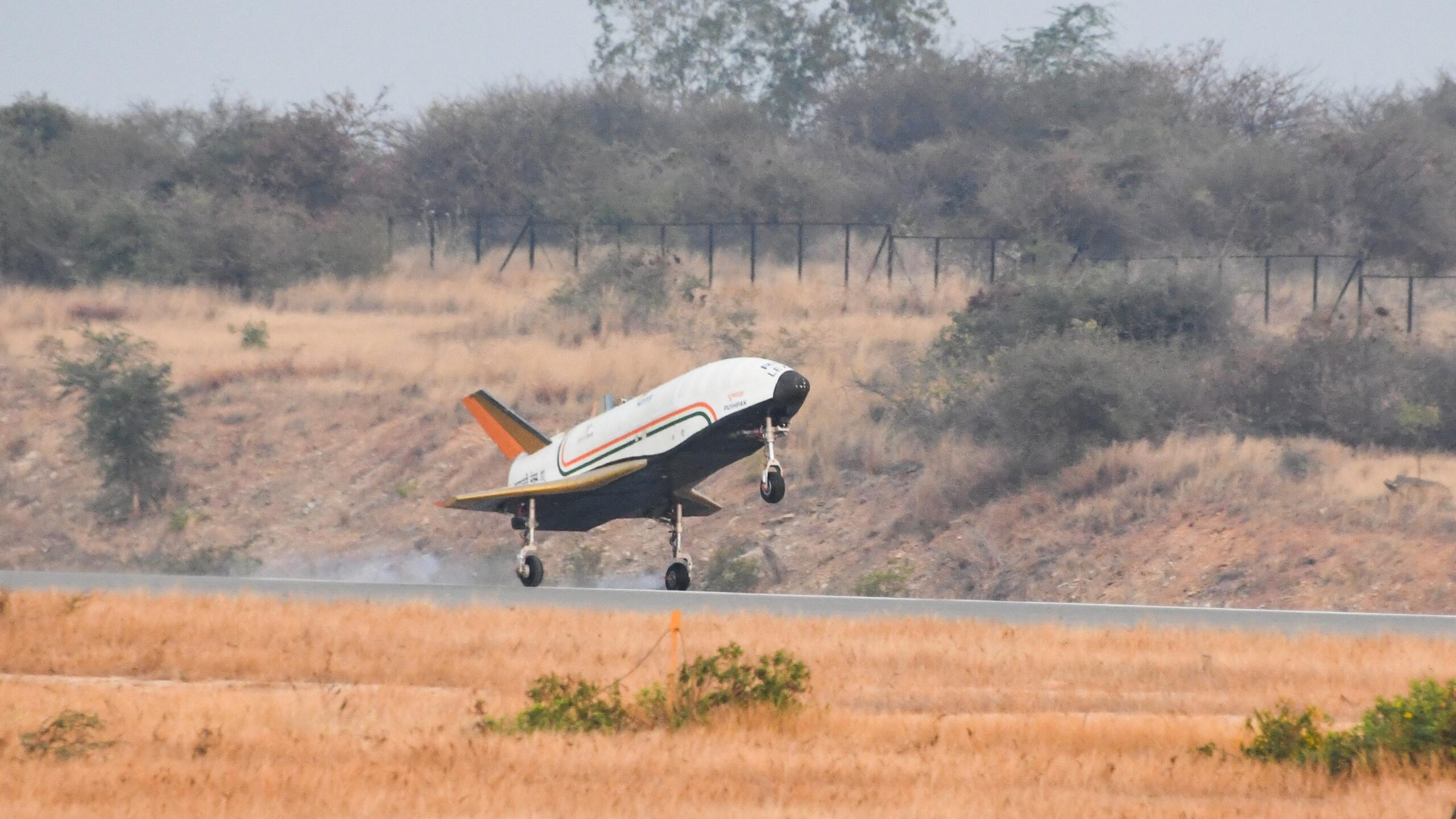
The concept of reusable rocket technology has been discussed for decades. Early space programs explored various methods for recovering launch hardware, but technical limitations often made reuse difficult and expensive.
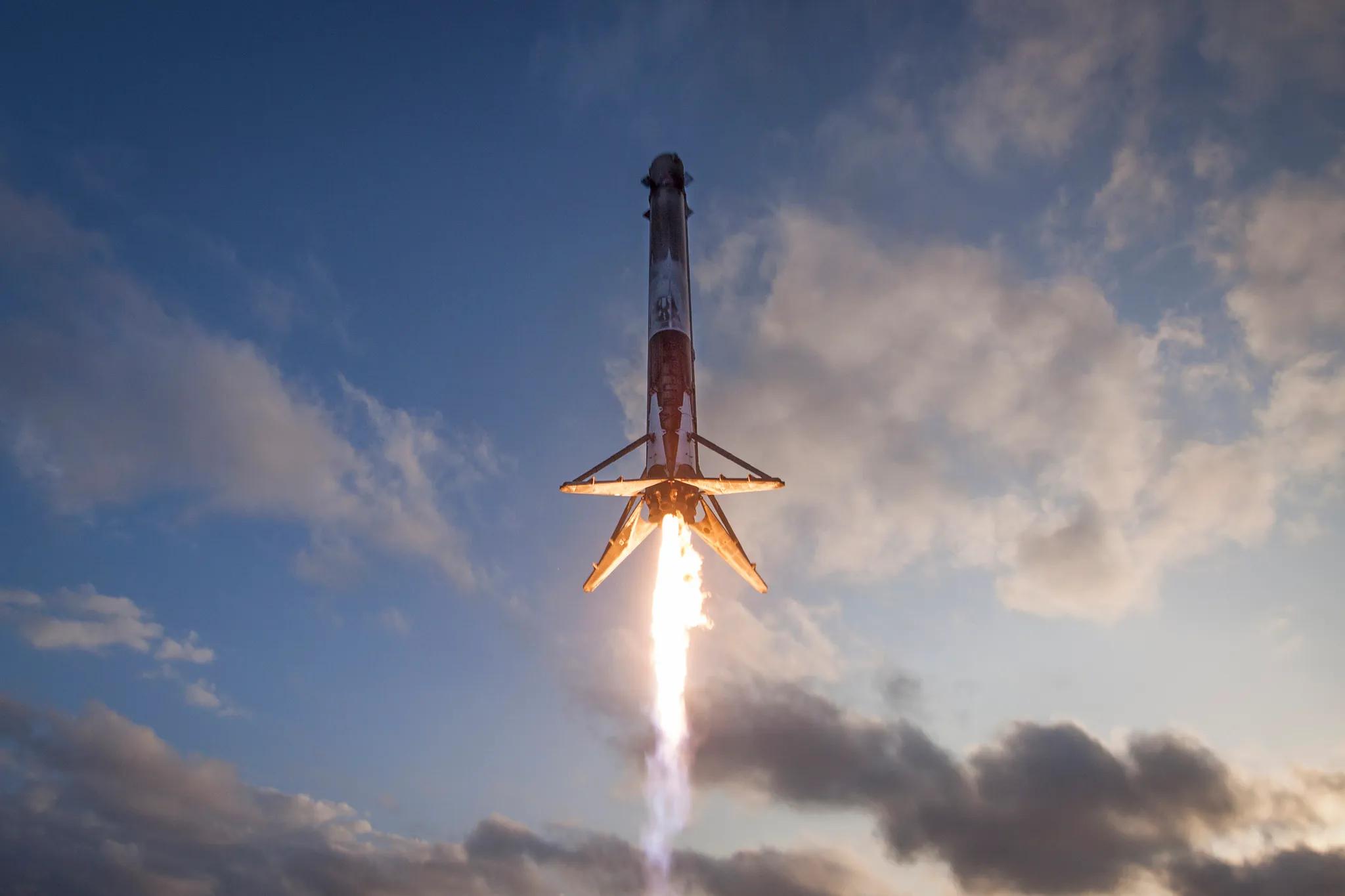
Advances in propulsion systems, autonomous guidance software, and precision landing capabilities eventually allowed modern aerospace companies to make recovery operations commercially viable.
History of Reusable Rocket Development
The history of reusable rocket technology reflects a broader effort to reduce launch costs and increase mission frequency. From experimental recovery concepts in the late twentieth century to modern booster landings, engineers have continuously refined systems designed to support repeated use.
Today, reusable rocket technology represents one of the fastest-growing segments of the aerospace industry and is viewed as a key component of future lunar, orbital, and deep-space missions.
Economic Implications for the Commercial Space Sector
The latest delay could have financial consequences extending beyond repair costs. Customers often schedule launches years in advance, making disruptions expensive for both providers and mission partners.
Because reusable rocket technology supports an increasing number of commercial launches, infrastructure interruptions can affect communications projects, scientific missions, and government programs.
Investors will likely monitor recovery efforts closely as companies work to restore operations and maintain customer confidence.
Industry Response Highlights Safety Priorities
Space industry leaders have emphasized the importance of transparency during the investigation process. Maintaining trust among customers, regulators, and investors remains a top priority.
Many experts believe reusable rocket technology will continue advancing despite temporary setbacks because demand for launch services remains strong worldwide.
Growing interest in satellite networks, Earth observation programs, and national security missions continues driving investment across the aerospace sector.
“The future of commercial spaceflight depends on balancing innovation with operational discipline.”
What Happens Next?
The immediate focus remains on repairing damaged facilities, completing safety reviews, and establishing a timeline for returning to flight operations.
Engineers will likely implement additional safeguards before launch activities resume. Industry observers expect lessons learned from the incident to strengthen future operational standards.
Although the explosion has created challenges, many analysts remain optimistic that reusable rocket technology will continue playing a central role in the future of commercial space exploration.
As recovery efforts progress, stakeholders across the aerospace industry will be watching closely for updates regarding launch schedules, infrastructure repairs, and investigation findings.