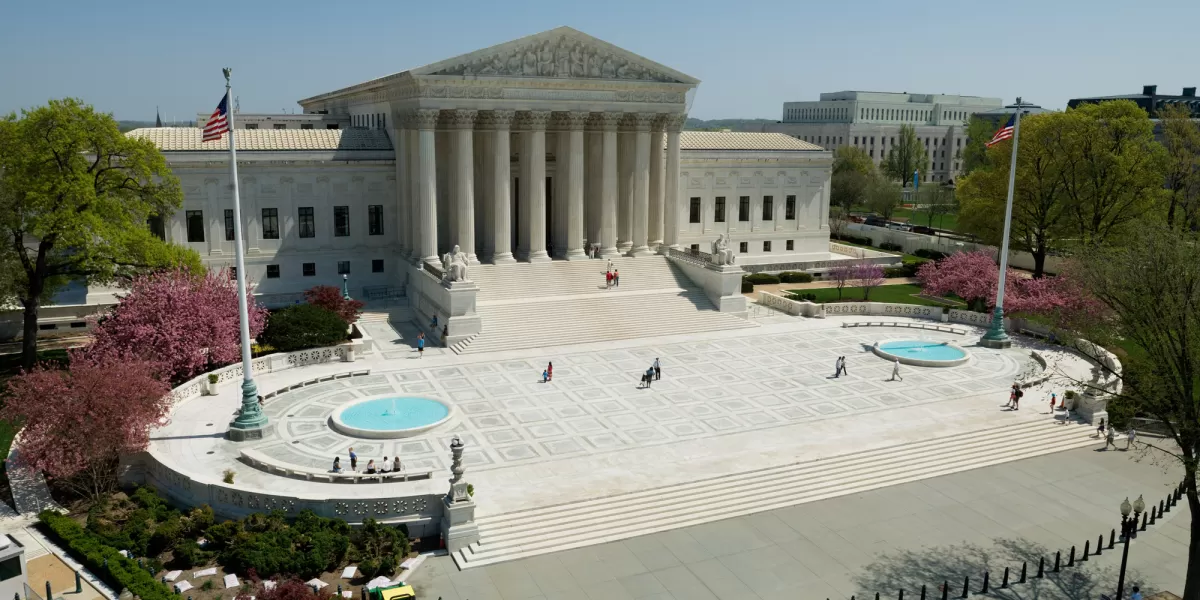
Washington DC, United States, January 2026, According to parliament news that the rule of law United States has emerged as one of the most closely watched pillars of democratic stability amid political polarization institutional strain and heightened public scrutiny. From courtrooms to Congress and from statehouses to city streets the principle that laws apply equally to all has become central to national debate as Americans assess the resilience of their democratic system.
Understanding the Core Democratic Principle
At its foundation the rule of law United States refers to a system in which legal rules are transparent evenly applied and independently enforced. No individual regardless of office or influence stands above the law and all citizens are entitled to equal protection. This principle distinguishes democratic governance from arbitrary power and remains essential to maintaining legitimacy in public institutions.
Legal scholars note that adherence to this standard requires more than written statutes. It depends on norms professional integrity and public confidence that laws are administered fairly without political interference.
Historical Foundations of Legal Equality
The roots of the rule of law United States stretch back to the nation’s founding documents. The Constitution established separation of powers checks and balances and an independent judiciary precisely to prevent concentration of authority. Over centuries these structures have been tested by war social upheaval and political realignment.
From landmark Supreme Court rulings to civil rights legislation the evolution of American law reflects ongoing efforts to align practice with principle. Each generation has been called upon to reaffirm commitments made at the nation’s inception.
Judiciary Independence Under Scrutiny
In 2026 debates surrounding the rule of law United States increasingly focus on the judiciary. Courts are seen as guardians of constitutional limits yet they face criticism from across the political spectrum. High profile rulings and contentious confirmations have fueled public debate about impartiality and legitimacy.
Judicial independence remains a cornerstone of democratic stability. Legal experts stress that courts must be insulated from political pressure to ensure that legal decisions rest on law and evidence rather than ideology.
Congressional Oversight and Accountability
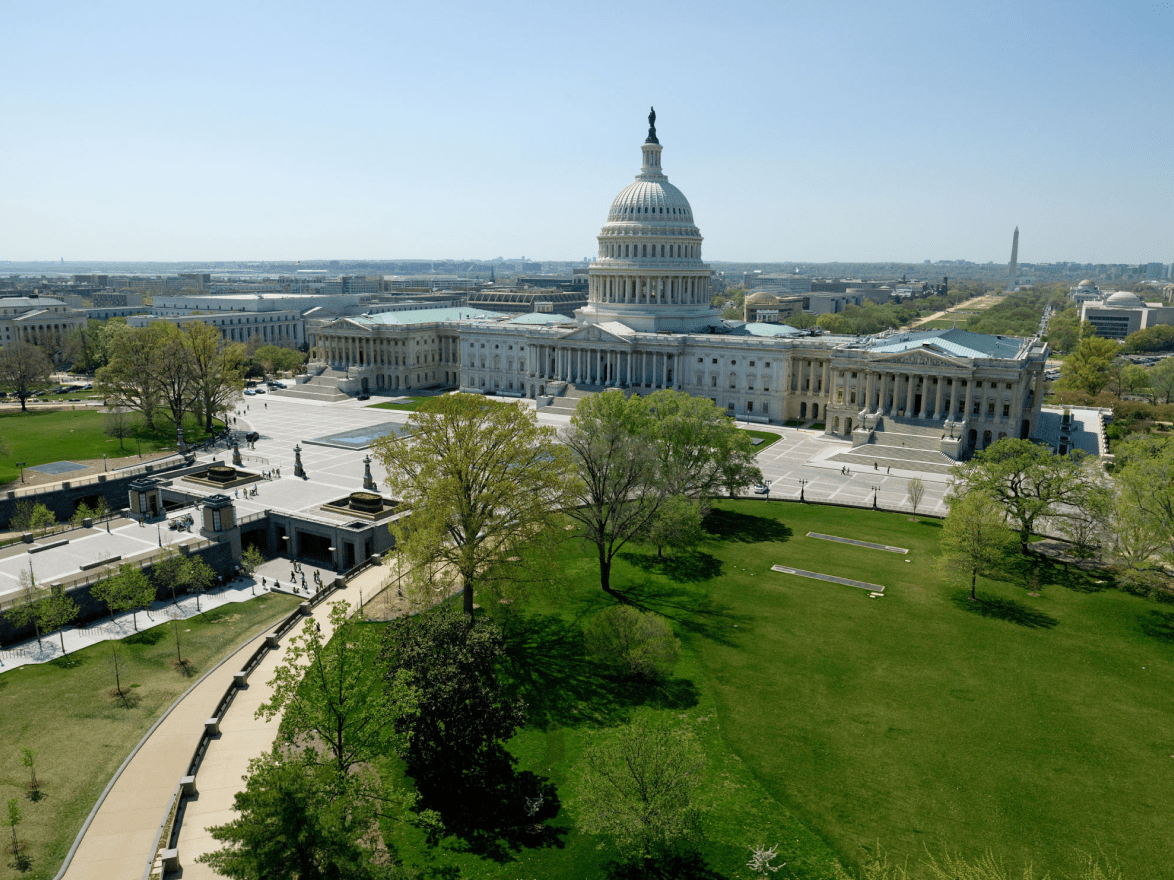
Legislative oversight plays a vital role in upholding the rule of law United States. Congressional investigations hearings and budgetary authority serve as mechanisms to check executive power. When functioning effectively these tools reinforce transparency and accountability.
However partisan gridlock has complicated oversight efforts. Analysts warn that weakened legislative scrutiny risks eroding public trust and diminishing the balance envisioned by constitutional design.
Executive Authority and Legal Boundaries
The scope of executive power remains a central issue in discussions of the rule of law United States. Presidents wield significant authority particularly in areas of national security and emergency response. Determining where lawful discretion ends and overreach begins is an enduring challenge.
Recent administrations have tested these boundaries prompting judicial review and legislative response. Observers emphasize that clear legal frameworks and respect for limits are essential to preserving democratic norms.
Federal State Relations and Legal Uniformity
Tensions between federal and state governments have brought renewed attention to the rule of law United States. Divergent policies on voting rights criminal justice and regulatory enforcement highlight the complexity of a federal system.
While states retain significant autonomy federal courts often serve as arbiters when conflicts arise. Maintaining legal consistency while respecting local governance remains a delicate balance.
Public Trust and Institutional Legitimacy
Public confidence is inseparable from the rule of law United States. Surveys show that trust in institutions fluctuates with perceptions of fairness transparency and accountability. When citizens believe laws are applied selectively confidence erodes and civic engagement declines.
Rebuilding trust requires consistent adherence to legal standards clear communication and visible consequences for misconduct regardless of status.
Media Role in Legal Transparency
Independent media contribute to the rule of law United States by informing the public scrutinizing power and documenting legal processes. Investigative reporting has historically exposed abuses and prompted reform.
At the same time misinformation and partisan framing can distort understanding. Media literacy and responsible journalism are increasingly important to ensure accurate public discourse around legal issues.
Civil Society and Grassroots Vigilance
Civil society organizations play an active role in defending the rule of law United States. Advocacy groups legal aid organizations and academic institutions monitor government actions and provide legal challenges when necessary.
Grassroots engagement reinforces democratic accountability by amplifying public concerns and ensuring that legal principles remain connected to lived experience.
Technology Surveillance and Legal Safeguards
Technological advancement introduces new tests for the rule of law United States. Surveillance tools data collection and artificial intelligence raise questions about privacy due process and oversight.
Policymakers face pressure to modernize legal frameworks ensuring that technological power does not outpace constitutional protections. Transparency and accountability remain key safeguards.
Economic Fairness and Legal Consistency
Economic inequality intersects with the rule of law United States when access to justice varies by wealth. Legal experts highlight disparities in representation bail practices and civil litigation outcomes.
Efforts to expand legal aid reform sentencing guidelines and modernize court systems aim to reduce these gaps and reinforce equal treatment under the law.
Education Civic Literacy and Legal Awareness
Long term preservation of the rule of law United States depends on education. Civic literacy programs emphasize constitutional principles critical thinking and informed participation.
Educators argue that understanding legal processes empowers citizens to recognize threats and engage constructively in democratic life.
A Single Voice on Legal Balance
One constitutional analyst summarized the moment by saying
“The strength of democracy is measured not by who holds power but by how faithfully limits on power are respected.”
The remark captures the core tension shaping current debate.
Global Perception and Democratic Example
International observers closely watch developments related to the rule of law United States. As a global advocate for democratic governance American domestic practice influences its credibility abroad.
Consistency between domestic adherence and international rhetoric strengthens diplomatic standing while contradictions invite criticism.
Challenges Ahead for Democratic Stability
Maintaining the rule of law United States in a polarized era requires institutional resilience and civic commitment. Threats include political pressure disinformation and erosion of norms that support impartial governance.
Addressing these challenges demands cooperation across branches of government and engagement from civil society.
The Path Forward for Legal Integrity
Looking ahead leaders face decisions that will shape the rule of law United States for years to come. Transparent governance respect for judicial independence and effective oversight remain essential pillars.
Renewed commitment to constitutional principles offers a pathway toward restoring trust and strengthening democratic foundations.
A Principle That Defines the Nation
As 2026 unfolds the rule of law United States stands not merely as a legal concept but as a defining measure of national character. Its endurance depends on collective resolve to uphold equality accountability and justice even amid disagreement.
The coming years will test whether institutions and citizens alike can reaffirm this foundational promise and ensure that law remains a shield for liberty rather than a tool of power.