
Brussels, February 4, 2026 — According to Parliament News, that social media elections have become a defining issue for European regulators as Romania enters a critical election cycle under heightened digital oversight. In 2026, European Union institutions are intensifying efforts to ensure that online platforms do not undermine democratic processes, reflecting growing concern over the influence of digital communication on voter behavior.
The focus on platform accountability comes amid broader debates about misinformation, algorithmic amplification, and the speed at which political narratives spread online. European officials emphasize that election integrity now extends beyond polling stations into the digital spaces where public opinion increasingly takes shape.
The Growing Role of Digital Platforms in Democracy
Digital platforms have transformed political engagement across Europe. Campaign messaging, political debate, and voter mobilization increasingly occur online, often in real time and across borders. This shift has expanded access to political discourse while introducing new risks that traditional regulatory systems were not designed to manage.
In the context of social media elections, regulators are paying close attention to how algorithms prioritize content and how easily misleading information can gain traction. Unlike traditional media, digital platforms operate at a scale and speed that challenge conventional oversight mechanisms.
EU policymakers argue that these platforms are no longer neutral intermediaries but active participants in shaping public debate.
Romania’s Election in the European Spotlight
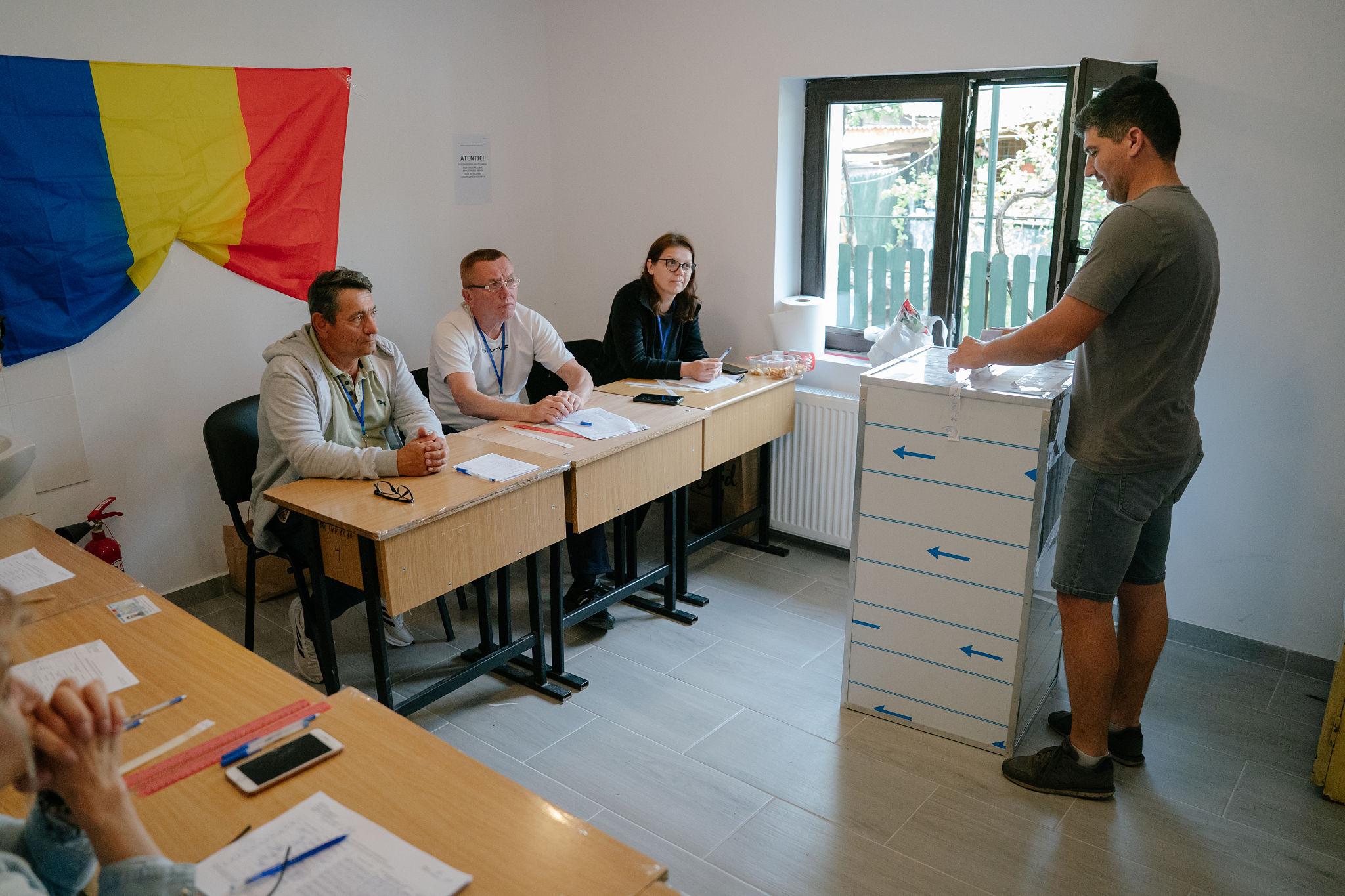
Romania’s upcoming election has drawn particular attention due to high digital engagement and increasing reliance on online platforms for political communication. Authorities view the country as an important test case for evaluating how EU digital rules perform during real election cycles.
Concerns linked to social media elections in Romania include disinformation campaigns, foreign influence risks, and the transparency of political advertising. National regulators are coordinating closely with EU institutions to monitor activity and assess compliance with existing laws.
Officials stress that oversight aims to protect democratic choice rather than restrict political expression.
EU Legal Framework and Digital Accountability
The European Union has spent recent years strengthening its digital governance framework, introducing obligations for large online platforms to assess and mitigate systemic risks. Elections are classified as high-risk periods requiring enhanced safeguards.
Under these rules, platforms involved in social media elections must demonstrate that they have systems in place to identify harmful activity, limit the spread of false information, and provide transparency around political content.
EU officials emphasize that compliance is an ongoing process rather than a one-time assessment.
The European Commission’s Coordinating Role
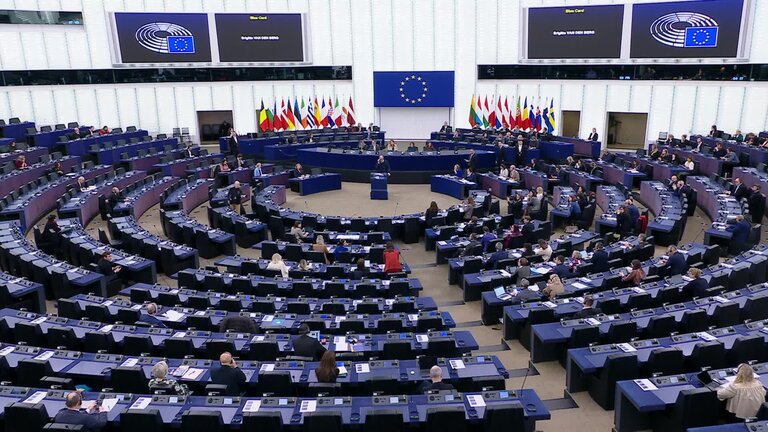
European Commission plays a central role in overseeing how member states and platforms apply digital regulations. The Commission works alongside national authorities to ensure consistent enforcement while respecting local electoral contexts.
In discussions surrounding social media elections, Commission officials have highlighted the importance of data access and independent scrutiny of platform systems. Understanding how content is promoted and suppressed is considered essential for evaluating potential democratic risks.
This coordination reflects the EU’s attempt to balance centralized oversight with national responsibility.
Platform Engagement and Regulatory Dialogue
Major technology companies operating in Europe have increased engagement with regulators as election scrutiny intensifies. Platforms are now expected to provide detailed explanations of content moderation practices, risk assessments, and election-specific safeguards.
One Commission official said, “Constructive cooperation allows regulators to understand how election-related risks are being identified and managed in practice.” The comment reflects the EU’s preference for engagement before enforcement.
Within social media elections, cooperation is viewed as a key indicator of a platform’s commitment to democratic responsibility.
Challenges of Moderating Political Content
Moderating political content remains one of the most complex tasks facing digital platforms. Automated systems struggle to interpret nuance, satire, and context, while human moderation at scale is resource-intensive.
During social media elections, content volumes surge dramatically, increasing the likelihood of delayed responses or inconsistent enforcement. Regulators are examining whether platforms allocate sufficient staff and technical resources during election periods.
Balancing free expression with harm prevention remains a central tension in digital governance.
Political Advertising and Influence Concerns
Online political advertising has reshaped campaign strategies by allowing highly targeted messaging. While this can improve engagement, it also raises concerns about manipulation and unequal access to information.
EU rules require clearer labeling and disclosure of political advertisements. In social media elections, regulators assess whether platforms provide transparency about who funds political messages and how audiences are targeted.
Advertising oversight is seen as critical to maintaining fair competition among political actors.
Public Trust and Democratic Confidence
Trust is a cornerstone of democratic systems. When voters believe elections are fair, participation increases and outcomes gain legitimacy.
Debates around social media elections reflect broader anxieties about the reliability of information ecosystems. EU officials argue that visible oversight and clear communication help reassure citizens that digital risks are being addressed.
Without trust, even technically secure elections may face legitimacy challenges.

National Authorities and Local Enforcement
While EU institutions set overarching rules, national authorities remain responsible for enforcing election laws. Cooperation between Brussels and national capitals is therefore essential.
Romanian regulators are working with EU counterparts to monitor online activity and share information. This collaboration reflects lessons learned from previous election cycles across Europe.
Handling social media elections effectively requires alignment between regional oversight and local enforcement capabilities.
History of Digital Platforms in European Elections
European elections were once shaped primarily by traditional media and in-person campaigning. As internet access expanded, digital platforms gradually became central to political communication. Early optimism about online engagement gave way to concerns following high-profile misinformation cases and foreign interference allegations.
The emergence of social media elections marked a turning point in regulatory thinking. Policymakers began viewing platforms not merely as communication tools but as actors capable of influencing democratic outcomes.
This historical shift laid the foundation for today’s regulatory frameworks.
Broader Implications for Global Democracy
Europe’s approach to regulating digital platforms during elections is being closely watched worldwide. Other regions face similar challenges but differ in legal traditions and regulatory capacity.
Discussions around social media elections increasingly shape global debates on platform governance, free expression, and democratic resilience. The EU’s emphasis on accountability and transparency may influence international standards.
As digital communication transcends borders, coordinated responses may become more common.
Future of Election Oversight in the Digital Age
Looking ahead, EU officials expect oversight mechanisms to grow more sophisticated. Independent audits, real-time monitoring tools, and expanded data access are likely to play larger roles.
For platforms, compliance during social media elections will become a baseline expectation. Companies unable to adapt may face stronger enforcement actions.
The long-term objective is to align technological innovation with democratic safeguards.
Democracy Under Digital Pressure
Elections reflect the communication tools of their era. In the digital age, online platforms shape political narratives at unprecedented speed and scale.
How societies manage social media elections will influence democratic stability for years to come. The Romanian case illustrates the challenges and opportunities of governing democracy in a connected world.
A Defining Test for Regulation
The scrutiny surrounding Romania’s election underscores a broader shift in how democracies address digital influence. Oversight is no longer optional but integral to election management.
As regulatory frameworks evolve, social media elections will remain a critical test of whether democratic institutions can adapt to technological change without compromising core values.