
Spain health officials are intensifying investigations after two suspected hantavirus-linked cases connected to Tristan da Cunha surfaced in 2026.
Medical experts are monitoring symptoms, travel histories, and environmental exposure risks as global attention grows.
The situation has renewed concern over rare infectious diseases and healthcare preparedness in isolated regions.
MADRID, Spain (Parliament Politics Magazine) Spain hantavirus monitoring efforts intensified this week after health authorities began investigating two suspected cases potentially linked to the remote South Atlantic island of Tristan da Cunha. Officials are closely reviewing laboratory findings, travel records, and environmental exposure risks while international public health experts monitor developments surrounding the rare virus investigation.
The suspected illnesses have generated significant global attention due to the unusual geographic connection and the rarity of hantavirus infections. Spanish health agencies have not yet confirmed the cases, but medical officials say the investigation remains active as precautionary surveillance measures continue across multiple healthcare systems.
Authorities emphasized that there is currently no indication of widespread public danger, though hospitals and infectious disease specialists remain alert while awaiting additional test results.
“Rapid identification and monitoring remain essential whenever rare infectious diseases are suspected,”
a European infectious disease expert said during a regional health briefing.
| Category | Details |
|---|---|
| Primary Concern | Suspected hantavirus infections |
| Focus Region | Spain and Tristan da Cunha |
| Investigation Status | Ongoing |
| Virus Type | Rodent-borne viral disease |
| Main Symptoms | Fever, fatigue, respiratory distress |
| Transmission Concern | Exposure to rodent contamination |
| Public Risk Level | No widespread threat confirmed |
| Monitoring Agencies | Spanish and international health officials |
| Year | 2026 |
Health Officials Increase Regional Surveillance Measures
Healthcare agencies across Spain are expanding surveillance procedures while epidemiologists examine whether the suspected illnesses involve hantavirus or another infection presenting similar respiratory symptoms.
Medical teams are reportedly conducting laboratory analysis and interviewing individuals connected to the suspected cases. Travel patterns and environmental exposure histories remain central to the investigation.
The growing attention surrounding Spain hantavirus monitoring reflects increasing global concern over rare disease detection and international preparedness for emerging infectious health events.
Several hospitals have also reportedly reviewed emergency response protocols in case additional cases are identified.
“Preparedness is critical, especially when dealing with diseases that can escalate rapidly if left undiagnosed,”
a public health advisor stated during discussions on infectious disease management.
Understanding the Risks Associated With Hantavirus
Hantavirus refers to a family of viruses commonly carried by rodents. Human infections generally occur through exposure to contaminated droppings, saliva, or urine, particularly in enclosed areas where particles may become airborne.
Symptoms often begin with flu-like conditions, including fever, headaches, dizziness, and muscle pain before potentially developing into severe respiratory complications.
Although infections remain relatively uncommon worldwide, severe cases can become life-threatening without timely medical intervention.
Medical analysts say Spain hantavirus monitoring procedures are being treated seriously because early containment and diagnosis are considered essential for limiting complications and reducing public concern.
Tristan da Cunha Connection Draws Global Attention
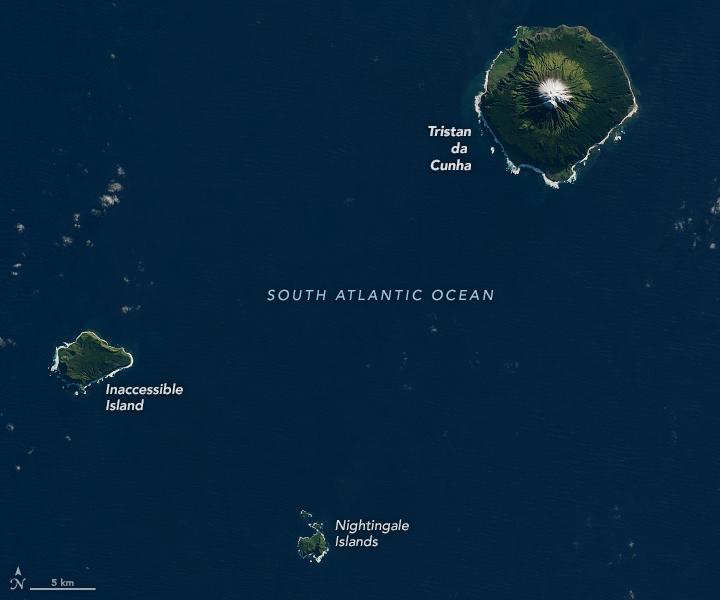
Tristan da Cunha, a remote British overseas territory in the South Atlantic Ocean, has become a focal point in the investigation due to reported links associated with the suspected patients.
The island is widely recognized as one of the most isolated inhabited locations on Earth, with limited transportation access and a small population. Public health incidents connected to remote territories often receive additional international scrutiny because of logistical challenges surrounding medical treatment and emergency response.
Experts note that isolated communities can face several healthcare difficulties, including:
- Limited advanced testing facilities
- Restricted transportation access
- Smaller healthcare staff capacity
- Delayed emergency medical evacuations
- Dependence on outside medical agencies
The unusual geographic connection has made Spain hantavirus monitoring an internationally watched public health topic in 2026.

History of Hantavirus Cases Worldwide
Hantavirus outbreaks and isolated infections have appeared in multiple regions over recent decades, including parts of Asia, Europe, and the Americas. The disease first gained significant international attention after respiratory outbreaks were documented in the southwestern United States during the 1990s.
Since then, health organizations worldwide have expanded monitoring systems designed to identify rodent-borne diseases more quickly and improve outbreak response coordination.
Although the virus remains rare, sporadic cases continue to emerge globally, often linked to environmental exposure or increased contact with rodent populations.
Health researchers say historical outbreaks have helped governments strengthen disease surveillance programs, including current Spain hantavirus monitoring efforts tied to the Tristan da Cunha investigation.
“Every suspected case contributes to broader understanding and preparedness for future infectious disease risks,”
an international epidemiologist explained.
Spanish Medical Teams Continue Laboratory Testing
Medical laboratories in Spain continue analyzing samples connected to the suspected infections while infectious disease specialists coordinate with international health organizations.
Authorities have not disclosed extensive patient details but confirmed that investigations remain active. Officials are also assessing whether any environmental exposure or international travel factors may have contributed to the illnesses.
The expanded Spain hantavirus monitoring procedures include coordination between hospitals, laboratories, and regional health departments.
Experts stress that while public attention has increased, investigations into suspected infections often require extensive confirmation before official diagnoses are announced.
Rare Infectious Diseases Remain a Global Concern
The suspected cases have renewed conversations about the growing importance of disease surveillance systems in a globally connected world.
Public health specialists warn that rare illnesses can quickly become international concerns due to travel, environmental shifts, and changing interactions between humans and wildlife.
Health agencies continue emphasizing rapid communication between nations whenever unusual disease activity emerges.
Analysts say Spain hantavirus monitoring reflects broader international efforts to strengthen detection systems capable of identifying health threats before they become larger outbreaks.
The situation has also highlighted the role of international collaboration in managing medical investigations that involve remote territories and cross-border health concerns.
Public Guidance Issued During Monitoring Efforts
Spanish health officials continue advising the public to remain calm while staying informed about general disease prevention practices.
Experts recommend:
- Avoiding direct contact with rodents
- Sealing buildings against infestations
- Properly cleaning contaminated areas
- Using protective equipment when handling waste
- Seeking medical attention for severe respiratory symptoms
Healthcare providers say the current Spain hantavirus monitoring process is precautionary and designed to ensure rapid response if further concerns emerge.
At present, authorities have not announced restrictions or emergency measures related to the investigation.
Global Health Systems Focus on Preparedness in 2026
The investigation has reinforced the importance of healthcare readiness in both major cities and isolated regions.
Public health agencies worldwide increasingly rely on advanced disease surveillance systems, laboratory coordination, and rapid information sharing to identify emerging threats.
Medical observers note that the current Spain hantavirus monitoring efforts demonstrate how quickly localized health concerns can attract worldwide attention.
The suspected cases also underline the importance of continued investment in emergency healthcare infrastructure, especially for geographically isolated communities with limited medical access.
The investigation surrounding Spain hantavirus monitoring continues to evolve as authorities review laboratory findings and assess possible links connected to Tristan da Cunha. While officials have not confirmed widespread risks, the unusual nature of the suspected cases has generated substantial international interest.
Healthcare agencies remain focused on patient evaluation, environmental analysis, and preparedness measures while global health experts monitor developments closely. The situation serves as another reminder that rare infectious diseases continue to require rapid detection, international coordination, and strong public health communication in 2026.